 Clirik






Rechercher
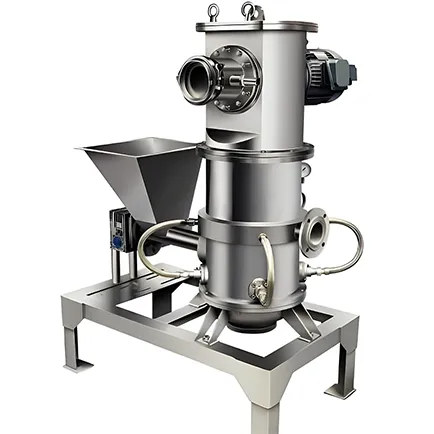
FLUIDIZED BED AIR JET MILL
Model: CLJM-L
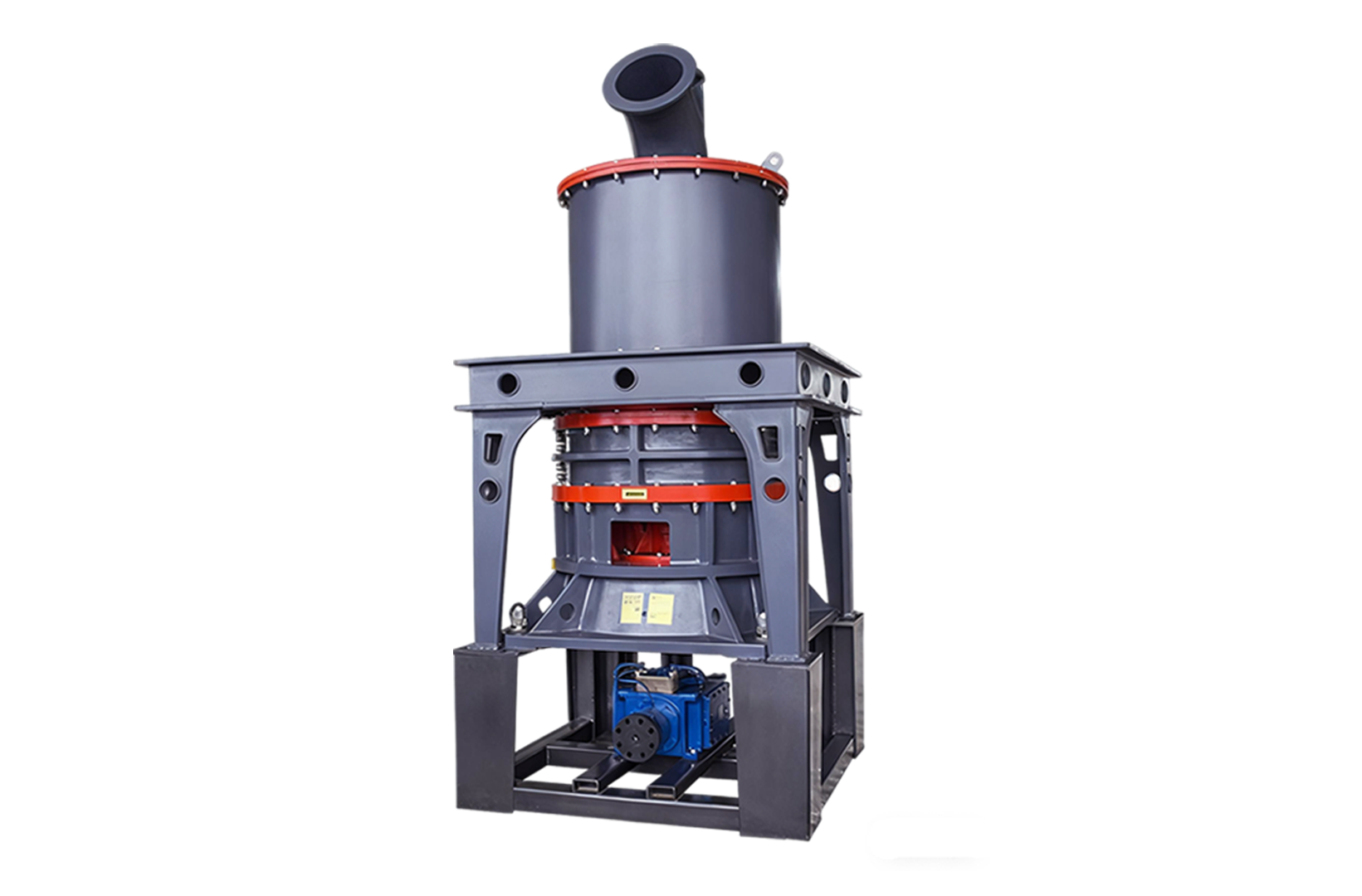
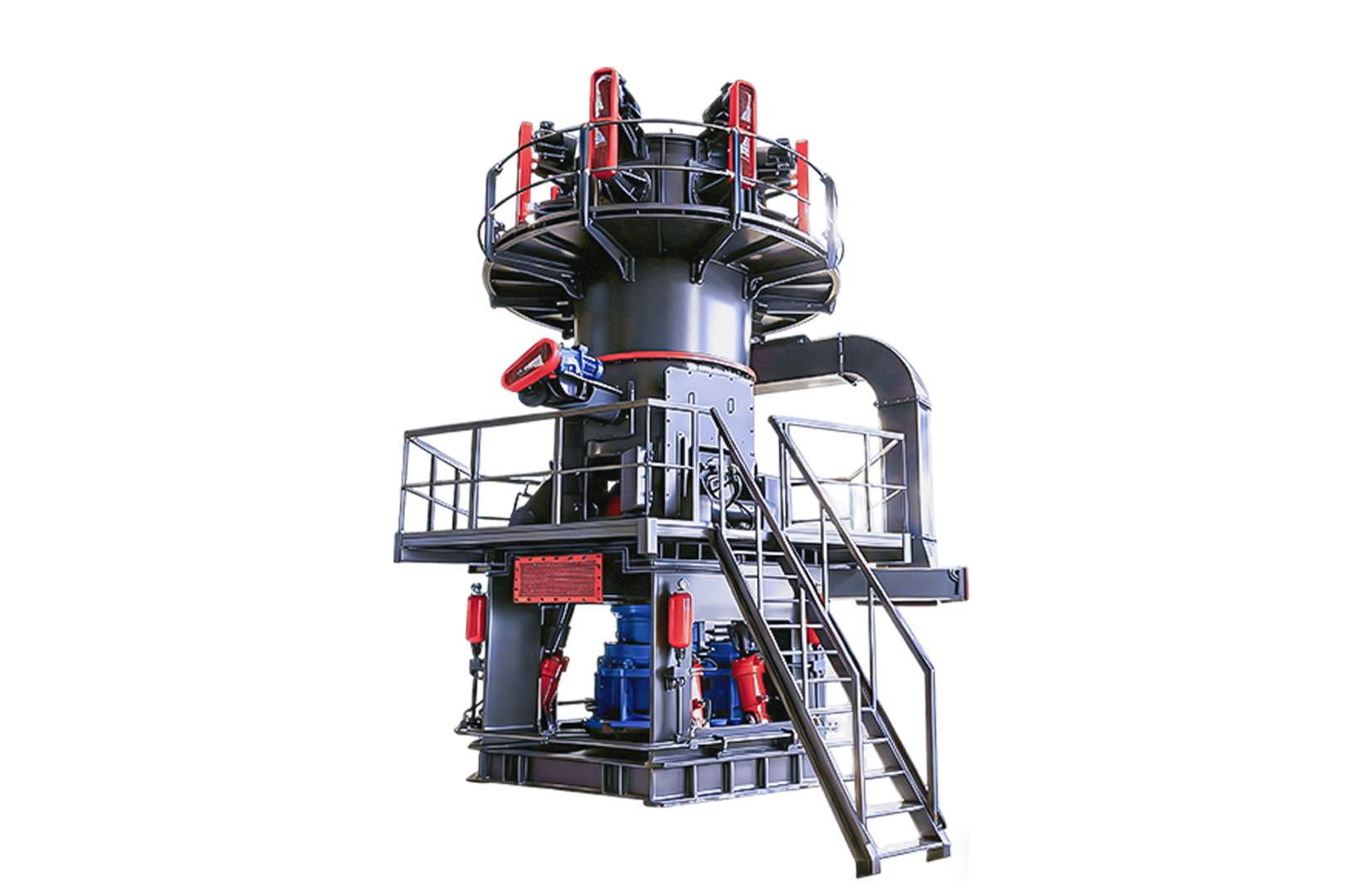
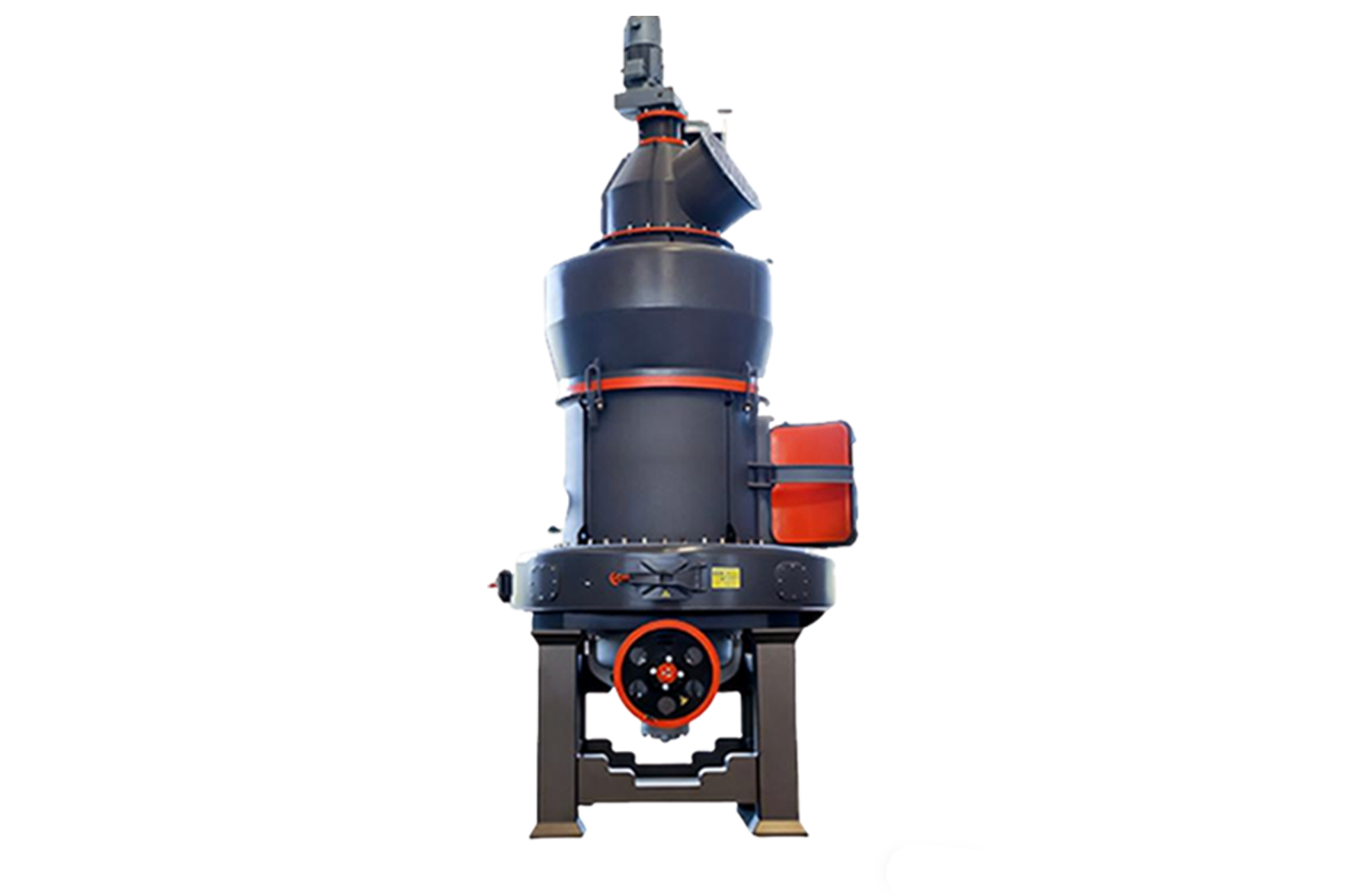
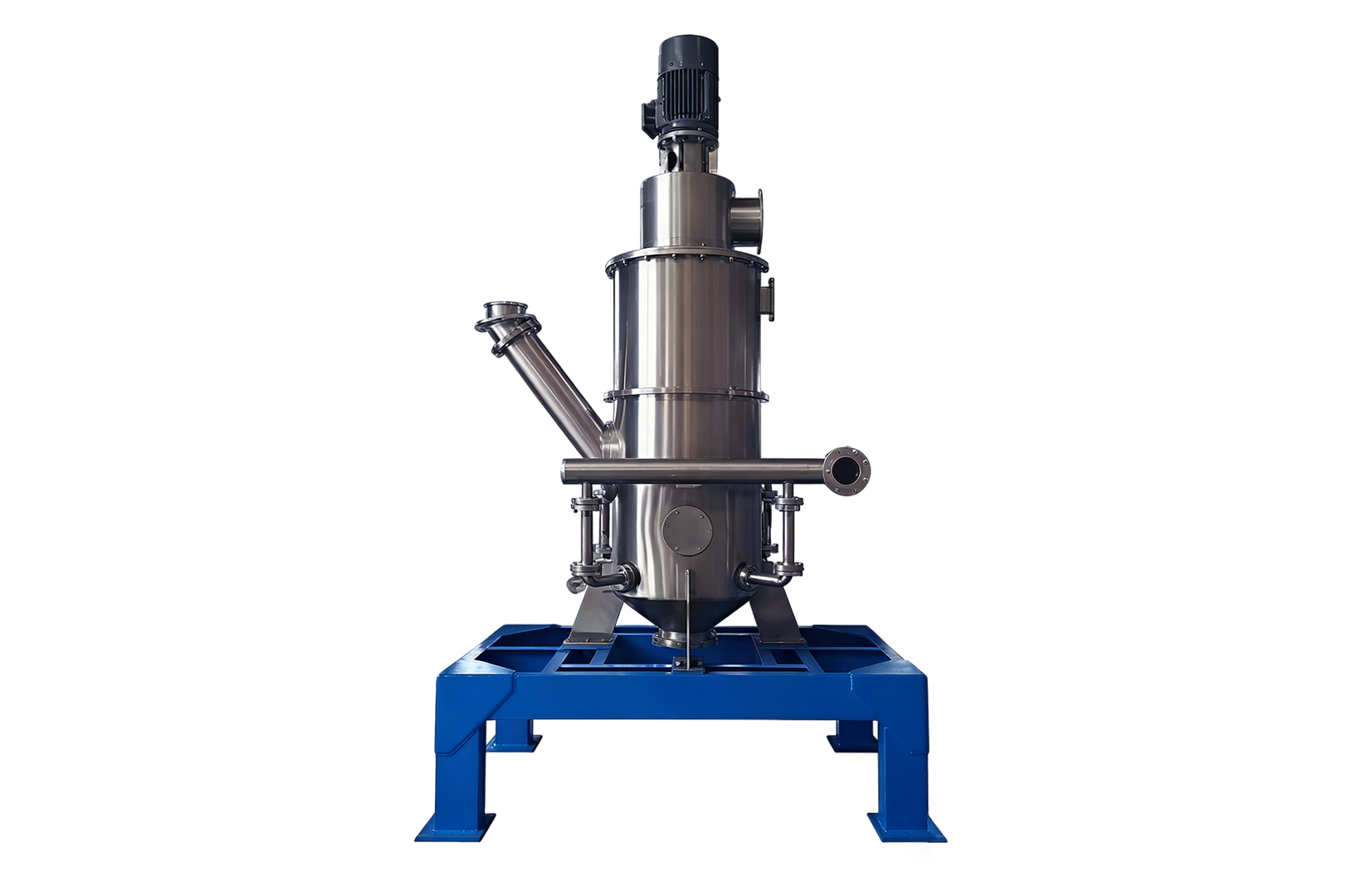
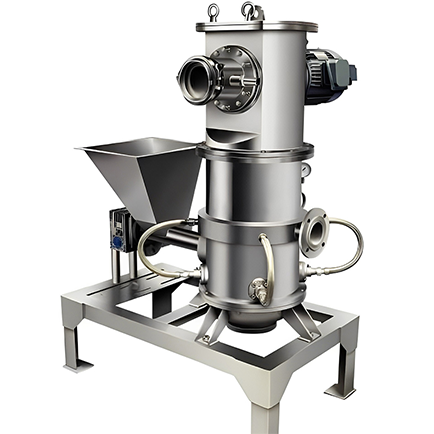
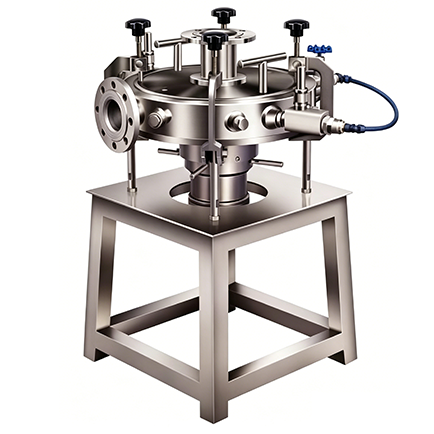
CLJM-L Fluidized Bed Air Jet Mill is a dry ultrafine grinding system that accelerates feed with compressed-gas nozzles, uses particle-to-particle impact in a fluidized bed, and separates fine powder with a dynamic classifier. It serves dry, brittle, hard, abrasive or heat-sensitive materials where particle-size target, gas utility and collection scope are selected together.
MODEL SELECTION
Which CLJM-L size and operating route best fits material behavior and target fineness?
| Feed and output window | Feed up to 5 mm; output 0.5–75 μm. |
|---|---|
| Model range | CLJM-100–800: 0.5–600 kg/h, 3–40 m³/min air and 0.75–0.85 MPa. |
| Le choix le plus adapté | Dry brittle, hard, abrasive or heat-sensitive materials needing dynamic classification and pretreated flowable feed. |
| Selection recommendation | Start with a material trial and select model from target capacity and fineness together; include gas and collection scope. |
SYSTEM SCOPE
What must be included to make the CLJM-L result repeatable and quote-ready?
| Gas route | Compressed-air or nitrogen treatment with filtration, drying and cooling. |
|---|---|
| Collection and control | Dynamic classifier, cyclone or bag filter, closed discharge, controls and safety. |
| Tradeoff | Mill-only scope can understate utility and collection cost; high-purity, combustible or hygienic duties add lining, inerting, containment or dust-control scope. |
| Acceptance recommendation | Write material, gas, collection, safety and acceptance metrics into the equipment package before release. |
COMPLETE SPECIFICATIONS
Use the model range, feed window and gas demand together when sizing the system.
| Nom du produit | CLJM-L Fluidized Bed Air Jet Mill |
|---|---|
| Model / part number | CLJM-L |
| Catégorie de produits | Fluidized Bed Air Jet Mill |
| Feed window | 50–325 mesh listed feed size; maximum feed particle size 5 mm |
| Capacité | 0.5–600 kg/h by model |
| Finesse de sortie | 0,5 à 75 μm |
| Air consumption | 3–40 m³/min by model |
| Working pressure | 0.75–0.85 MPa |
| Material-contact and lining scope | Selected for hardness, abrasiveness and contamination limits |
| Traceability and packing | Model, configuration, inspection and export packing are recorded in the order scope |
APPLICATIONS & EQUIPMENT
Use the fluidized-bed route when the feed, particle-size target, gas and collection boundary fit the process.
Dry, brittle mineral feeds such as quartz, alumina or silicon carbide can use a fluidized-bed route when particle size, wear protection and collection conditions are selected together.
Particle-to-particle impact and classifier control suit dry powders whose temperature limit is part of the material-trial brief and operating window.
The system uses no mechanical grinding media; contact materials, gas treatment and collection design are selected around the required contamination limit.
MATERIALS & MANUFACTURING
Material-contact and lining choices affect wear, contamination control and cleaning scope.
Ceramic or wear-resistant lining can be selected for abrasive duties; final contact material is matched to the feed.
System configuration covers jet nozzles, fluidized-bed grinding, dynamic classification, collection and controls.
Surface and lining options are selected for contamination, wear and cleaning requirements.
PERFORMANCE & WORKING CONDITIONS
Ranges below are model-selection inputs; material trials set the practical particle-size and temperature window.
CUSTOMIZATION
Four configuration areas connect the requested result to a quote-ready equipment scope.
USE & SAFETY INSTRUCTIONS
Startup, monitoring and maintenance keep gas, feed, classification and collection within the selected operating window.
Keep feed dry and free-flowing, remove foreign matter and prepare it for the listed feed window. Review material hardness, abrasiveness, heat sensitivity and dust behavior before startup.
Use filtered, cooled and dried process gas. Inspect nozzles, classifier, feeder, collection equipment and isolation points; start gas treatment and collection before feeding material.
Run gas, feeder, classifier and collection in the approved sequence. Track pressure, feed rate, product temperature, collection condition and particle-size result; stop for abnormal pressure, temperature or dust behavior.
Stop feed before the mill sequence is stopped. Isolate and depressurize before opening; inspect nozzles, lining, classifier, seals and filters, and record wear and cleaning work.
PURCHASING CONDITIONS
The quotation records the configured model, process duty, utilities, collection and delivery scope.
PRE-SALES & AFTER-SALES SERVICE
Project support follows the material, equipment and delivery scope selected for the system.
Material review, grinding trial, model selection, line design and quotation scope.
Order and progress records, quality-control traceability, transport tracking and project archive.
Installation, commissioning, training, technical service and after-sales support for the supplied system.
FACTORY & MANUFACTURER
Manufacturer identity and service scope are part of the buying decision.
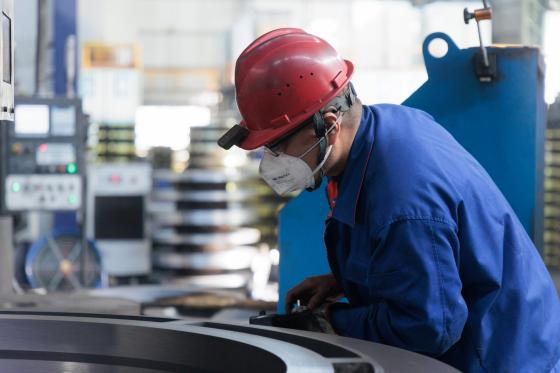
Shanghai Clirik Machinery Co., Ltd. develops, manufactures and sells grinding equipment for non-metallic powder processing and supports customized grinding solutions, line design, installation, commissioning, training and after-sales service.
REQUEST A TECHNICAL QUOTE