 Clirik




Rechercher
Anyone who works in mineral powder processing knows that “barite mill” is actually a rather vague word, and it does not refer to a specific piece of equipment. If you go looking for a machine based solely on this name, you won’t be able to figure out the internal structure of the main unit, how fine it can be ground, let alone how to build the entire system. To decide on a truly useful barite grinding mill, we still need to break and crumple up the specific model and technical parameters.
The main component of natural barite is barium sulfate (BaSO₄), with a specific gravity of about 4.5 and a Mohs hardness between 3 and 3.5. But the reality is that the raw ore that has just been dug cannot be that clean. There must be impurities such as quartz, calcite, fluorite and even iron oxide (gangue) in it. Mixing these things in will directly reduce the purity and density of the material, and even make it extremely machine-intensive (highly abrasive), and even the mineral processing technology at the end must be changed. So, if you take freshly mined raw ore, concentrate after beneficiation and purification, or dry materials that have met the standards and put them into the mill, can the grinding conditions be the same? They are completely different things. Also, don’t get confused. The powder ground from natural ores is completely different from the barium sulfate produced by precipitation in chemical plants. Regardless of the source, purity or who is sold downstream, the difference between the two is 180,000 miles.
If the barium sulfate content, density or impurities in the raw ore are so bad that they cannot be seen and do not meet the requirements of the finished product, then before entering the mill, you have to go through washing, re-selection, magnetic separation or flotation first. Remember, the mill is only responsible for turning large stones into powder. It does not have that special function “purification and whitening” and can absolutely not replace mineral processing. In addition, if your material has a high moisture content or is particularly prone to sticking together, you still need to calculate this in advance: should you add a pre-drying process, or is the system’s built-in drying capacity sufficient to deal with it?
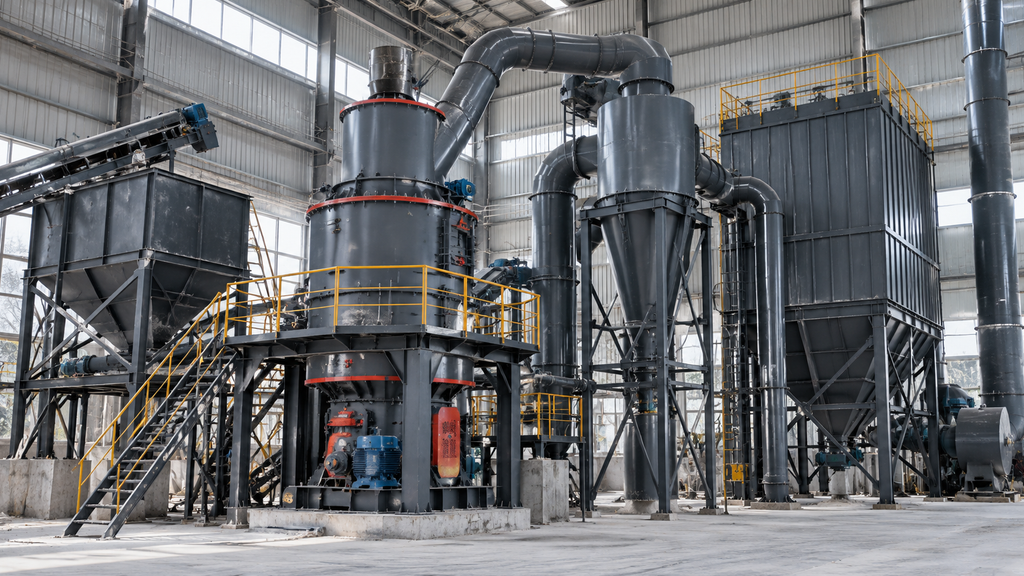
Before the raw ore enters the mill, it usually needs to be coarsely crushed and sieved by a barite crusher to break up the large pieces and make them into a size that the mill can eat. A complete dry grinding production line is definitely not just a one-size-fits-all process. You need to equip it with a feeder, grading system, fan, cyclone separator or bag dust collector, and finally you have to sew the conveying, warehousing and packaging links at the back. In this system, the main machine only cares about grinding the powder, while the dirty and tiring work of controlling the discharge thickness and beating back the coarse particles that are not ground properly for remilling is actually done by the classifier. So, just by announcing the name of the host, you can’t imagine what the whole line looks like.
(By the way, the basic standard equipment of the classic industrial-grade barite grinding and grading system is: mill main unit + cyclone separator + various pipelines + bag dust collector.)
The final sales of your fans determine which parameters you should focus on. Take barite used in drilling for example. Party A is closely monitoring the density, the screen allowance above 75 microns, the proportion of particles below 6 microns, and the water-soluble alkaline earth metal content. I often have clients asking: “What grinding mill is suitable for 325 mesh barite powder production?” To be honest, what’s the point of just saying “it can sharpen 325 eyes”? There’s no way to prove that your product can dominate the world. And in the drilling fluid industry, the finer the powder, the better. Of course, if you’re targeting ultra-fine weighted material at the level of mi wate ultra fine grind, that’s another much more demanding way to play.
Take a different approach. If your barite is intended to be used as a coating or rubber filler, then your focus should be on whiteness, purity, particle size distribution, oil absorption, moisture content, and whether the color can be stabilized. Conversely, if it is to be mixed into radiation-proof high-density concrete, people prefer coarser particles. At this time, your center of gravity should not be placed entirely on the mill. The crushing and screening process in front is the main focus.
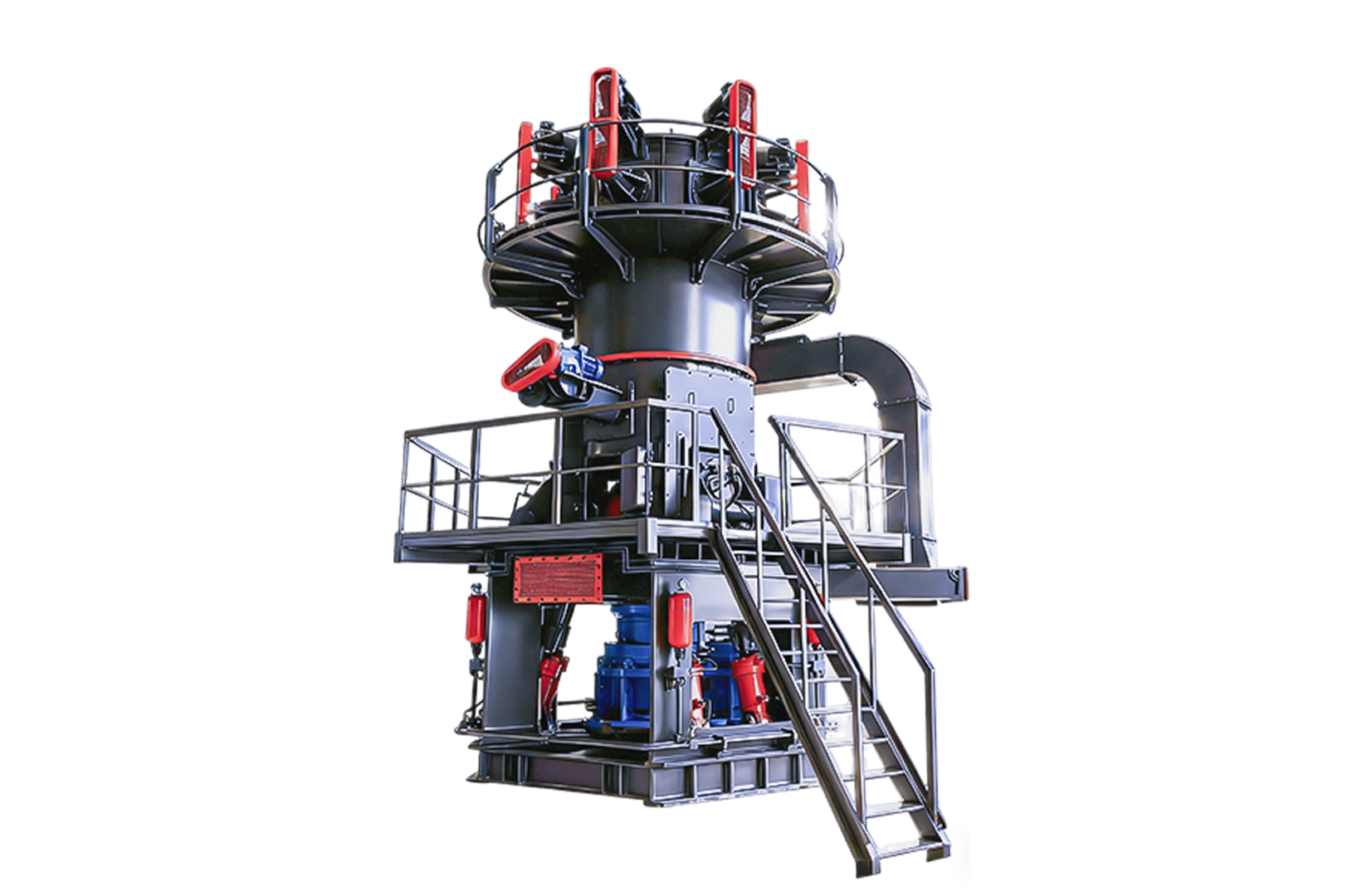
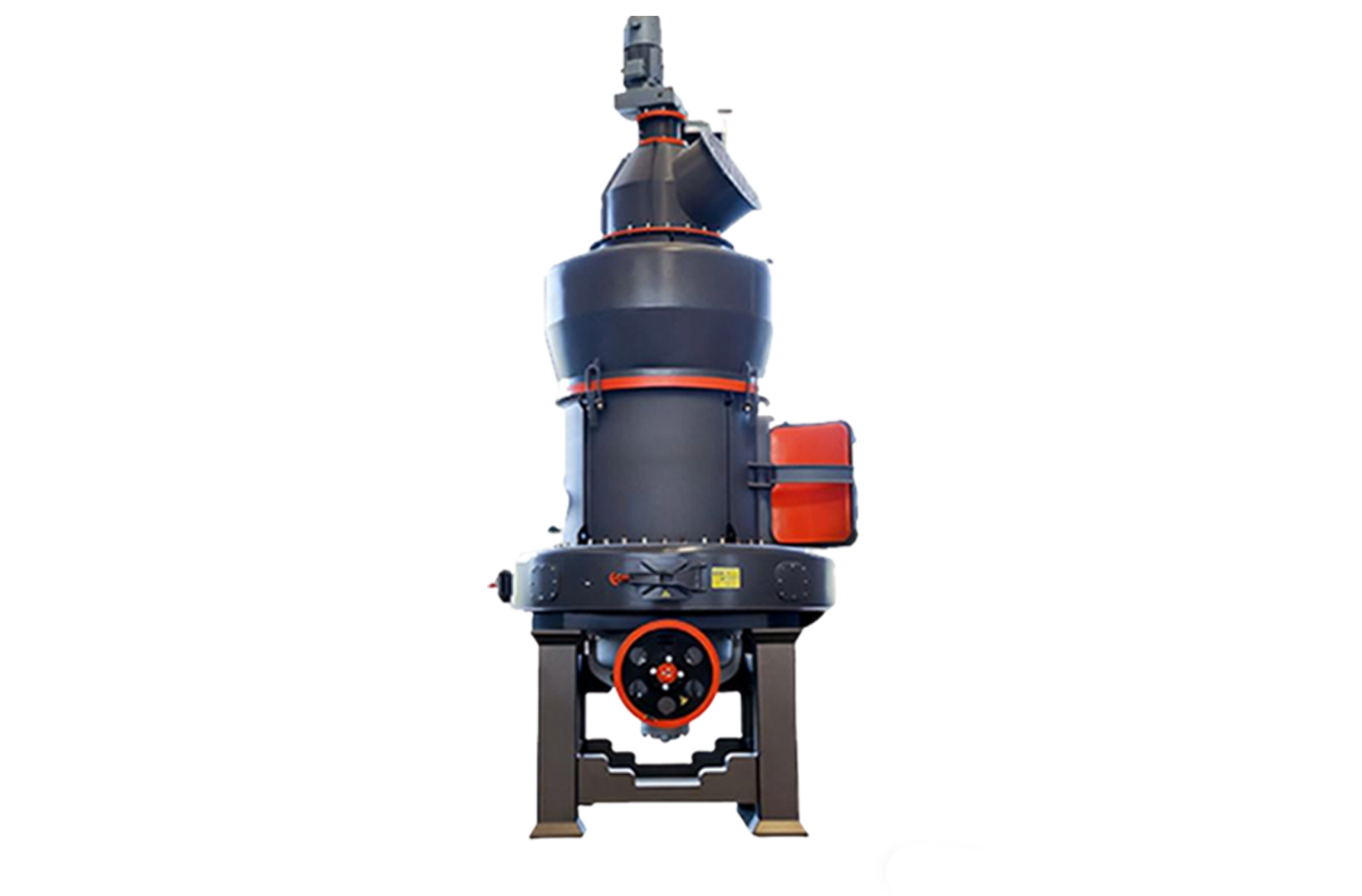
Friends who have just entered the industry are most confused and often search for “what grinding mill arms are commonly recommended for barite powder processing”? Don’t rush to choose a brand; choosing the right type of machine first is the real deal. If you want to dry regular dry fine grinding, a Raymond mill or a roller mill can basically handle it. However, if you encounter orders that require continuous rotation without stopping or have extremely high production requirements, such as wanting the manufacturer to recommend a grinding mill for 15 tph barite powder production, At this time, a vertical roller mill (vertical mill) is often more stable. However, vertical grinding is not a closed-eye purchase. You also have to take into account the moisture content, hardness, fineness of the material, and wear and tear of the machine. When encountering such complex and complex selections that make people feel overwhelmed, veterans in the industry usually use tools or routines similar to millmatch to accurately check the parameters before making any adjustments.
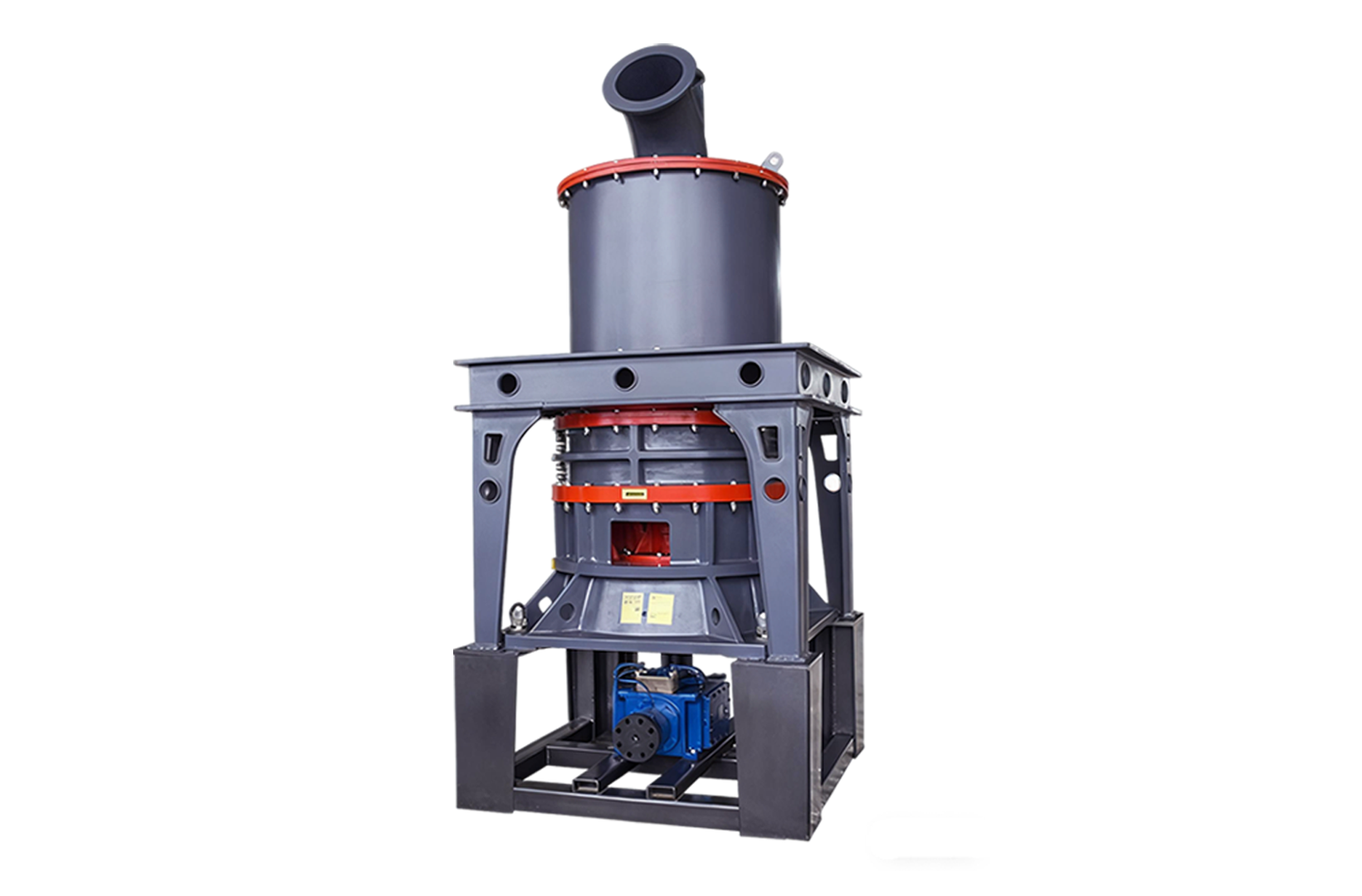
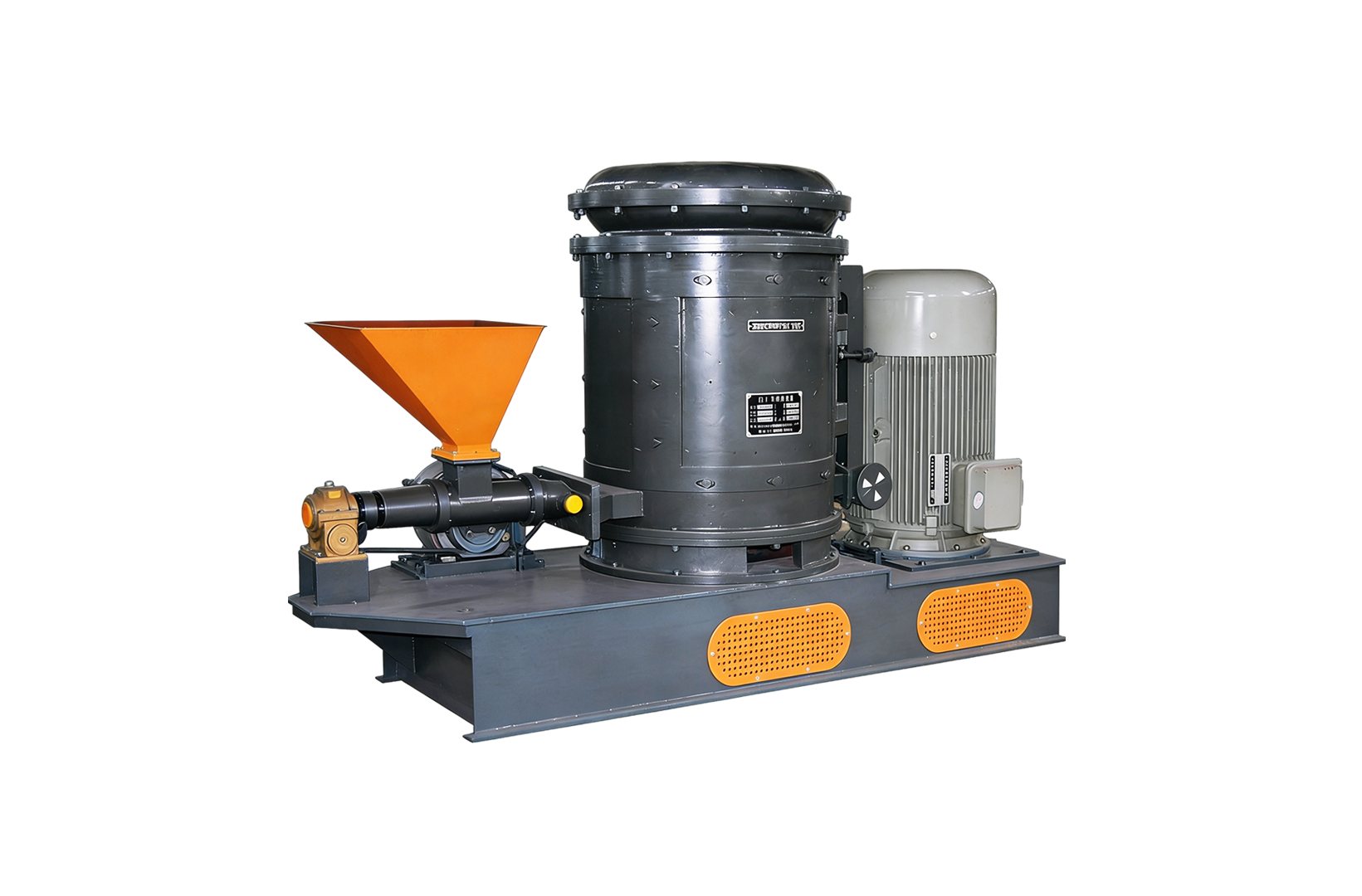
If you want a finer micronized powder, you have to turn your attention to a micronized powder mill or an ultrafine vertical mill. At this time, your nerves must be tense, and you must keep a close eye on whether the classifier is accurate, whether the system circulation load is large or small, whether the machine heats up violently or not, whether it wears out quickly or not, and most importantly—— whether the powder will clump together and stick together. If you require extreme fineness, or if your customers have zero tolerance for impurities such as rust from mechanical contact “zero tolerance”, then air jet milling is definitely the first choice. But air mills are also true to their name “electric tigers”. Before using them, you’d better take a calculator and check the cost of compressed air, the overall electricity bill, the output, and the feed requirements to see if you can handle the profits.
Finally, if you ask all over the world what ore grinding mill manufacturers provide equipment for barite and dolomite?, take my advice: first take these clear indicators and the plan of the entire line, and then go to the manufacturer to discuss the plan. Don’t ask if you don’t understand anything, otherwise you will run into a pitfall sooner or later when you encounter a manufacturer that only sells individual machines and doesn’t care whether your entire system is working or not.