 Клирик






Поиск
“barite mill” is often used as a general term for barite grinding equipment and does not correspond to a unified model. The name cannot specify the host structure, target size, or complete system configuration; the specific scope must be determined by model and technical specifications.
Natural barite is mainly composed of BaSO₄, with a specific gravity of about 4.5 and a Mohs hardness of about 3–3.5. Gangue stones such as quartz, calcite, fluorite and iron oxide will affect the purity, density, abrasiveness and selectivity of raw materials. Therefore, the grinding conditions for raw ore, concentrate after beneficiation and dry materials that have met the grade requirements are different. Natural ore powder and barium sulfate produced by chemical precipitation are not the same material; the two differ in raw material source, purity control, and application requirements.
If the BaSO₄ content, density or gangue of the raw ore does not meet the product requirements, it may be subjected to mineral processing such as washing, gravity separation, magnetic separation or flotation before grinding. Grinding only reduces particle size and cannot replace mineral processing; materials with high moisture content or easy adhesion also need to be evaluated for pre-drying or system drying capacity.
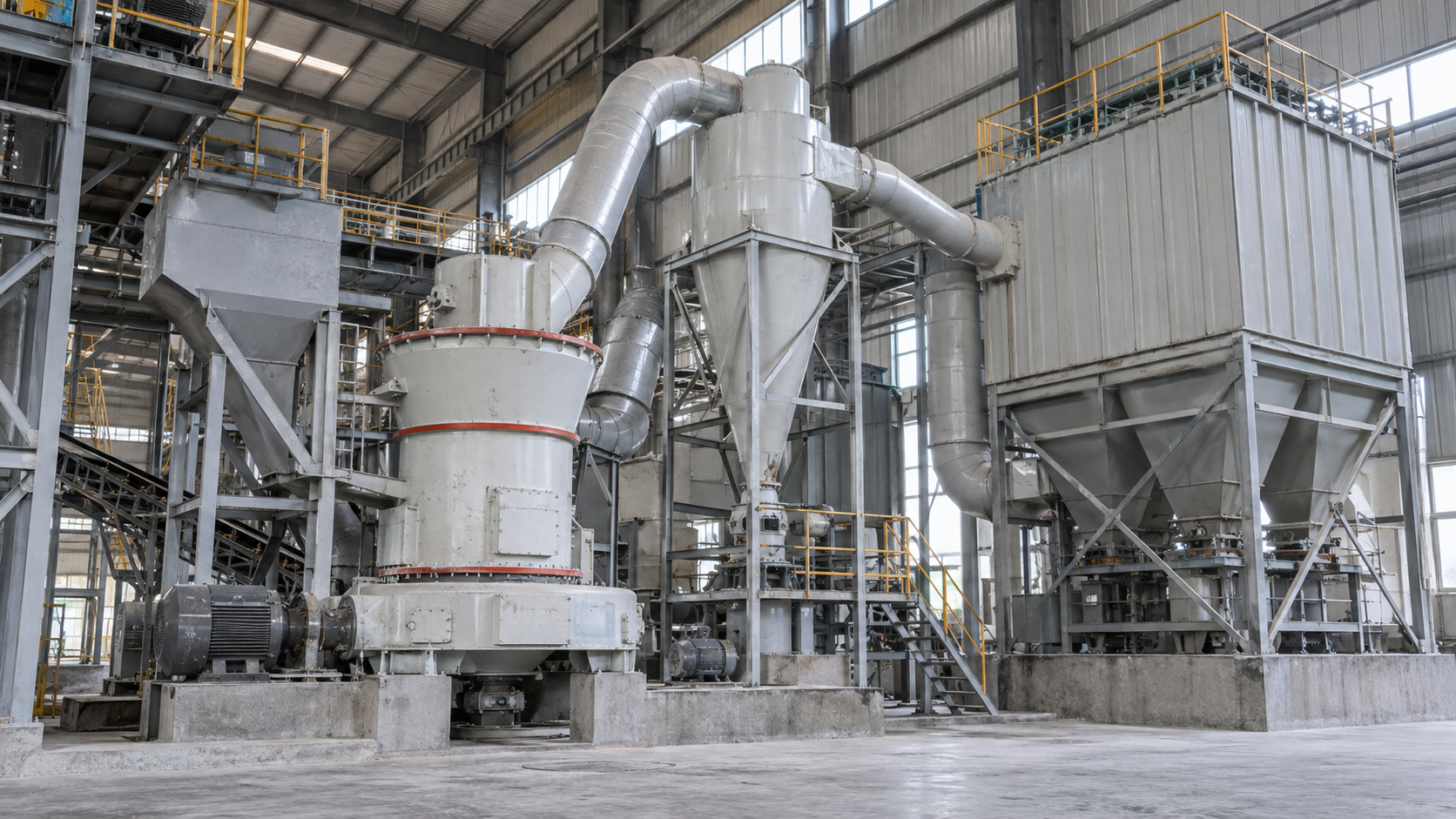
Raw ore is usually crushed and screened first to make the grinding particle size suitable for subsequent equipment. Dry grinding systems can be equipped with feeders, main engines, grading systems, fans, cyclone separators, or bag collectors, and can be connected for conveying, storage, and packaging. The main unit reduces particle size, controls product particle size distribution in stages, and returns coarse particles to the grinding area; the main unit name alone cannot represent the entire production line.
Drilling-grade barite is measured by density, residual above 75 μm, particle ratio below 6 μm, and water-soluble alkaline earth metals.“ 325 mesh”A single item cannot prove that all requirements are met, and the finer the product, the better.
Fillers such as coatings and rubber may focus on whiteness, purity, particle size distribution, oil absorption, moisture content, and color stability. Barite for high-density concrete may use coarser particles, and the focus of treatment may also be on crushing and screening.
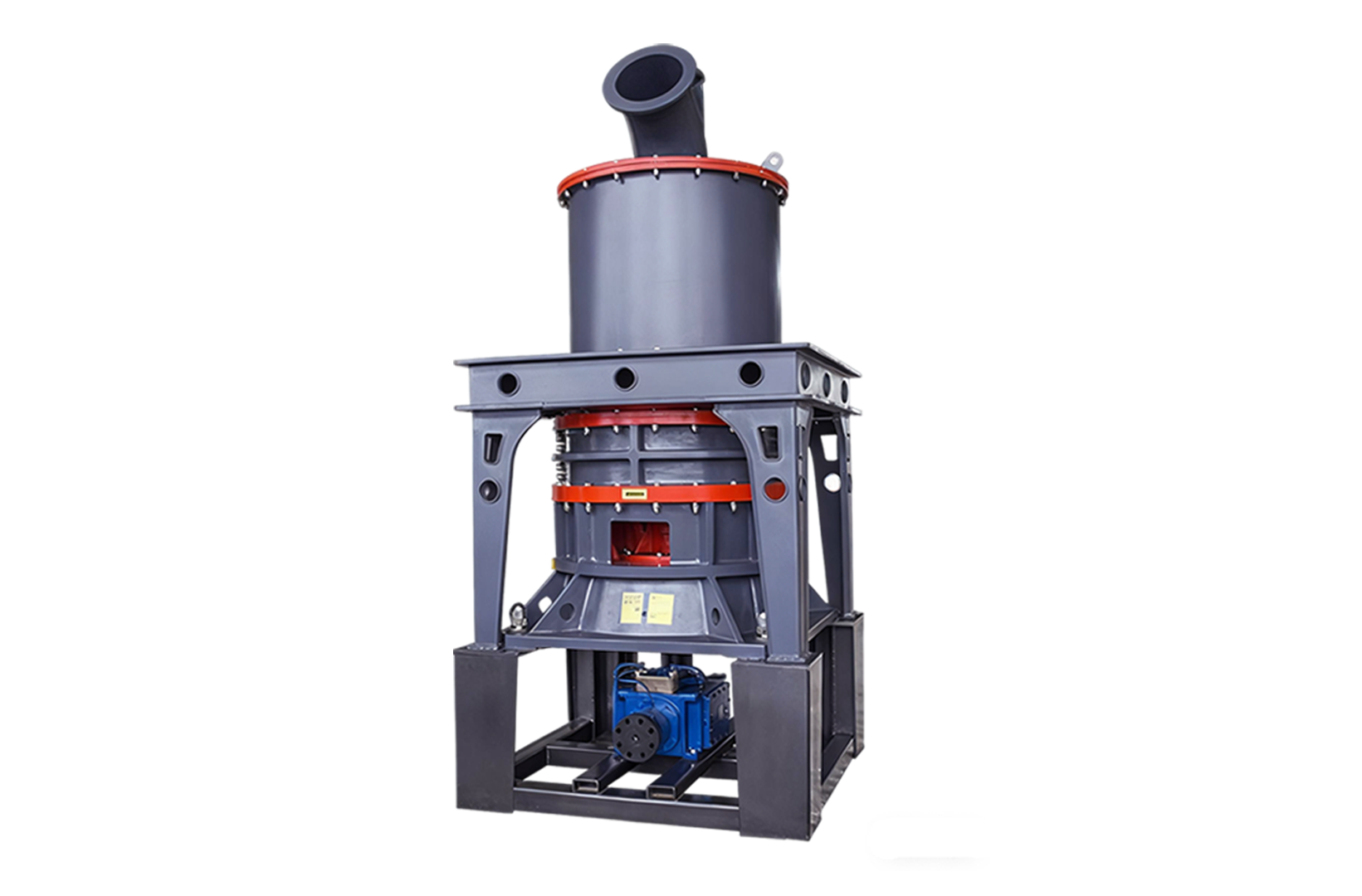
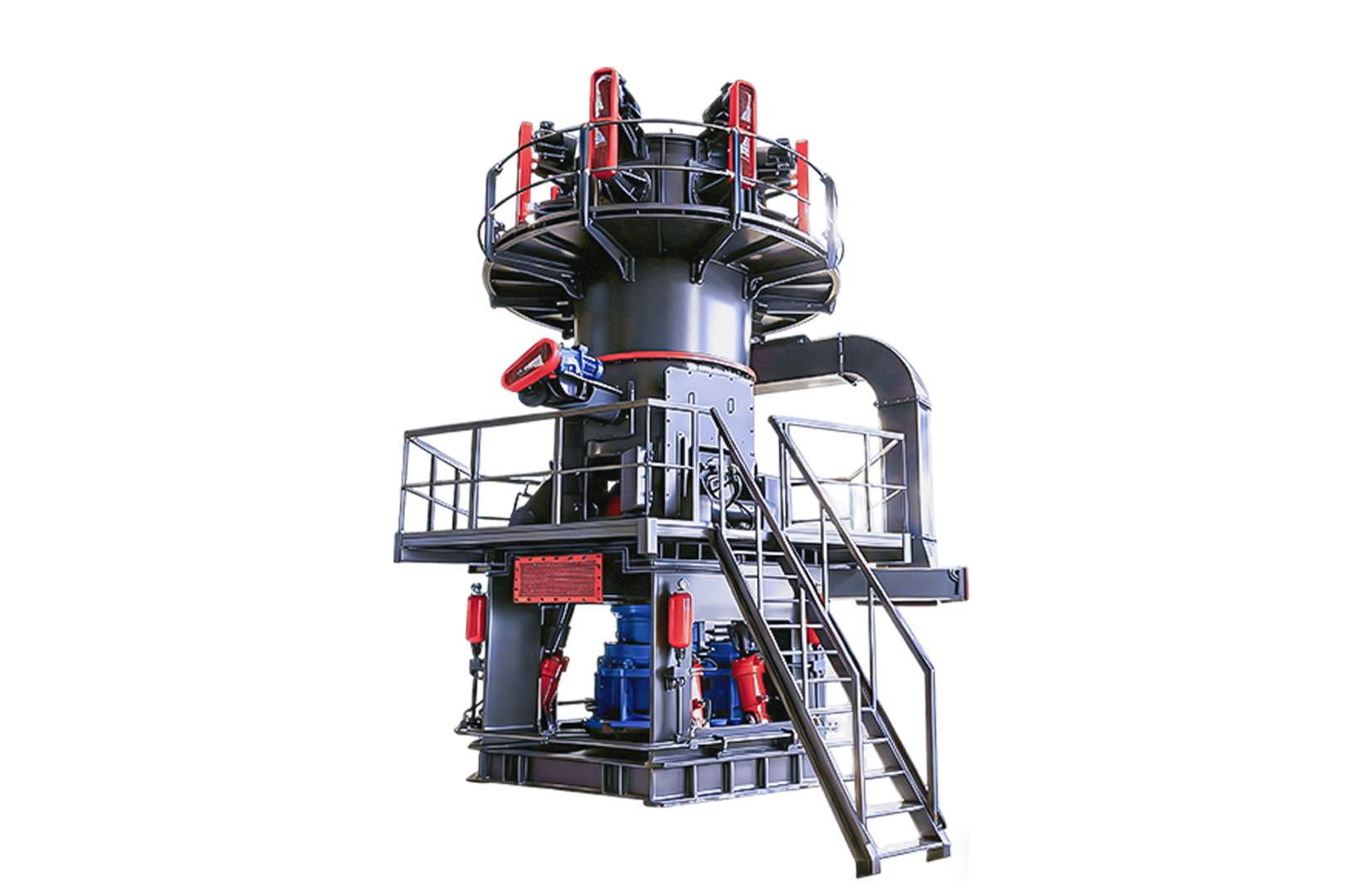
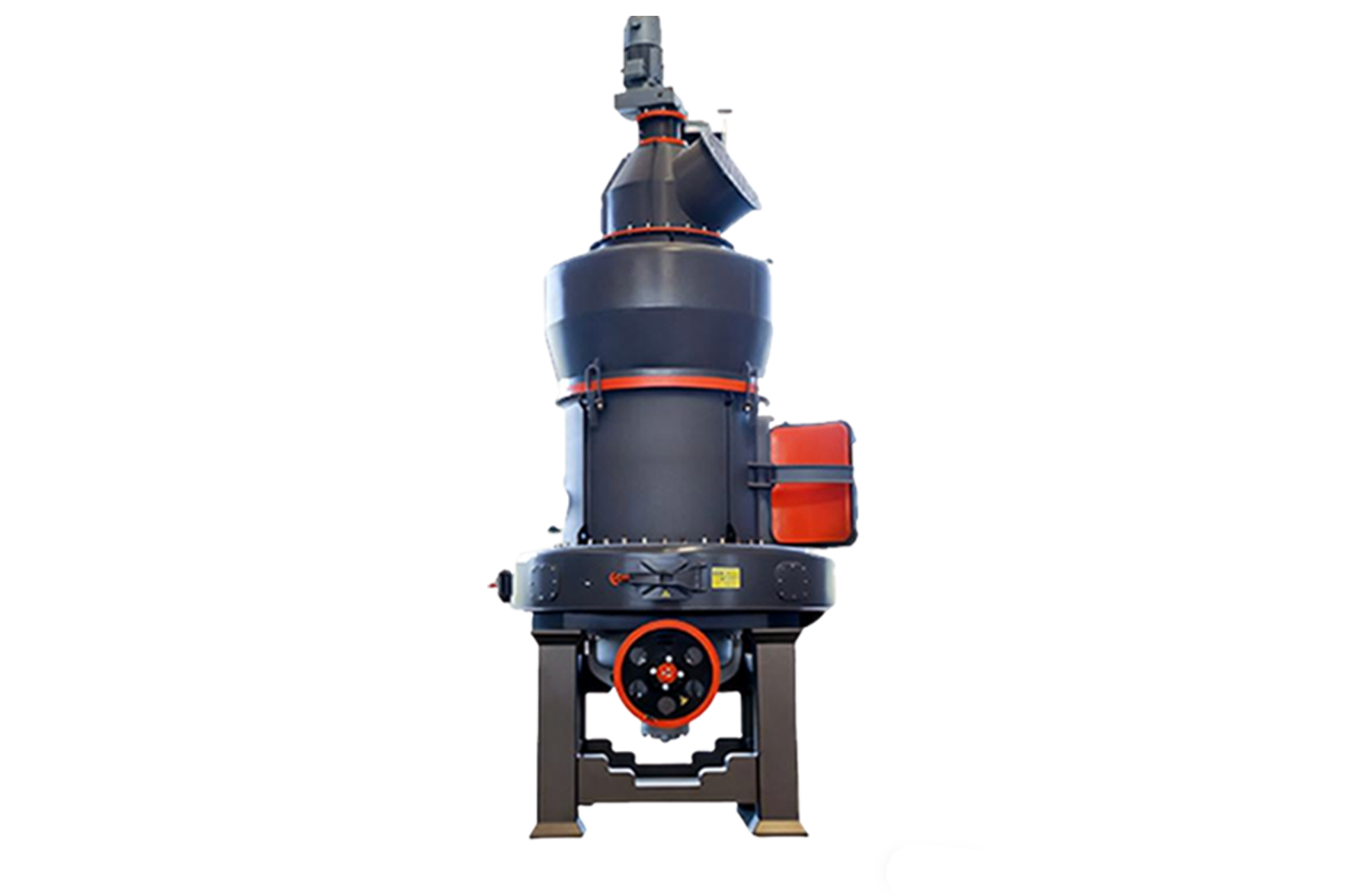
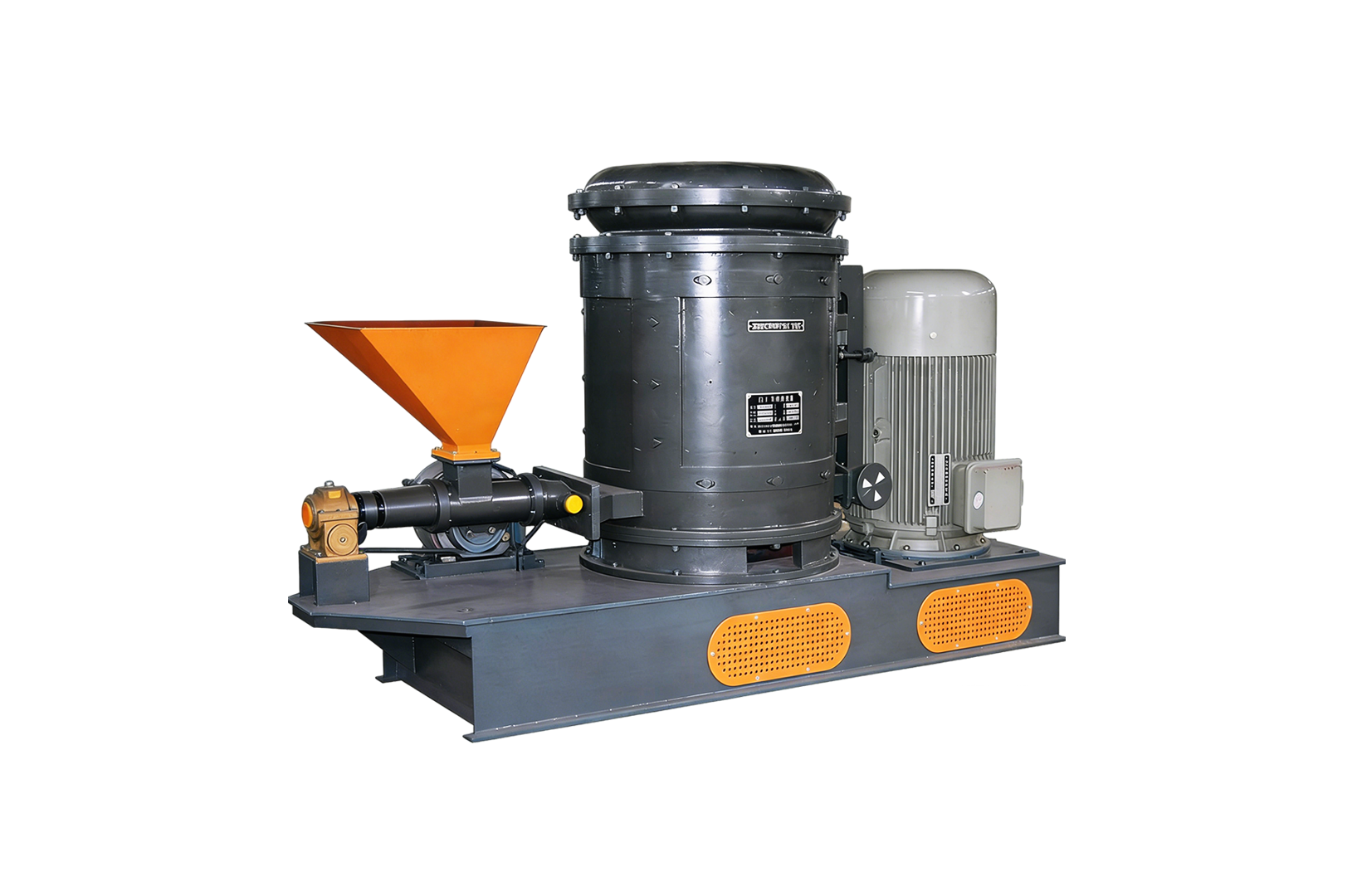
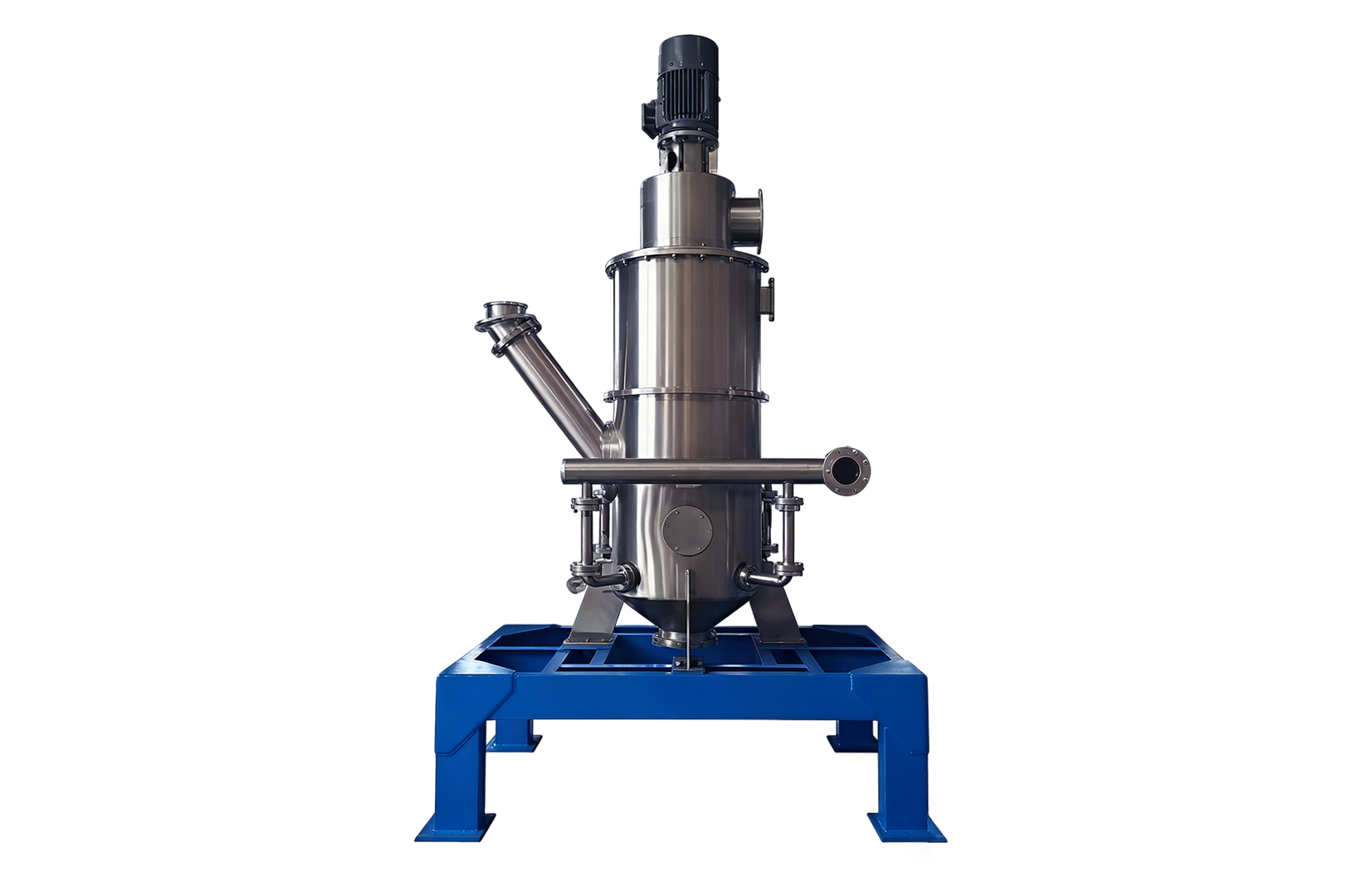
Conventional fine dry grinding can be compared with Raymond mill or pendulum roller mill; continuous operation or large processing volume scenarios can evaluate vertical roller mill, but it still needs to be judged in combination with moisture, hardness, target particle size and wear conditions. Finer powders can be considered for micro-grinding or ultrafine vertical grinding, focusing on grading accuracy, cyclic load, temperature rise, wear and agglomeration. Airflow mills can be used in scenarios with finer particle sizes or sensitivity to mechanical contact contamination, while also evaluating compressed air, energy consumption, processing volume, and feedstock conditions.