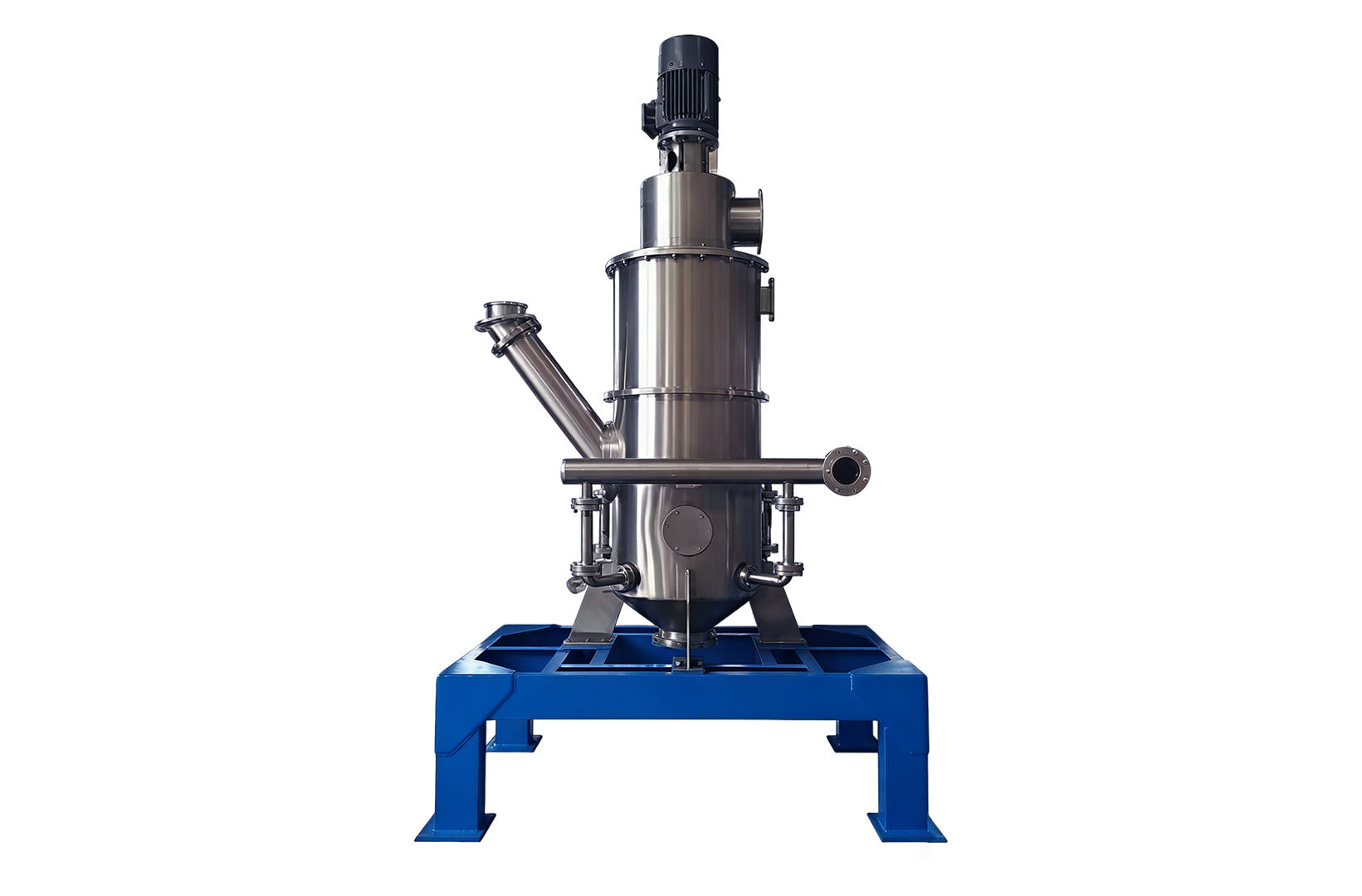
 Clirik




Buscar
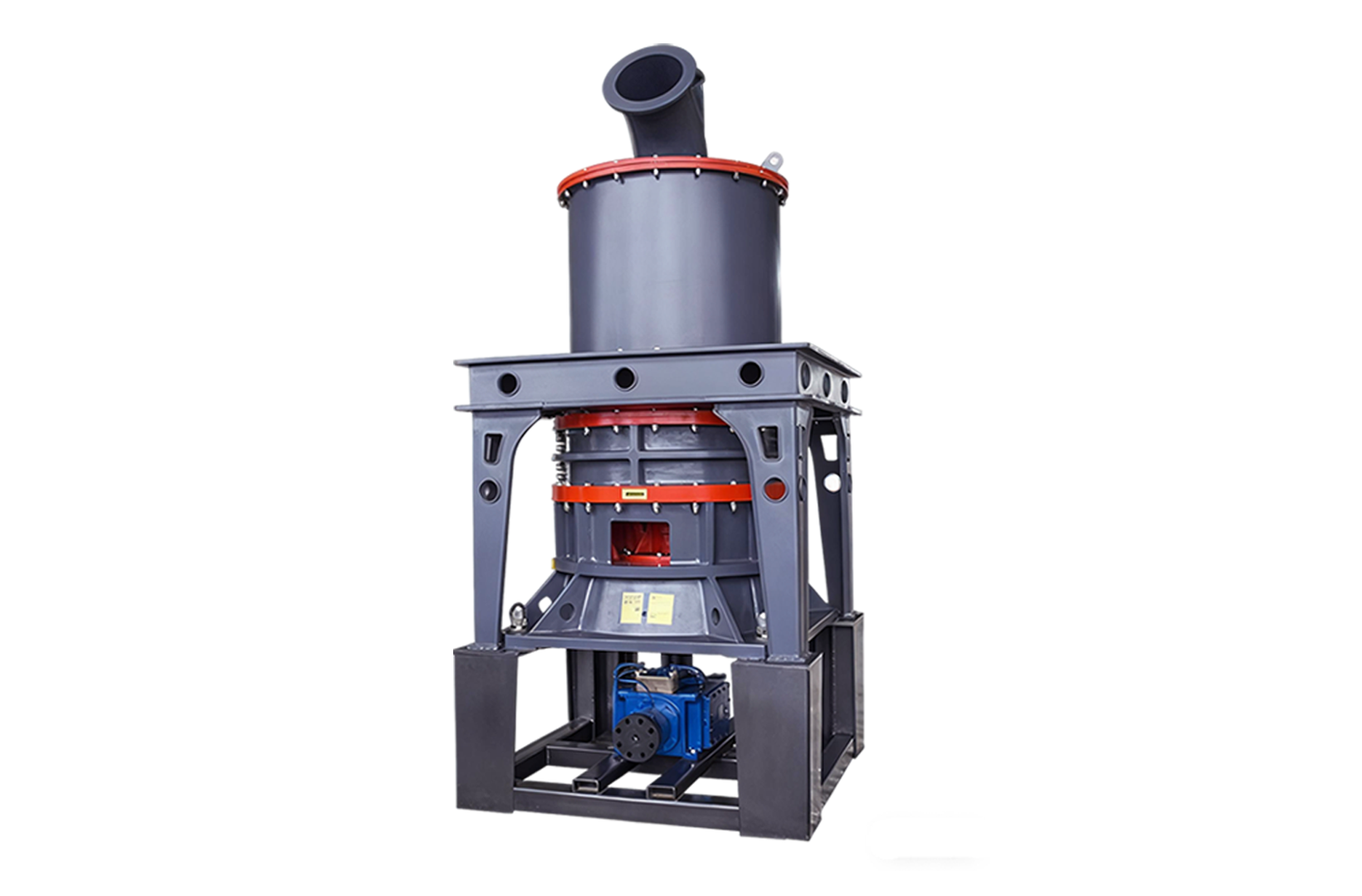
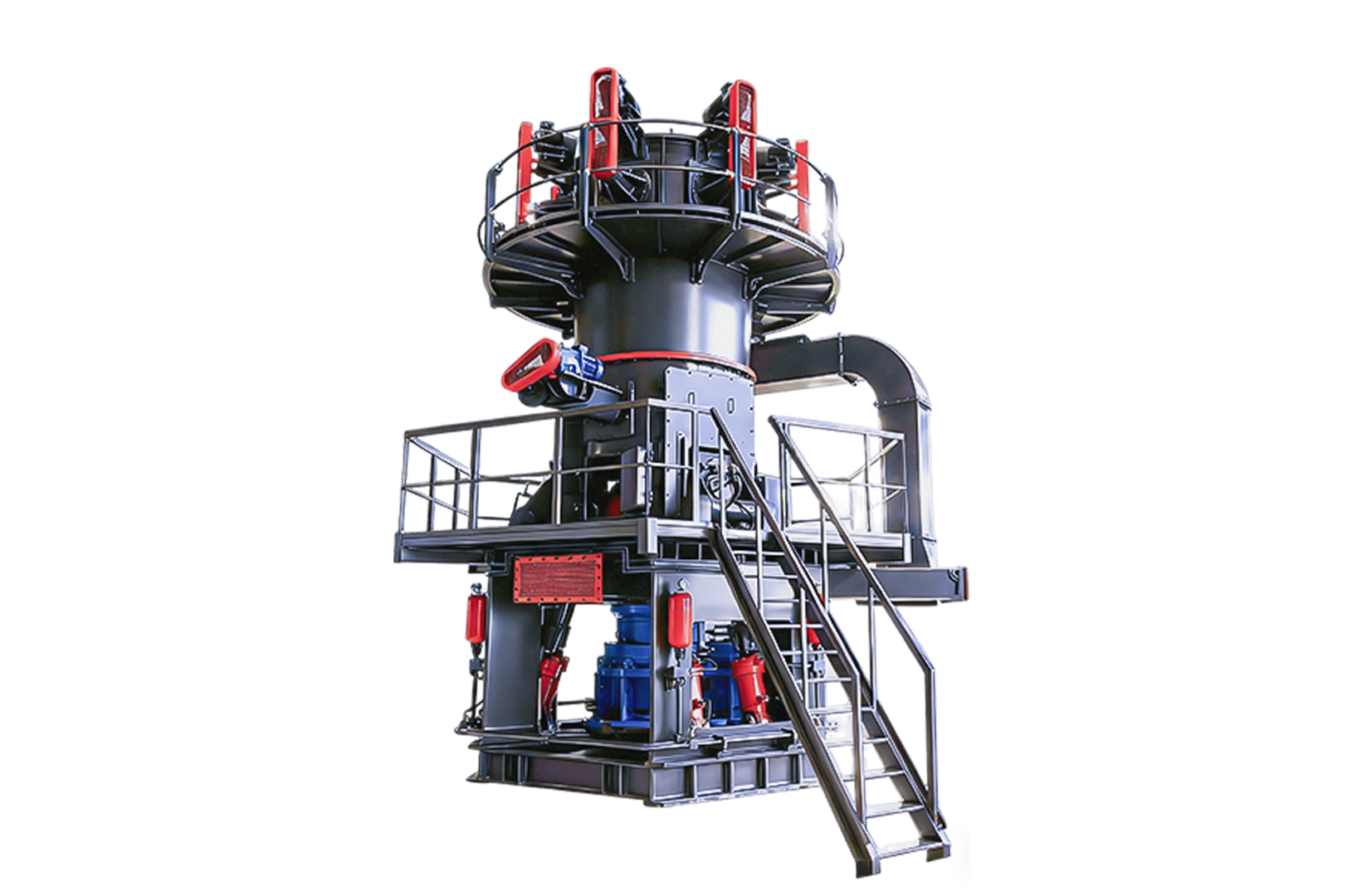
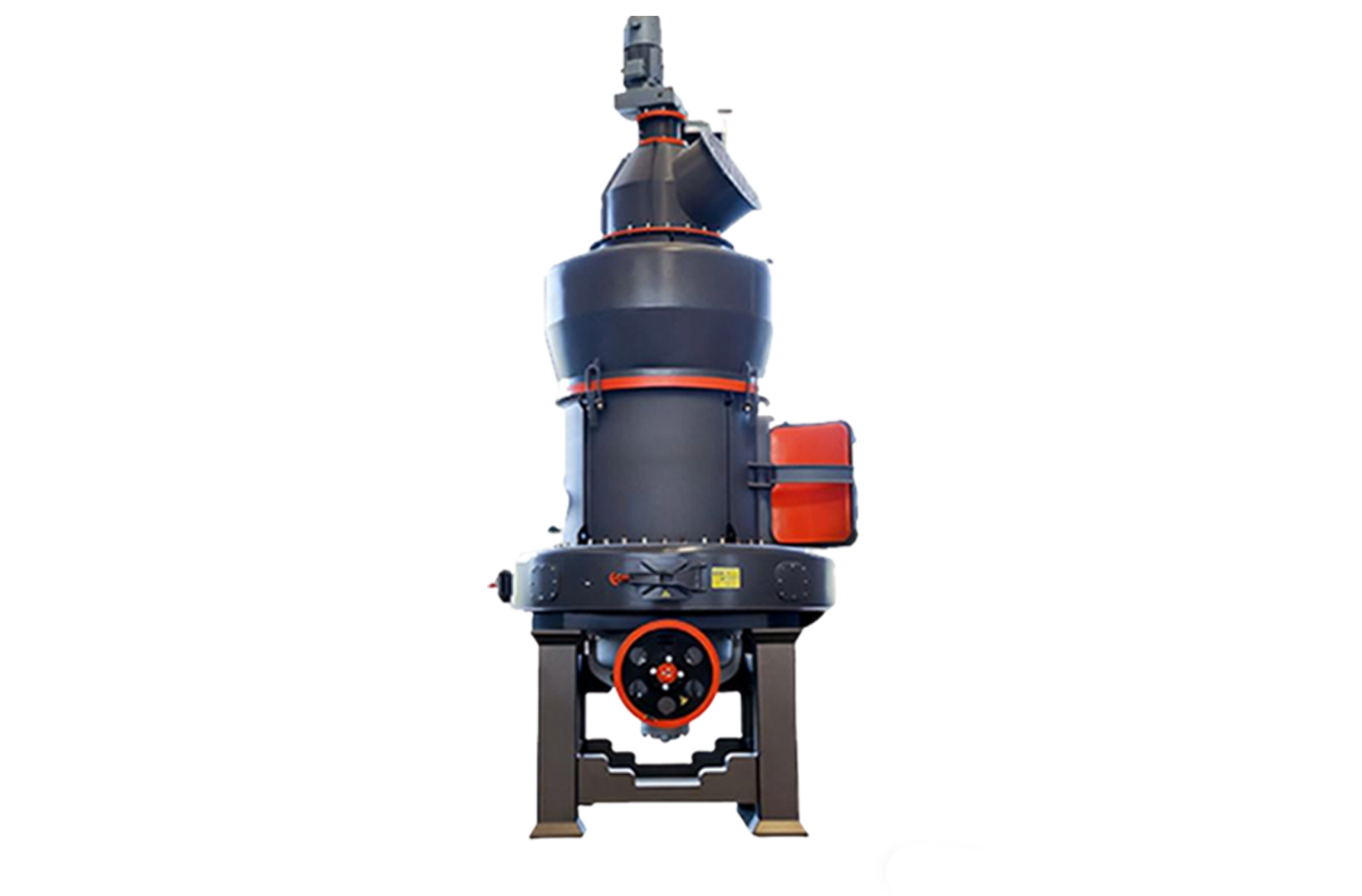
CLIRIK is Shanghai Clirik Machinery Co., Ltd.The brand mainly deals in industrial grinding and powder processing equipment. The three main product lines are CLRM Raymond mill for conventional mineral fines, HGM ultrafine ring roller mill with multi-layer grinding rings, and CLUM ultrafine vertical mill with grinding disc bed grinding. Around these three types of main engines, Kolyrek also designs production lines that include crushing, feeding, grading, powder collection, and packaging. CLIRIK company official website
Clirik is located in Shanghai, China. The contact address announced on its official website is No. 19 Fuqing Road, Pudong New Area, Shanghai. The company is engaged in the research and development, manufacturing and sales of powder processing equipment. According to the official website, it has more than 20 years of industry experience in this field. The disclosed business is represented by the processing of non-metallic minerals such as calcium carbonate, limestone, and calcite, and its applications cover building materials, as well as mineral fillers used in plastics, rubber, and coatings. The product catalog also includes eddy current grading mills, air flow mills, and powder surface modification equipment. Company Introduction · Product Catalog · Contáctanos
The grinding rollers grind the material in the main machine, and the fan feeds the powder into the classifier. The powder that meets the fineness requirements enters the cyclone collector, and the coarse particles return to the grinding chamber to continue grinding. Clirik used CLRM in a calcium carbonate scheme for conventional fillers with a 80–325 purpose. The fineness range of specific models varies. In the official website parameter table, CLRM9720 is marked as 80–500 mesh, while CLRM2150 is marked as 80–325 mesh. When verifying products, the target details and model numbers should be considered together. Molino Raymond de CLRM · Calcium Carbonate and Limestone Processing Scheme
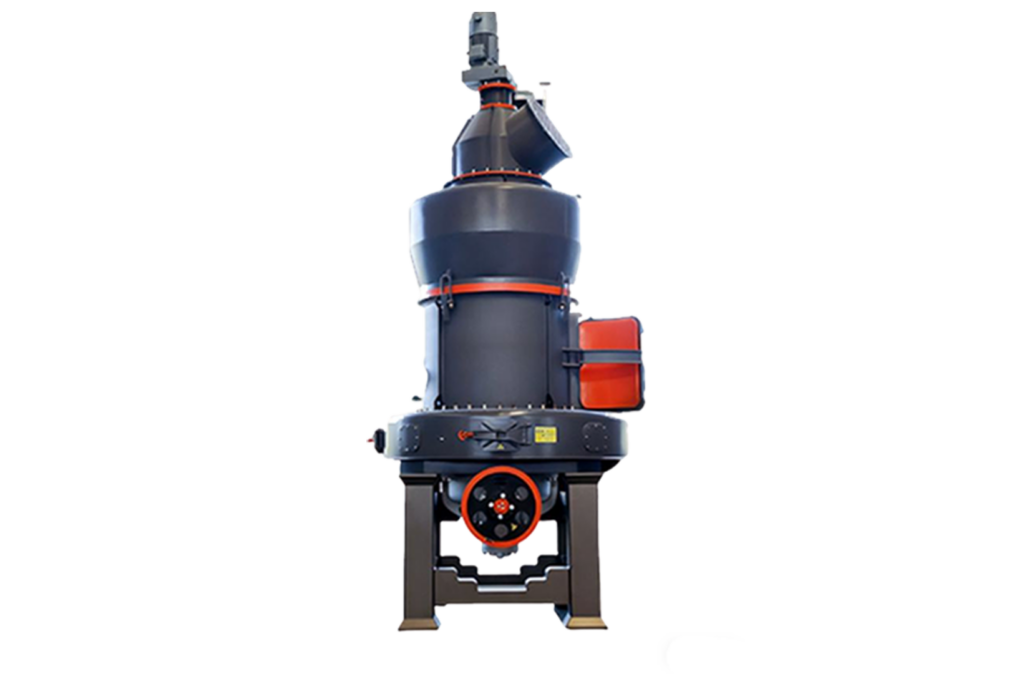
After the material enters the multi-layer grinding ring, it is repeatedly rolled by the grinding rollers. The airflow then brings the powder to the classifier, where the qualified fine powder is separated and collected from the airflow, and the coarser particles return to the grinding chamber. The fineness range indicated on the HGM series product pages is 150–3000 mesh. For specific specifications, please refer to the model list. For example, the HGM100L-II is equipped with four layers of grinding rings, 28 grinding rollers, and a feed particle size of no more than 20 mm in the table. The official website states that the data in the model list comes from feedback from the calcium carbonate powder factory and needs to be re-checked when switching to other materials. HGM ultrafine ring roller mill
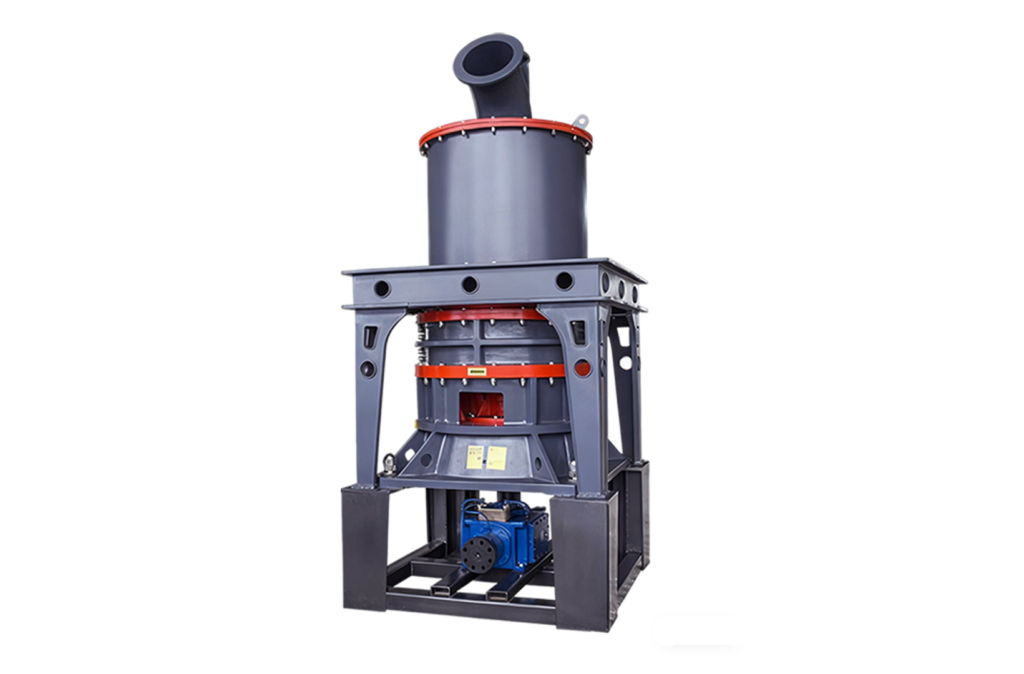
The CLUM grinding disc rotates, feeding the material toward the disc edge. The grinding rollers press on the material layer on the grinding disc, and the fine particles are squeezed and crushed together in the material bed, and then carried into the grading zone by the air flow. The official website lists the series fineness range as 400–3000 mesh, and the model list also lists the output corresponding to different particle size distributions. Taking calcite as an example, CLUM1425 has a listed yield of 9–12 tons/hour when particles smaller than 2 micrometers account for 30%. When this ratio is increased to 60%, the listed output is 3–4 tons/hour. These two sets of data were measured using a laser diffraction particle size analyzer, indicating that the output of the same model should also be read in conjunction with the finished product specifications. Molino vertical ultrafino CLUM
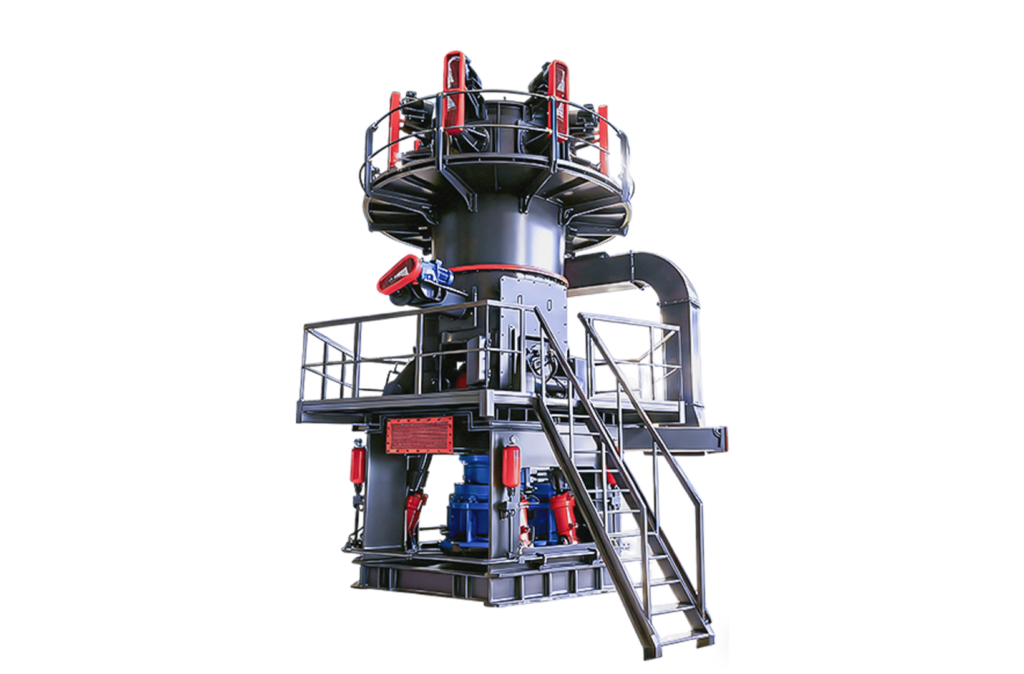
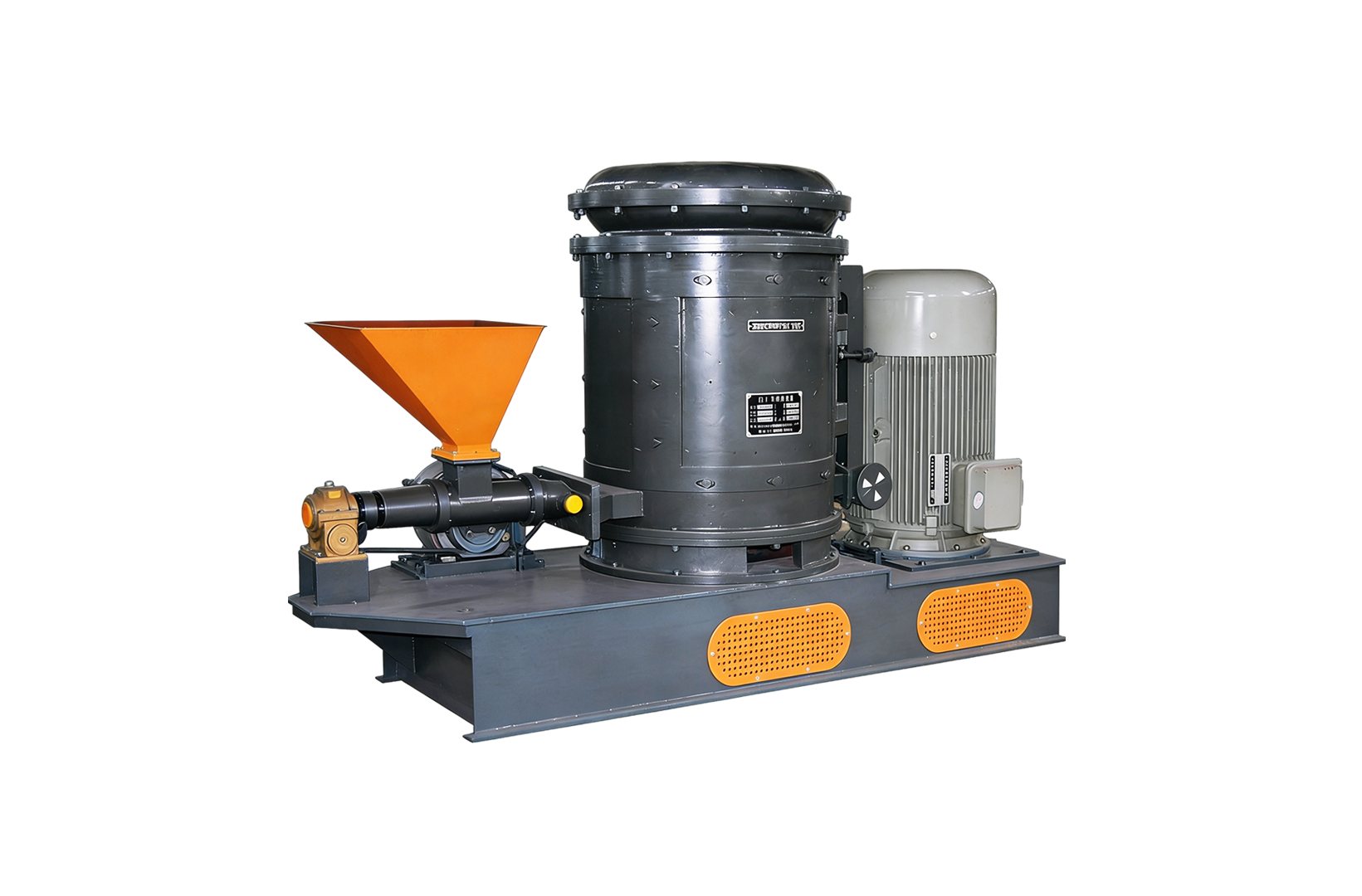
Both CLCM vortex fractionation mills and CLJM air flow mills are responsible for reducing particle size, but their crushing methods are different. CLCM uses a high-speed rotating grinding disc to impact the material, and then separates the coarse and fine particles through airflow classification. Taking the CLJM-L fluidized bed air jet mill as an example, the nozzle accelerates the compressed gas, and the particles collide with each other and break up in the high-speed air flow. When comparing these two types of equipment, in addition to the target particle size, it is also necessary to see whether the compressed air and filtration and drying systems required for air jet milling can be provided on site. CLCM Eddy Current Grading Mill · CLJM-L Fluidized Bed Air Flow Mill
The CLG powder surface modification machine is connected after powder making. When calcium carbonate is to be used as a plastic or rubber filler, and the formulation requires the dispersion and compatibility of the powder, CLG can be used to mix modifiers such as stearic acid with the powder to treat the particle surface. Whether or not this process is configured depends on the intended use and formulation requirements of the finished powder. CLG Powder Surface Modifier · Calcium Carbonate and Limestone Processing Scheme
Taking the calcium carbonate production line as an example, large pieces of raw materials are first crushed and then sent to the mill through elevators, silos and feeders. After grinding, the powder enters the grading stage, the coarse powder returns to grinding, and the qualified fine powder is separated by the powder receiving system and sent to the finished product warehouse. Once the main unit model is determined, the front end crushing still needs to meet its feeding requirements, while the rear end decides whether to add surface modification based on the finished product’s intended use, and whether to use bagged, ton-bagged, or bulk packaging. Calcium carbonate and limestone processing scheme
| Proyecto | Main mill and published project specifications | Examples of supporting equipment |
|---|---|---|
| Calcium carbonate in Vietnam | HGM100L-II. Target fineness of D97 = 10 µm. Annual capacity of 22,500 metric tons. | Hammer crusher, bucket elevator, vibrating feeder, classifier, and dust collector. Vietnam project |
| Calcite in Bangladesh | CLUM1425. Target fineness of 5 µm. Annual capacity of 6,000 metric tons. | Belt scale, screw feeder, airlock discharge valve, and pulse-jet dust collector. Bangladesh project |
| Calcium carbonate in Haiti | CLRM1900. Target fineness of 45 µm. Annual capacity of 60,000 metric tons. | Jaw crusher, bucket elevator, classifier, blower, and electrical control cabinet. Haiti project |
The annual production capacity in the table is the production line indicator disclosed for each project. When evaluating your own production line, you can first determine the raw materials and maximum feed particle size, and then list the target fineness, particle size measurement diameter and hourly output together. This is the only way to verify the processing capacity of a particular model under the required finished product specifications. CLUM Model Parameters · Clirik Service Description
During the program phase, Clirik provides incoming material analysis and test grinding to evaluate the grinding, grading performance and finished product quality of the material, and design the process and equipment layout accordingly. During the delivery phase, the services listed on the company’s official website include installation and commissioning, personnel training, remote technical guidance, and on-site support. For projects that already have raw material samples or finished product particle size reports, the raw material name, moisture content, maximum feed particle size, target particle size, and hourly yield can be submitted together to facilitate the technical team in determining the test grinding conditions and line configuration. Clirik Service Description · Clirik Official Website Contact Form