 Clirik




Rechercher
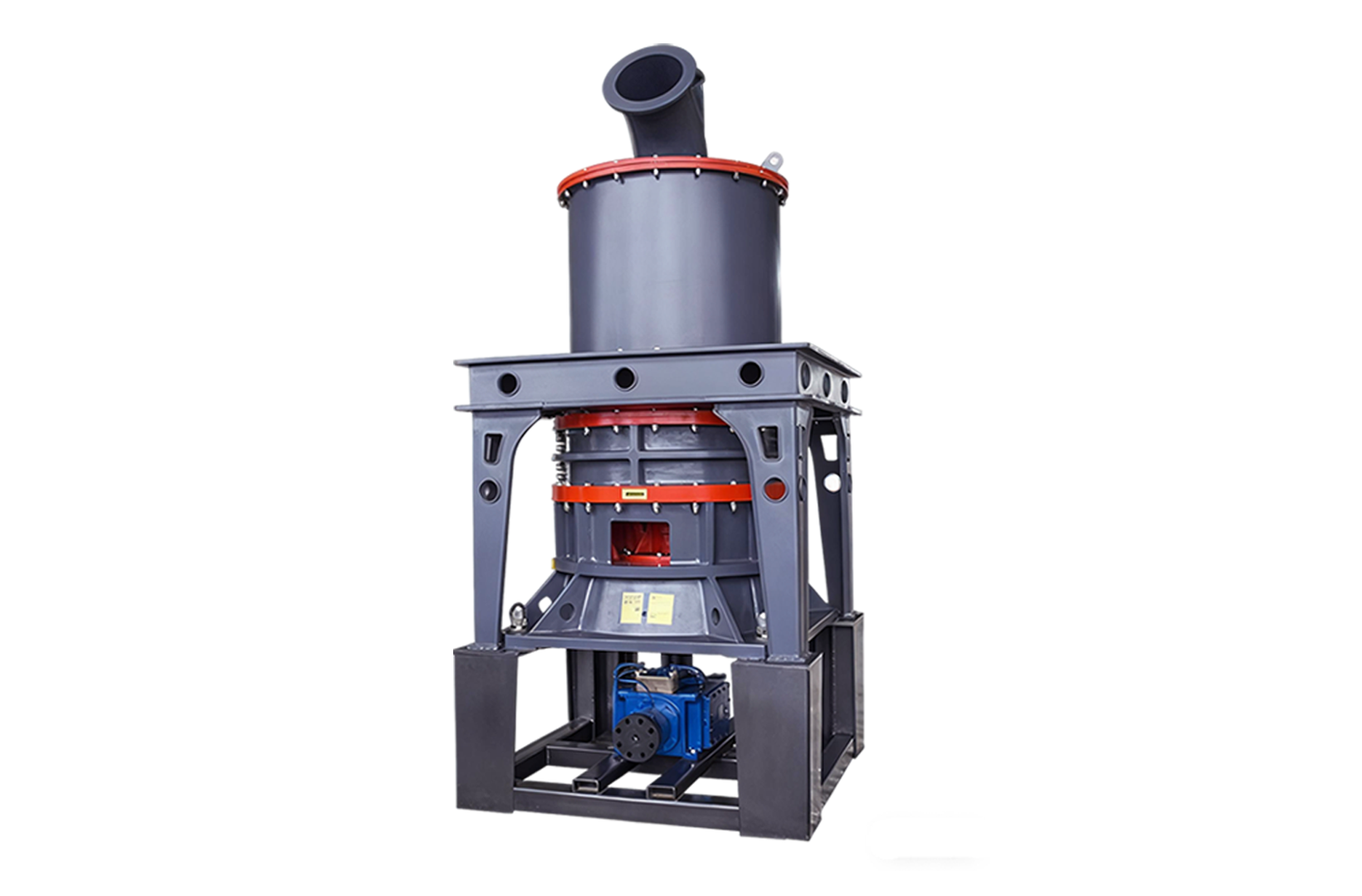
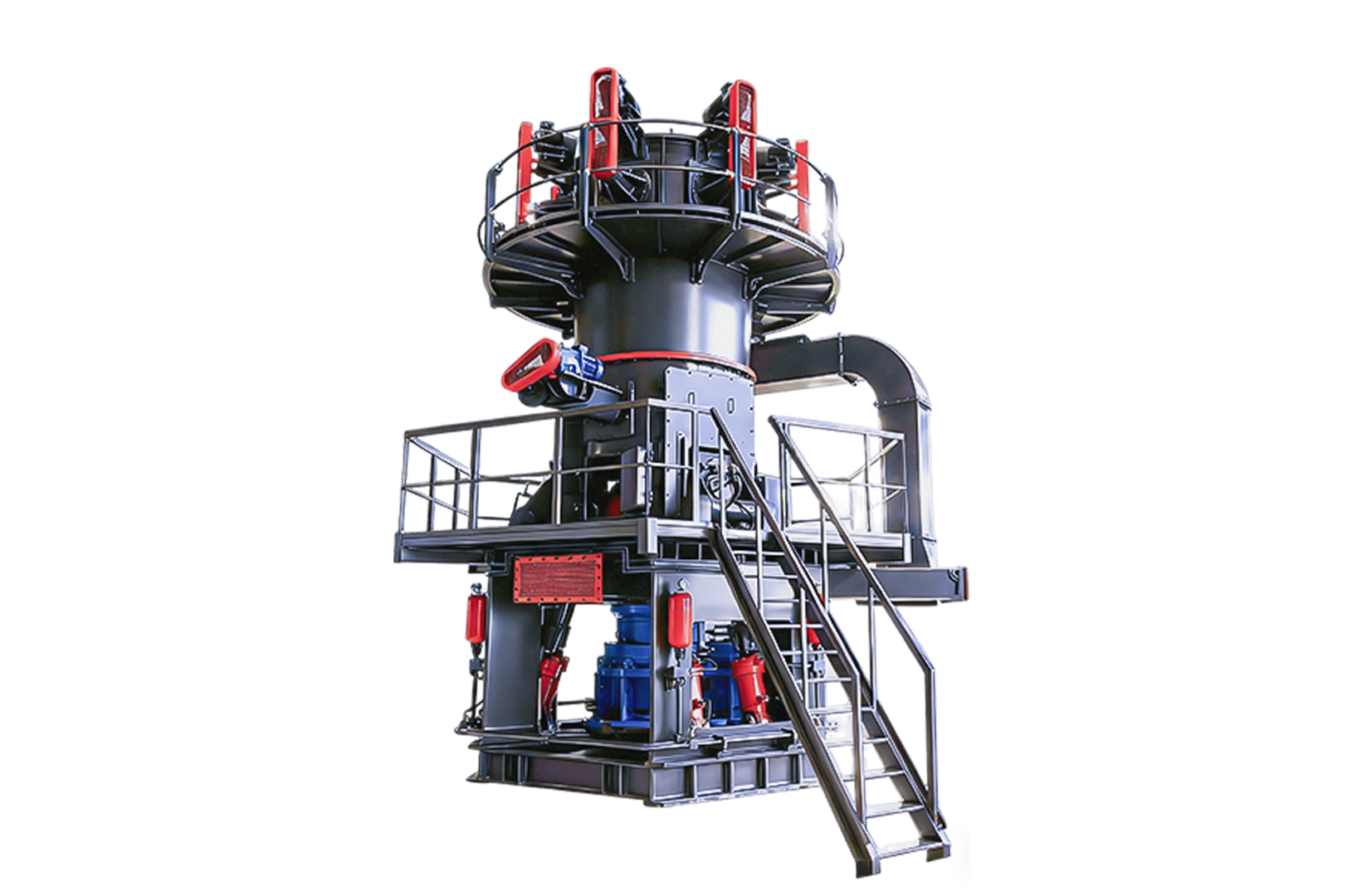
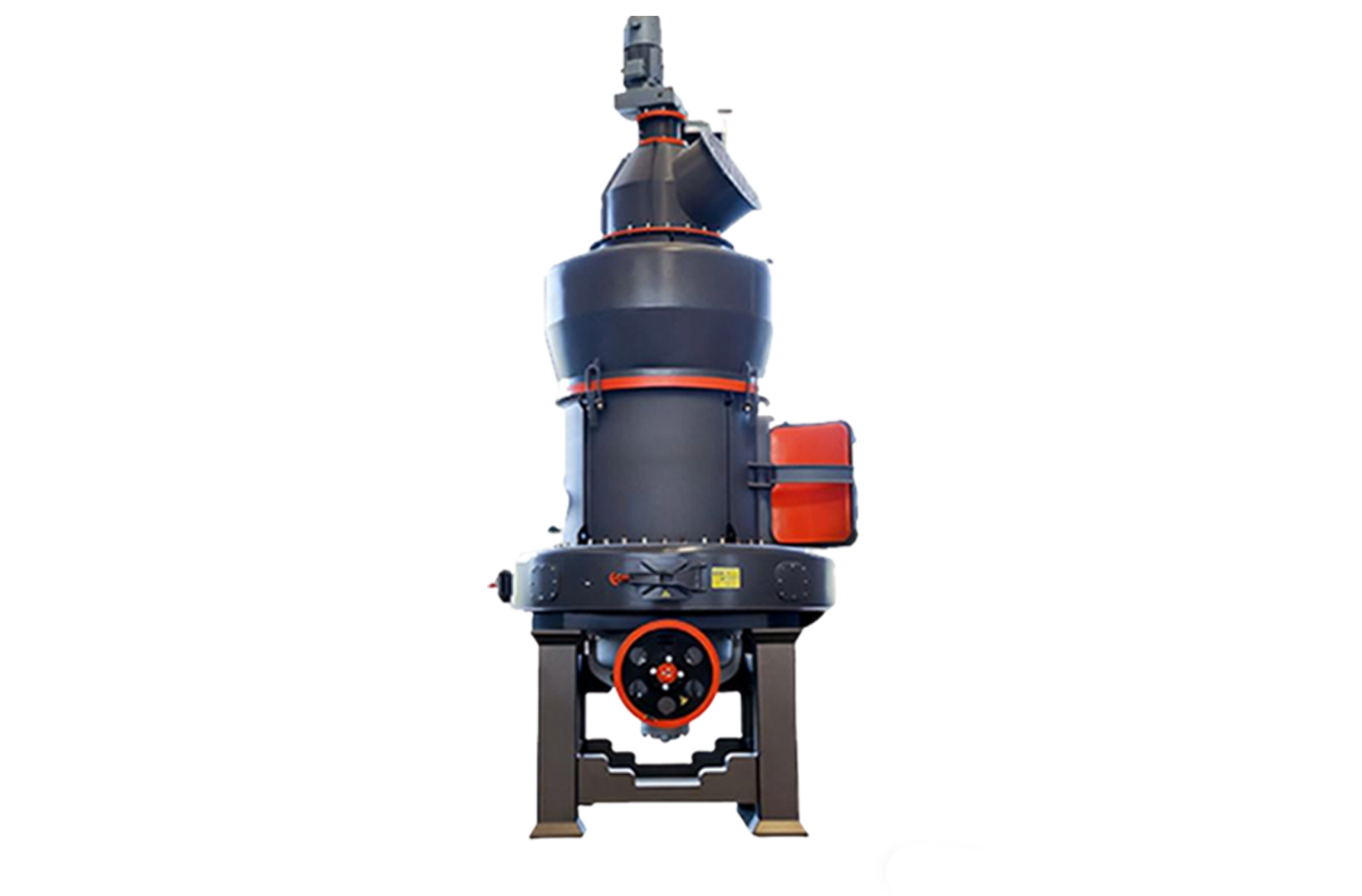
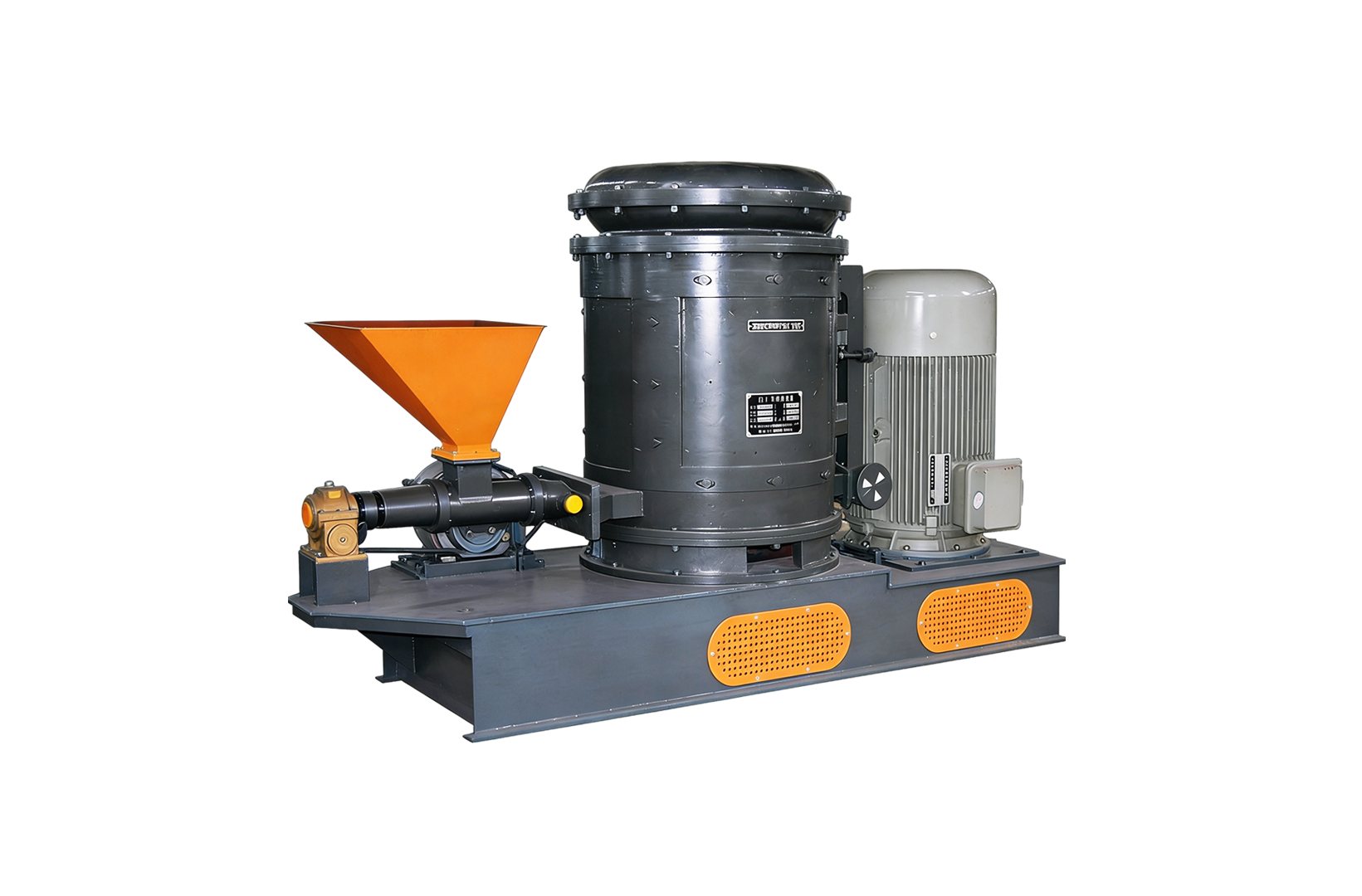
Clirik supplies the CLUM ultrafine vertical roller mill for dry processing of nonmetallic minerals into fine powder. The published range covers feed below 10 mm and a stated product fineness of 400-3000 mesh. Compare the calcite-based model data below, then share your own material and required throughput for equipment selection.
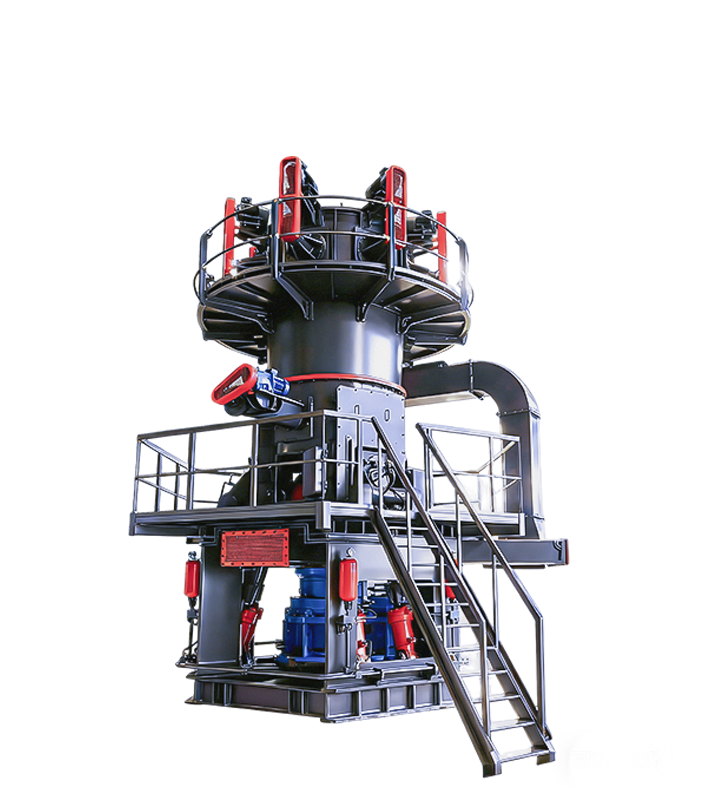
The CLUM series is designed for ultrafine dry powder production from nonmetallic minerals. Clirik lists calcite, marble, limestone, dolomite, barite, talc, kaolin, wollastonite, gypsum, feldspar and pyrophyllite among its applicable materials. Its product page also identifies fillers and additives for paper, coatings, plastics, rubber, PVC and printing ink as application areas.
This page describes Clirik's CLUM mineral-powder equipment. Vertical roller mills used for cement clinker, coal or slag are different process applications; CLUM model figures do not specify those duties. For a mineral project, the first screening inputs are material, feed size, feed moisture, target particle-size distribution and required hourly output.
Clirik publishes specifications for CLUM1425, CLUM1632 and CLUM1736. Selecting among them requires the target fineness and throughput together.
An ultrafine dry grinding and classification system for nonmetallic mineral powders, with three published CLUM model configurations.
Clirik's model table reports the following outputs for calcite under stated particle-size distribution conditions. The output rows represent different shares of particles below 2 micrometers; they are not interchangeable with the broader 400-3000 mesh headline.
| Published specification | CLUM1425 | CLUM1632 | CLUM1736 |
|---|---|---|---|
| Grinding plate diameter | 1,400 mm | 1,600 mm | 1,700 mm |
| Rollers | 3 | 3 | 3 |
| Feed size | <10 mm | <10 mm | <10 mm |
| Feed moisture | <3% | <3% | <3% |
| Output at 30% below 2 µm | 9-12 t/h | 12-16 t/h | 14-18 t/h |
| Output at 45% below 2 µm | 5.5-7.5 t/h | 7-9 t/h | 10-12 t/h |
The source table is based on calcite and cites laser-diffraction particle-size measurement. Output for another mineral or a different fineness target needs a project-specific assessment.
Start with the material and its actual feed condition, then define the finished powder with a measurable size target. A mesh label alone may not capture the fine-particle distribution used in the CLUM output table. State both target fineness and hourly output needed at that fineness.
Clirik can use these inputs to recommend a CLUM model and circuit configuration. If your feed exceeds the published <10 mm or <3% moisture limits, identify that before selection so any pretreatment can be considered.
Share your material, feed condition, target fineness and hourly output. Clirik can match the CLUM configuration to those requirements.