 Clirik




Rechercher
Two limestone mills may both list hourly throughput, yet the one with the higher figure may produce less powder at the same fineness. One spec sheet may report how much material the mill handles, while the other gives finished output for the entire system. Even when both list finished output, differences in fineness and feed conditions make the numbers difficult to compare directly.
On a spec sheet, limestone milling machine may refer to the mill alone or to a system that includes feeding, classification, a fan, and dust collection. Either scope can appear on a spec sheet. The distinction is where the rate is measured.
For conventional construction powders, the residue retained on a sieve with a specified opening can be used to control coarse particles. Different percentages retained on the same sieve represent different product requirements. When a spec lists only a mesh number, look for the percentage retained or passing. A mesh number alone is insufficient when a filler has a specified particle size distribution. The d50 describes the midpoint of the distribution, while d97 is closer to the coarse end. Where a separate top-cut limit applies, check it separately from d97.
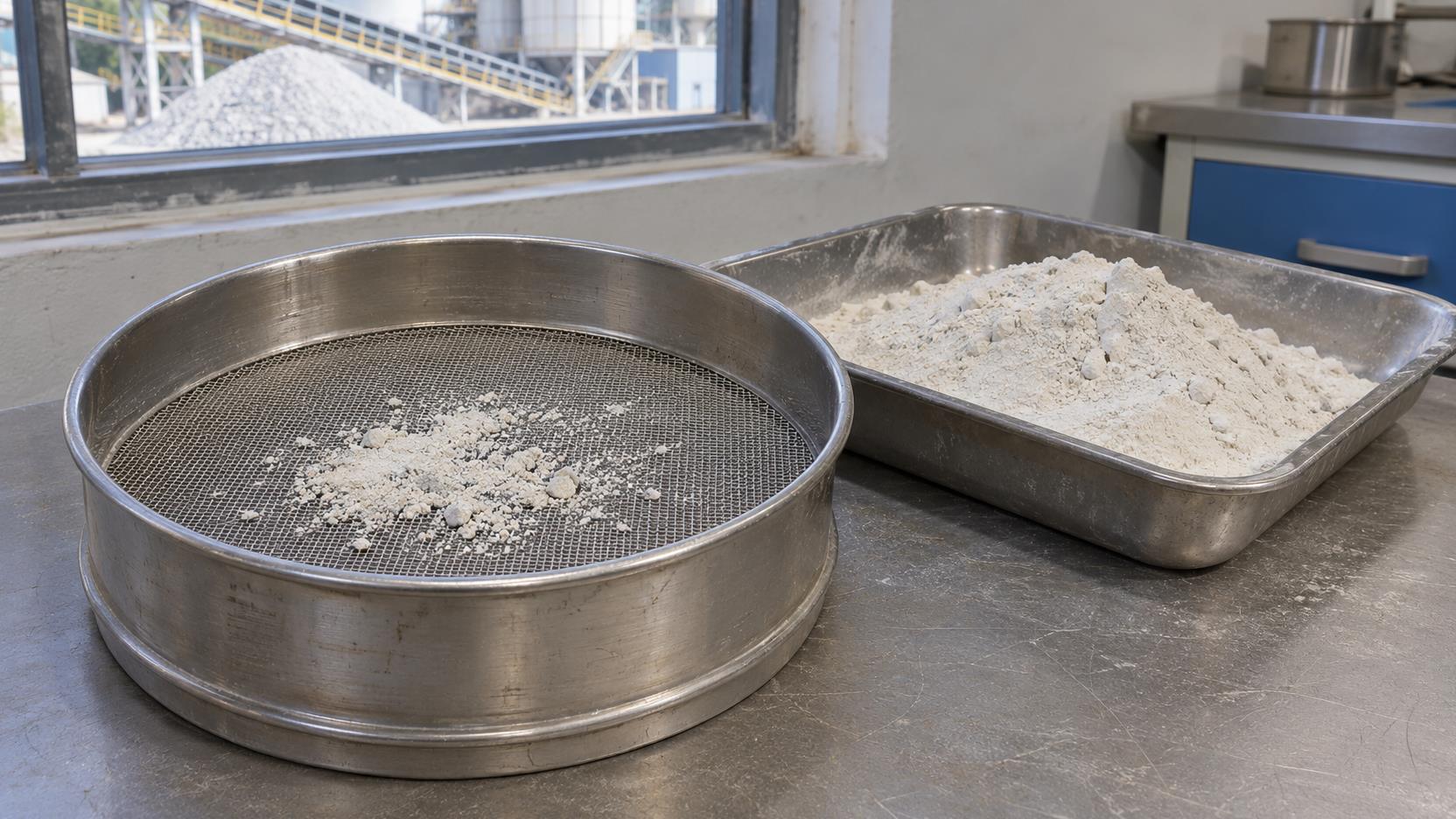
Test conditions also affect what the figures mean. Powder that readily agglomerates may clog a dry sieve or remain on it in clumps. Even when two reports use the same unit, values obtained by different test methods are unsuitable for direct comparison. How the sample was dispersed, whether dry or wet sieving was used, and whether the report gives sieve residue or a particle size distribution all affect the comparison.
In closed-circuit grinding, the classifier separates fines that meet the specification and returns coarser material to the mill. The returning material takes up grinding capacity and has yet to become finished product. A tighter fineness target often calls for more efficient classification, more material recirculation, or longer residence in the system. The original output figure applies to the original classification conditions. There is no fixed ratio for converting it to an output figure for a finer product.
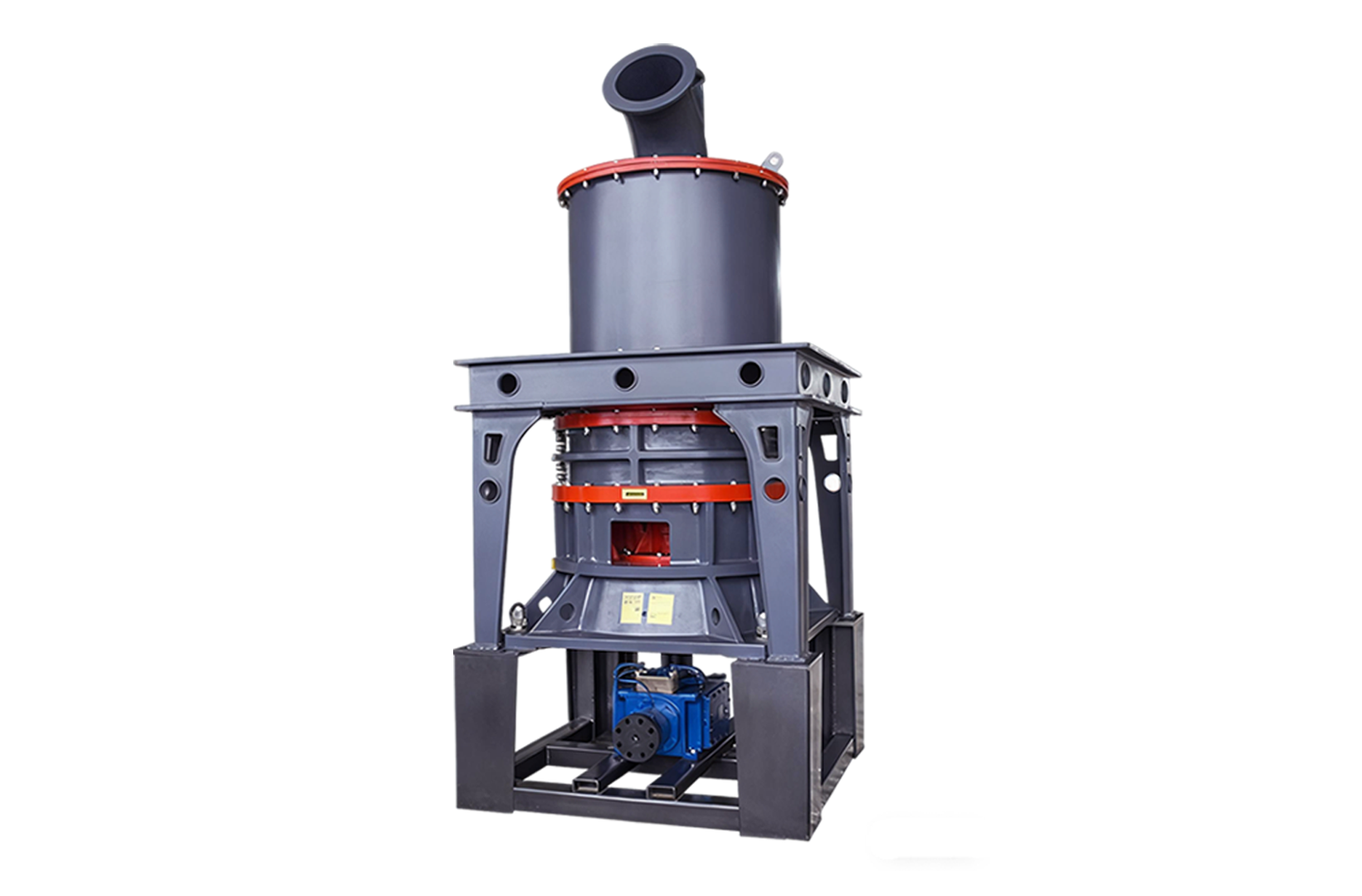
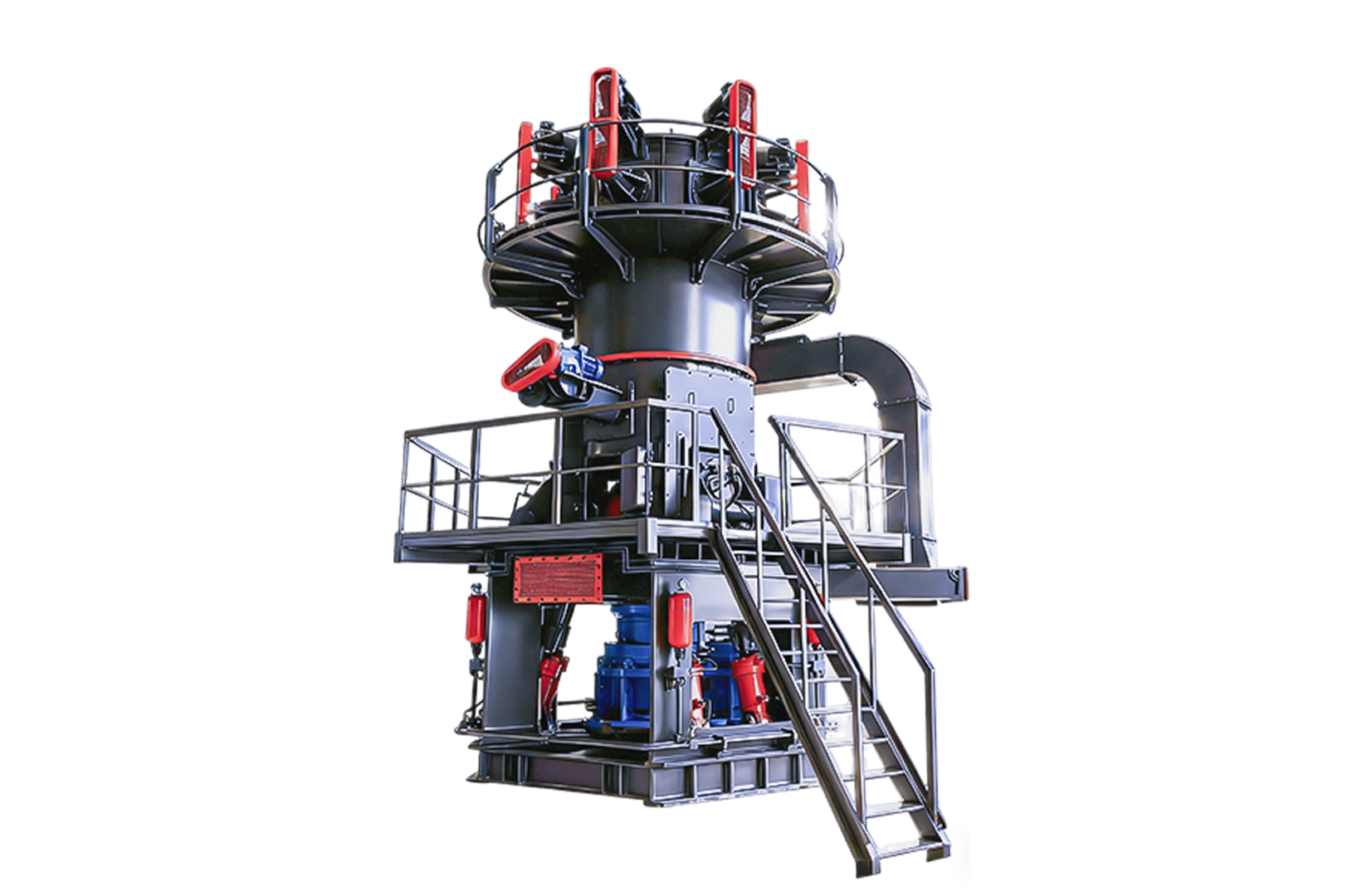
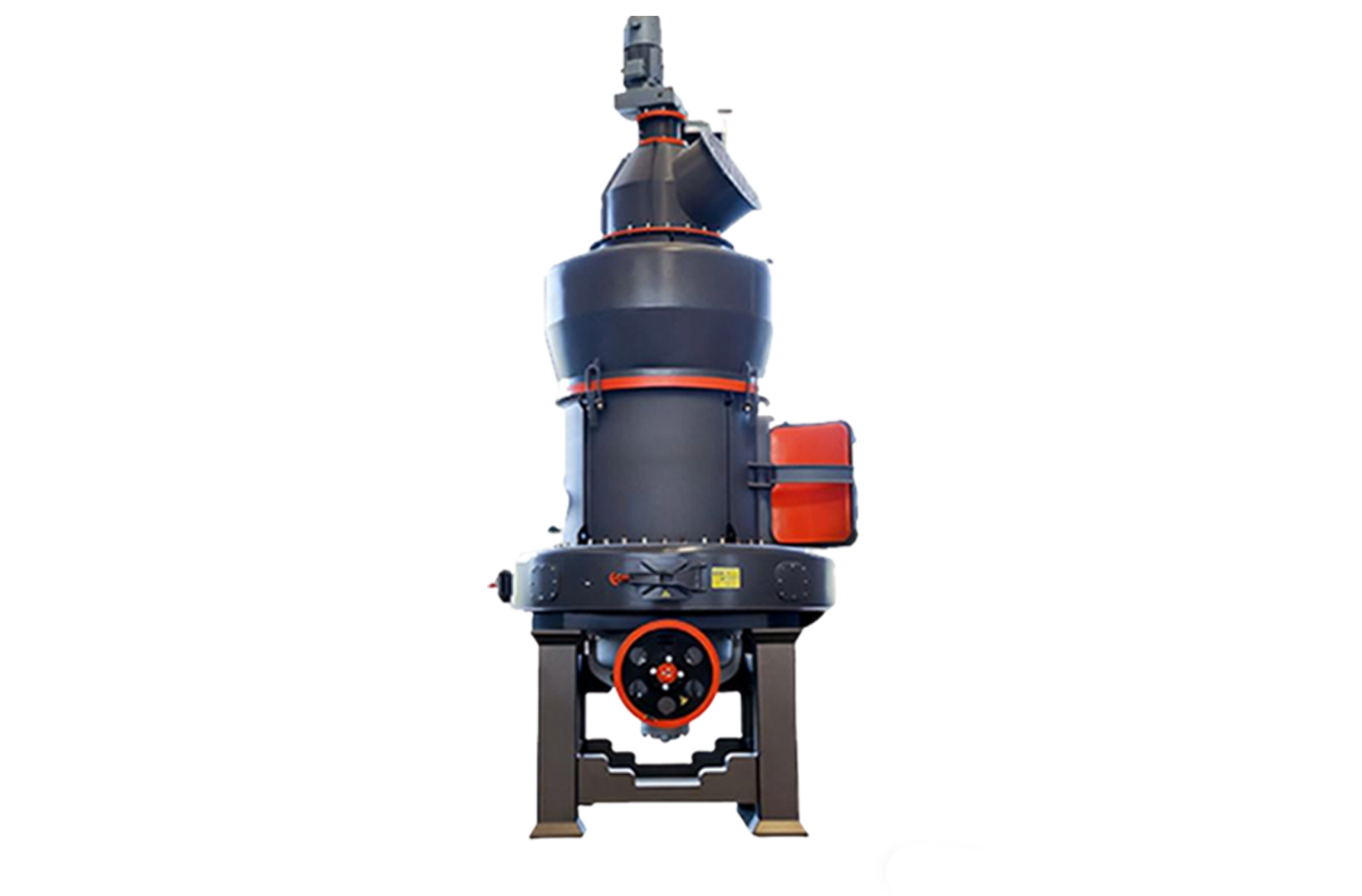
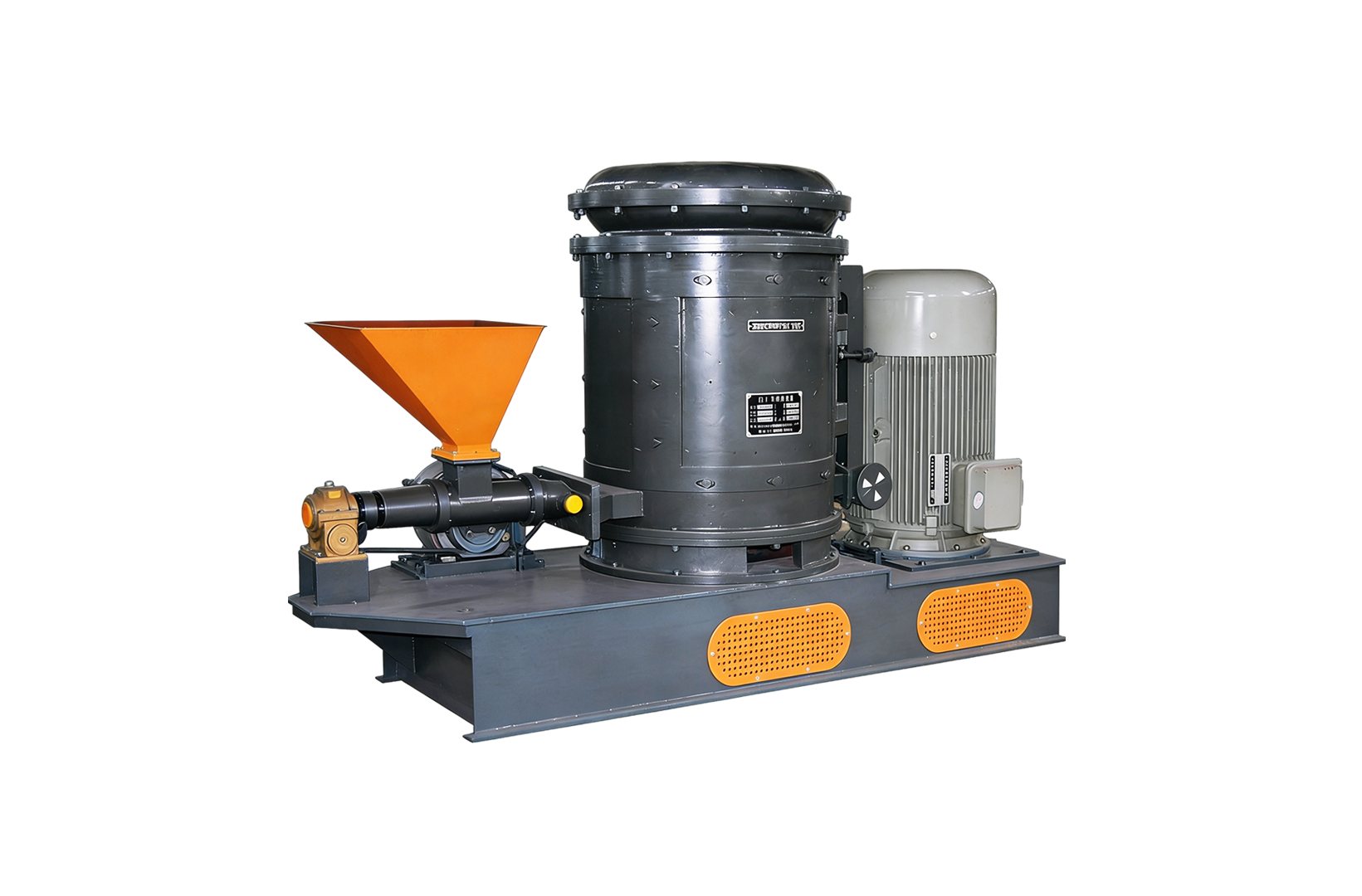
Raymond or ring-roller systems are options for conventional fine powder when air-swept classification is needed. For ultrafine powder or a narrow particle size distribution, micropowder mills and ultrafine vertical roller mills are also worth comparing. The mill type gives you a shortlist. The fineness and throughput it can achieve depend on the model and feed conditions.
Limestone hardness and abrasiveness can vary by quarry source, affecting mill output and wear. Feed larger than the mill can accept requires upstream crushing. Higher feed moisture or a lower moisture limit for the finished powder may call for predrying or a mill with integrated drying. When comparing output figures, a system receiving crushed, low-moisture feed may cover a different set of operations from one that still has to crush or dry the raw material.
A direct comparison requires similar feed conditions, the same finished particle size specification and test method, and output measured as finished powder that meets the specification.