 Clirik



Rechercher
Shanghai Clirik Machinery Co., Ltd. supplies grinding mills and dry-powder line design for limestone processing. Choose a CLRM Raymond roller mill for moderate fineness, or compare HGM and CLUM equipment when the product calls for ultrafine powder.
Tell us the feed condition, required particle size and hourly output. We can assess the grinding, classification and collection equipment together so the proposed line matches the powder you intend to sell or use.
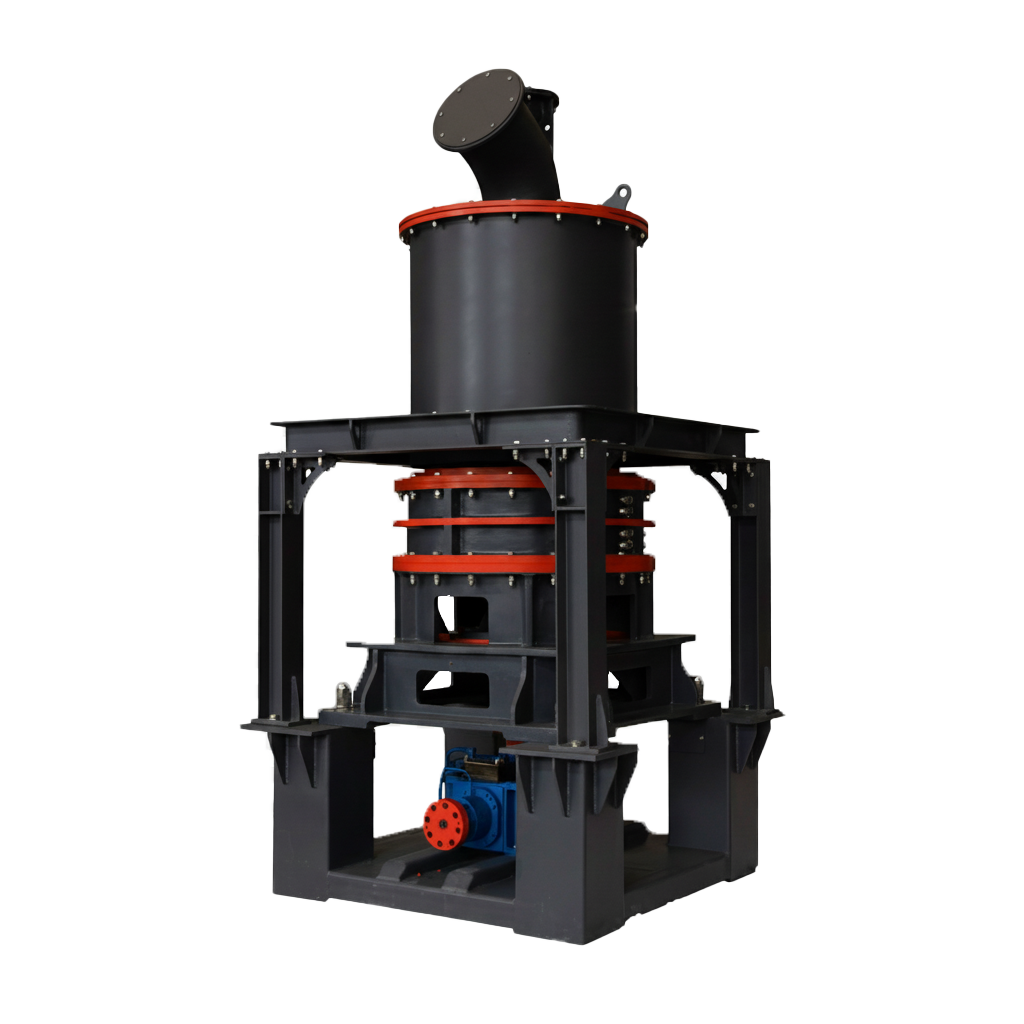
The required particle-size distribution should lead the selection. Clirik lists the CLRM Raymond roller mill at 80–500 mesh for a broader, moderate-fineness range. Its roller grinding route can suit limestone powder projects that do not need the ultrafine cut of the other two series.
HGM is listed at 150–3,000 mesh and CLUM at 400–3,000 mesh. HGM uses an ultrafine grinding and classifying route; CLUM combines vertical roller grinding with classifying and conveying functions. The overlap in published mesh ranges does not make their output rate or plant layout interchangeable. At a tighter final cut, the classifier returns more coarse material for another pass, which changes the equipment and energy required per ton of saleable powder.
Specify the target in microns or mesh together with the permitted coarse fraction and intended use. A single mesh number describes a sieve opening; it does not by itself define the full powder distribution. Clirik can then compare the three series against the same limestone sample and production target.
A dry limestone line feeds prepared stone into the mill at a controlled rate. Grinding breaks it down; the classifier separates powder fine enough for the product and returns oversize material to the grinding circuit. Airflow carries the accepted powder to a collector. The crusher, feeder, conveying equipment, collector and controls must be sized as one line with the mill.
Feed preparation sets the boundary for the mill. Clirik's published maximum feed sizes are 35 mm for CLRM, 20 mm for HGM and 10 mm for CLUM. Larger quarry stone needs upstream crushing. Moisture can also alter powder flow and classification, so the need for drying must be assessed from the actual feed rather than assumed from the limestone name.
For an existing plant, the connection points matter as much as the machine footprint: available electrical supply, dust-collection route, foundation and the way finished powder reaches storage or packing all affect the equipment scope.
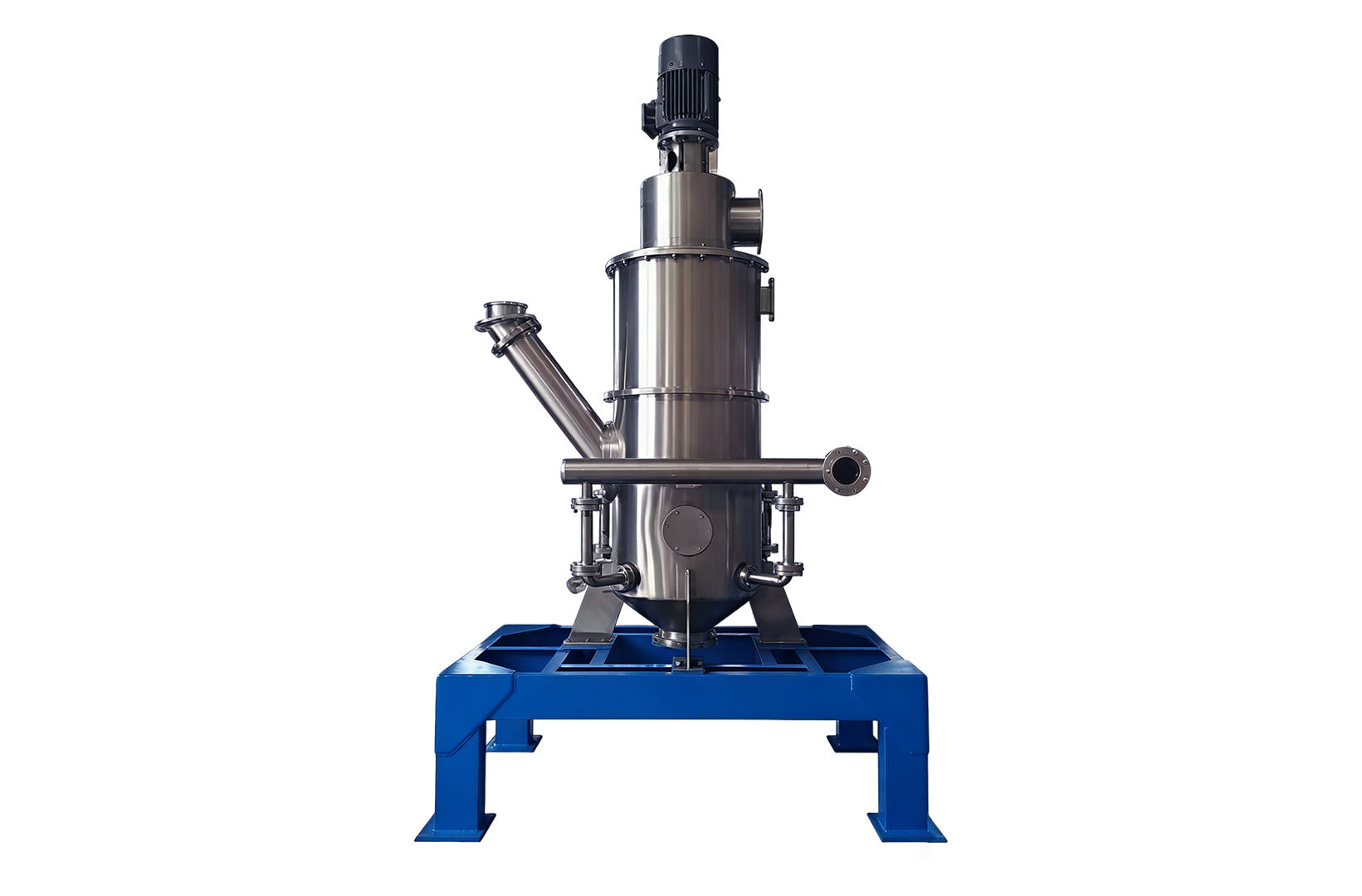
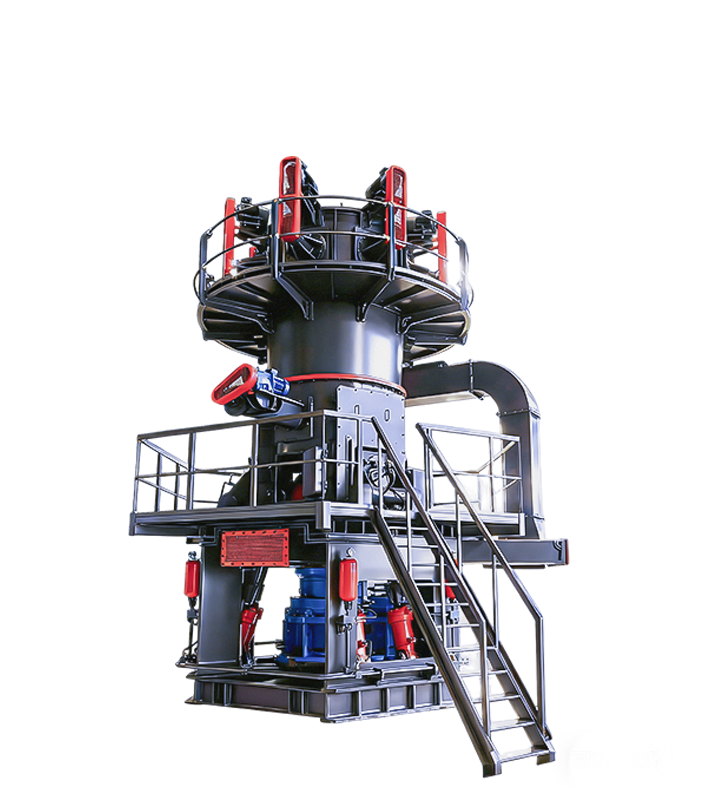
These are the three Clirik machines specified for this project. The ranges below are the published series ranges; an individual model and limestone duty require a separate capacity assessment.
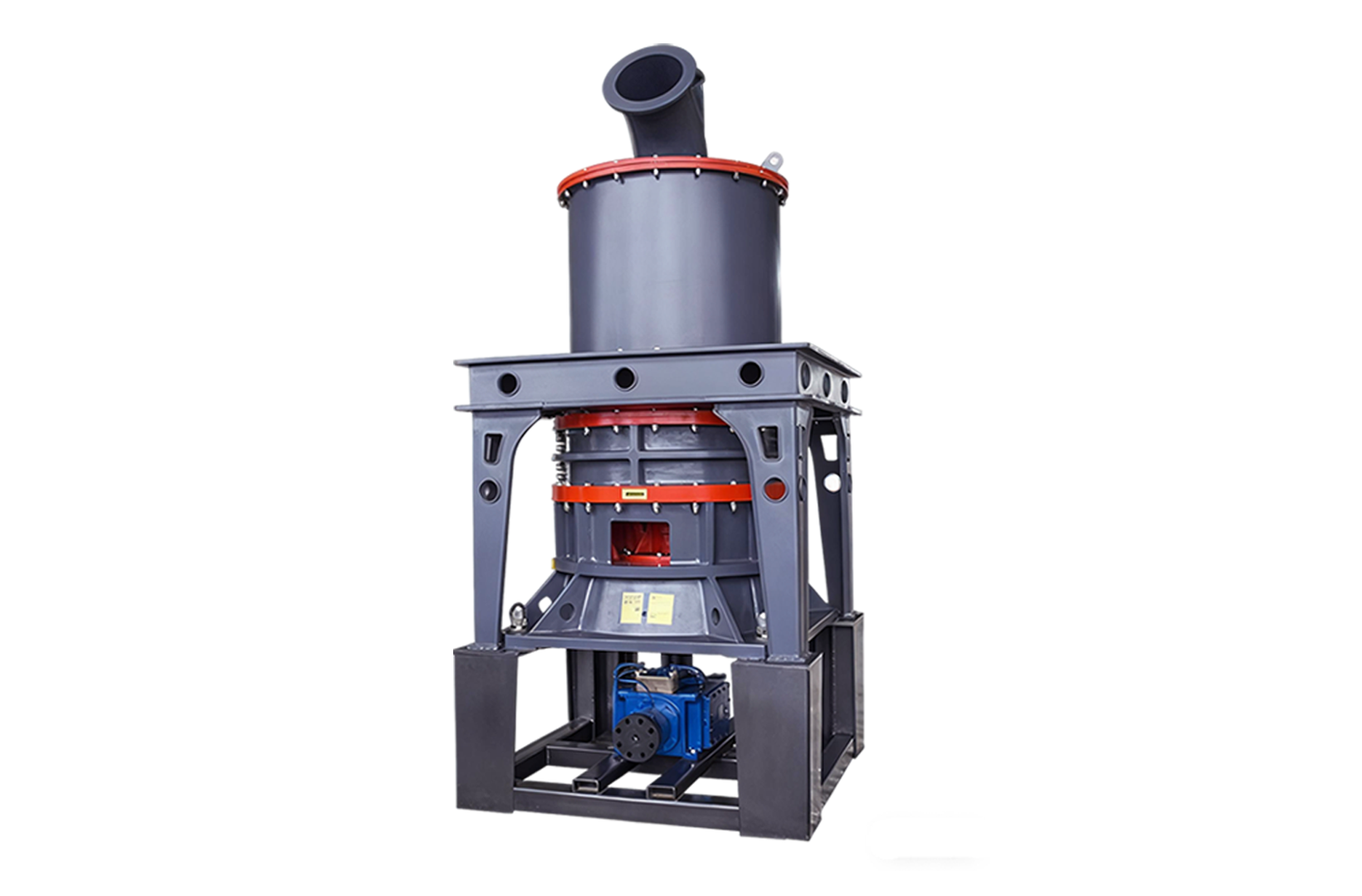
An ultrafine grinding option for limestone and other medium-to-low-hardness minerals. Consider HGM when the product needs a finer cut than a conventional Raymond route and line capacity will be checked at the specified fineness.
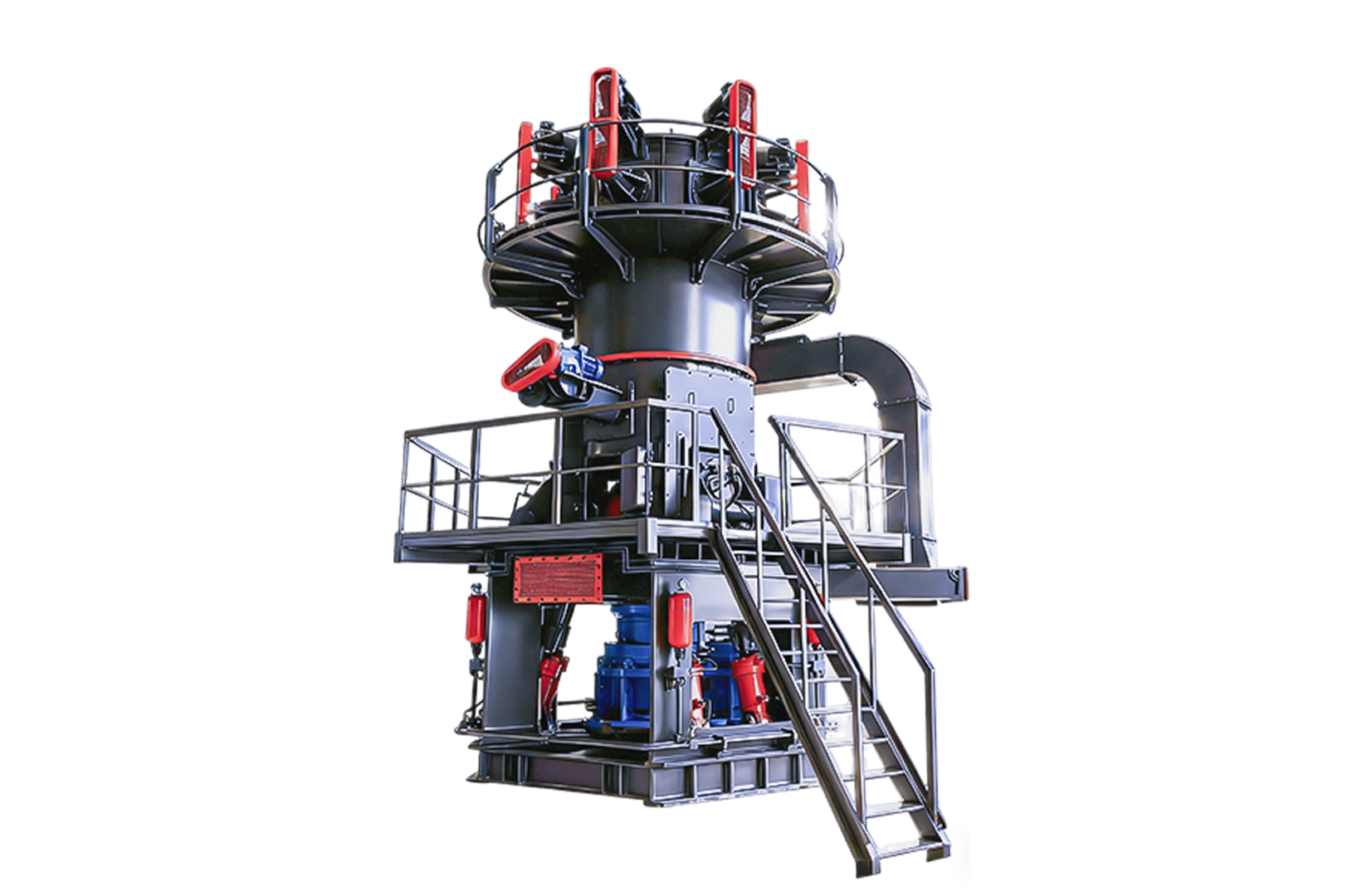
A vertical roller route for ultrafine dry mineral powder, with grinding and classification in an integrated process. Compare CLUM when the required fine cut and plant throughput call for a vertical layout.
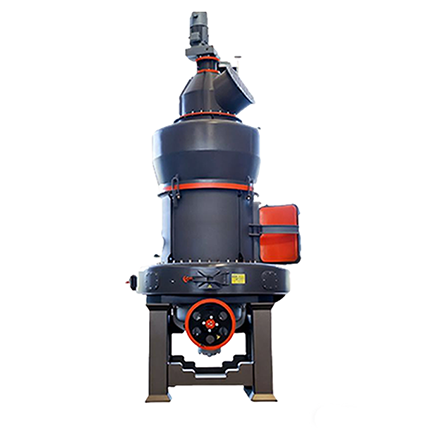
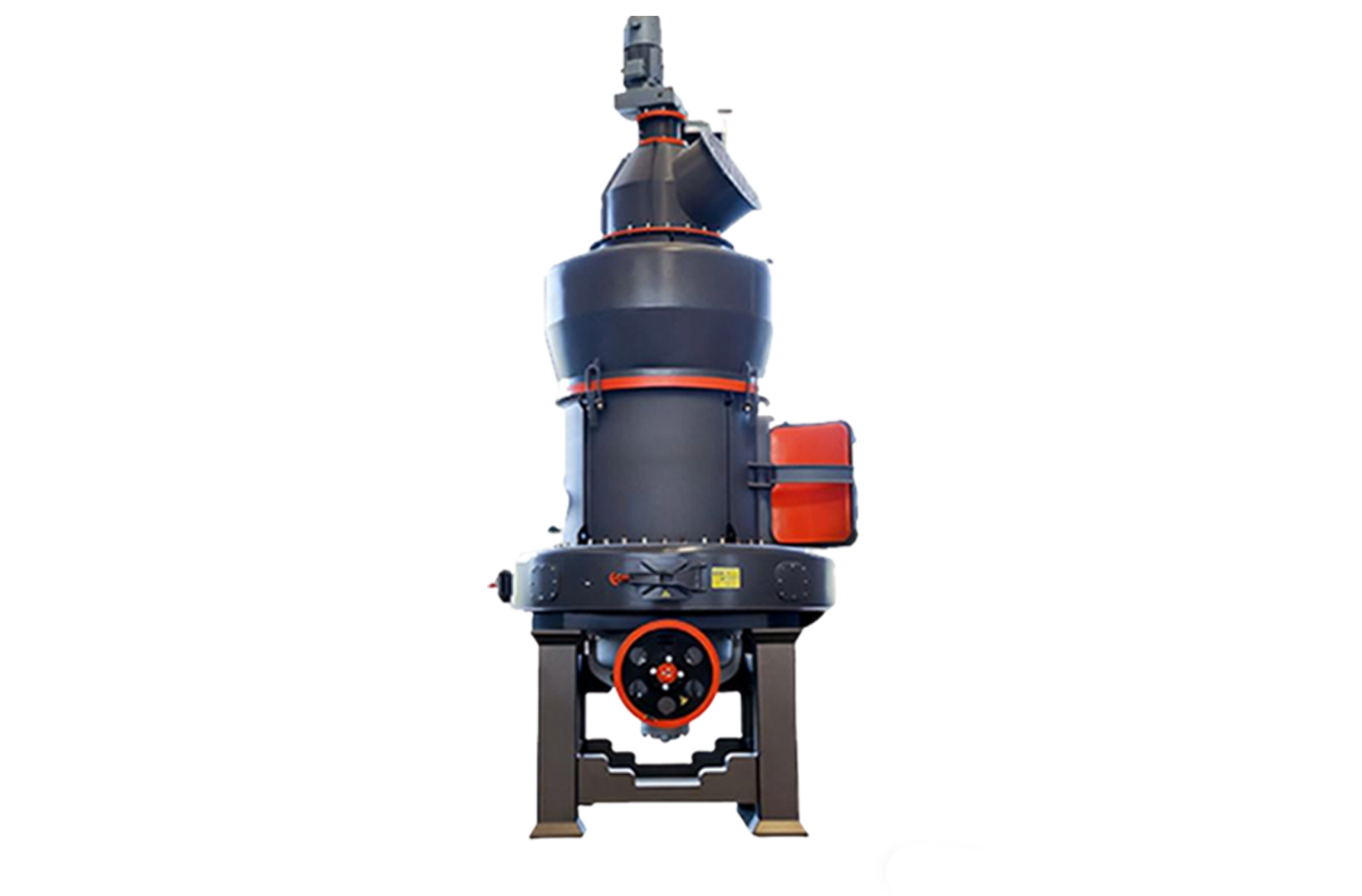
A Raymond roller grinding option for limestone powder in the moderate-fineness range. It accepts a larger listed feed size than the ultrafine series and can be assessed before adding finer grinding stages to a project.
Published capacity ranges describe a series, not the guaranteed output of every model at every fineness. A finer target generally increases the amount of material circulating through grinding and classification. Throughput should therefore be stated at the required powder specification, using a representative limestone sample and a defined operating schedule.
Oversized or wet feed can add crushing or drying equipment before the mill. The collector, classifier, fan and conveying system also draw power and need maintenance; comparing only the mill motor or purchase price misses these line costs. Wear-part use depends on the stone's abrasiveness and the operating duty, so it belongs in the project estimate alongside power and expected service access.
A useful comparison holds the same feed, finished-powder target and hourly output across candidate configurations. That shows whether a lower equipment price shifts cost to preparation, energy, maintenance or a second processing stage.
Shanghai Clirik Machinery Co., Ltd. develops and manufactures grinding equipment for nonmetallic mineral powder. Its service scope includes material analysis and grinding tests, line design, installation, commissioning and operator training. A representative limestone sample lets the team evaluate grinding and classification before fixing a machine model.
For a comparable proposal, provide:
Clirik can then state which parts of the line are included in the quotation and where site-supplied equipment connects. The result is a defined grinding duty and supply boundary for the selected mill.
Request a line proposalShare your limestone feed, target powder and required output. Clirik can recommend a mill and define the supporting line equipment.