 Clirik






Rechercher
Among the many production lines I reviewed, the success or failure of building a new calcium carbonate grinding plant depends entirely on whether you have calculated the balance line between the target particle size distribution and unit energy consumption. A slight misjudgment ——even if the D97 specification of the final product is only 2 microns off, your capital expenditure may skyrocket by 40%, directly eating up the profits of daily operations. You have to use the Mohs hardness of the raw ore to fight to the best match for the powder selection technology, rather than running around with your head hot to buy the largest mill on the market. By looking through the following factory construction logic, your calcium carbonate grinding business can truly scale, rather than wasting money on energy waste or incorrectly selected machines.
Profits in factories often die in the details of equipment configuration. Based on previous equipment compliance review experience, we have summarized a set of “3-E factory building matrices” to help project managers truly standardize production lines.
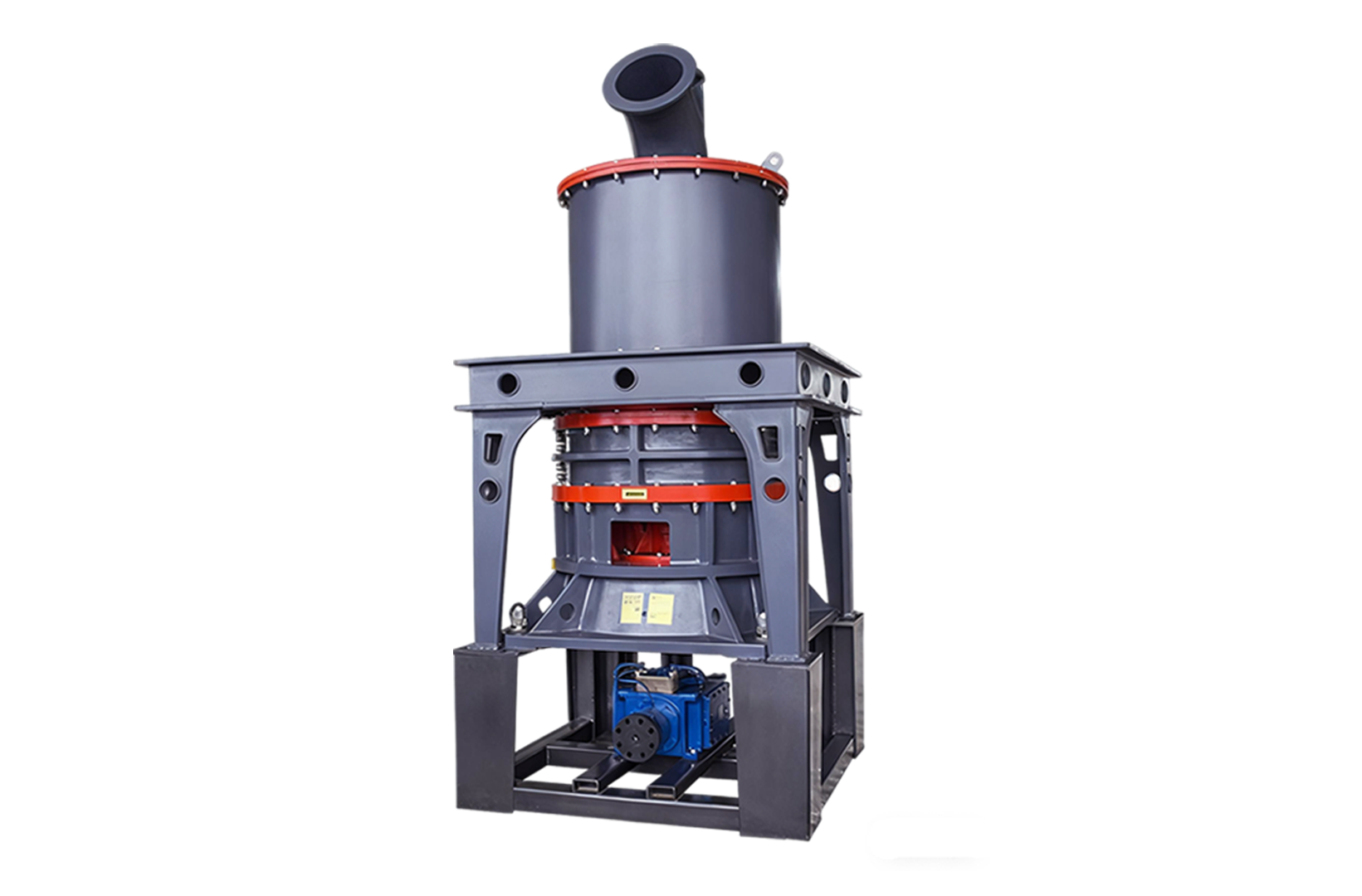
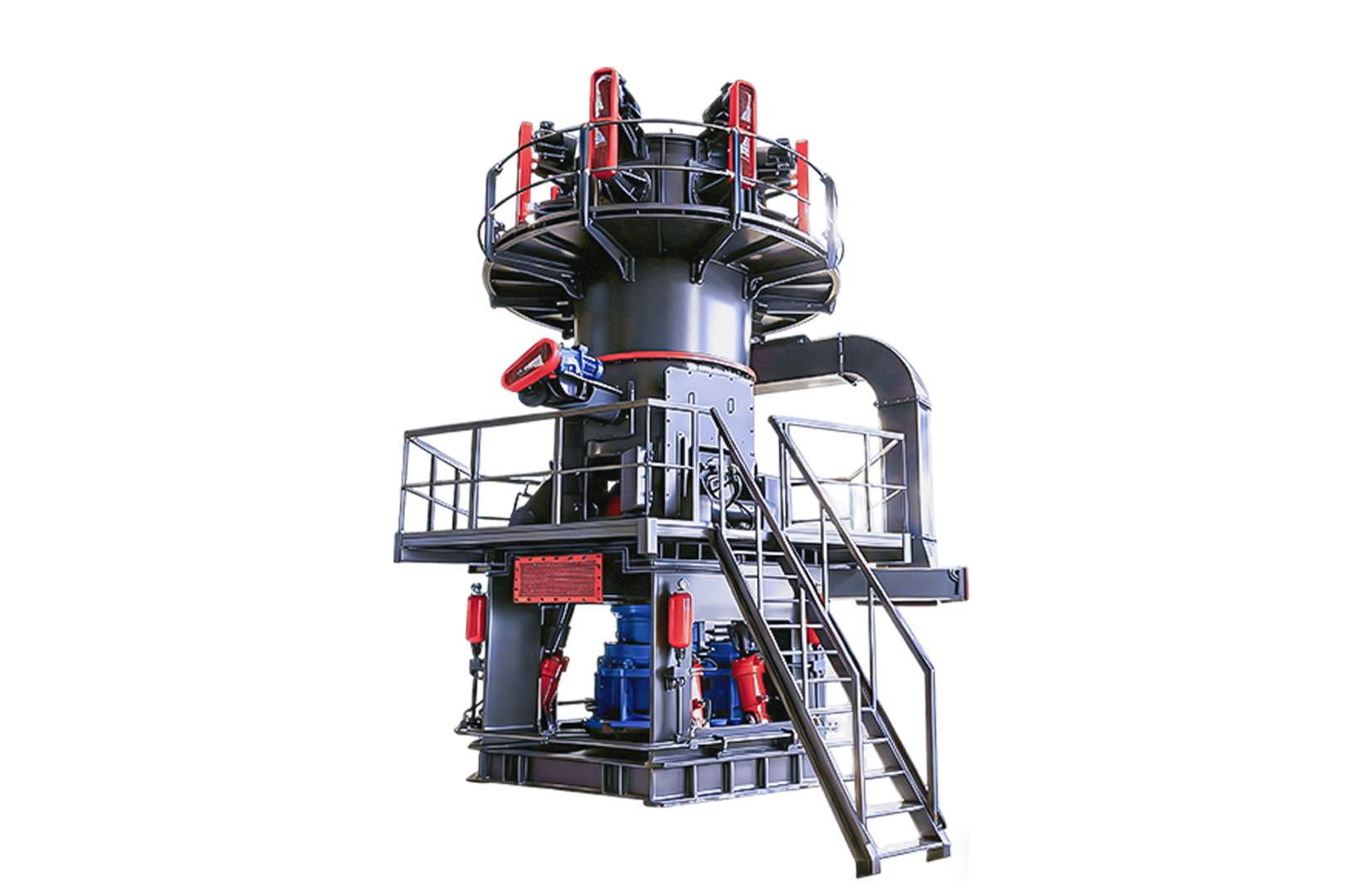
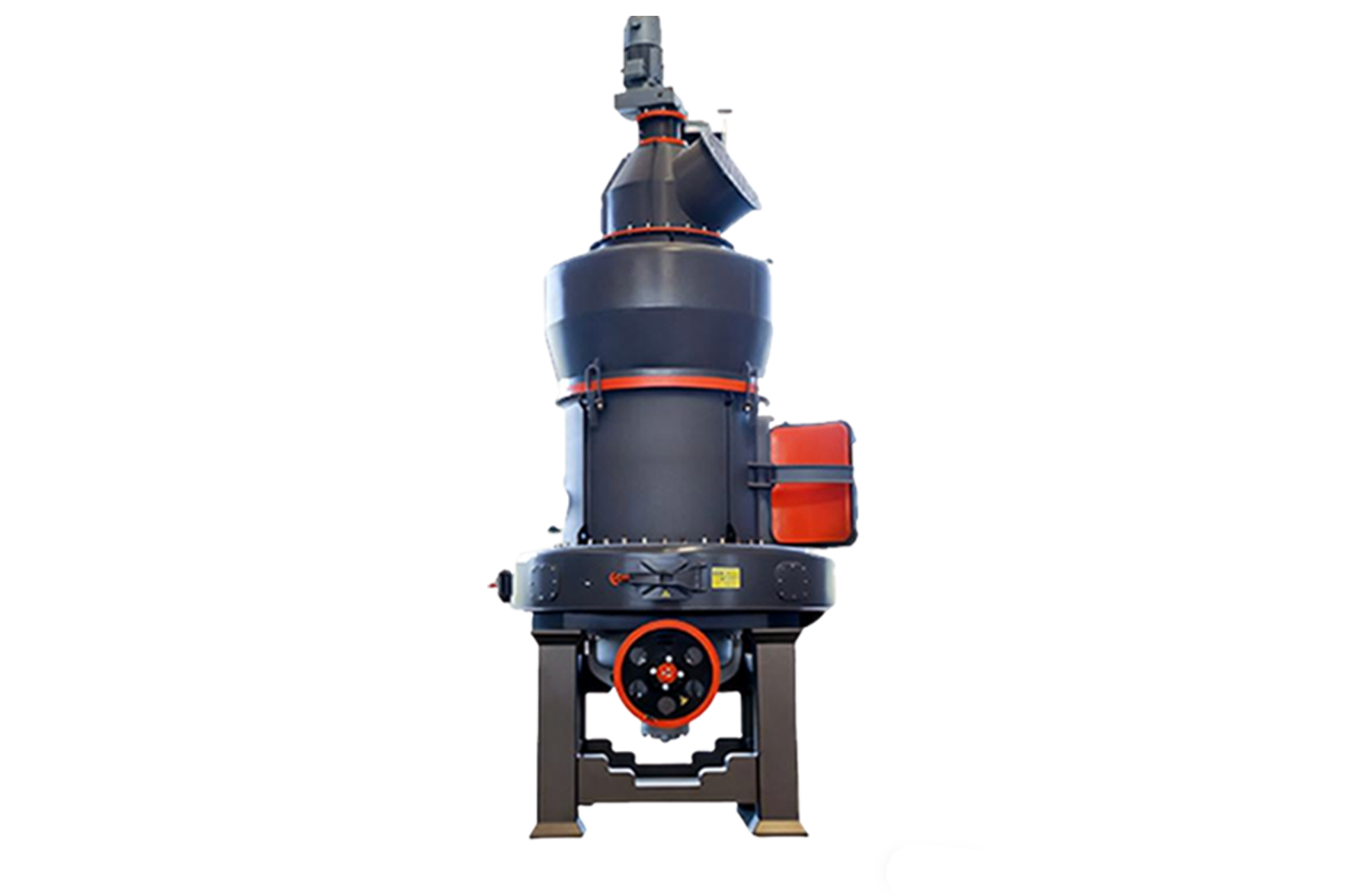
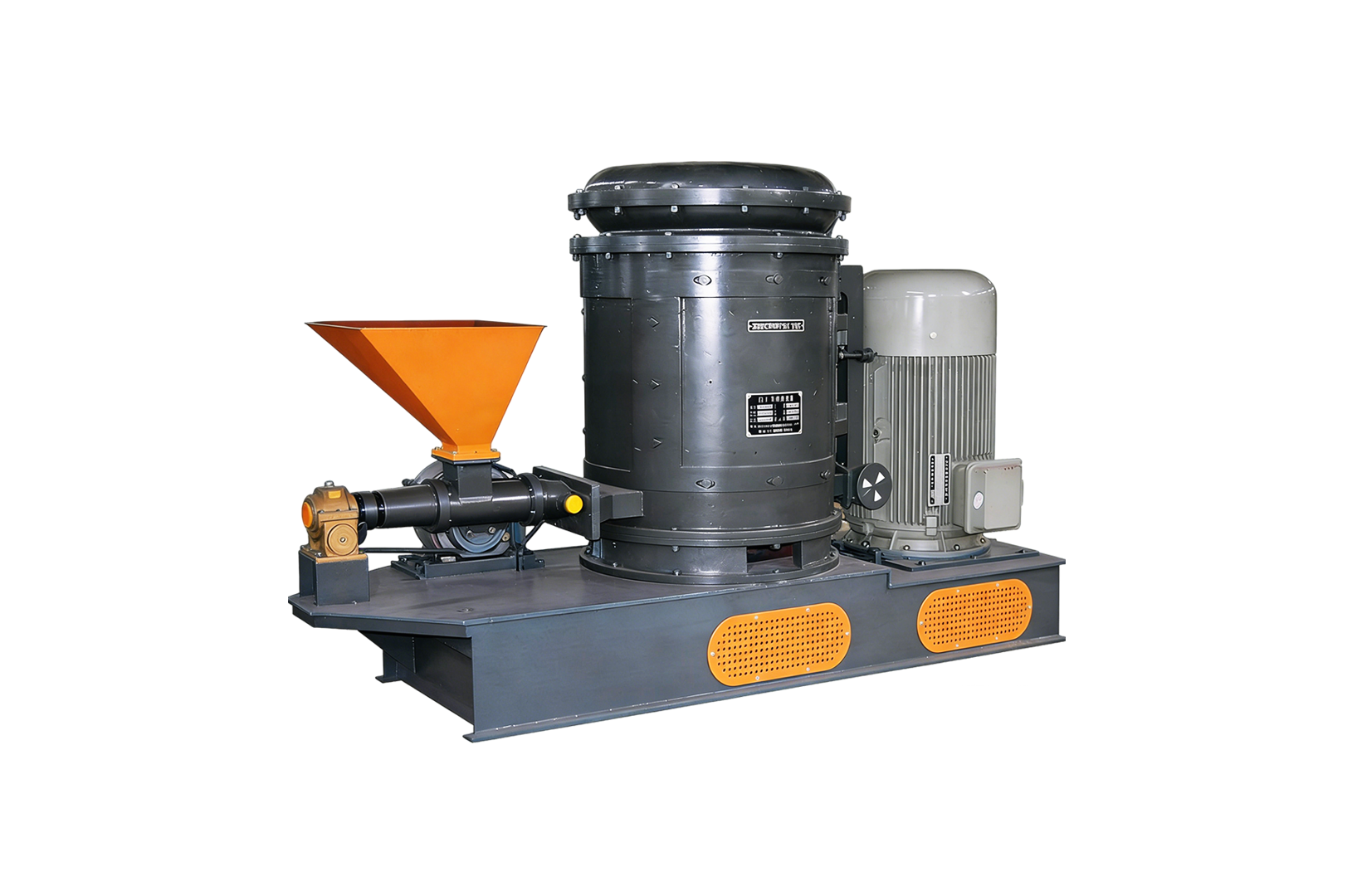
The choice of mill directly determines your whole plant layout. For large capacity heavy calcium carbonate from 10μm to 45μm, vertical roller mill is the absolute main force. If your medium-sized project requires D97=5μm to 10μm, ring roller grinding is a more suitable choice. As for large-scale continuous ultrafine powder grinding below 2μm, it seems that ball mill with multi-rotor powder selector is still the only feasible solution. I’ve seen people buy ball mills to make coarse meal, and that’s a complete waste of initial investment and plant space.
| Type de moulin | Optimal Target PSD (D97) | Capacity Range | Specific Energy (kWh/t) | Initial Investment Level |
|---|---|---|---|---|
| Broyeur à rouleaux vertical (VRM) | 10–45 μm | 30–400 TPH | 12–25 | Élevé |
| Ring Roller Grinding Mill | 5–10 μm | 1–20 TPH | 18–40 | Moyen |
| Ball Mill + Multi-Rotor Air Classifier | <2 μm | 5–200 TPH | 35–70 | Very High |
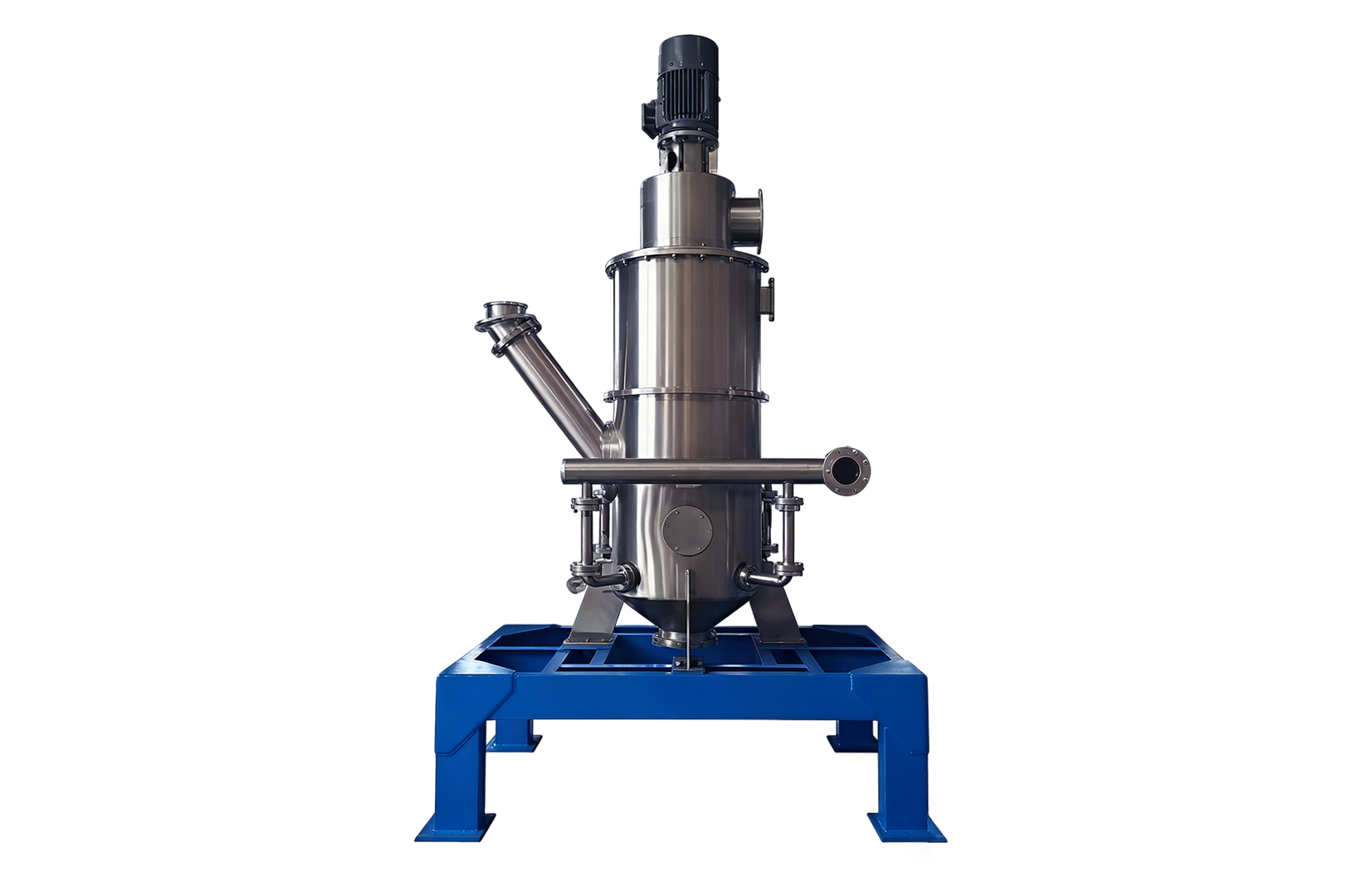
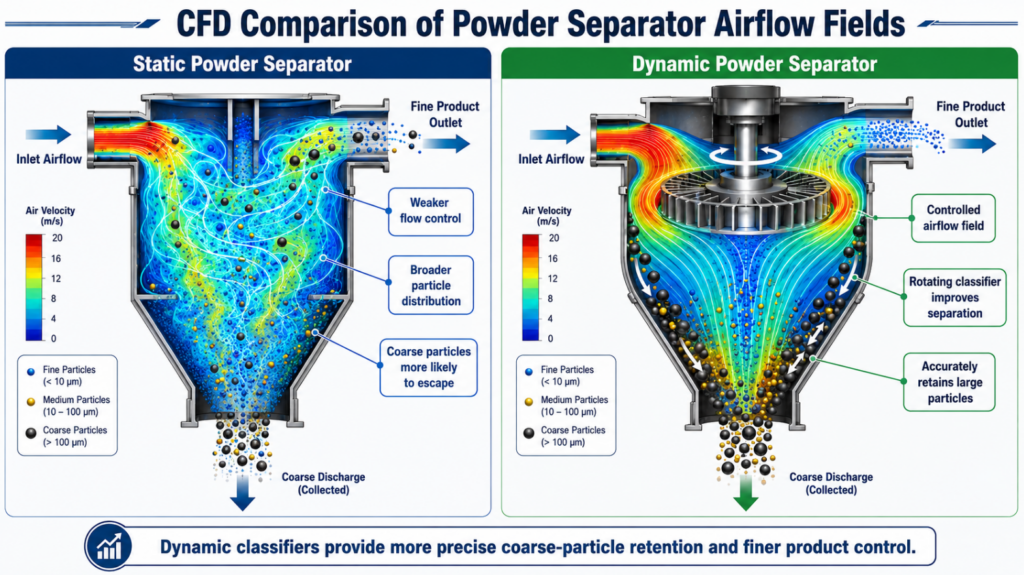
The powder separator can consume 30% of the plant’s electricity. I’m still using that old static powder selector, which forces the mill to over-grind the calcium carbonate, creating a pile of ultra-fine powder that sticks to the grinding rollers, wasting kinetic energy. It is necessary to upgrade to a dynamic frequency conversion powder separator to ensure that the particles can leave the grinding zone within the millisecond when they reach the target particle size. With this change, energy consumption per ton can be basically reduced by 15-20%.
Environmental compliance is directly related to your actual power-on rate. In the high-load working conditions such as ultrafine calcium carbonate powder, standard cloth bag dust collectors cannot withstand it at all. You must have a pulse cloth bag dust collector covered with polytetrafluoroethylene (PTFE) filter membrane in your factory. The PTFE membrane can block submicron calcium carbonate particles and prevent them from getting stuck in the fabric fibers, which not only preserves the high air volume but also strictly presses the emissions below 10 mg/Nm³.
Executives at many large mining companies are often fooled into falling into technical traps by aggressive equipment sales. Figuring out where the pit is ahead of time can save you millions in real money.
Downstream customers (such as PVC pipe factories) clearly only need D97=10μm, but you have to do D97=2μm. This is a fatal financial mistake. To be honest, grinding calcium carbonate from 10μm to 2μm consumes an exponential surge in energy, which is not linear at all. Electricity bills have doubled directly, production has plummeted by 60%, and as a result the market is unwilling to pay a premium for your “redundant” indicator. Before finalizing the mill specifications, first check the exact indicators in the buyer’s contract.
If the feed calcium carbonate raw ore moisture exceeds 3%, it is equivalent to directly covering the eyes of the powder separator. The moist powder will agglomerate and disguise itself as large particles. The system would then throw these fake large particles back into the grinding zone, creating an endless cycle of over-grinding and violent shaking of the machine. If your mine is in a wet area, don’t hesitate to add a drying system immediately after pre-crushing.
Real data can best demonstrate the value of precise technical matching. We tracked an EPC renovation project for an old grinding station in Southeast Asia.
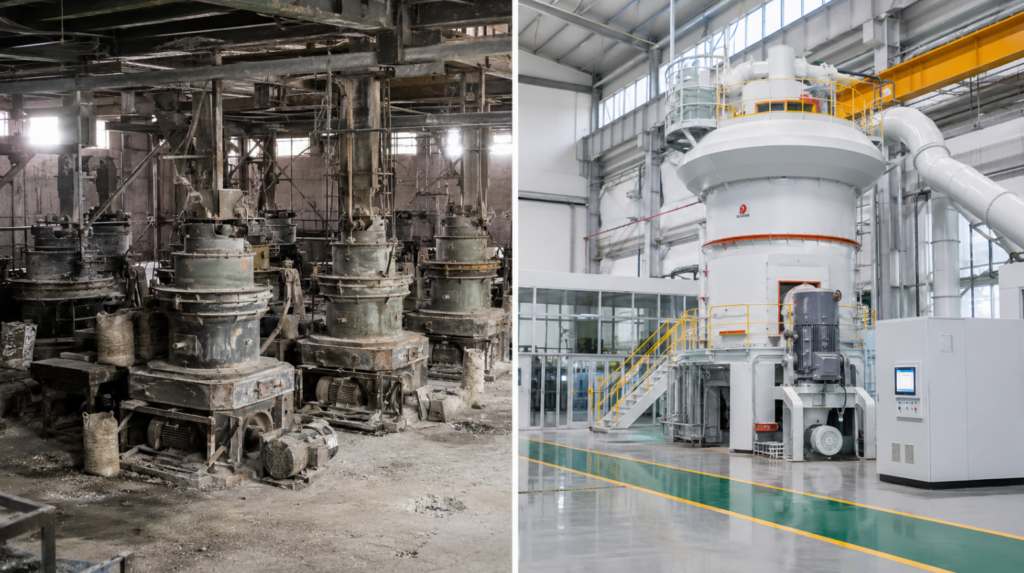
The problem is: This factory previously used 6 independent Raymond mills and produced 200,000 tons of D97=15μm calcium carbonate a year. Labor costs are exorbitant, dust flies everywhere, and equipment maintenance accounts for a full 25% of operating time.
How to solve it: Management disassembled all 6 and replaced them with a large-capacity vertical roller mill equipped with an efficient rotor powder separator.
Final result: The unit energy consumption dropped directly from 32 kWh/t to 22 kWh/t. The manpower in the tube grinding area has been reduced from 12 operators per shift to only 2 central control room technicians. The factory, relying on the saved electricity and labor, fully recovered its initial investment of US$2.5 million in just 18 months.
It all depends on the fineness and capacity you want. The vertical roller mill is the most stable for beating medium and fine powder with large production capacity. For making ultrafine powder, a ball mill with a powder selector is a hard requirement; while ring roller grinding is more suitable for medium-sized plants.
Using the indicator of unit energy consumption, the unit is kWh/t. Take the GCC with D97=10μm for example. The modern vertical mill consumes about 20-25 kWh/t of electricity. Before signing an EPC contract, equipment suppliers must be forced to include the SEC’s guarantee value in the terms.
No. Dry and wet grinding uses two completely incompatible sets of machines, powder selection systems and drying processes. If you rub these two together on a production line, it will definitely cause serious material blockage and equipment corrosion.
A typical 100,000 t/yr dry grinding plant would require approximately 2,000 to 3,000 m2 of core machines, dust removal equipment, and silos. As for how much land the raw mine yard and finished product warehouse will take up, it depends on your actual inventory turnover speed.
Discoloration is usually due to the high iron content in the raw limestone or the wear and tear of the grinding rollers of the mill. High chromium alloy or ceramic lining on grinding parts can effectively prevent iron pollution during the production process.