 Clirik






Buscar
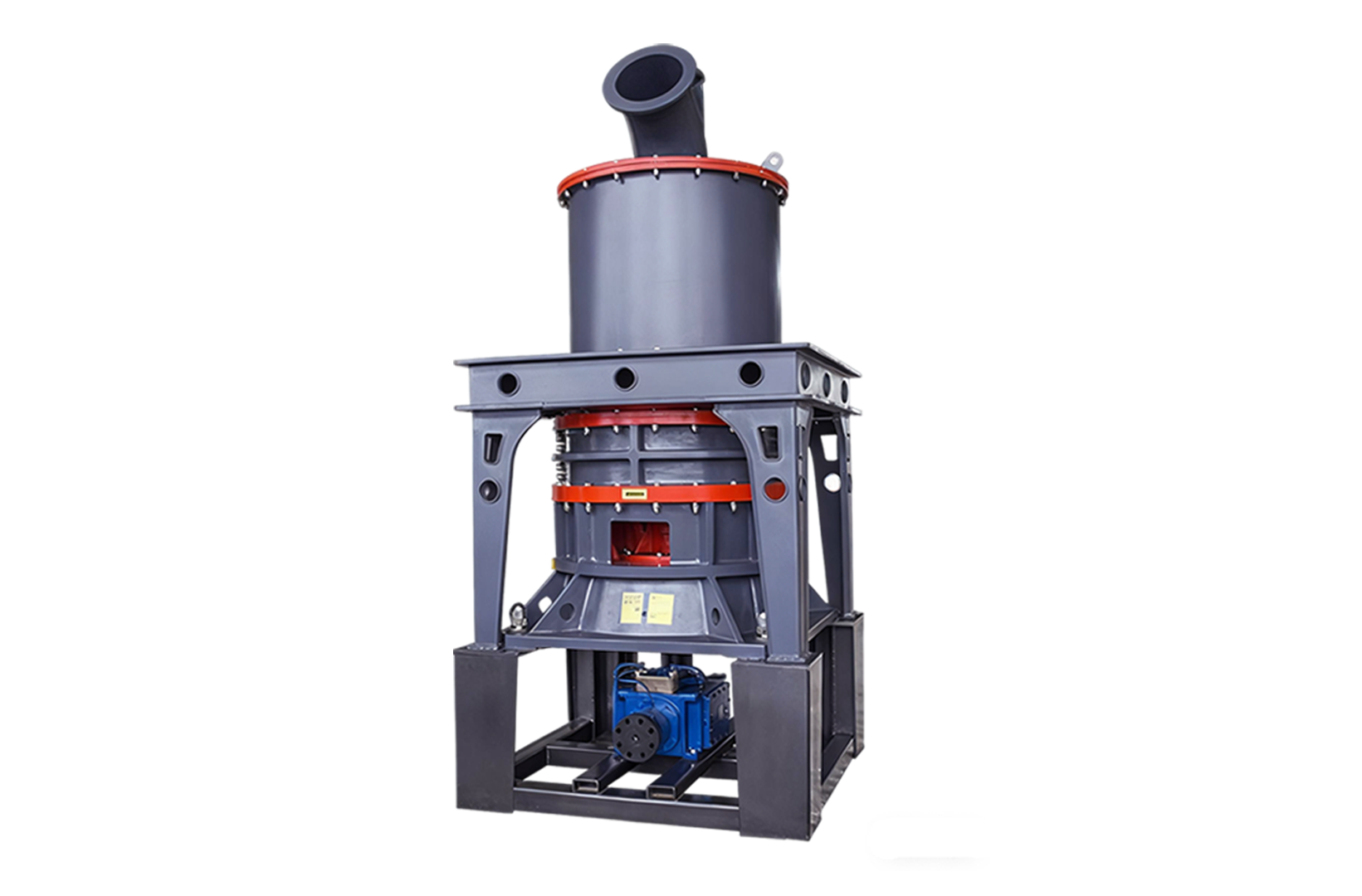
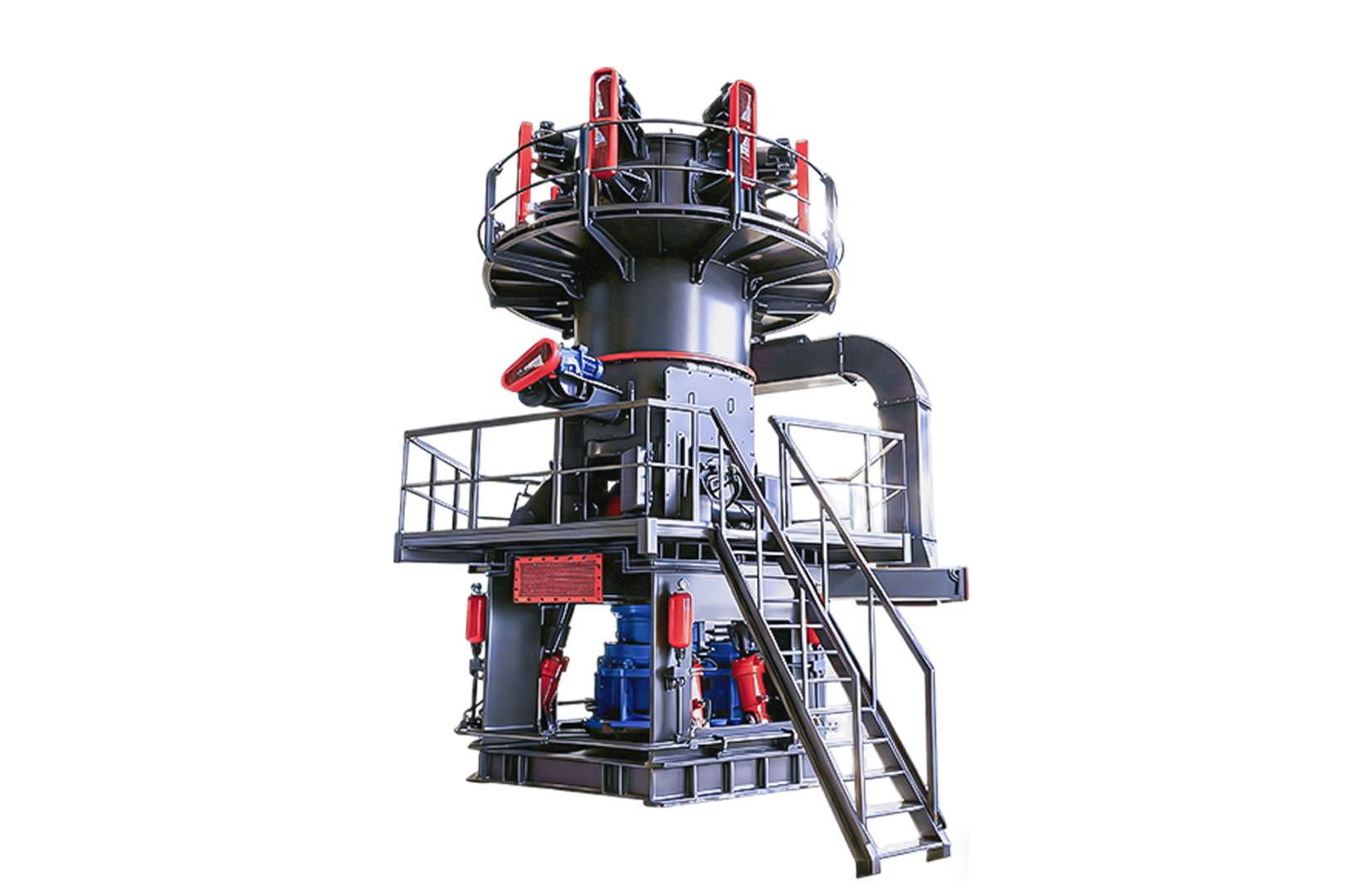
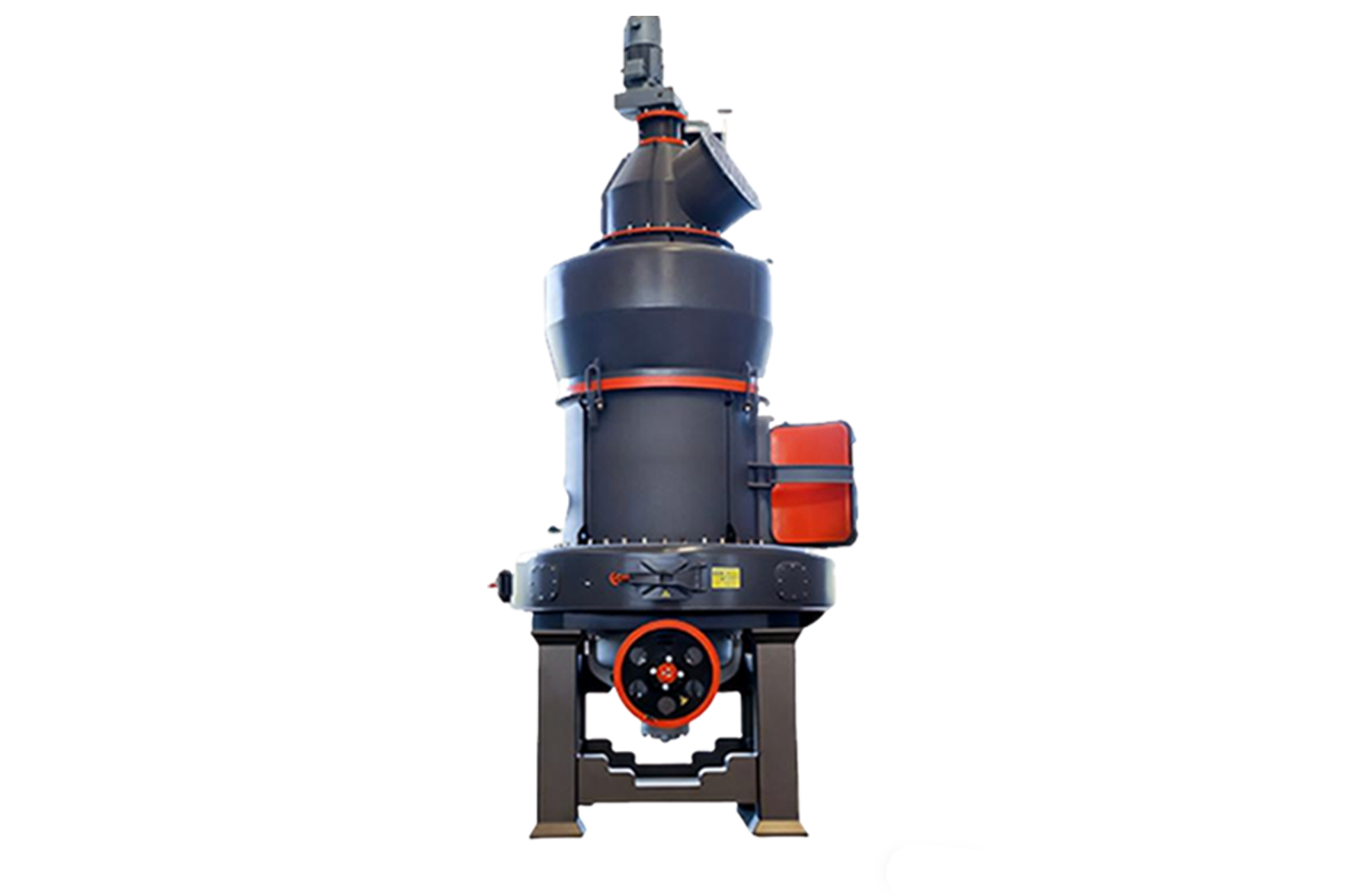
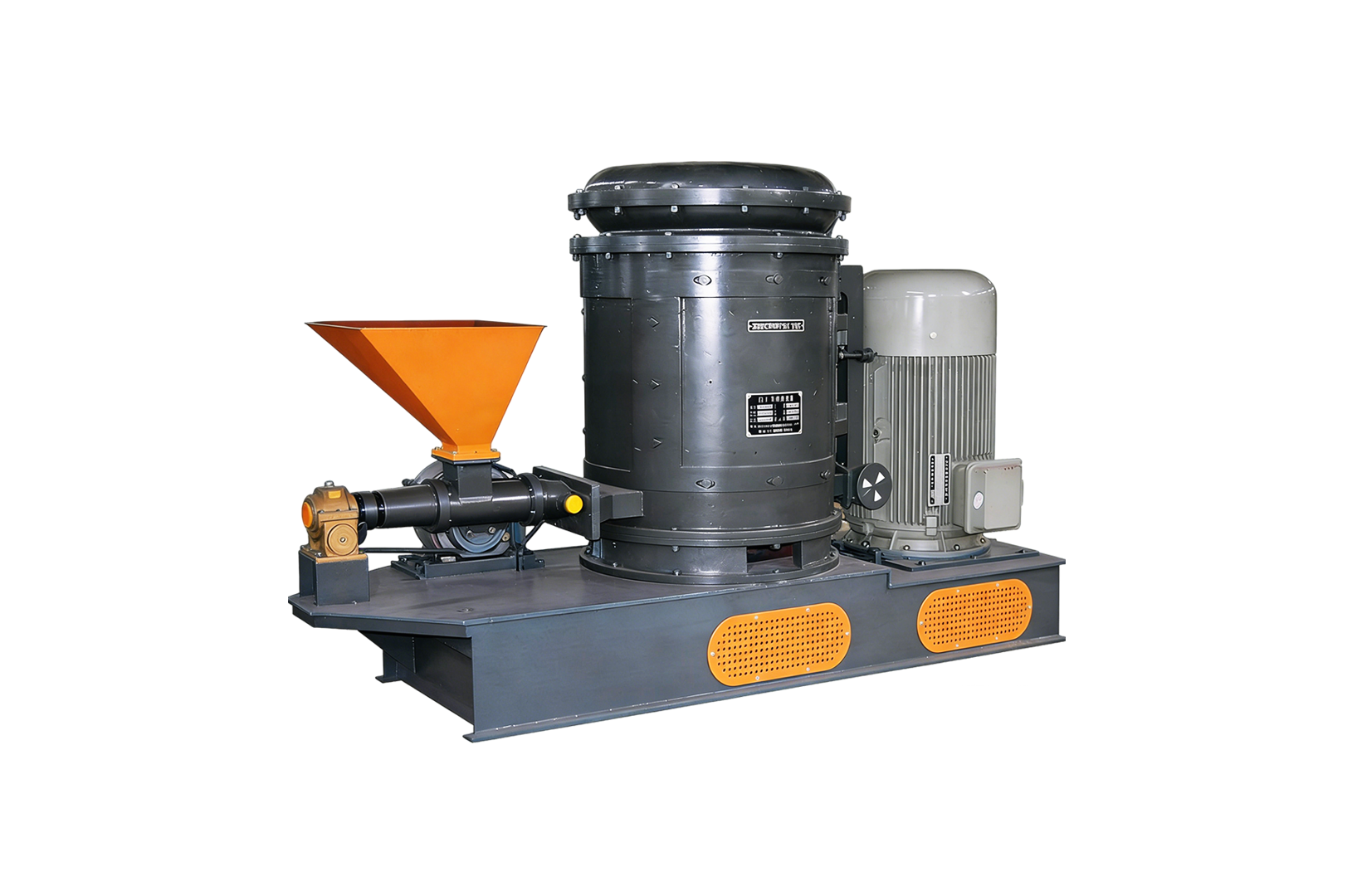
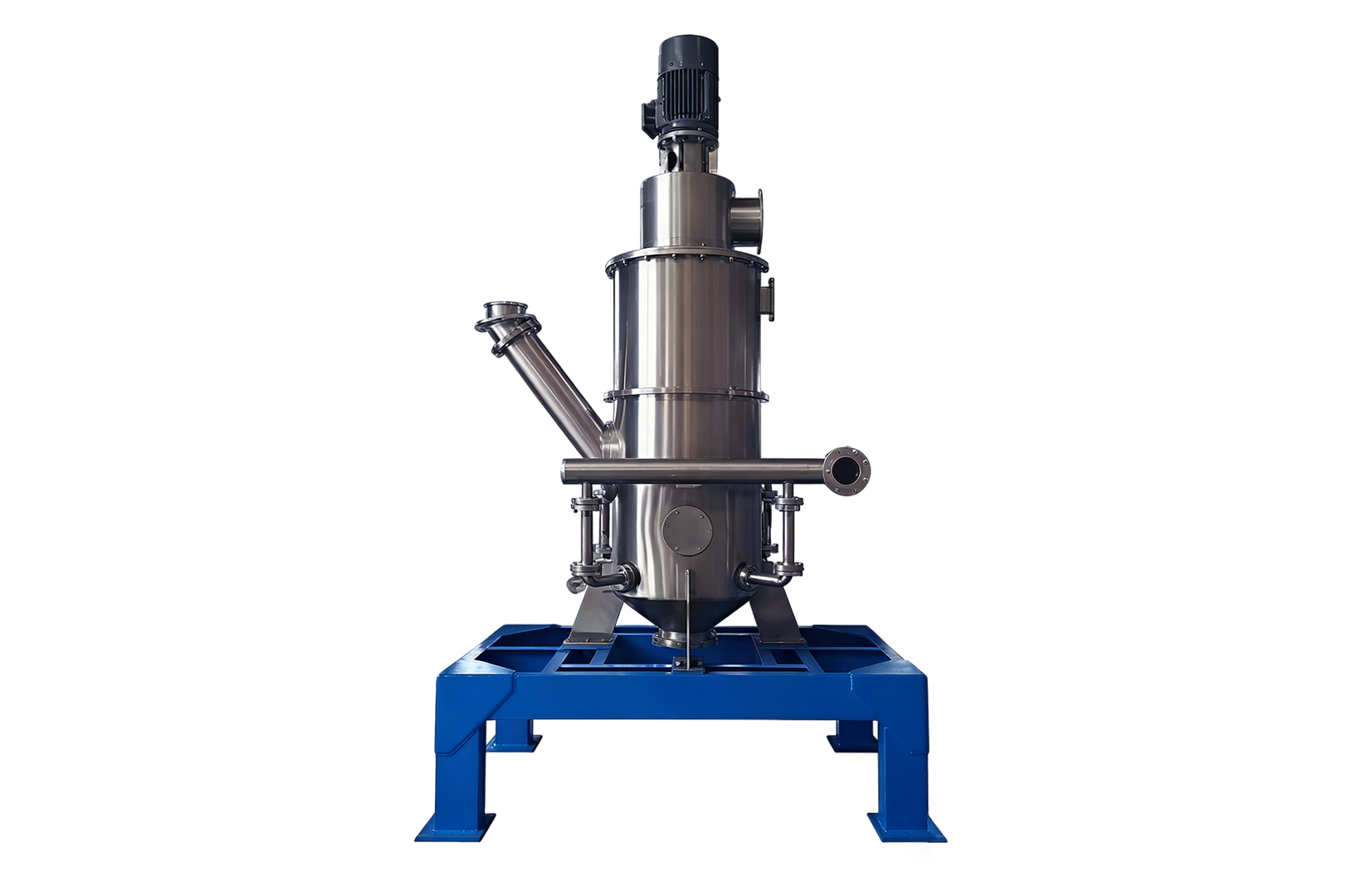
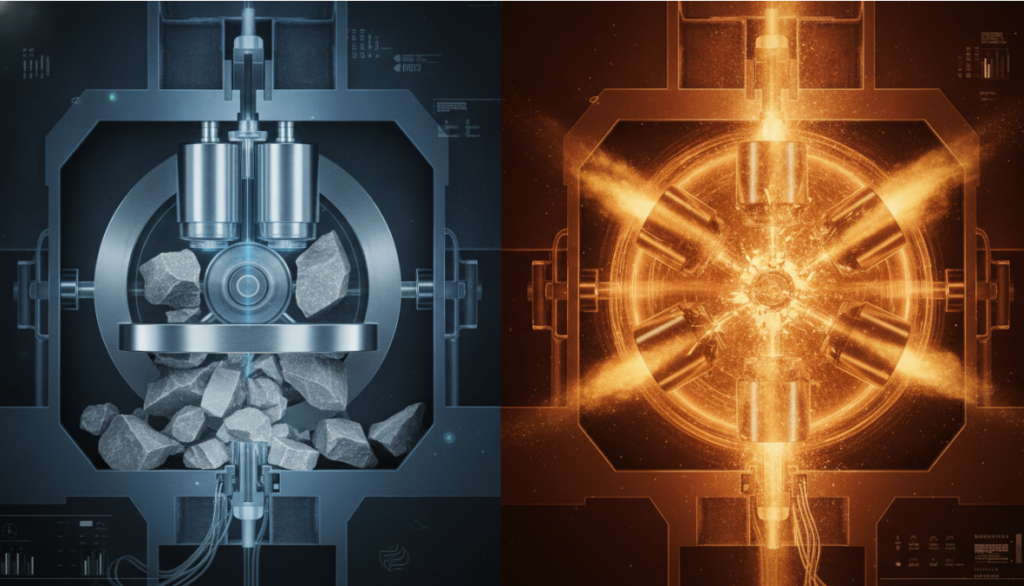
The difference in the core mechanism between the standard raymond mill and the raymond imp mill directly determines the long-term profitability of your mine project. Standard Raymond Mill relies on the extrusion of grinding rollers and grinding rings to crush medium-hardness minerals, and is the absolute main force for high-capacity limestone or coal milling. The impact type Raymonde mill uses high-speed rotating hammer head to crush soft and heat-sensitive materials. This equipment is naturally suitable for “flash drying” and “pulverizing” 2 into one. When you meet those inferior raymond mill manufacturers (Raymond mill manufacturer) who forcibly sell impact Raymond mill to you to deal with highly abrasive materials in order to grab orders at low prices, the huge financial black hole has already opened. This internal reference will directly dismantle the fatal defects in mechanical engineering hidden behind the low price quotation, and help you screen out unreliable suppliers with the most ruthless eyes.
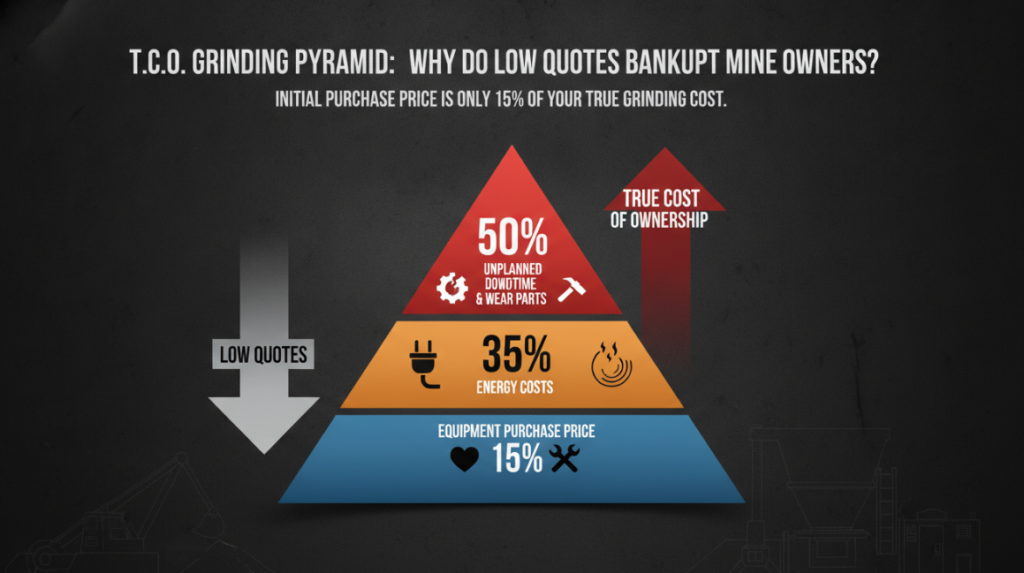
The initial purchase price of the equipment is only 15% of your true grinding cost. Top mine traders always look at the “T.C.O. Total Cost of Ownership Grinding Pyramid” when evaluating crushing and milling equipment “. The inferior manufacturers at the bottom are best at compressing the numbers at the bottom of the pyramid to cover up the subsequent costs on the spire that are fatal enough.
That’s the original offer you saw. Black heart suppliers cheat your purchase contract by eliminating high-grade wear-resistant alloys and castrating heavy-duty reducers to make the price low.
The old motor design and the hip-pulling classifier rotor burn hundreds of degrees of electricity every day. An impact Raymonth mill with poor airflow optimization will only convert the electricity you buy into the hot waste heat of the machine, not the solid grinding kinetic energy.
Even if only one hammer head shattered inside, or the spindle stuck, your entire supply chain would have to shut down immediately. The terrible wear rate will eat up your otherwise good profit margin within the first six months of production.
In the past ten years, we have resumed more than 50 screwed-up grinding projects. The root cause of every major equipment crouches can be traced back to these 3 engineering compromises hidden in the supplier’s technical manual.
As long as the treatment of Mohs hardness of more than 4 abrasive materials, impact Raymonds will go to self-destruction. The core of this kind of equipment is to rely on the rotor to drive the hammer head high-speed “slam” raw materials. If low-end suppliers suggest that you use impact Raymonds to beat quartz sand, iron slag or any highly abrasive material, those manganese steel hammers can only live for a few weeks.
You must strictly correspond the grinding system to the abrasiveness of minerals. A standard Raymonde mill with a roller and roller structure performs much better in handling abrasive materials because it uses a stable “static pressure” instead of a high-speed “impact”. Force your suppliers to hand over 1 verifiable particle size distribution (PSD) test reports and real hammer life betting commitments for your specific raw materials.
The speed of dust pouring back to destroy the spindle bearing is faster than any misoperation. Raymonds grinding chamber is an extremely chaotic, dusty and extremely harsh environment. In order to save costs, cheap manufacturers will use the most basic felt seal or single lip rubber seal on the central spindle. Micron-sized ore dust can easily penetrate this cheap line of defense, contaminate the lubricant and penetrate directly into the bearing housing.
High-end Raymond mill manufacturers will specially customize multi-layer labyrinth sealing system (Labyrinth Seal System), supplemented by positive pressure airflow. This special design can physically block dust particles from close to metal moving parts. Before signing the contract and signing the payment, find out the mechanical drawings of the main shaft sealing assembly they want.
| Seal Type | MTBF (Mean Time Between Failures) | Dust Blocking Efficiency | Maintenance Frequency | Lubricant Contamination Risk |
| Basic Felt / Single-Lip Rubber Seal | 500 – 1,500 Hours | Poor (Vulnerable to micron-sized dust) | High (Frequent replacements needed) | Critical |
| Multi-Layer Labyrinth Seal System* | 8,000 – 15,000+ Hours | Excellent (Physical blockage) | Low (Routine inspection only) | Minimal |
The output figures shouted by the manufacturers almost never match the real harsh conditions of the mine. The supplier may write “15 tons per hour capacity” on the quotation “. But what they don’t tell you is that this data was measured in an absolutely ideal laboratory using completely dried, pre-crushed, extremely soft limestone.
When you produce on the spot, the moisture of the raw materials changes every day, the size of the feed changes from big to small, and the internal parts wear out every day. Materials with a slightly higher water content will immediately block the classifier, causing production to fall off the cliff. You have to force the manufacturer to take the “maximum water content” and “maximum feed size” of your raw materials to recalculate the real production capacity, and never listen to them brag about the limit running data in the laboratory.
In the first round of communication, directly throw out a few hard-core technical indicators, you can immediately filter out 90% of the parallel manufacturers on the market. Don’t ask them “Is your quality good?” This kind of nonsense, directly ask for engineering evidence.
find out the specific alloy composition of the grinding ring, grinding roller or impact hammer. Seeing high-chromium cast iron (High-chromium cast iron) shows that life is guaranteed. If you only dare to write “carbon steel” vaguely on the list, pull black directly.
ask whether the dynamic classifier has an up-converter (VFD). With a frequency converter, you can adjust the fineness of the final discharge at any time. If you are using a constant speed classifier, you have to stop the machine and manually adjust the mechanical structure, which will extremely affect the production efficiency.
put several quotations together and directly weigh more than the gross weight of the machine. If a machine is 20% lighter than its peers, it is definitely a serious shrinkage of the shell and a hollow steel plate for the base. Once this machine is running at full capacity, it is bound to vibrate wildly or even crack directly.
Standard Raymonds rely on heavy-duty grinding rollers to hold down stationary grinding rings and crush materials through “squeezing. The impact type Raymonde mill is to rely on high-speed rotating hammer through the “impact” to crush the material. Impact Raymonds are better at dealing with soft materials and are very suitable for flash drying of high-moisture materials with hot air.
Absolutely not. Quartz is extremely abrasive (Mohs hardness up to 7). The high-speed impact mechanism of the impact Raymonde causes the internal hammer head to be completely ground into scrap iron within a few days. To handle silica ore you need a standard roller mill, or a dedicated heavy-duty ball mill.
It all depends on the abrasiveness of your feed. If it is soft limestone, high-quality high-chromium grinding rollers can carry 1,500 to 2,000 operating hours. If it is a hard barite, be ready to change the accessories every 600 to 800 hours.
Abnormal vibration cannot escape these 3 fatal engineering failures: the dynamic balance of the main shaft is completely destroyed, the grinding roller has serious eccentric wear, or the counterweight of the base foundation is insufficient. In this case, you must stop the machine immediately and check the wear state of the grinding roller immediately, otherwise your reducer will be directly scrapped.
A Raymonth mill with optimized internal air path and modern dynamic classifier can accurately and stably produce finished powder of 80 mesh to 400 mesh (177 to 37 microns). If you have to force it to break through the 400-purpose micropowder, the output will avalanche and burn a huge amount of electricity in vain.