 Clirik




Buscar
Two batches may both be called limestone yet behave differently in a mill. Dolomite, silica, iron-bearing material, and moisture in the source rock can affect abrasiveness, whiteness, throughput, and product purity. Treating a limestone grinding machine as a model with fixed performance can obscure the real basis for selection: the properties of the feed and the powder the process must produce.
Ground limestone can serve construction materials, cement, flue-gas desulfurization, or filler applications. Each use puts a different emphasis on particle size, chemical composition, moisture, reactivity, and whiteness. Powder ground from natural limestone is distinct from quicklime produced by calcination and from precipitated calcium carbonate. Without a clear product and end use, machine names and rated throughput alone say little about suitability.
Limestone consists primarily of natural calcium carbonate, but it is not a uniform feedstock. Beyond chemical composition, maximum feed size, feed size distribution, moisture, hardness, and abrasiveness all affect equipment configuration. Large rock must first be reduced to a size the mill can accept; the grinding stage then produces the required powder fineness. A crusher's ability to handle large pieces does not mean it can make fine powder. Likewise, a mill's stated product fineness does not mean it can take uncrushed rock directly.
When the feed is wet, or the finished powder must have low moisture, drying becomes part of the system decision. Drier feed does not automatically call for the same hot-air arrangement. Changes in hardness and abrasiveness can also alter throughput, energy use, and wear. Applying figures from another limestone deposit merely because the material has the same name ignores a changed feed condition. For high-whiteness or high-purity products, iron-bearing material, silica, and dolomite in the ore deserve particular attention: grinding reduces particle size but cannot remove all of these impurities. Any pretreatment has to follow from the ore and the product requirement.
Describing the product as a certain number of mesh sounds specific, but it does not show how much fine and coarse material the powder contains. d50, d97, top-cut particle size, and sieve residue describe different aspects of the product. Two proposals bearing the same mesh figure may therefore represent different particle size distributions. As the target moves toward ultrafine powder, classification efficiency, circulating load, energy use, wear, and agglomeration become increasingly relevant to the actual result. A claim that a machine can reach a given fineness should be read alongside the method used to define that fineness.
The test method can change what the number means. With a moist, caking, or easily agglomerated powder, a dry-sieve result may count clusters as coarse particles. That is not the same question as whether the mill produced sufficiently fine primary particles. Using a consistent particle size measure makes it possible to judge whether different machines are doing the same job. For a desulfurization product, the powder or slurry state and its reactivity must also fit the chosen dry, semi-dry, or wet process. The requirements of one direct-injection arrangement cannot be applied to every system.
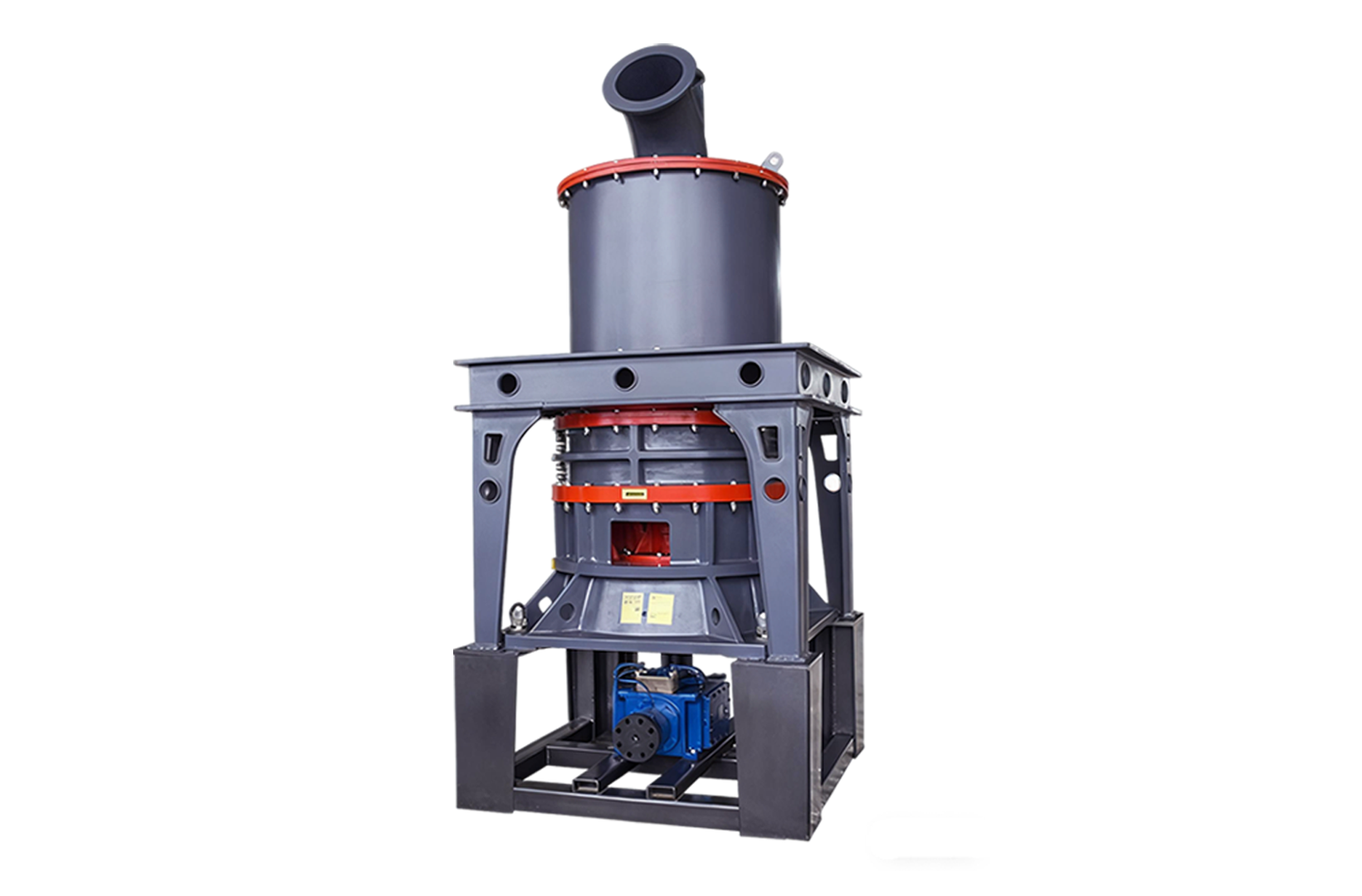
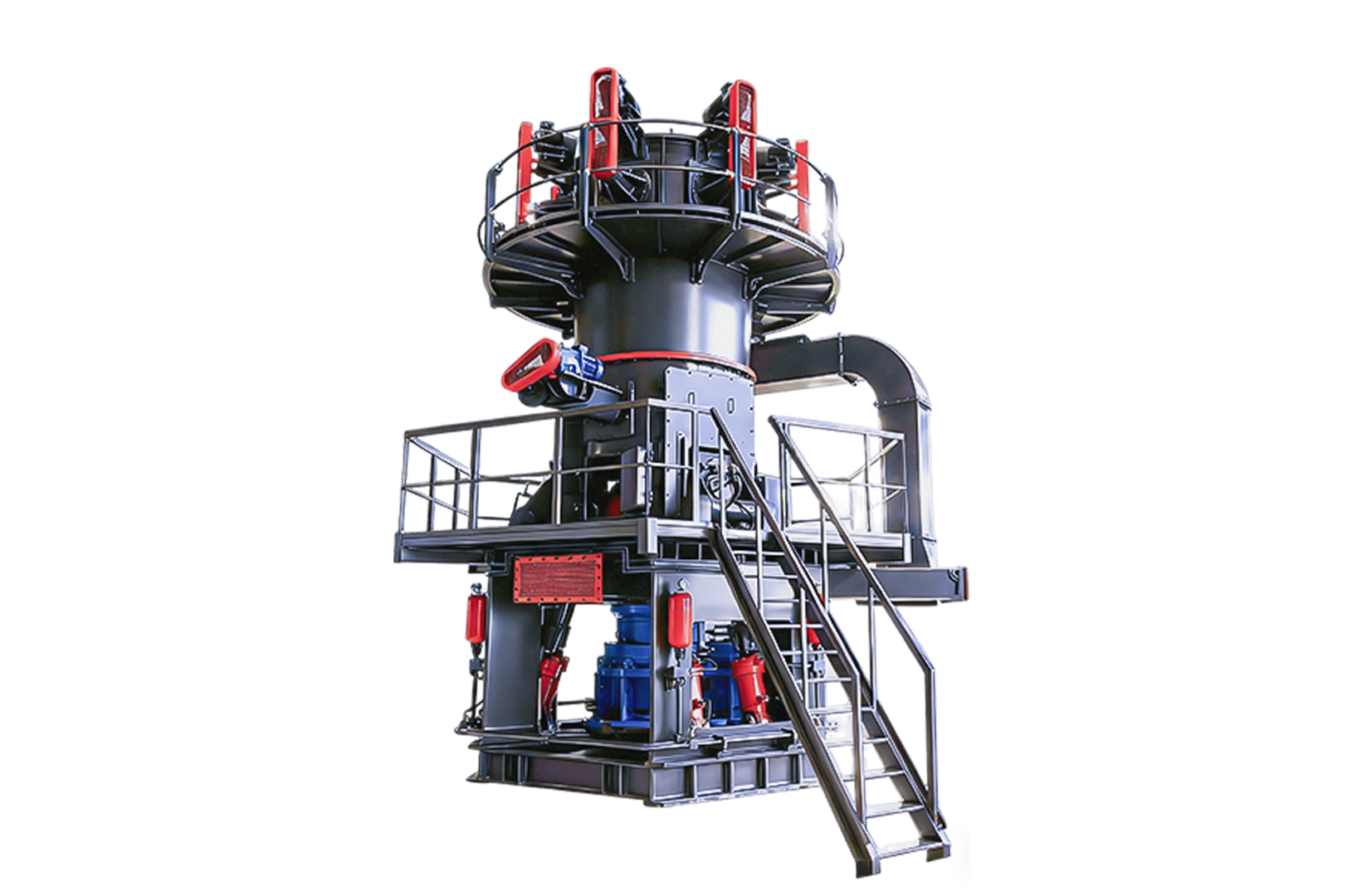
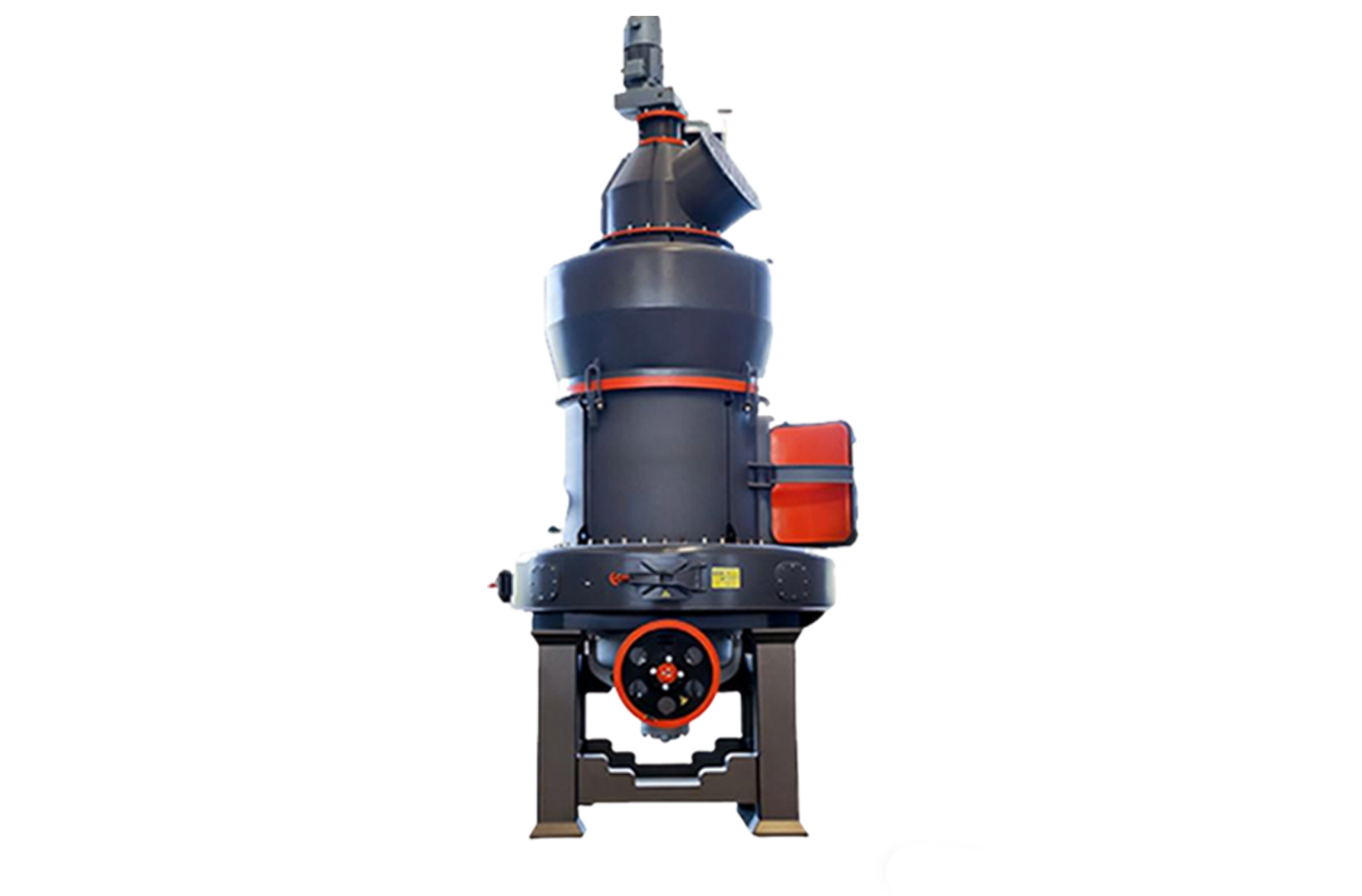
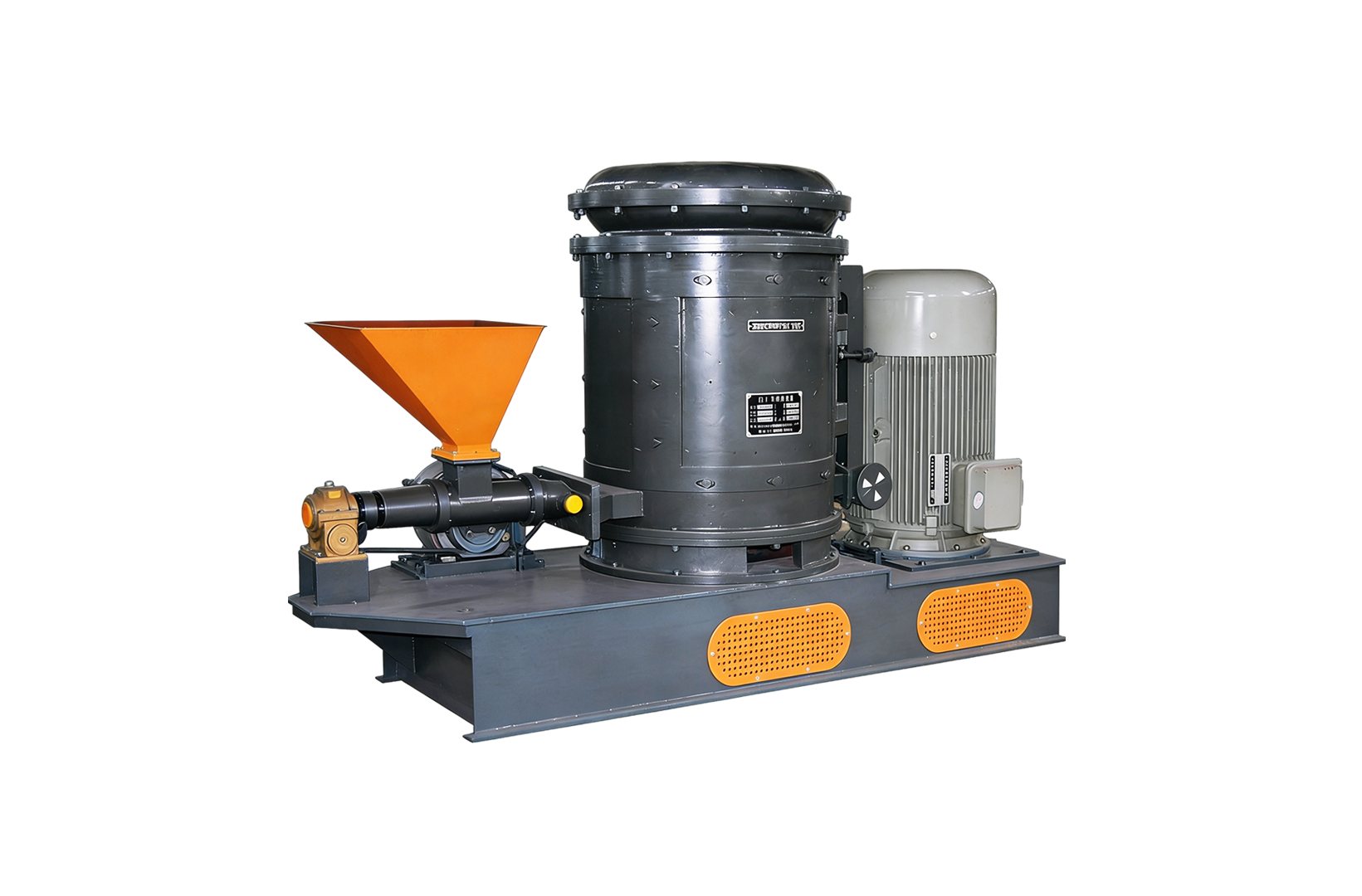
For conventional fine powder with air classification, Raymond or ring-roller systems are candidates. A project seeking continuous grinding and classification, with drying where conditions call for it, may consider a vertical roller mill. When the goal is finer limestone powder with a narrower size distribution, an ultrafine vertical mill or micro-powder mill becomes another candidate. These categories narrow the options; actual fineness, throughput, and wear still depend on the specific model and limestone feed. Clirik's product categories include the CLRM Enhanced Raymond Roller Grinding Mill, CLUM Ultrafine Vertical Roller Grinding Mill, and HGM Ultrafine Grinding Mill. Their names identify different equipment directions, not a fixed throughput or common fineness for every limestone source.
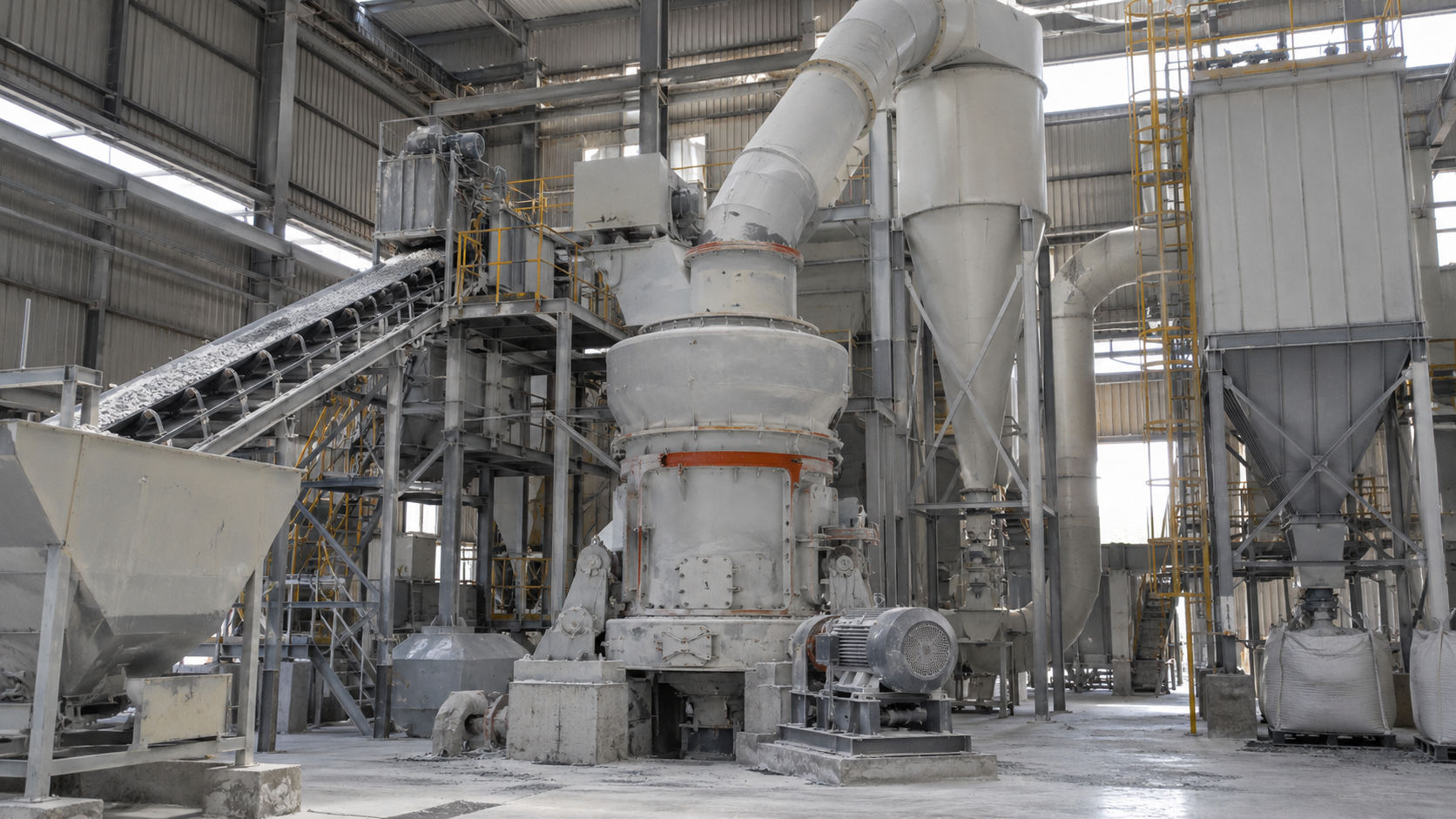
“Grinding machine” may refer to the main mill or to a complete system from feeding through dust collection. After grinding, classification separates acceptable powder from coarse material. In a closed circuit, the coarse fraction can return to the grinding stage. The fan, dust collection, and conveying equipment also affect powder recovery and system operation. Main-motor power is a machine specification, whereas line throughput includes classification and collection conditions. Comparing the two in isolation cannot explain the system's actual powder output.
Throughput and energy figures ultimately need the same feed, target fineness, and system boundary. An attractive number from one project cannot establish another limestone grinding machine's capability once its ore, moisture, particle size definition, and equipment scope have changed.