 Shanghai Clirik Machinery Co.,Ltd

Search
Carbon black is a fine carbon powder produced from the incomplete combustion of petroleum. It serves as an essential reinforcing agent for durable rubber and a premium black pigment for plastics, inks, and coatings.
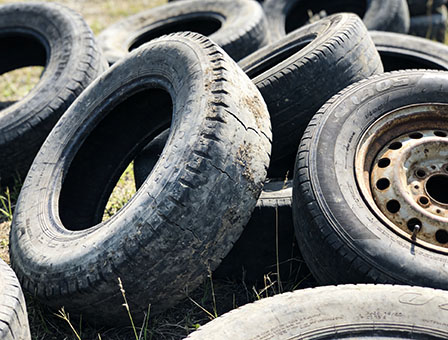
Carbon black is a fine carbon powder produced from the incomplete combustion of petroleum. It serves as an essential reinforcing agent for durable rubber and a premium black pigment for plastics, inks, and coatings.

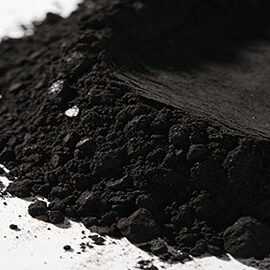
CLIRIK offers a comprehensive range of recycled carbon black (rCB) grinding systems. Our technology is designed to optimize your production efficiency, significantly reduce specific energy consumption, and meet the most stringent manufacturing requirements for various rCB-based products.

Material Introduction
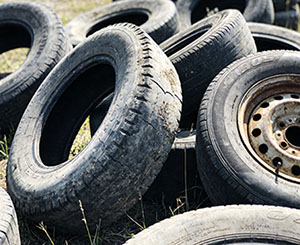
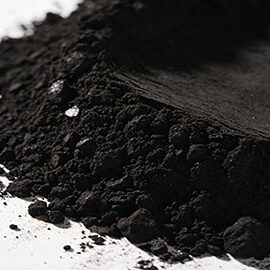
Pyrolysis Carbon Black, often referred to as Recovered Carbon Black (rCB), is the solid residue obtained after the vacuum pyrolysis of scrap tires. It consists of a complex mixture of elemental carbon, inorganic fillers (such as silica and zinc sulfur compounds), and residual rubber hydrocarbons.
In its raw state, rCB tends to form large, porous furnace-black-like agglomerates. Its most valuable industrial trait is its high surface area and significant coloring and reinforcing potential. When processed into ultra-fine powder, rCB exhibits excellent chemical stability and UV resistance. The key to its industrial utility lies in achieving a consistent particle size distribution, which ensures even dispersion within polymer matrices. This allows the material to effectively restore its original function as a reinforcing agent and pigment, contributing to a more sustainable and circular manufacturing process.
Ground Calcium Carbonate (GCC)
Ground Calcium Carbonate (GCC) is produced by the mechanical pulverization of natural minerals like limestone or marble. Since it involves no chemical transformation, it retains the mineral’s original stability but features an irregular, fragmented structure.

Key Properties: High density, low oil absorption, and excellent flowability.
Industrial Value: Used as a “functional filler” in plastics, rubber, and coatings. It increases volume and hardness while allowing high loading levels to significantly reduce production costs.
Process
Mechanical Grinding
Structure
Irregular / Crystalline
Advantage
High Loading / Cost Reduction
Applications
Plastics, Rubber, Coatings
Precipitated Calcium Carbonate (PCC)
Precipitated Calcium Carbonate (PCC), or light calcium carbonate, is a synthetic compound produced through a chemical carbonation process. By calcining limestone and reacting it with CO₂, manufacturers can precisely control the particle morphology to create specific shapes like spindles, spheres, or needles.
Key Properties: Ultra-high whiteness, narrow particle size distribution, and high sedimentation volume.
Industrial Value: Its microporous structure and large specific surface area make it ideal for high-end paper, specialized paints, and pharmaceuticals requiring reinforcement and superior brightness.
Process
Chemical Synthesis
Structure
Regular Geometry
Advantage
High Performance
Applications
Functional Materials
Core Differentiation: Ground (GCC) vs. Precipitated (PCC) Calcium Carbonate

Clirik Total Grinding Solutions
CLIRIK offers a comprehensive range of recycled carbon black (rCB) grinding systems. Our technology is designed to optimize your production efficiency, significantly reduce specific energy consumption, and meet the most stringent manufacturing requirements for various rCB-based products.
Industrial Applications
1
400 – 800 Mesh (D97: 38-18μm): General Purpose & Semi-Reinforcing (N660 / N774)
Applications :
Primarily used for low-end rubber products such as Rubber Tiles, conveyor belt covers, and solid tires.
Advantages :
It provides reliable structural reinforcement and cost-effective coloring. Grade N660 (GPF) is ideal here for its balanced modulus and high flexibility in heavy-duty industrial goods.
2
800 – 1250 Mesh (D97: 18-10μm): Fast Extruding & Medium Reinforcement (N550)
Applications :
The standard for Plastic Masterbatches, PVC pipes, and automotive rubber seals (hoses/seals).
Advantages :
Grade N550 (FEF) is the core choice here. It ensures excellent extrusion performance and surface smoothness. It provides superior UV protection and a uniform black finish without compromising the mechanical integrity of the polymer.
3
1500 – 2500 Mesh (D97: 10-5μm): High Abrasion Resistance (N220 / N330)
Applications :
Applied in Tire Treads, technical rubber compounds, high-performance adhesives, and specialized industrial coatings.
Advantages :
Grade N330 (HAF) and N220 (ISAF) are critical for these applications. They significantly improve the tensile strength and abrasion resistance of rubber. In coatings, they provide superior hiding power and a deep black matte finish.
4
3000 Mesh + (D97: ≤5μm): Specialized Pigment & Electronic Inks (Specialty Black)
Applications :
Specialized pigment for Electronic Inks, high-end decorative coatings, and conductive polymer additives.
Advantages :
These ultra-fine specialty blacks (often beyond the standard N-series) ensure maximum dispersion and nanometer-level surface quality. They are essential for precision materials where consistent conductivity, color depth, and particle morphology are critical.
Core Processing Advantages
Optimizing Particle Distribution with CLIRIK Technology:
When processing rCB, CLIRIK’s grinding systems utilize specialized shear and compression forces to achieve superior results. We focus on reducing energy consumption while ensuring a uniform particle size distribution (PSD), which is vital for carbon black in applications.
Customized Powder Engineering:
We provide specialized grinding solutions that transform raw tire into premium Recycled Carbon Black (rCB). Our systems are optimized to meet the fineness requirements of the tire manufacturing, rubber compounding, and plastic masterbatch industries.
Purity & Jetness Protection (Grit Reduction):
In the carbon black industry, reducing “grit” (metallic and abrasive impurities) is critical. Our core grinding components are engineered with ultra-wear-resistant alloys to minimize mechanical wear. This ensures the final product maintains its deep Jetness and prevents metallic contamination that could compromise the quality of downstream rubber products.
Intelligent Particle Control:
Our modular mill design and intelligent control systems strictly monitor D97 levels, ensuring high batch-to-batch consistency.
24/7 Rapid Response Maintenance:
We minimize unplanned downtime through our responsive global after-sales network and spare parts supply, providing technical support to keep your production lines running at peak performance.
Related Cases
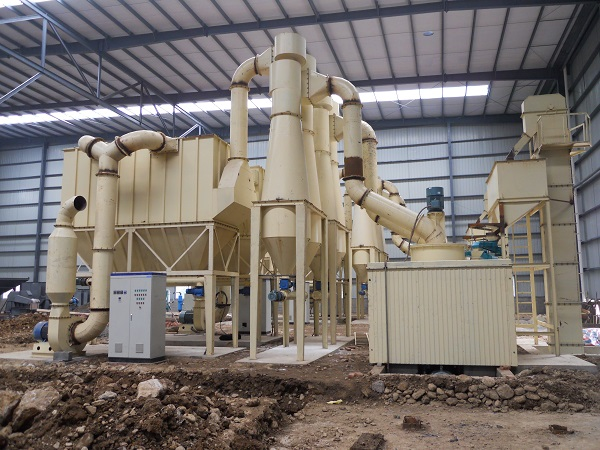
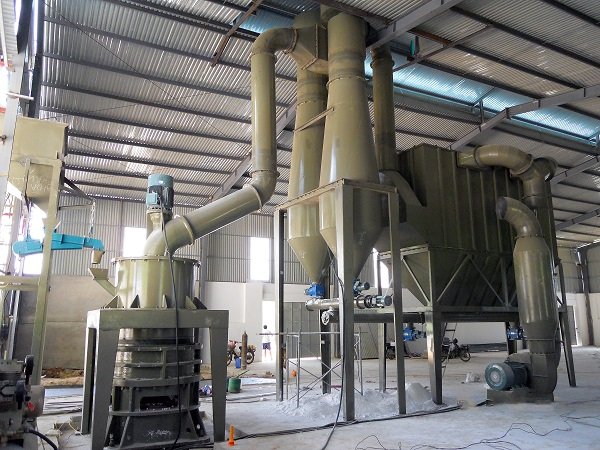
Clirik HGM Series Ultrafine Mill has been successfully integrated into a production line in Abu Dhabi, United Arab Emirates
To meet the client’s demand in Abu Dhabi, United Arab Emirates, for high-precision 10-micron (D97) calcium carbonate, our experts engineered an eco-friendly production line focused on strict particle size control and zero dust emission. By integrating advanced ball milling units, precision classifiers, and powder coating equipment, the system ensures uniform particle distribution and minimal material loss, delivering a high-quality, sustainable solution for premium industrial powder applications.
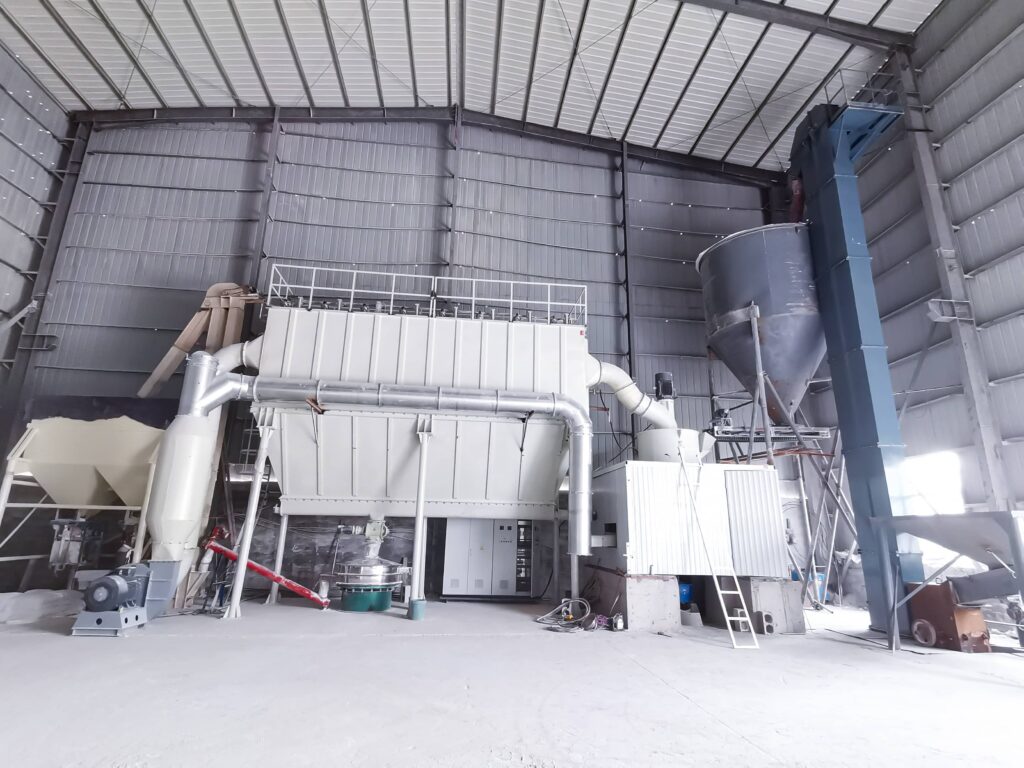
Clirik CLUM Series Vertical Mill was officially commissioned for high-end powder grinding in Ho Chi Minh City, Vietnam
By incorporating advanced vertical grinding mills and smart separators, our technical team customized a high-efficiency processing circuit in Ho Chi Minh City, Vietnam. This project was specifically designed to satisfy local requirements for 15-micron (D97) mineral fillers through rigorous fineness management and clean-air operation. The facility guarantees consistent product quality and optimized power savings, providing a top-tier, eco-conscious outcome for specialized manufacturing sectors.
CLIRIK offers a comprehensive range of recycled carbon black (rCB) grinding systems. Our technology is designed to optimize your production efficiency, significantly reduce specific energy consumption, and meet the most stringent manufacturing requirements for various rCB-based products.
Material Introduction
Pyrolysis Carbon Black, often referred to as Recovered Carbon Black (rCB), is the solid residue obtained after the vacuum pyrolysis of scrap tires. It consists of a complex mixture of elemental carbon, inorganic fillers (such as silica and zinc sulfur compounds), and residual rubber hydrocarbons.
In its raw state, rCB tends to form large, porous furnace-black-like agglomerates. Its most valuable industrial trait is its high surface area and significant coloring and reinforcing potential. When processed into ultra-fine powder, rCB exhibits excellent chemical stability and UV resistance. The key to its industrial utility lies in achieving a consistent particle size distribution, which ensures even dispersion within polymer matrices. This allows the material to effectively restore its original function as a reinforcing agent and pigment, contributing to a more sustainable and circular manufacturing process.
Ground Calcium Carbonate (GCC)
Ground Calcium Carbonate (GCC) is produced by the mechanical pulverization of natural minerals like limestone or marble. Since it involves no chemical transformation, it retains the mineral’s original stability but features an irregular, fragmented structure.
Key Properties: High density, low oil absorption, and excellent flowability.
Industrial Value: Used as a “functional filler” in plastics, rubber, and coatings. It increases volume and hardness while allowing high loading levels to significantly reduce production costs.
Precipitated Calcium Carbonate (PCC)
Precipitated Calcium Carbonate (PCC), or light calcium carbonate, is a synthetic compound produced through a chemical carbonation process. By calcining limestone and reacting it with CO₂, manufacturers can precisely control the particle morphology to create specific shapes like spindles, spheres, or needles.
Key Properties: Ultra-high whiteness, narrow particle size distribution, and high sedimentation volume.
Industrial Value: Its microporous structure and large specific surface area make it ideal for high-end paper, specialized paints, and pharmaceuticals requiring reinforcement and superior brightness.
Core Differentiation: Ground (GCC) vs. Precipitated (PCC) Calcium Carbonate
Clirik Total Grinding Solutions
CLIRIK offers a comprehensive range of recycled carbon black (rCB) grinding systems. Our technology is designed to optimize your production efficiency, significantly reduce specific energy consumption, and meet the most stringent manufacturing requirements for various rCB-based products.
Industrial Applications
1
400 – 800 Mesh (D97: 38-18μm): General Purpose & Semi-Reinforcing (N660 / N774)
Applications :
Primarily used for low-end rubber products such as Rubber Tiles, conveyor belt covers, and solid tires.
Advantages :
It provides reliable structural reinforcement and cost-effective coloring. Grade N660 (GPF) is ideal here for its balanced modulus and high flexibility in heavy-duty industrial goods.
2
800 – 1250 Mesh (D97: 18-10μm): Fast Extruding & Medium Reinforcement (N550)
Applications :
The standard for Plastic Masterbatches, PVC pipes, and automotive rubber seals (hoses/seals).
Advantages :
Grade N550 (FEF) is the core choice here. It ensures excellent extrusion performance and surface smoothness. It provides superior UV protection and a uniform black finish without compromising the mechanical integrity of the polymer.
3
1500 – 2500 Mesh (D97: 10-5μm): High Abrasion Resistance (N220 / N330)
Applications :
Applied in Tire Treads, technical rubber compounds, high-performance adhesives, and specialized industrial coatings.
Advantages :
Grade N330 (HAF) and N220 (ISAF) are critical for these applications. They significantly improve the tensile strength and abrasion resistance of rubber. In coatings, they provide superior hiding power and a deep black matte finish.
4
3000 Mesh + (D97: ≤5μm): Specialized Pigment & Electronic Inks (Specialty Black)
Applications :
Specialized pigment for Electronic Inks, high-end decorative coatings, and conductive polymer additives.
Advantages :
These ultra-fine specialty blacks (often beyond the standard N-series) ensure maximum dispersion and nanometer-level surface quality. They are essential for precision materials where consistent conductivity, color depth, and particle morphology are critical.
Core Processing Advantages
Optimizing Particle Distribution with CLIRIK Technology:
When processing rCB, CLIRIK’s grinding systems utilize specialized shear and compression forces to achieve superior results. We focus on reducing energy consumption while ensuring a uniform particle size distribution (PSD), which is vital for carbon black in applications.
Customized Powder Engineering:
We provide specialized grinding solutions that transform raw tire into premium Recycled Carbon Black (rCB). Our systems are optimized to meet the fineness requirements of the tire manufacturing, rubber compounding, and plastic masterbatch industries.
Purity & Jetness Protection (Grit Reduction):
In the carbon black industry, reducing “grit” (metallic and abrasive impurities) is critical. Our core grinding components are engineered with ultra-wear-resistant alloys to minimize mechanical wear. This ensures the final product maintains its deep Jetness and prevents metallic contamination that could compromise the quality of downstream rubber products.
Intelligent Particle Control:
Our modular mill design and intelligent control systems strictly monitor D97 levels, ensuring high batch-to-batch consistency.
24/7 Rapid Response Maintenance:
We minimize unplanned downtime through our responsive global after-sales network and spare parts supply, providing technical support to keep your production lines running at peak performance.
Related Cases
Clirik HGM Series Ultrafine Mill has been successfully integrated into a production line in Abu Dhabi, United Arab Emirates
To meet the client’s demand in Abu Dhabi, United Arab Emirates, for high-precision 10-micron (D97) calcium carbonate, our experts engineered an eco-friendly production line focused on strict particle size control and zero dust emission. By integrating advanced ball milling units, precision classifiers, and powder coating equipment, the system ensures uniform particle distribution and minimal material loss, delivering a high-quality, sustainable solution for premium industrial powder applications.
Clirik CLUM Series Vertical Mill was officially commissioned for high-end powder grinding in Ho Chi Minh City, Vietnam
By incorporating advanced vertical grinding mills and smart separators, our technical team customized a high-efficiency processing circuit in Ho Chi Minh City, Vietnam. This project was specifically designed to satisfy local requirements for 15-micron (D97) mineral fillers through rigorous fineness management and clean-air operation. The facility guarantees consistent product quality and optimized power savings, providing a top-tier, eco-conscious outcome for specialized manufacturing sectors.
Versatile Solutions for Diverse Industries

Non-metallic
Mineral Powder

Paint/Dye

Plastic/Rubber Filler

Building Materials
Industry

More
Versatile Solutions for Diverse Industries
Non-metallic
Mineral Powder
Paint/Dye
Plastic/Rubber Filler
Building Materials
Industry
More
CLIRIK achieves two-way empowerment through global customer visits and on-site services, winning worldwide trust with full-process professional support.
In recent years, the global powder processing industry has witnessed a sharp rise in demand for ultra-fine powder products, driven by sectors…
Talcum powder is a widely used industrial material across cosmetics, pharmaceuticals, and plastics, making an efficient talcum powder…
Unfortunately, the information you searched was not found
CLIRIK achieves two-way empowerment through global customer visits and on-site services, winning worldwide trust with full-process professional support.
In recent years, the global powder processing industry has witnessed a sharp rise in demand for ultra-fine powder products, driven by sectors…
Talcum powder is a widely used industrial material across cosmetics, pharmaceuticals, and plastics, making an efficient talcum powder…
Unfortunately, the information you searched was not found
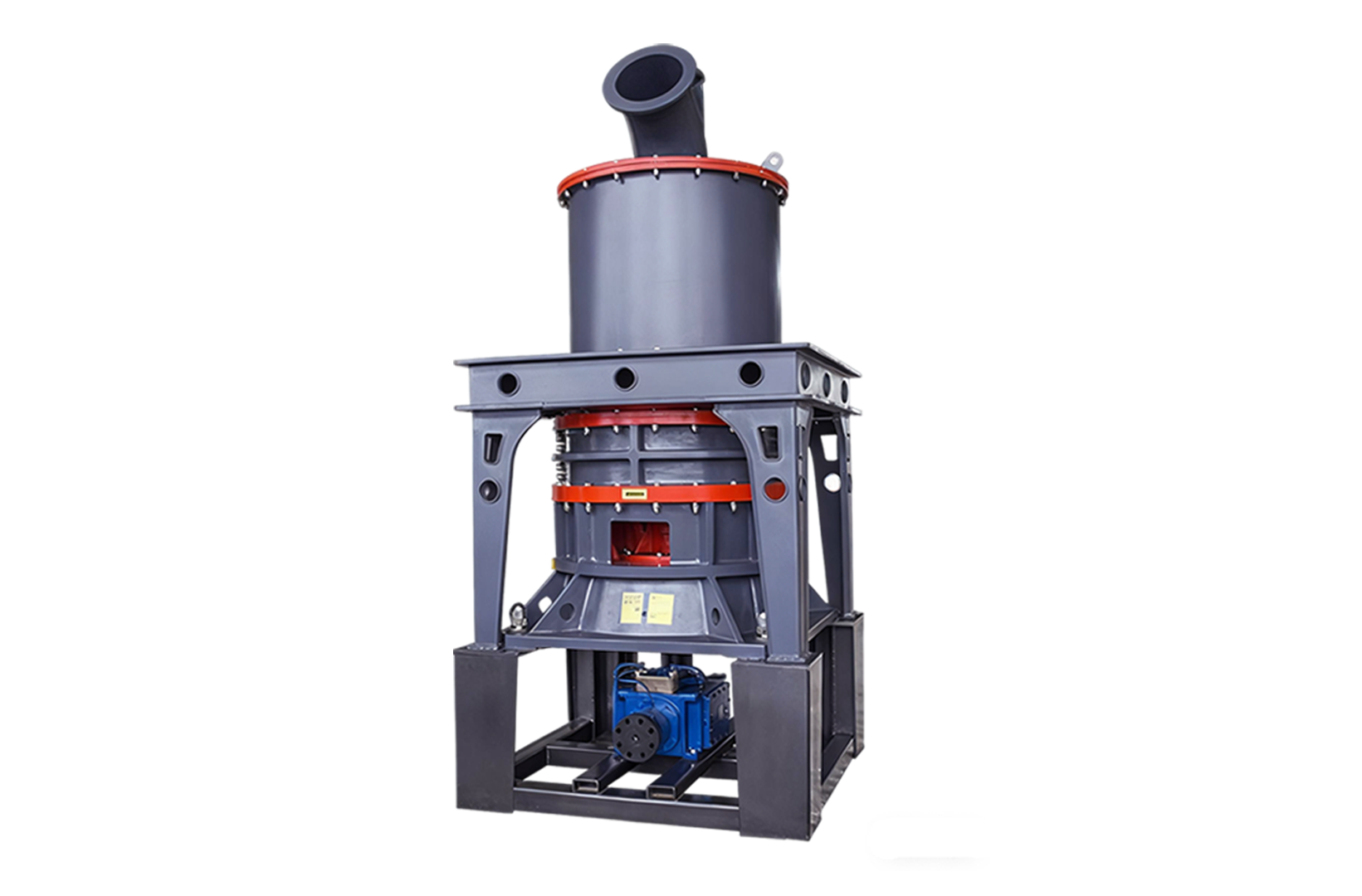
HGM Ultrafine Grinding Mill
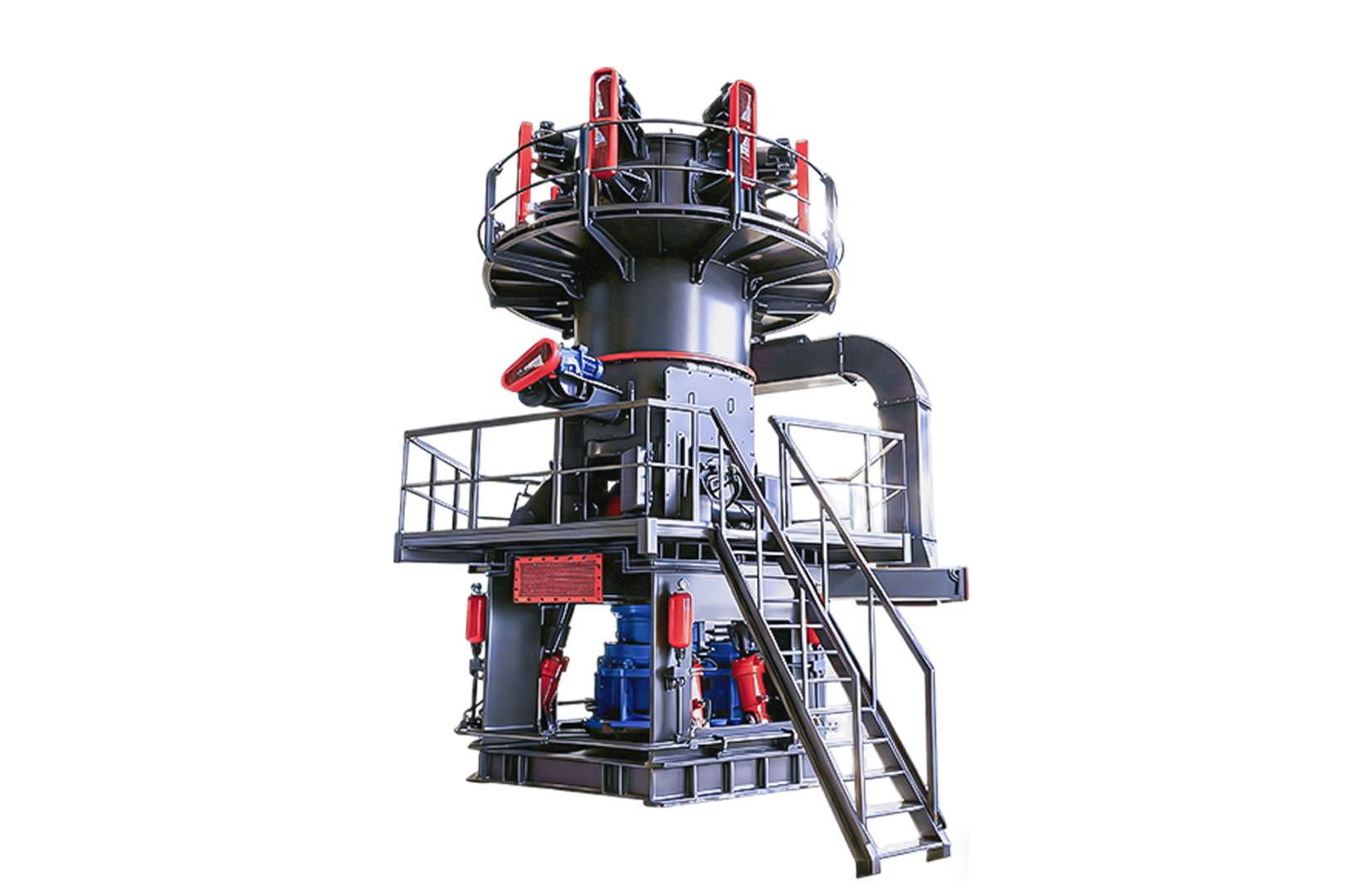
CLUM Ultrafine Vertical Roller Mill
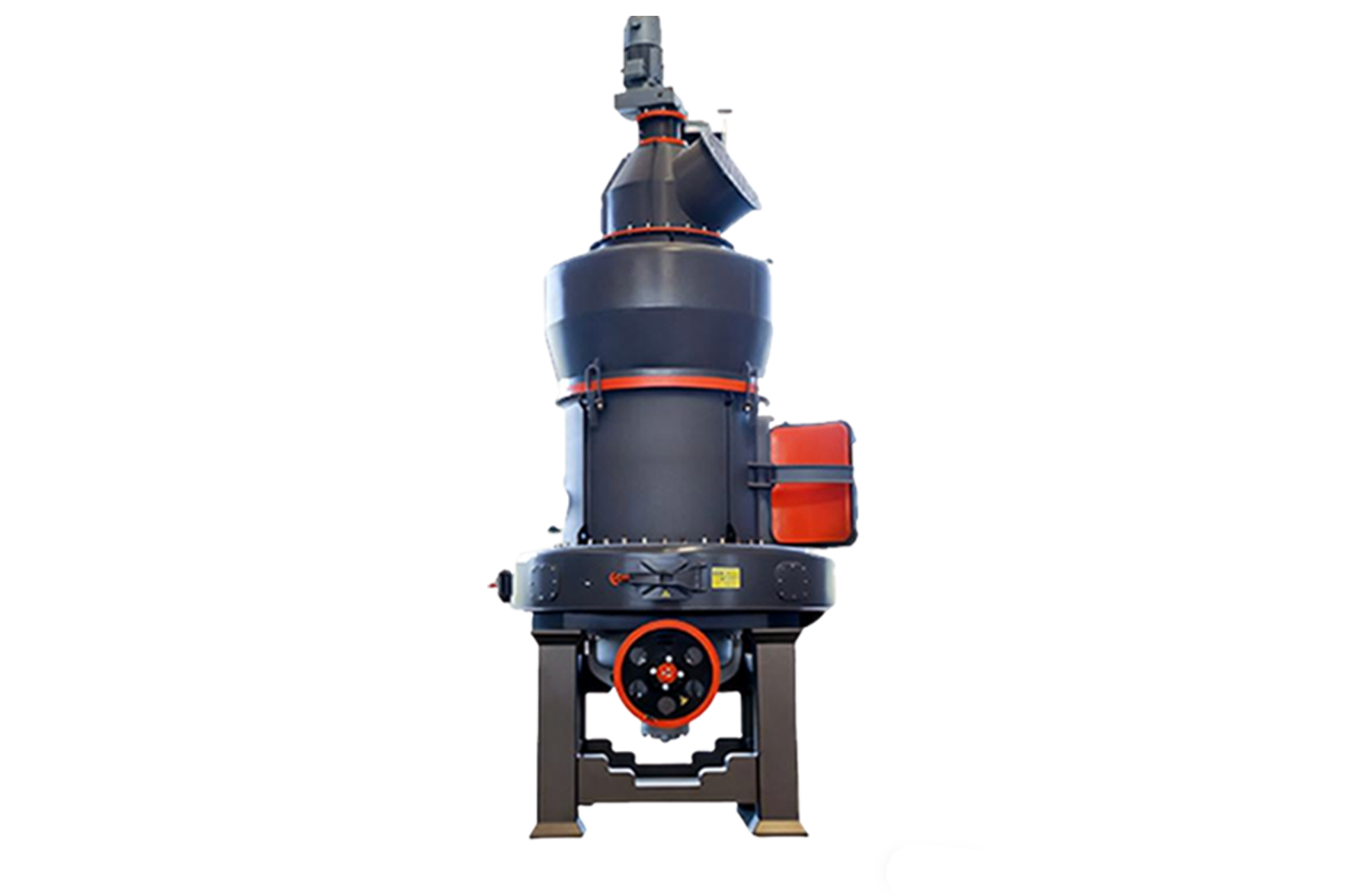
CLRM Raymond Roller Mill
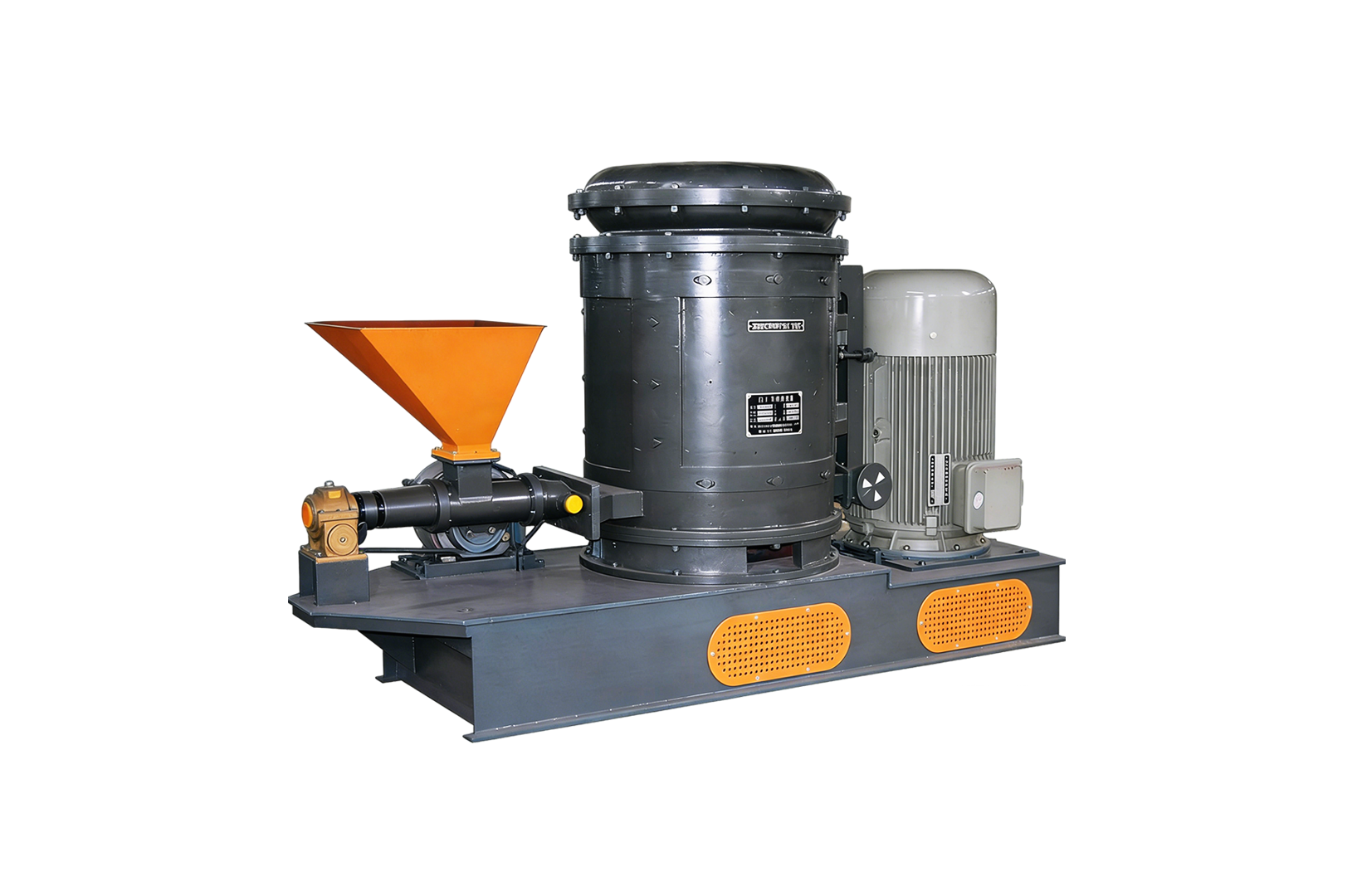
Air Classifier Mill
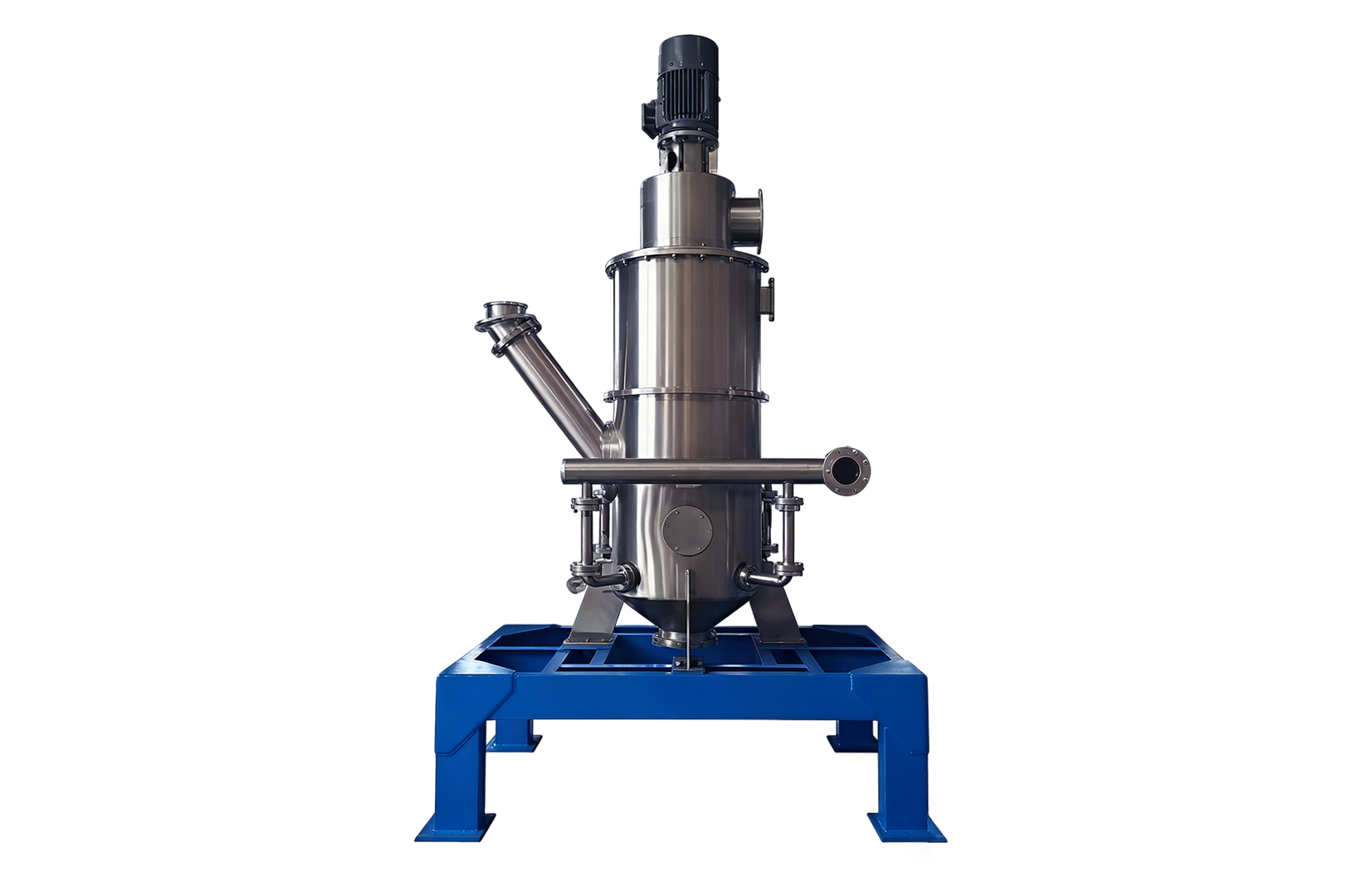
Jet Mill