 Shanghai Clirik Machinery Co.,Ltd

Search
As a hydrous calcium sulfate mineral, its unique chemistry allows it to lose or regain water of crystallization through heating. This “chemical memory” provides superior fire-retardant properties, utilized extensively in plasterboards and cement retarders.
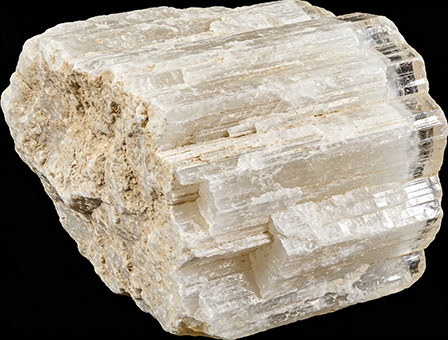
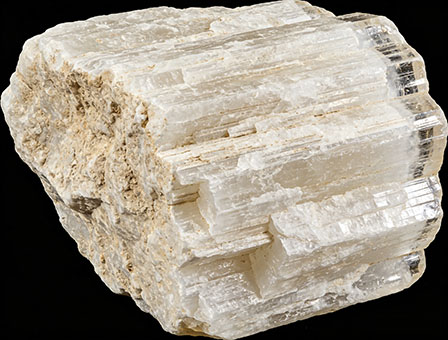
As a hydrous calcium sulfate mineral, its unique chemistry allows it to lose or regain water of crystallization through heating. This “chemical memory” provides superior fire-retardant properties, utilized extensively in plasterboards and cement retarders.
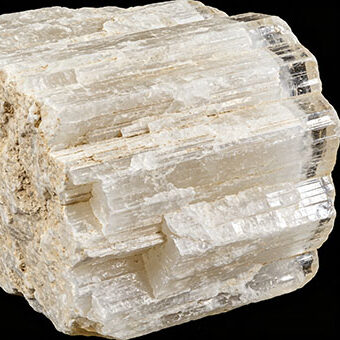

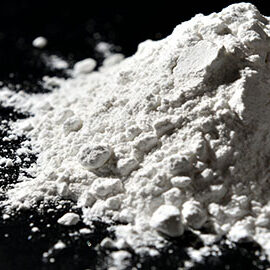
CLIRIK offers a comprehensive range of gypsum crushing and grinding systems. Our technology is designed to optimize your production efficiency, significantly reduce specific energy consumption, and meet the most stringent manufacturing requirements for various gypsum-based products.

Material Introduction
Gypsum is a soft sulfate mineral composed of calcium sulfate dihydrate (CaSO₄·2H₂O). With a Mohs hardness of 2, it is one of the softest minerals and is easily ground into fine powder. Gypsum is formed as an evaporite mineral and is found in massive beds. It has the unique property of losing its water of crystallization when heated, forming plaster of Paris, which then hardens when mixed with water. This makes it an essential material for both industrial and artistic purposes.
Ground Calcium Carbonate (GCC)
Ground Calcium Carbonate (GCC) is produced by the mechanical pulverization of natural minerals like limestone or marble. Since it involves no chemical transformation, it retains the mineral’s original stability but features an irregular, fragmented structure.

Key Properties: High density, low oil absorption, and excellent flowability.
Industrial Value: Used as a “functional filler” in plastics, rubber, and coatings. It increases volume and hardness while allowing high loading levels to significantly reduce production costs.
Process
Mechanical Grinding
Structure
Irregular / Crystalline
Advantage
High Loading / Cost Reduction
Applications
Plastics, Rubber, Coatings
Precipitated Calcium Carbonate (PCC)
Precipitated Calcium Carbonate (PCC), or light calcium carbonate, is a synthetic compound produced through a chemical carbonation process. By calcining limestone and reacting it with CO₂, manufacturers can precisely control the particle morphology to create specific shapes like spindles, spheres, or needles.
Key Properties: Ultra-high whiteness, narrow particle size distribution, and high sedimentation volume.
Industrial Value: Its microporous structure and large specific surface area make it ideal for high-end paper, specialized paints, and pharmaceuticals requiring reinforcement and superior brightness.
Process
Chemical Synthesis
Structure
Regular Geometry
Advantage
High Performance
Applications
Functional Materials
Core Differentiation: Ground (GCC) vs. Precipitated (PCC) Calcium Carbonate

Clirik Total Grinding Solutions
CLIRIK offers a comprehensive range of gypsum crushing and grinding systems. Our technology is designed to optimize your production efficiency, significantly reduce specific energy consumption, and meet the most stringent manufacturing requirements for various gypsum-based products.
Industrial Applications
1
200 – 400 Mesh (D97: 75-38μm)
Primarily used in the construction industry for manufacturing plasterboards, ceiling tiles, and wall blocks. In the cement industry, it is an essential retarder to regulate the setting time of concrete, ensuring proper workability during infrastructure projects.
2
800 – 1250 Mesh (D97: 18-10μm)
High-purity gypsum at this fineness is used in the food and pharmaceutical sectors. It serves as a coagulant for tofu production and a calcium supplement in nutritional products. In pharmaceuticals, it acts as an stable excipient and diluent for tablets and capsules.
3
1500 – 2500 Mesh (D97: 10-5μm)
Premium grade for high-precision industrial modeling and dental impressions. It is also used as an extender in the paint and coating industry to improve flame retardancy and surface texture. In agriculture, it helps in soil conditioning to improve water penetration and neutralize soil acidity.
4
3000 Mesh + (D97: ≤5μm)
Specialized for advanced functional fillers in high-end polymers, specialty adhesives, and ultra-fine paper coatings. At this ultra-fine level, it provides superior smoothness and enhanced thermal stability, making it ideal for precision engineering and chemical additives requiring maximum consistency.
Core Processing Advantages
Optimizing Particle Distribution with CLIRIK Technology:
When processing gypsum, CLIRIK’s grinding systems utilize specialized shear and compression forces to achieve superior results. We focus on reducing energy consumption while ensuring a uniform particle size distribution (PSD), which is vital for high-end filler applications.
Customized Powder Engineering:
We provide tailor-made solutions matching international standards for whiteness and fineness across the construction industries.
Whiteness & Purity Protection:
For continuous high-pressure grinding, our core components feature top-tier wear-resistant coatings to prevent iron contamination, ensuring the gypsum product maintains its premium brightness.
Intelligent Particle Control:
Our modular mill design and intelligent control systems strictly monitor D97 levels, ensuring high batch-to-batch consistency.
24/7 Rapid Response Maintenance:
We minimize unplanned downtime through our responsive global after-sales network and spare parts supply, providing technical support to keep your production lines running at peak performance.
Related Cases
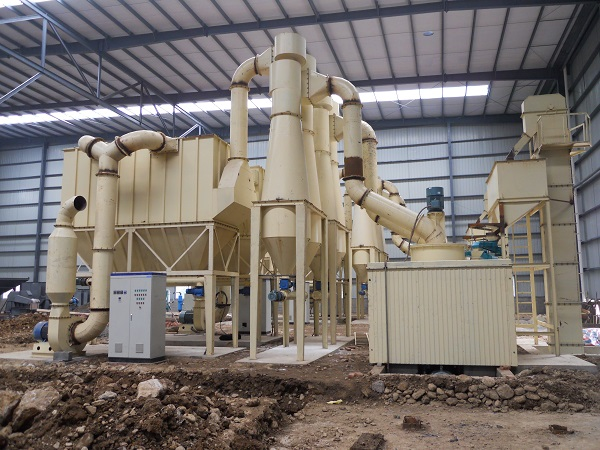
Clirik HGM Series Ultrafine Mill has been successfully integrated into a production line in Abu Dhabi, United Arab Emirates
To meet the client’s demand in Abu Dhabi, United Arab Emirates, for high-precision 10-micron (D97) calcium carbonate, our experts engineered an eco-friendly production line focused on strict particle size control and zero dust emission. By integrating advanced ball milling units, precision classifiers, and powder coating equipment, the system ensures uniform particle distribution and minimal material loss, delivering a high-quality, sustainable solution for premium industrial powder applications.
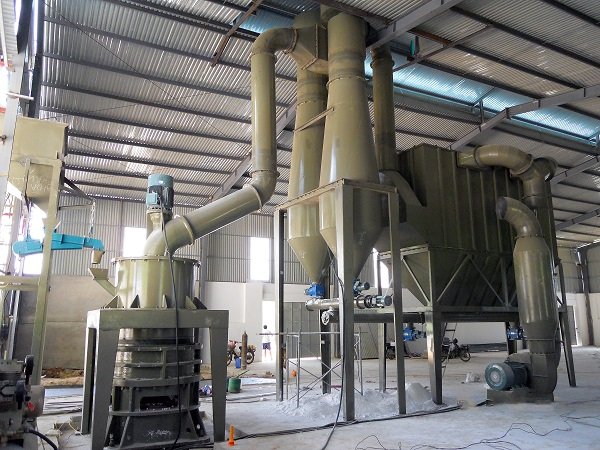
Clirik CLUM Series Vertical Mill was officially commissioned for high-end powder grinding in Ho Chi Minh City, Vietnam
By incorporating advanced vertical grinding mills and smart separators, our technical team customized a high-efficiency processing circuit in Ho Chi Minh City, Vietnam. This project was specifically designed to satisfy local requirements for 15-micron (D97) mineral fillers through rigorous fineness management and clean-air operation. The facility guarantees consistent product quality and optimized power savings, providing a top-tier, eco-conscious outcome for specialized manufacturing sectors.
CLIRIK offers a comprehensive range of gypsum crushing and grinding systems. Our technology is designed to optimize your production efficiency, significantly reduce specific energy consumption, and meet the most stringent manufacturing requirements for various gypsum-based products.
Material Introduction
Gypsum is a soft sulfate mineral composed of calcium sulfate dihydrate (CaSO₄·2H₂O). With a Mohs hardness of 2, it is one of the softest minerals and is easily ground into fine powder. Gypsum is formed as an evaporite mineral and is found in massive beds. It has the unique property of losing its water of crystallization when heated, forming plaster of Paris, which then hardens when mixed with water. This makes it an essential material for both industrial and artistic purposes.
Ground Calcium Carbonate (GCC)
Ground Calcium Carbonate (GCC) is produced by the mechanical pulverization of natural minerals like limestone or marble. Since it involves no chemical transformation, it retains the mineral’s original stability but features an irregular, fragmented structure.
Key Properties: High density, low oil absorption, and excellent flowability.
Industrial Value: Used as a “functional filler” in plastics, rubber, and coatings. It increases volume and hardness while allowing high loading levels to significantly reduce production costs.
Precipitated Calcium Carbonate (PCC)
Precipitated Calcium Carbonate (PCC), or light calcium carbonate, is a synthetic compound produced through a chemical carbonation process. By calcining limestone and reacting it with CO₂, manufacturers can precisely control the particle morphology to create specific shapes like spindles, spheres, or needles.
Key Properties: Ultra-high whiteness, narrow particle size distribution, and high sedimentation volume.
Industrial Value: Its microporous structure and large specific surface area make it ideal for high-end paper, specialized paints, and pharmaceuticals requiring reinforcement and superior brightness.
Core Differentiation: Ground (GCC) vs. Precipitated (PCC) Calcium Carbonate
Clirik Total Grinding Solutions
CLIRIK offers a comprehensive range of gypsum crushing and grinding systems. Our technology is designed to optimize your production efficiency, significantly reduce specific energy consumption, and meet the most stringent manufacturing requirements for various gypsum-based products.
Industrial Applications
1
200 – 400 Mesh (D97: 75-38μm)
Primarily used in the construction industry for manufacturing plasterboards, ceiling tiles, and wall blocks. In the cement industry, it is an essential retarder to regulate the setting time of concrete, ensuring proper workability during infrastructure projects.
2
800 – 1250 Mesh (D97: 18-10μm)
High-purity gypsum at this fineness is used in the food and pharmaceutical sectors. It serves as a coagulant for tofu production and a calcium supplement in nutritional products. In pharmaceuticals, it acts as an stable excipient and diluent for tablets and capsules.
3
1500 – 2500 Mesh (D97: 10-5μm)
pplications :
Premium grade for high-precision industrial modeling and dental impressions. It is also used as an extender in the paint and coating industry to improve flame retardancy and surface texture. In agriculture, it helps in soil conditioning to improve water penetration and neutralize soil acidity.
4
3000 Mesh + (D97: ≤5μm)
pplications :
Specialized for advanced functional fillers in high-end polymers, specialty adhesives, and ultra-fine paper coatings. At this ultra-fine level, it provides superior smoothness and enhanced thermal stability, making it ideal for precision engineering and chemical additives requiring maximum consistency.
Core Processing Advantages
Optimizing Particle Distribution with CLIRIK Technology:
When processing gypsum, CLIRIK’s grinding systems utilize specialized shear and compression forces to achieve superior results. We focus on reducing energy consumption while ensuring a uniform particle size distribution (PSD), which is vital for high-end filler applications.
Customized Powder Engineering:
We provide tailor-made solutions matching international standards for whiteness and fineness across the construction industries.
Whiteness & Purity Protection:
For continuous high-pressure grinding, our core components feature top-tier wear-resistant coatings to prevent iron contamination, ensuring the gypsum product maintains its premium brightness.
Intelligent Particle Control:
Our modular mill design and intelligent control systems strictly monitor D97 levels, ensuring high batch-to-batch consistency.
24/7 Rapid Response Maintenance:
We minimize unplanned downtime through our responsive global after-sales network and spare parts supply, providing technical support to keep your production lines running at peak performance.
Related Cases
Clirik HGM Series Ultrafine Mill has been successfully integrated into a production line in Abu Dhabi, United Arab Emirates
To meet the client’s demand in Abu Dhabi, United Arab Emirates, for high-precision 10-micron (D97) calcium carbonate, our experts engineered an eco-friendly production line focused on strict particle size control and zero dust emission. By integrating advanced ball milling units, precision classifiers, and powder coating equipment, the system ensures uniform particle distribution and minimal material loss, delivering a high-quality, sustainable solution for premium industrial powder applications.
Clirik CLUM Series Vertical Mill was officially commissioned for high-end powder grinding in Ho Chi Minh City, Vietnam
By incorporating advanced vertical grinding mills and smart separators, our technical team customized a high-efficiency processing circuit in Ho Chi Minh City, Vietnam. This project was specifically designed to satisfy local requirements for 15-micron (D97) mineral fillers through rigorous fineness management and clean-air operation. The facility guarantees consistent product quality and optimized power savings, providing a top-tier, eco-conscious outcome for specialized manufacturing sectors.
Versatile Solutions for Diverse Industries

Non-metallic
Mineral Powder

Paint/Dye

Plastic/Rubber Filler

Building Materials
Industry

More
Versatile Solutions for Diverse Industries
Non-metallic
Mineral Powder
Paint/Dye
Plastic/Rubber Filler
Building Materials
Industry
More
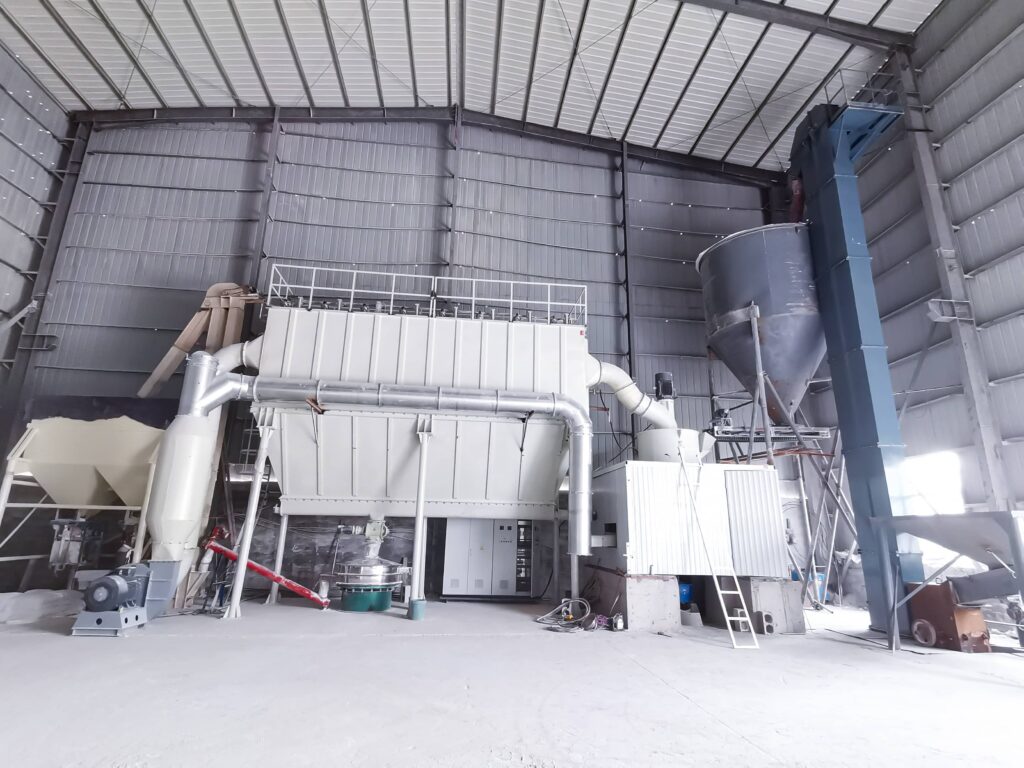
CLIRIK achieves two-way empowerment through global customer visits and on-site services, winning worldwide trust with full-process professional support.
In recent years, the global powder processing industry has witnessed a sharp rise in demand for ultra-fine powder products, driven by sectors…
Talcum powder is a widely used industrial material across cosmetics, pharmaceuticals, and plastics, making an efficient talcum powder…
Unfortunately, the information you searched was not found
CLIRIK achieves two-way empowerment through global customer visits and on-site services, winning worldwide trust with full-process professional support.
In recent years, the global powder processing industry has witnessed a sharp rise in demand for ultra-fine powder products, driven by sectors…
Talcum powder is a widely used industrial material across cosmetics, pharmaceuticals, and plastics, making an efficient talcum powder…
Unfortunately, the information you searched was not found
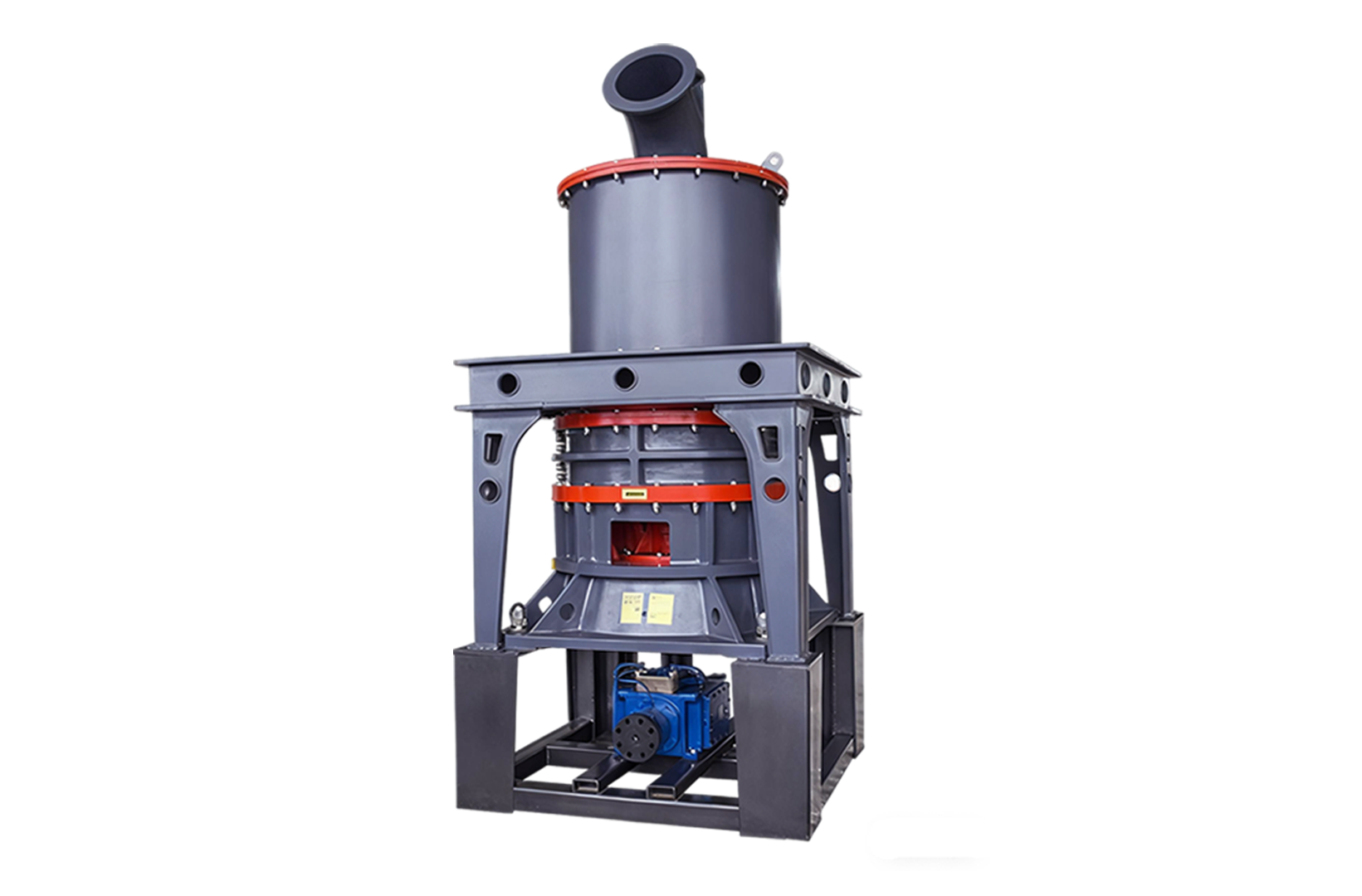
HGM Ultrafine Grinding Mill
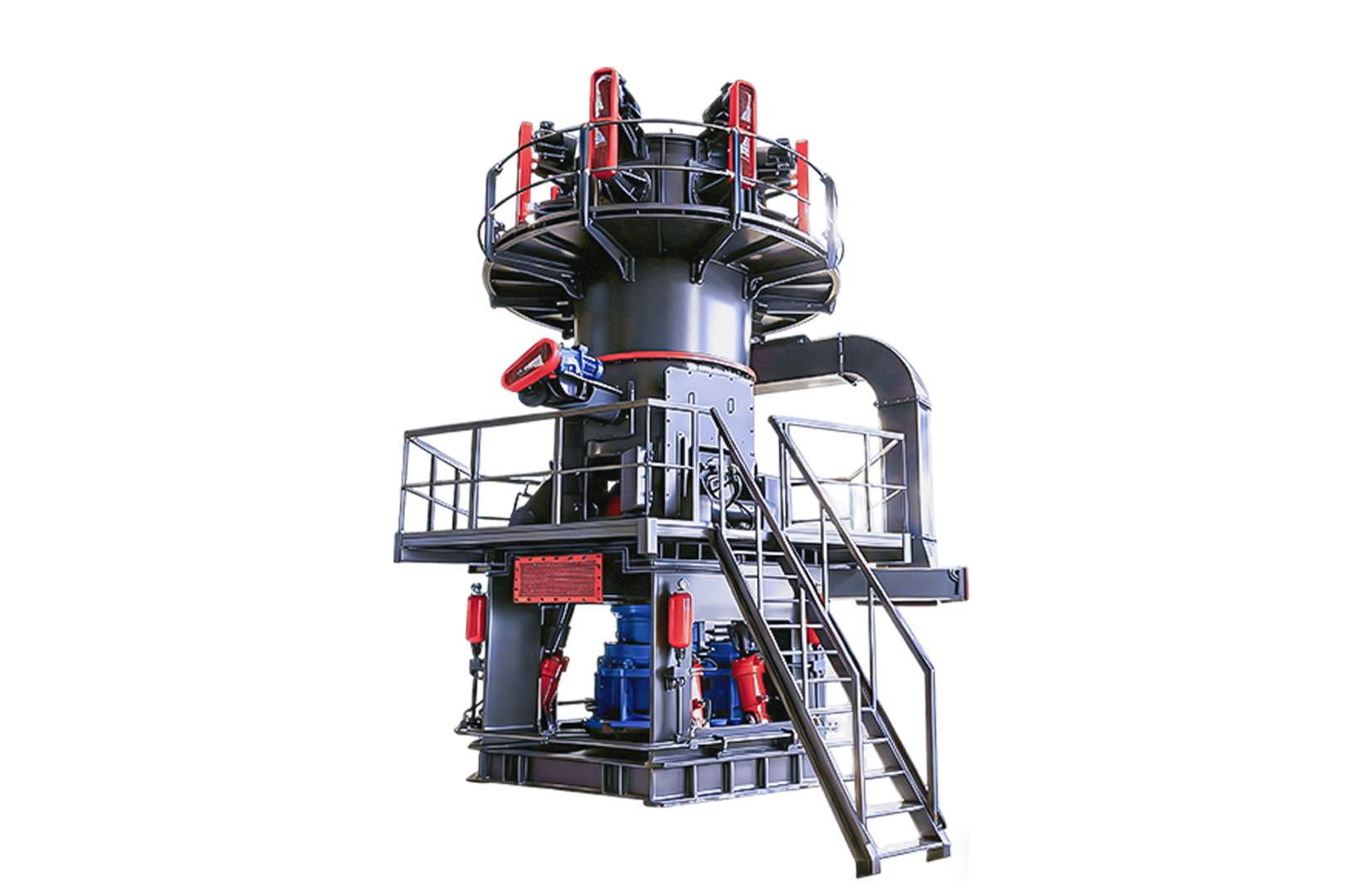
CLUM Ultrafine Vertical Roller Mill
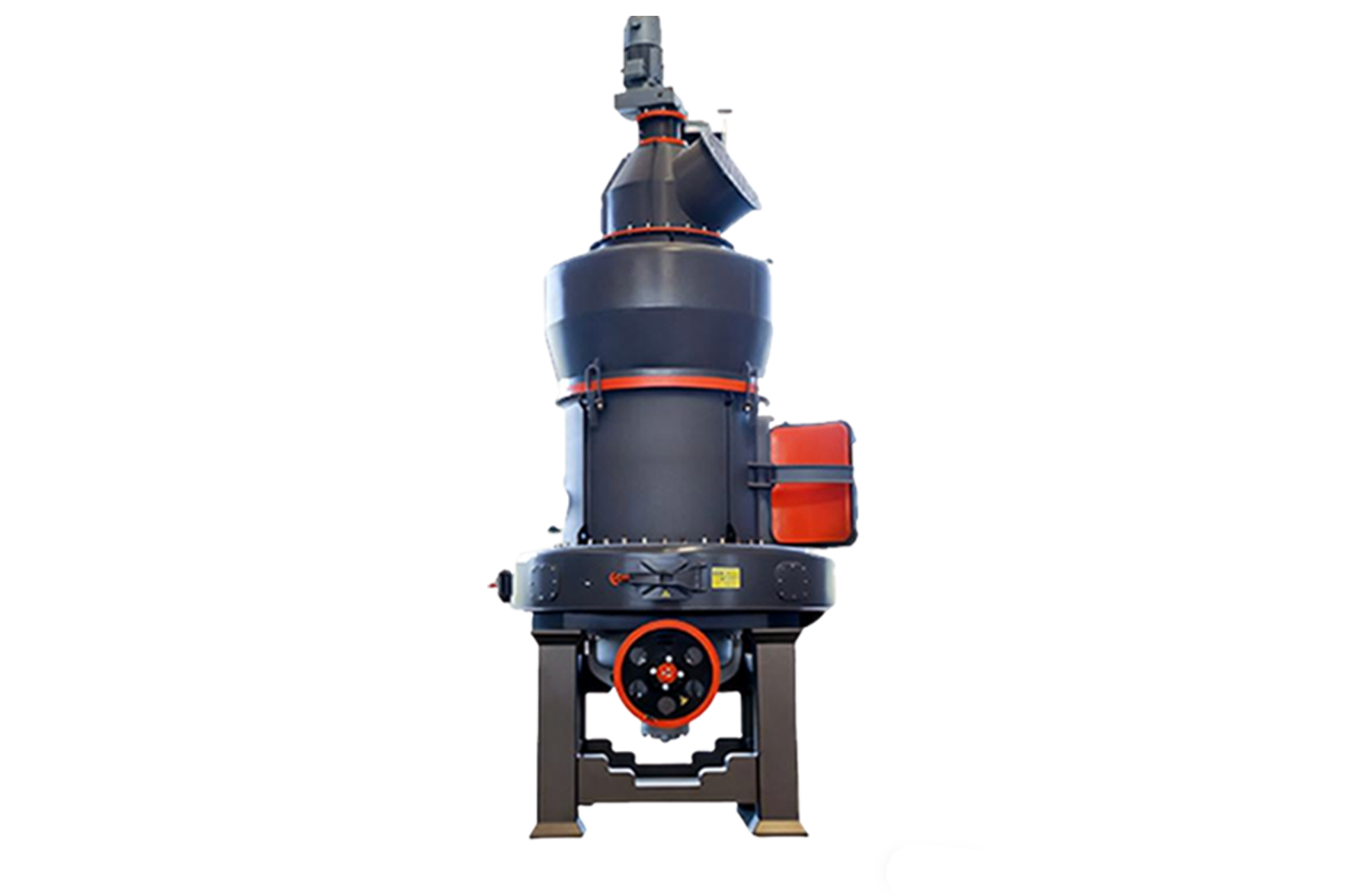
CLRM Raymond Roller Mill
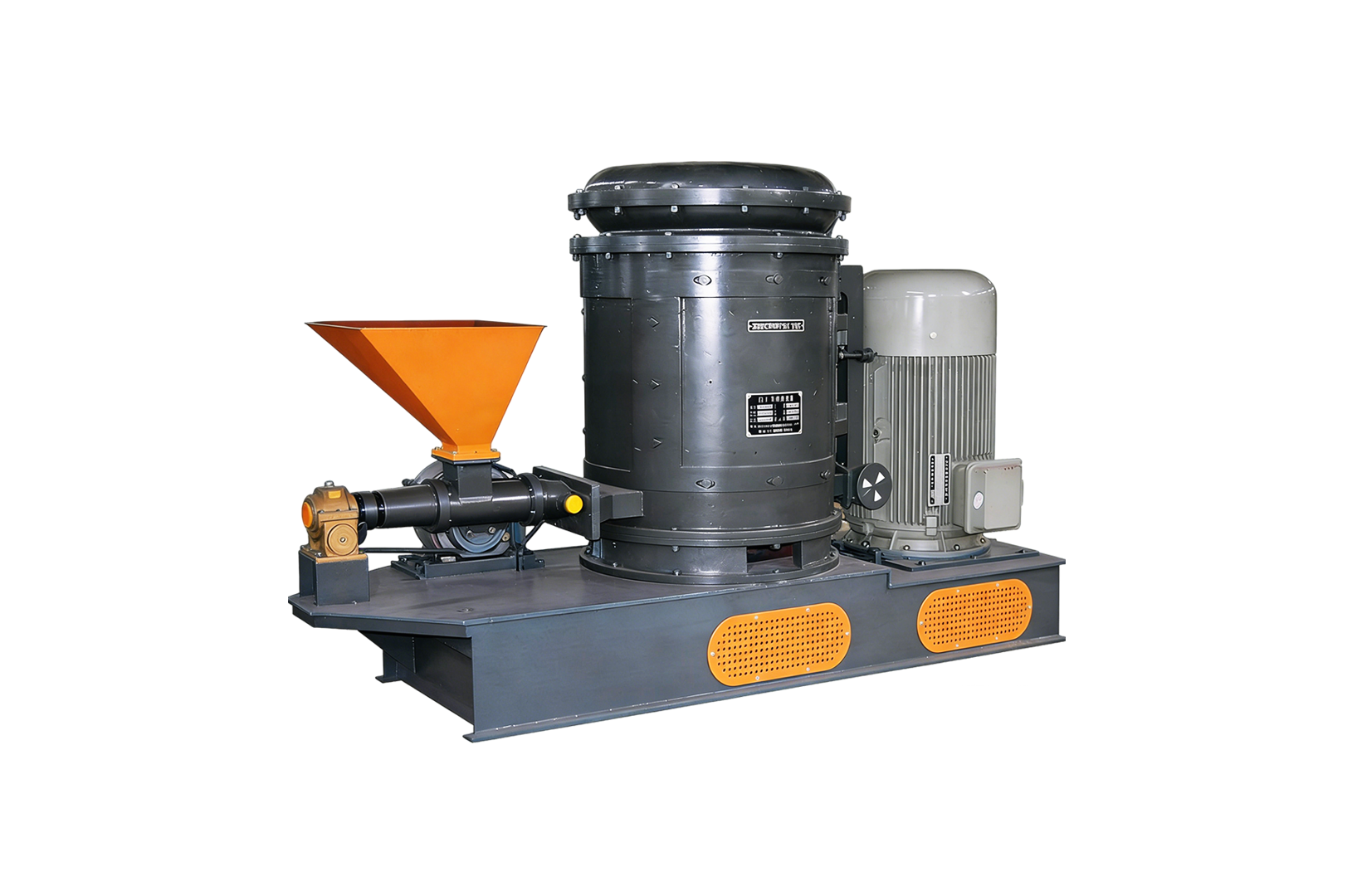
Air Classifier Mill
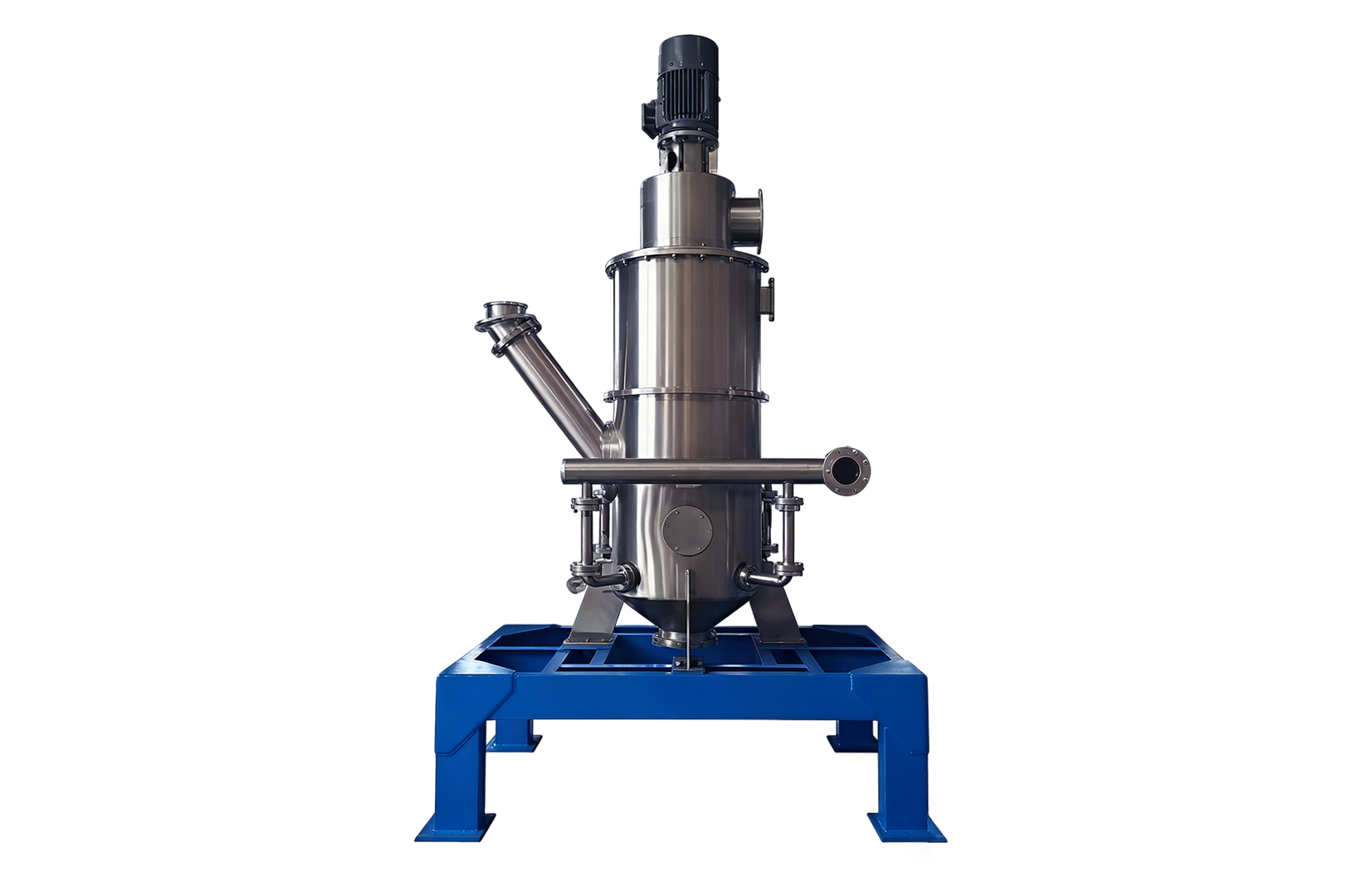
Jet Mill