 Shanghai Clirik Machinery Co.,Ltd

Search
Focus on the field of micro powder grinding

Focus on the field of micro powder grinding
Location:
Ethiopia
Material:
Marble
Annual Production Capacity:
20000 tons/year
Output Fineness Required:
D97= 10micron
Project Installation time:
2025
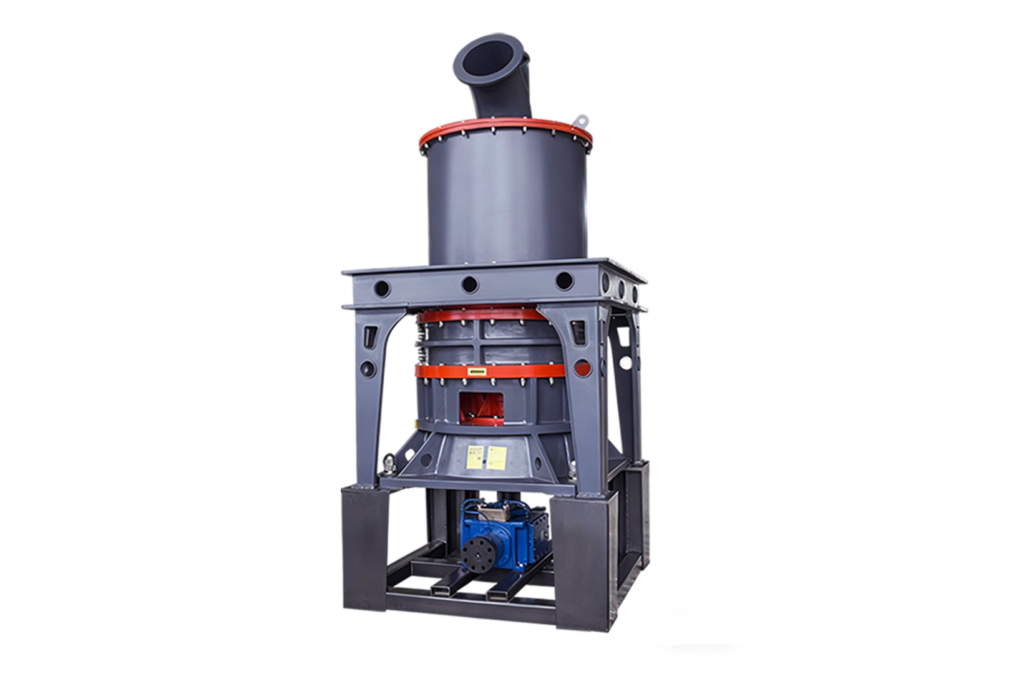
Clirik Solution: HGM80 Ultrafine Grinding Mill
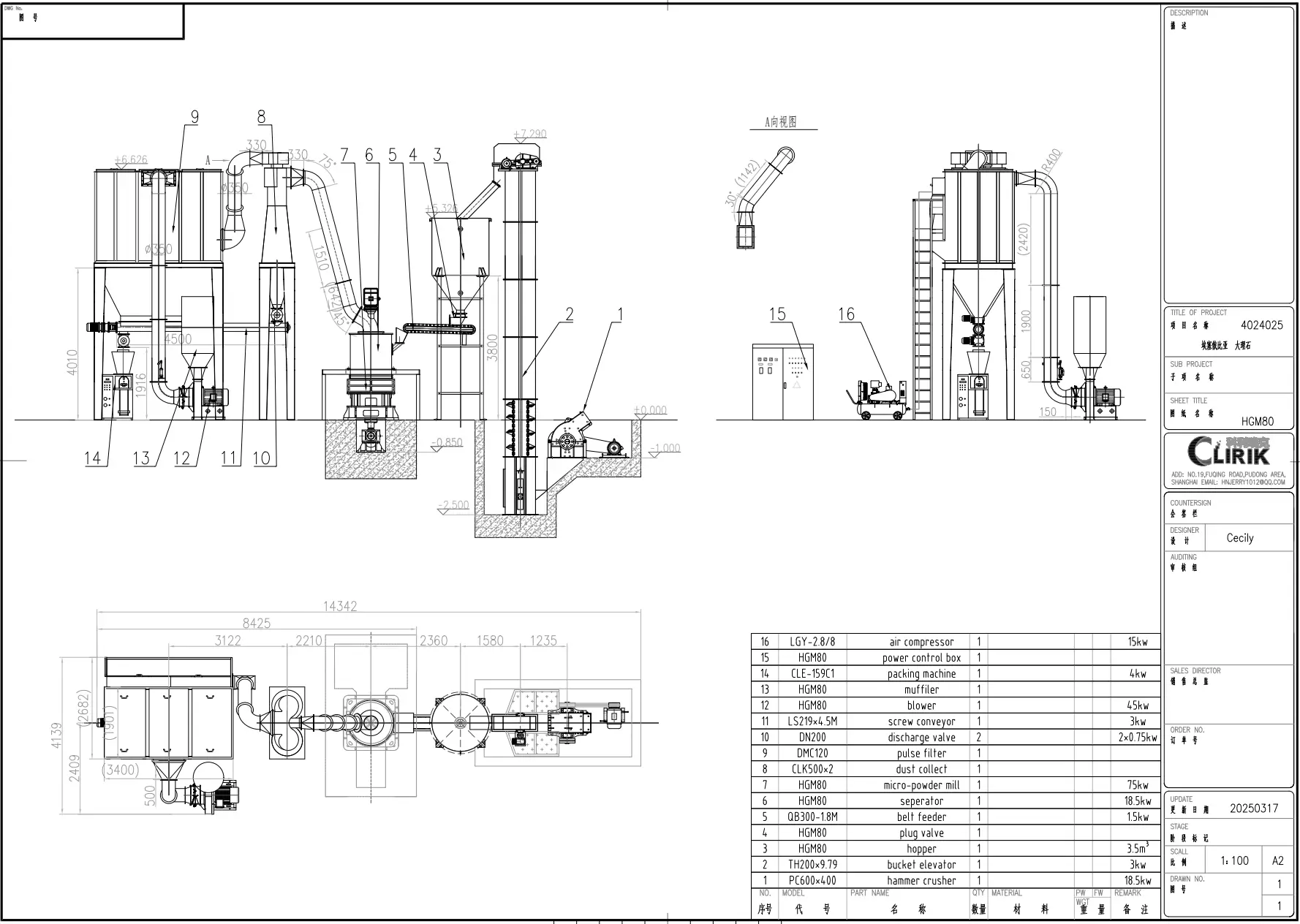
Equipment Configuration: Hammer crusher,bucket elevator,hopper, vibrating feeder, grinding main unit, classifier, blower,dust filter, electronic control cabinet.
Service Support: On-site installation guidance by professional installation engineers.
Project Background
In 2025, Clirik partnered with a prominent industrial leader in Ethiopia to establish a high-performance marble grinding facility, uniquely supported by the client’s own premium marble mine. This integrated “mine-to-powder” strategy ensures a stable supply of high-quality raw materials, empowering the client to maximize the economic value of their natural resources while strengthening the local supply chain.
Designed with an annual capacity of 20,000 tons, the facility features an advanced Clirik ultra-fine production line capable of achieving a wide fineness range from 325 to 2,000 mesh. This exceptional versatility allows the client to seamlessly supply high-precision fillers for the construction, coatings, and industrial filler industries, setting a new benchmark for operational flexibility and mineral processing excellence in the region.
Location:
Ethiopia
Material:
Marble
Annual Production Capacity:
20000 tons/year
Output Fineness Required:
D97= 10micron
Project Installation time:
2025
Clirik Solution: HGM80 Ultrafine Grinding Mill
Equipment Configuration: Hammer crusher,bucket elevator,hopper, vibrating feeder, grinding main unit, classifier, blower,dust filter, electronic control cabinet.
Service Support: On-site installation guidance by professional installation engineers.
Project Background
In 2025, Clirik partnered with a prominent industrial leader in Ethiopia to establish a high-performance marble grinding facility, uniquely supported by the client’s own premium marble mine. This integrated “mine-to-powder” strategy ensures a stable supply of high-quality raw materials, empowering the client to maximize the economic value of their natural resources while strengthening the local supply chain.
Designed with an annual capacity of 20,000 tons, the facility features an advanced Clirik ultra-fine production line capable of achieving a wide fineness range from 325 to 2,000 mesh. This exceptional versatility allows the client to seamlessly supply high-precision fillers for the construction, coatings, and industrial filler industries, setting a new benchmark for operational flexibility and mineral processing excellence in the region.
Feeding and Conveying (Material Preparation):
The raw material is crushed to particles smaller than 20 mm and lifted by the bucket elevator to the storage hopper. A frequency-controlled vibrating feeder ensures a continuous and uniform material flow into the grinding chamber, preventing mechanical overload.
HGM Main Unit (Multi-Layer Grinding System):
The core of the production line, featuring a unique 4-layer grinding design. Utilizing centrifugal force, the rollers crush, roll, and shear the material against the rings. This multi-stage grinding logic delivers significantly higher fineness and throughput compared to traditional impact mills.
High-Efficiency Classifier (Precision Screening):
Integrated at the top of the main unit, this variable-frequency classifier uses centrifugal airflow to separate particles. It allows for the precise adjustment of the D97 cut-off point between 325 and 3000 mesh, ensuring that only the qualified ultra-fine powder proceeds to the collection stage.
Pulse Dust Collector (Environmental Protection):
This high-efficiency tank-type collector utilizes premium filter bags to capture 100% of the finished powder directly from the airflow. Operating under negative pressure, it ensures zero dust leakage and a 99.9% recovery rate, making it ideal for ultra-fine applications where total product recovery is critical.
High-Pressure Blower (Airflow Circulation):
The “lungs” of the system, providing the necessary negative pressure and high-velocity airflow to lift and transport the powder. Equipped with a professional silencer, it ensures a stable pneumatic environment for the entire closed-loop grinding circuit.
PLC Intelligent Control System (Centralized Operation):
The “brain” of the plant, allowing engineers to monitor vibration, motor frequency, temperature, and system pressure in real-time. This automated interface ensures high batch-to-batch consistency and protects the equipment through intelligent fault-diagnostics and emergency shutdowns.
Feeding and Conveying (Material Preparation):
The raw material is crushed to particles smaller than 20 mm and lifted by the bucket elevator to the storage hopper. A frequency-controlled vibrating feeder ensures a continuous and uniform material flow into the grinding chamber, preventing mechanical overload.
HGM Main Unit (Multi-Layer Grinding System):
The core of the production line, featuring a unique 4-layer grinding design. Utilizing centrifugal force, the rollers crush, roll, and shear the material against the rings. This multi-stage grinding logic delivers significantly higher fineness and throughput compared to traditional impact mills.
High-Efficiency Classifier (Precision Screening):
Integrated at the top of the main unit, this variable-frequency classifier uses centrifugal airflow to separate particles. It allows for the precise adjustment of the D97 cut-off point between 325 and 3000 mesh, ensuring that only the qualified ultra-fine powder proceeds to the collection stage.
Pulse Dust Collector (Environmental Protection):
This high-efficiency tank-type collector utilizes premium filter bags to capture 100% of the finished powder directly from the airflow. Operating under negative pressure, it ensures zero dust leakage and a 99.9% recovery rate, making it ideal for ultra-fine applications where total product recovery is critical.
High-Pressure Blower (Airflow Circulation):
The “lungs” of the system, providing the necessary negative pressure and high-velocity airflow to lift and transport the powder. Equipped with a professional silencer, it ensures a stable pneumatic environment for the entire closed-loop grinding circuit.
PLC Intelligent Control System (Centralized Operation):
The “brain” of the plant, allowing engineers to monitor vibration, motor frequency, temperature, and system pressure in real-time. This automated interface ensures high batch-to-batch consistency and protects the equipment through intelligent fault-diagnostics and emergency shutdowns.
National Strategy and Economic Diversification
The Ethiopian powder industry is currently undergoing a profound transformation, driven largely by a national commitment to import substitution and the broader goals of the 2030 Vision. By capitalizing on abundant local resources such as high-quality marble and limestone, the state is actively reducing its reliance on expensive foreign fillers. This strategic shift not only fosters a more resilient domestic manufacturing ecosystem but also saves vital foreign currency. The impact is particularly visible in the construction and infrastructure sectors, where a consistent supply of mineral powders has become a prerequisite for both basic development and high-end architectural finishes.
Surging Demand for High-Precision Fillers
The market is experiencing a significant technological leap as downstream industries, including premium coatings, plastics, and paper manufacturing, demand higher standards of fineness and purity. There is a clear migration from traditional coarse grinding toward high-precision processing in the 325 to 2,000 mesh range. This evolution has made integrated, “mine-to-powder” production models increasingly attractive for mineral owners, as they allow for maximum resource value and improved profit margins while significantly reducing logistics costs. This transition ensures that local producers can provide the specialized, high-whiteness powders necessary for modern industrial applications.
The Shift Toward Automated Production
As environmental regulations tighten and operational costs evolve, the industry is prioritizing energy-efficient, automated systems over legacy machinery like energy-intensive ball mills. Modern facilities that integrate high-precision classification and closed-loop dust collection are now the benchmark for success in the region. This transition ensures compliance with emerging “Green Industry” standards and provides the operational flexibility needed to serve both volume-driven construction projects and high-margin industrial applications. By adopting these advanced systems, Ethiopian producers are effectively positioning themselves to dominate the regional supply chain over the coming decade.
National Strategy and Economic Diversification
The Ethiopian powder industry is currently undergoing a profound transformation, driven largely by a national commitment to import substitution and the broader goals of the 2030 Vision. By capitalizing on abundant local resources such as high-quality marble and limestone, the state is actively reducing its reliance on expensive foreign fillers. This strategic shift not only fosters a more resilient domestic manufacturing ecosystem but also saves vital foreign currency. The impact is particularly visible in the construction and infrastructure sectors, where a consistent supply of mineral powders has become a prerequisite for both basic development and high-end architectural finishes.
Surging Demand for High-Precision Fillers
The market is experiencing a significant technological leap as downstream industries, including premium coatings, plastics, and paper manufacturing, demand higher standards of fineness and purity. There is a clear migration from traditional coarse grinding toward high-precision processing in the 325 to 2,000 mesh range. This evolution has made integrated, “mine-to-powder” production models increasingly attractive for mineral owners, as they allow for maximum resource value and improved profit margins while significantly reducing logistics costs. This transition ensures that local producers can provide the specialized, high-whiteness powders necessary for modern industrial applications.
The Shift Toward Automated Production
As environmental regulations tighten and operational costs evolve, the industry is prioritizing energy-efficient, automated systems over legacy machinery like energy-intensive ball mills. Modern facilities that integrate high-precision classification and closed-loop dust collection are now the benchmark for success in the region. This transition ensures compliance with emerging “Green Industry” standards and provides the operational flexibility needed to serve both volume-driven construction projects and high-margin industrial applications. By adopting these advanced systems, Ethiopian producers are effectively positioning themselves to dominate the regional supply chain over the coming decade.
HGM Ultrafine Grinding Mill
CLUM Vertical Roller Mill
CLRM Raymond Roller Mill
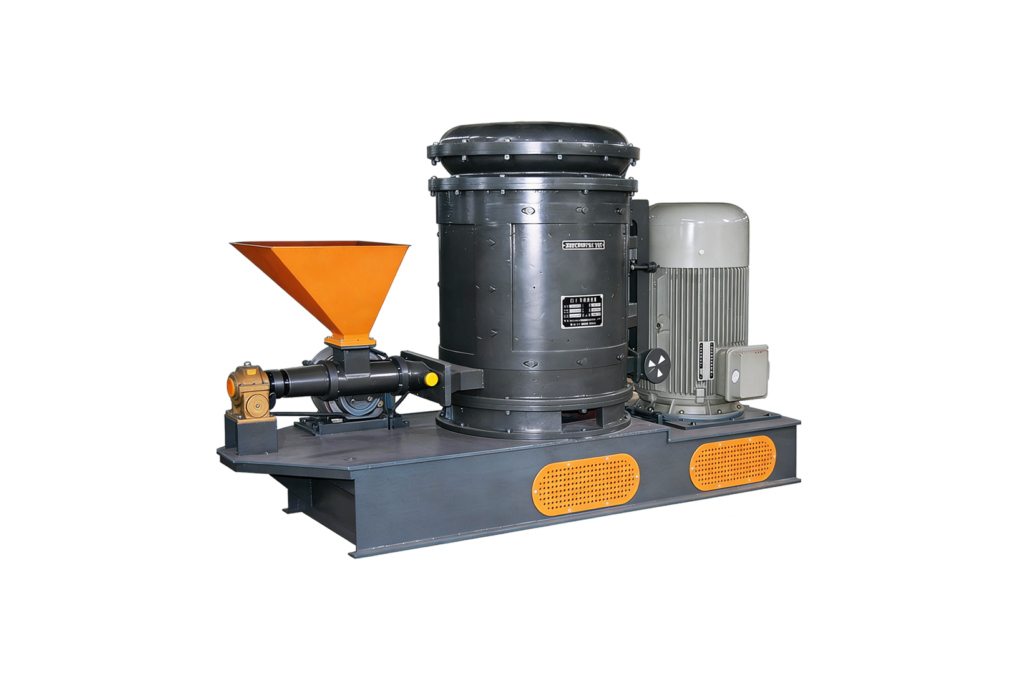
Air Classifier Mill

CLIRIK achieves two-way empowerment through global customer visits and on-site services, winning worldwide trust with full-process professional support.
HGM Ultrafine Grinding Mill
CLUM Vertical Roller Mill
CLRM Raymond Roller Mill
Air Classifier Mill
CONTACT US
Every mineral has its unique value. Share your material specs and capacity
needs, and CLIRIK experts will tailor a cost-effective grinding solution to ensure
your project’s successful operation.
Address

No.19, Fuqing Rd, Pudong
New Area, Shanghai, China.
Find Us On :
Every mineral has its unique value. Share your material specs and capacity
needs, and CLIRIK experts will tailor a cost-effective grinding solution to ensure
your project’s successful operation.
Address
No.19, Fuqing Rd, Pudong
New Area, Shanghai, China.
Find Us On :