 Клирик






Поиск
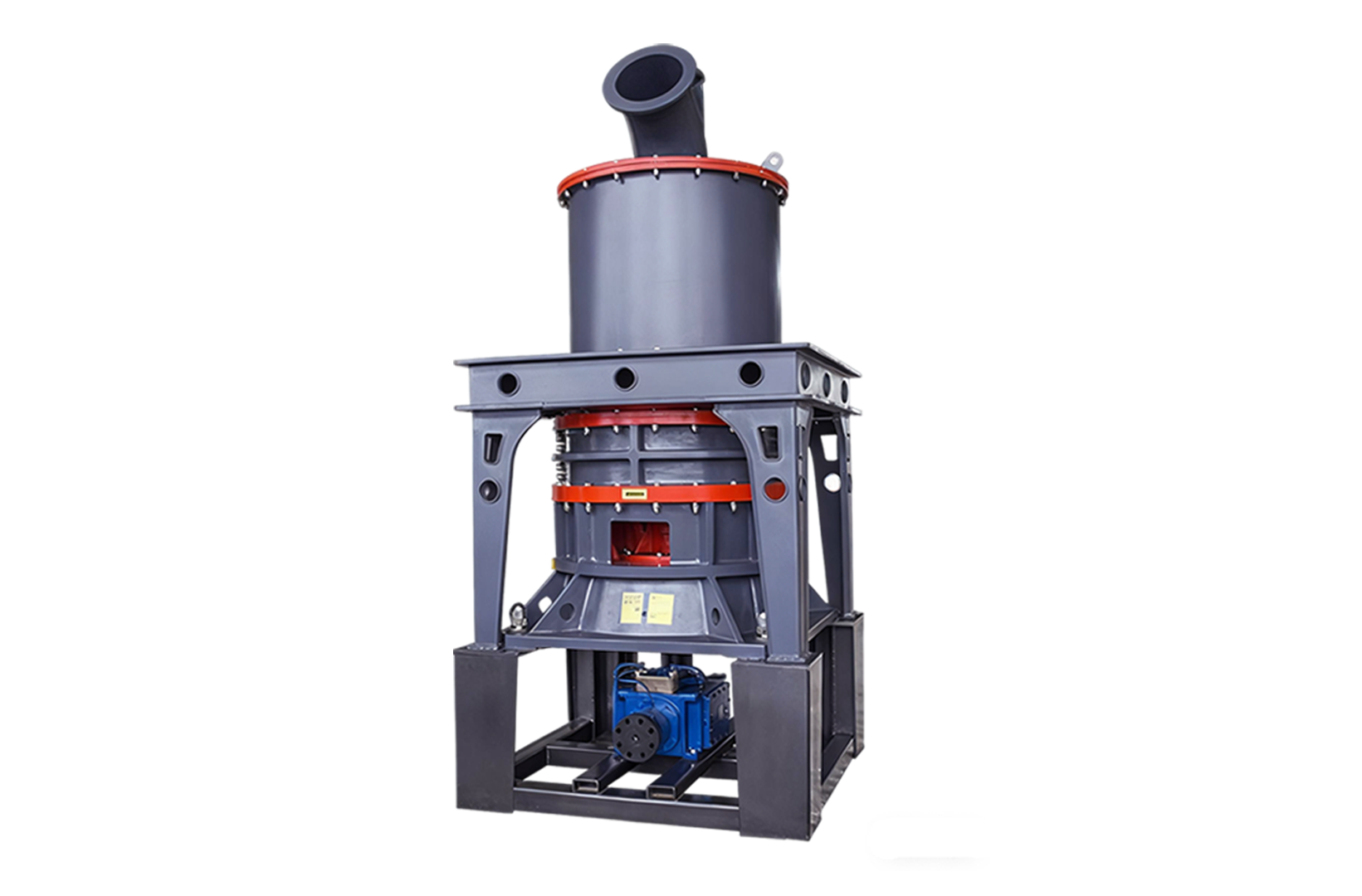
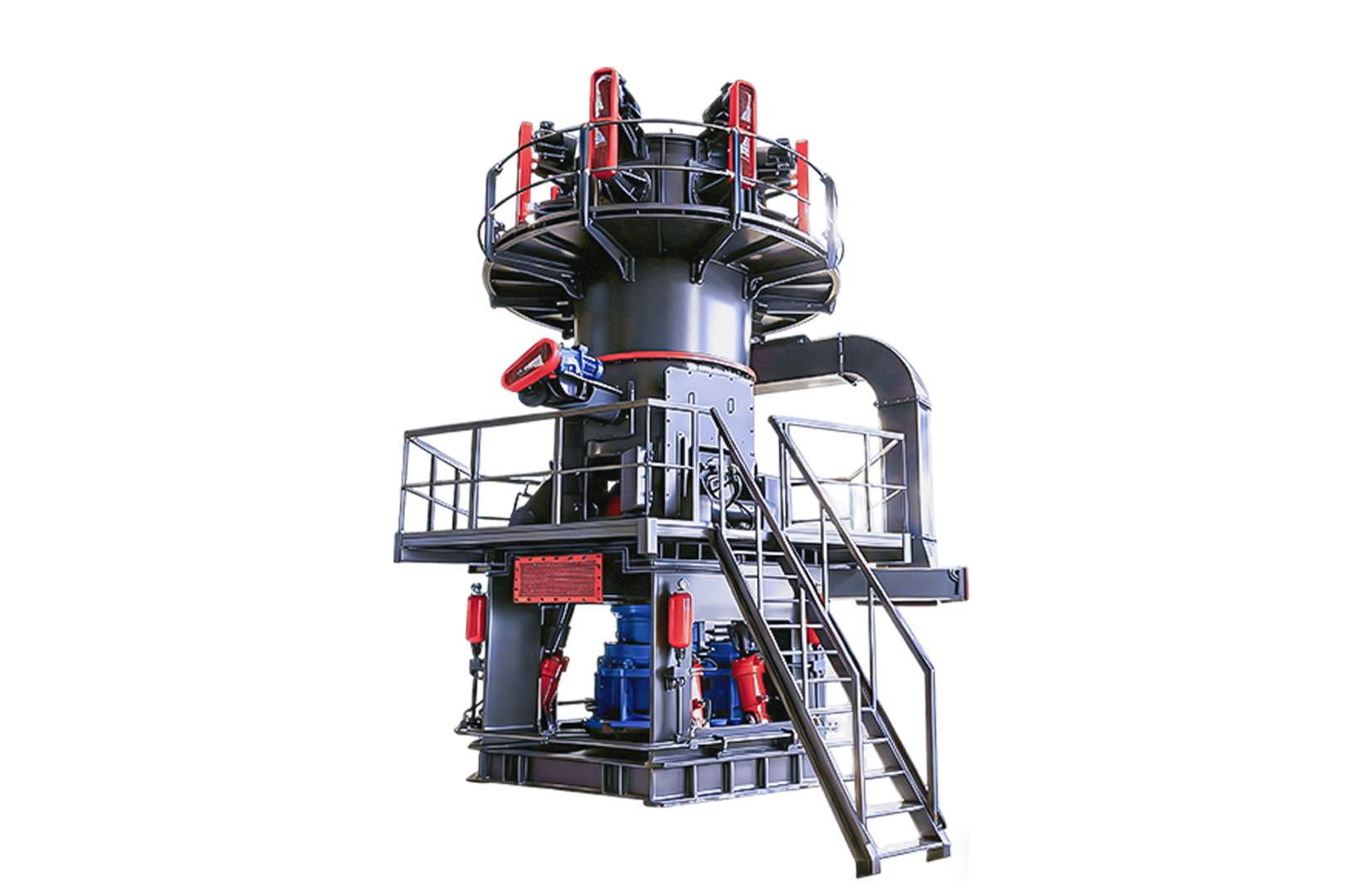
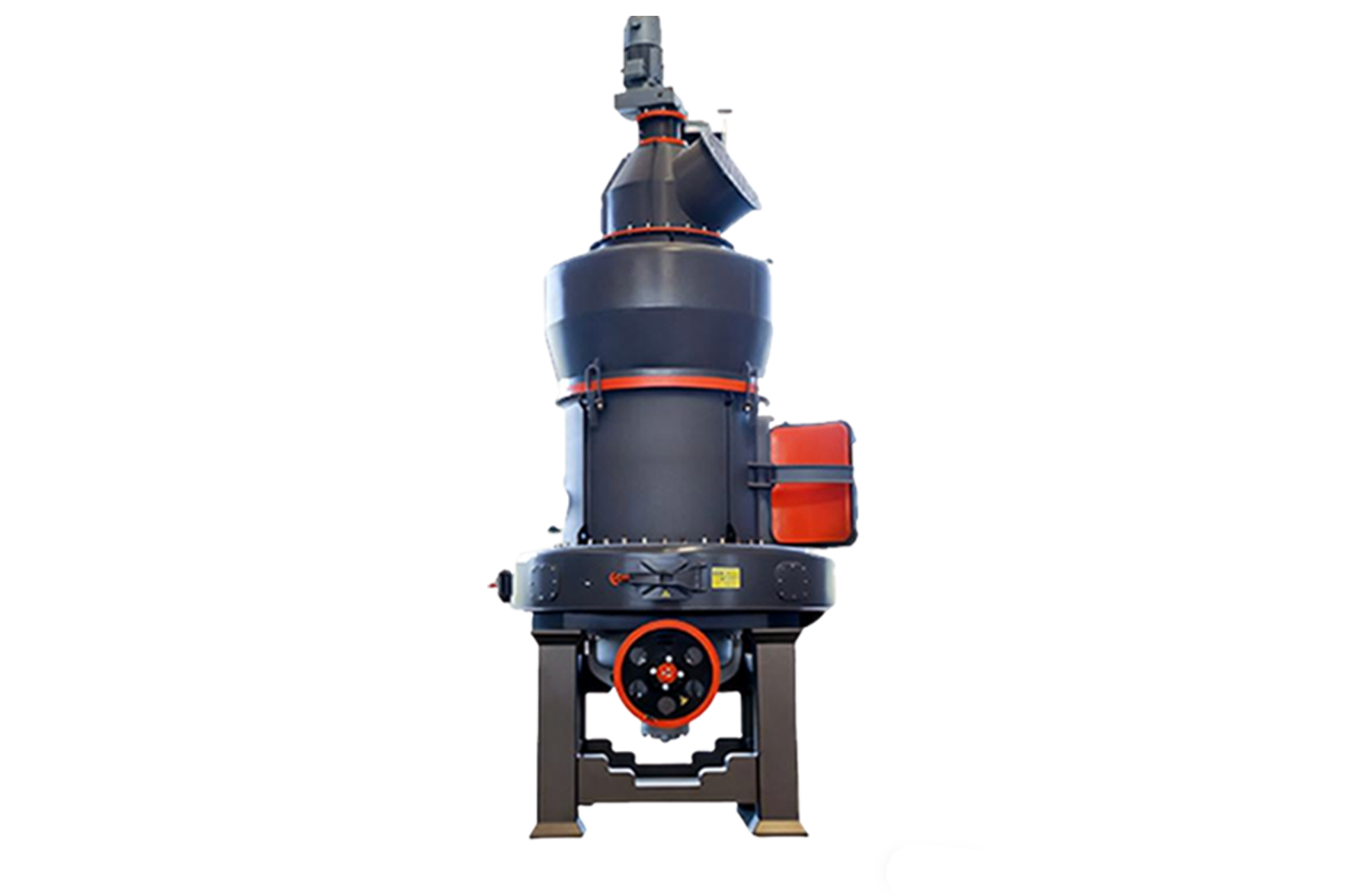
The Raymond coal mill mainly relies on the extrusion of heavy-duty grinding rollers and grinding rings to crush hard, low-moisture industrial kiln fuels. In contrast, Raymond Imp mills use high-speed impact hammers to deal with soft, high-humidity non-metallic minerals and chemical raw materials. If you want to squeeze out the output in these two systems, you must control your airflow sweeping speed and the speed of the dynamic powder separator, otherwise it will definitely cause excessive grinding.
Running through so many factories, I found that workshop supervisors often throw 15-20% of their potential production capacity into the water for nothing because of the mismatch of internal airflow. This engineering guide is to help you recalibrate the grinding circuit. The goal is very clear: rush to the highest tonnage, kill the blocked material and stop the machine, reduce the power consumption per ton by the way, and never move your target particle size distribution.
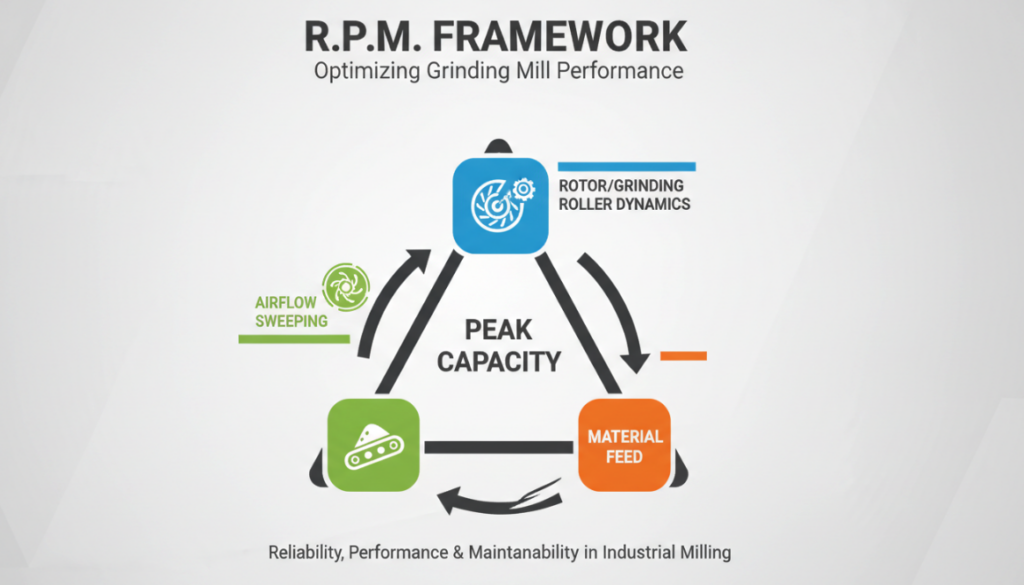
Optimizing a shredder is actually a mathematical account of quality, speed and resistance. We generally apply the RPM (rotor-air flow-material) capacity framework directly on site, and if there is a problem, we 1 catch a target.
Coal mills rely on low-speed and high-strength extrusion when processing raw coal with different Hardgrove grindability index. However, the most vulnerable low-level mistake made by field operators is that when switching from high HGI to low HGI coal, they forget to adjust the speed of the separator, resulting in a cliff-like collapse in production capacity.
You have to tie the concentrator speed to the HGI of the incoming coal. In case of HGI drop, immediately increase the sweeping air volume by 5-8%, and at the same time fine-tune and reduce the rotating speed of the dynamic powder separator. This method can directly prevent the grinding disc of the coal mill from being completely crushed by the returned coarse particles.
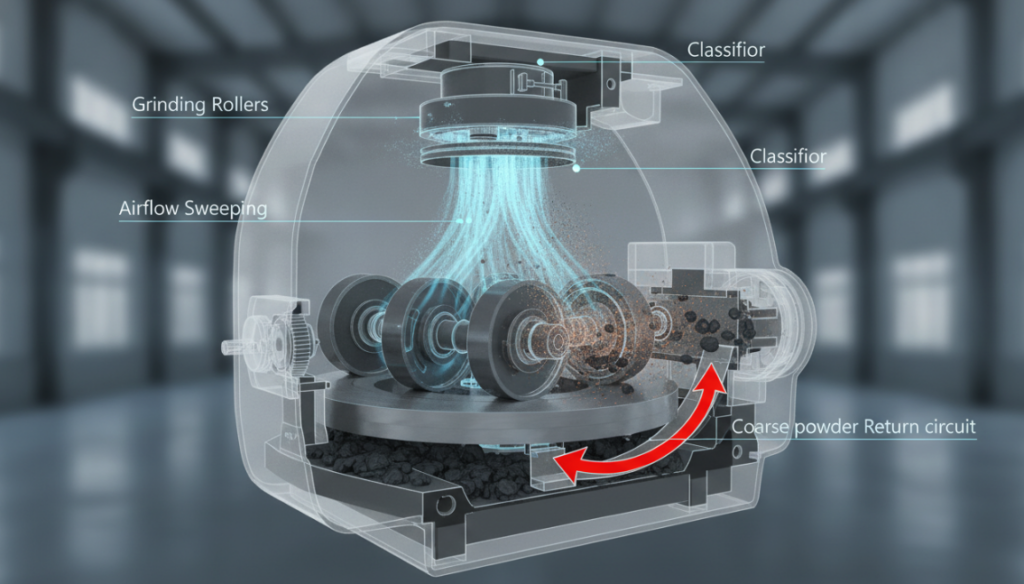
Frequent flameout of the burner? This is usually a “false fineness” of the ghost, extremely fatal operational errors. In order to ensure the 200 purpose of discharging, some workshop engineers turned on the powder separator very fast. As a result, the 100 mesh particles that were clearly qualified were swept back under the grinding roller for re-grinding. The coal mill directly becomes the super bottleneck of the whole system.
The solution is to calibrate the dynamic separator to align it with a specific PSD bell-shaped curve, rather than stare at a maximum truncated particle size. As long as the kiln burner can digest and accept a 2-3% increase in the proportion of large particles, your gross tonnage can definitely increase by double digits.
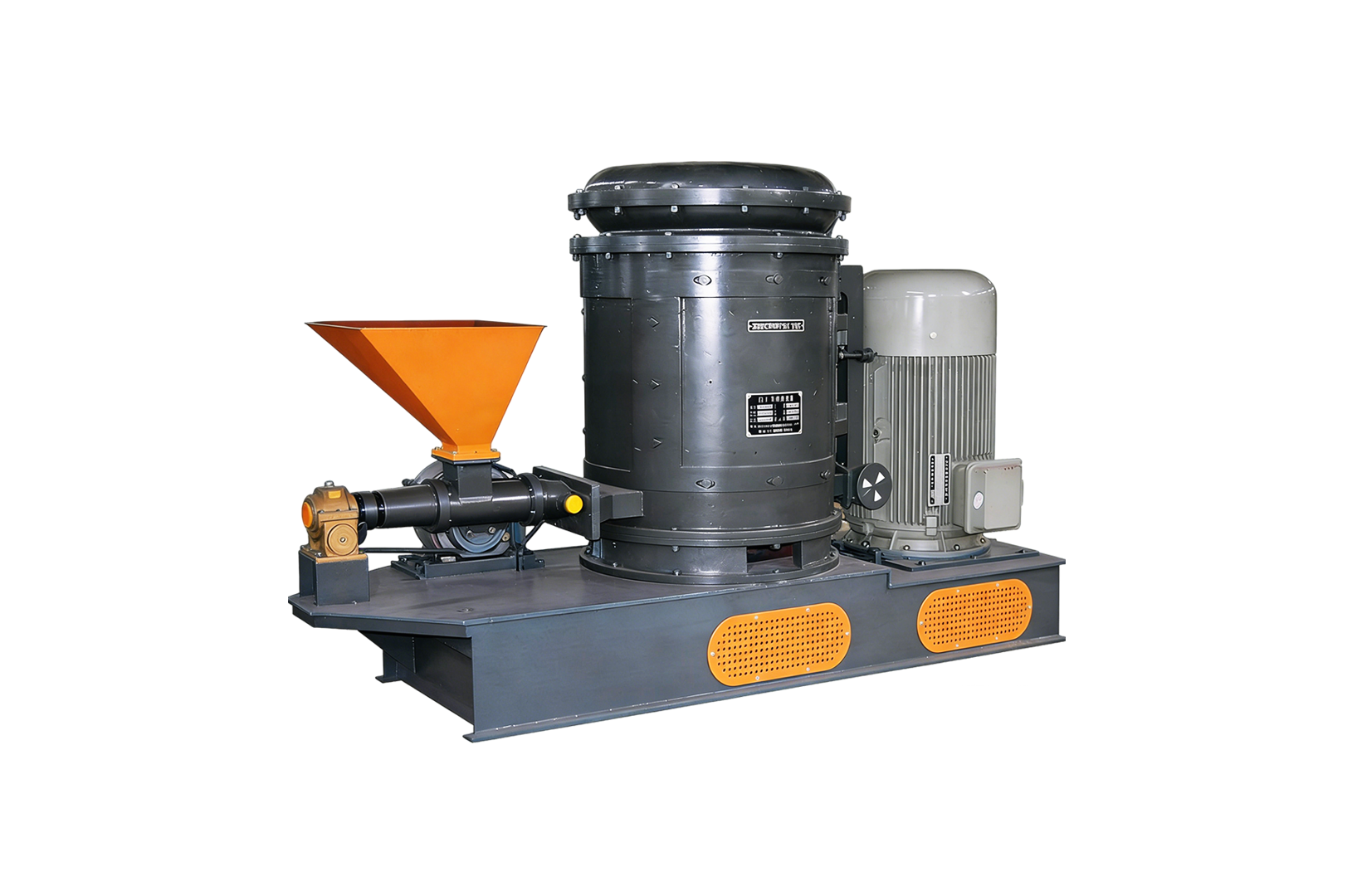
Raymond Imp mill is actually a device that does both drying and crushing at the same time. It is specially used to process high-humidity chemical powder, gypsum and clay through high-speed impact hammer. Heat transfer efficiency directly locks up your maximum yield cap.
You have to pump high temperature air up to 1000 °F directly into the hammer head area to flash dry the material at the moment of impact. When the material leaves the Imp mill separator, the exhaust temperature should be stable at 160 °F so that condensation will not form in the bag filter.
Technical Comparison: Raymond Coal Mill vs. Raymond Imp Mill
| Параметр | Raymond Coal Mill (Pendulum/Roller Type) | Raymond Imp Mill (Impact/Hammer Type) |
| Grinding Mechanism | Centrifugal Compression & Attrition. Uses rotating rollers pressed against a stationary ring by centrifugal force to crush material. | High-Velocity Impact & Attrition. Uses high-speed revolving swing hammers or beaters to strike material against liner plates. |
| Ideal Material | Medium-hard materials (Mohs hardness 3–7), such as bituminous coal, anthracite, and limestone. | Softer, more friable materials (Mohs hardness <4), such as sub-bituminous coal, talc, clays, and chemicals. |
| Max. Moisture Tolerance | Moderate (Up to 10% – 15%). Can perform simultaneous drying and grinding with heated air, but sensitive to “clogging” if too wet. | High (Up to 50% in specific setups). Exceptional for “Flash Drying”; high-velocity air allows it to process very wet materials/slurries into dry powder. |
| Main Application Scenarios | Power plant pulverized coal injection (PCI), cement kiln firing, and large-scale mineral processing. | Industrial mineral fine grinding, chemical processing, flash drying of filter cakes, and direct-firing of small boilers. |
| Energy Consumption Curve | Relatively Stable / Linear. Energy efficiency is high for consistent, heavy-duty output; specific energy consumption (kWh/t) is lower for medium fineness. | Steeply Rising with Fineness. Highly efficient for coarse/medium grinds, but energy consumption increases sharply as target particle size decreases. |
In case of wet and sticky clay-like materials, it is easy to build bridges between the pendulum bobs of Imp mill and paste them, and the production capacity is directly scrapped. Many people’s first reaction is to pull up the fan speed, but this will only blow the wet material into the powder selecting machine, completely wrong direction. The really effective scheme is to replace a special serrated hammer head, and mix the dried recovered finished product with the raw wet material in advance before entering the mill, press the initial water content below the “viscous stage” threshold, and then feed it into the system.
If you want to increase the output in reality, first check the hard injuries in the system. See if your grinding circuit has this 3 fatal mechanical setting:
A while ago, we took over the transformation of a calcined bauxite production line, using a standard Raymond roller mill system, which just verified the power of the RPM frame.
At that time, the factory could not stabilize the output of 12 tons/hour, and the equipment was badly shaken. We conducted an emergency shutdown test. When we opened the 1, 40% of the material bed was full of ground finished powder. By installing a frequency converter on the main system fan, the sweeping speed was increased by 12%, and the static guide vane was replaced with a dynamic turbine separator, with immediate results. The system throughput has been deadlocked at 14.6 TPH. The unit energy consumption per ton decreased by 14%, and the operating books of the factory looked much better in an instant.
As long as the system is equipped with a hot gas generator with sufficient power, the Raymond Imp mill can process raw grains with a moisture content of up to 40% at most. Flash drying effect will be produced in the moment of impact, and the moisture of the final product can be reduced to less than 1%.
Vibration is a direct signal of metal touching metal or material bed instability. You have to check the coal supply immediately. If the amount of feed falls off, there will be no material buffer between the grinding roller and the grinding ring. Either quickly resume feeding, or the spring tension of the grinding roller is loosened.
Yes. Although designed for coal, this heavy-duty extruded structure works effortlessly against hard non-metallic minerals such as limestone, barite and bentonite. However, you have to recalibrate the settings of the air sweep and powder separator, after all, the density of the ore is very different from that of the coal.
The replacement cycle depends entirely on the abrasiveness of the material. In case of high wear materials, you have to check the hammer head wear every 500 hours of operation. Hard surfacing welding on the leading edge of the hammer head can greatly extend the service life before it is completely scrapped.
The static separator relies on a fixed blade to create a cyclone effect and has a weak control over particle size. The dynamic separator uses a rotating turbine cage with a motor. By adjusting the speed of the dynamic separator by the frequency converter, the operator can instantly change the final particle size distribution without stopping the machine.
HGI measures the physical hardness of coal. High HGI indicates that the coal is soft and the tonnage ground out is high. A low HGI indicates that the coal is hard and the material will have to be stretched under the grinding roller, which will directly cut off your maximum TPH capacity.