 Клирик




Поиск
Produce classified ultrafine mineral powder with a grinding system matched to your feed, particle-size distribution, and output target. Clirik supplies HGM ring-roller mills and CLUM vertical roller mills for dry processing of nonmetallic minerals, with material testing, line design, installation, and technical support.
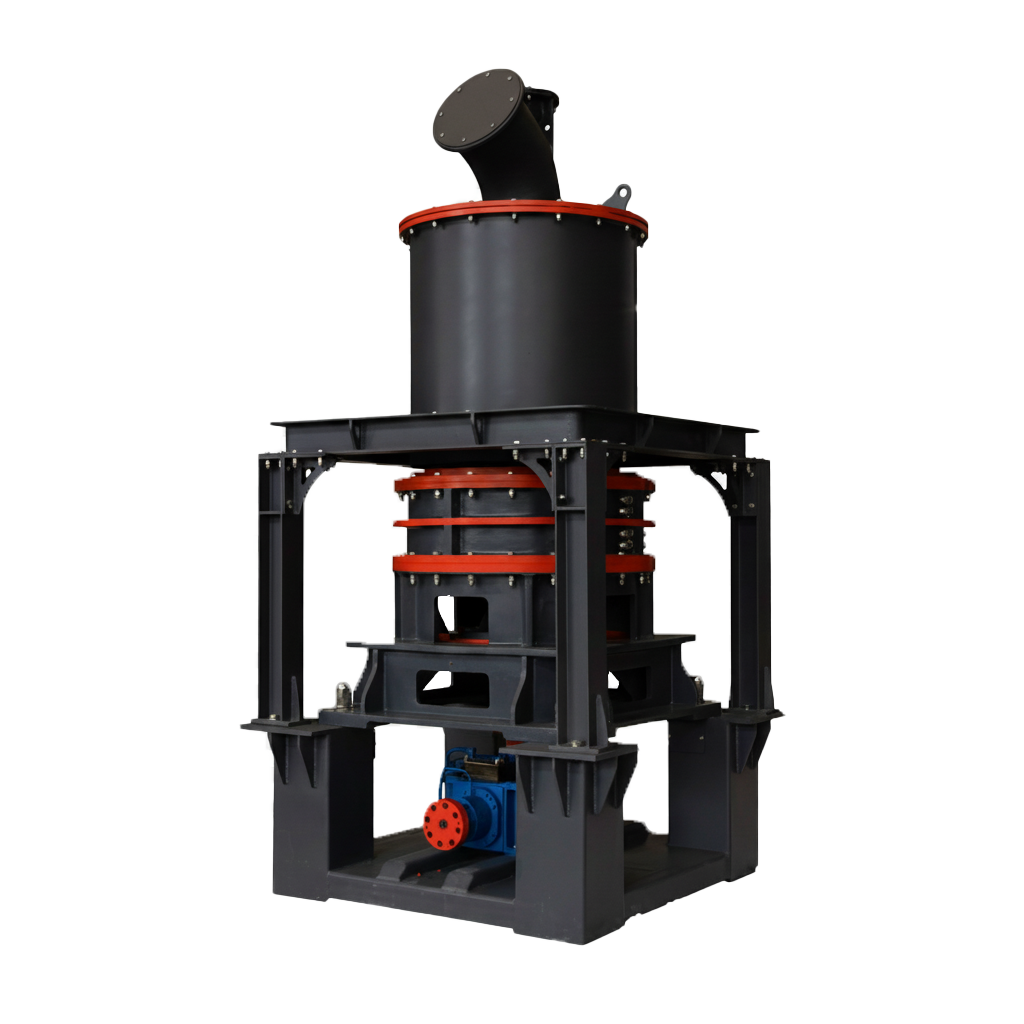
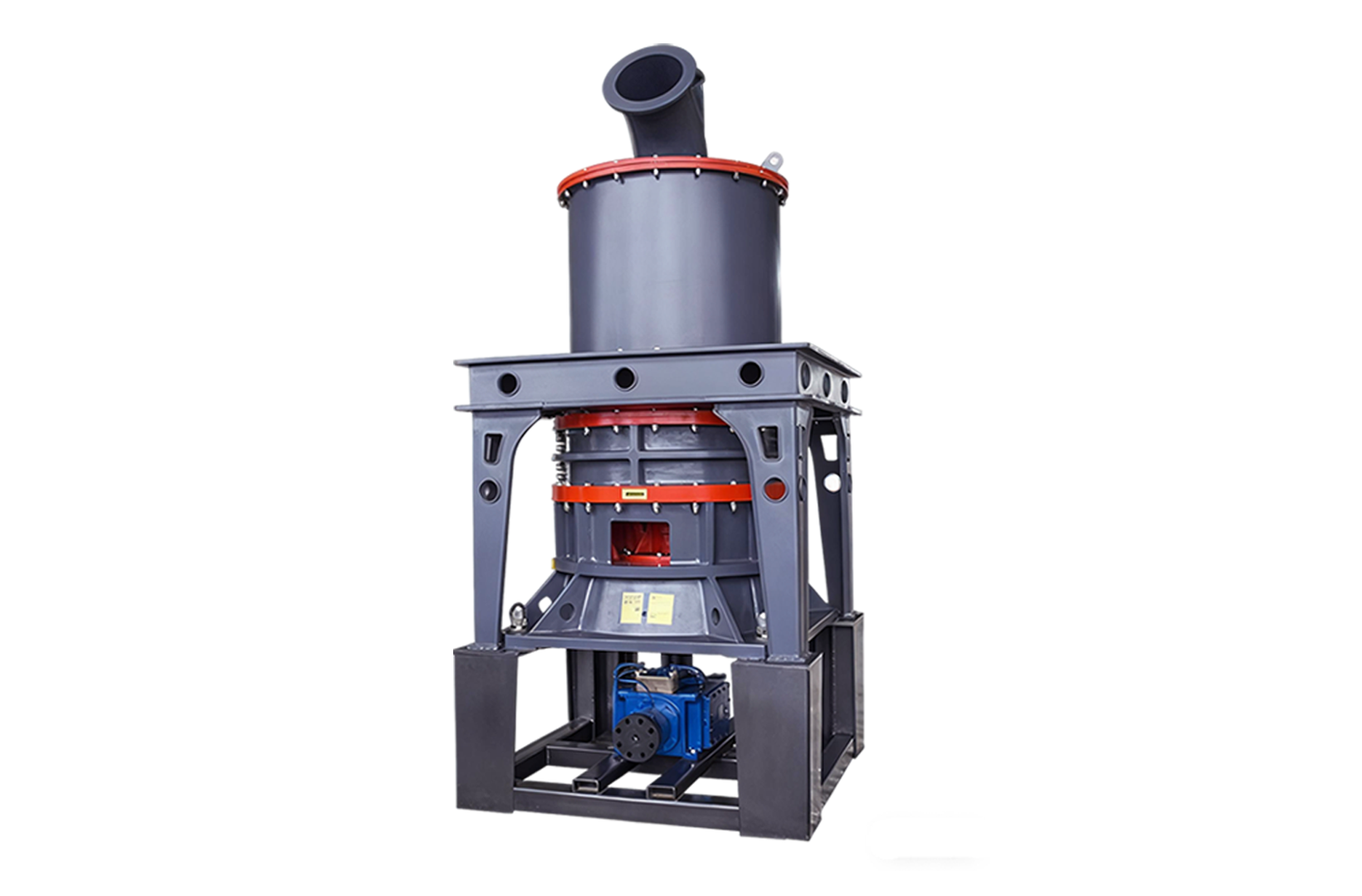
The HGM Ultrafine Grinding Mill is one of two Clirik equipment routes for dry micro powder production.
A micro powder mill combines size reduction with air classification in a closed grinding circuit. The mill breaks the feed into fine particles, airflow carries those particles to a classifier, and the classifier returns oversized material for another pass. Qualified powder moves to the collection system instead of remaining in the grinding zone.
This separation step controls the finished powder more directly than grinding time alone. Classifier speed, airflow, feed rate, and grinding pressure or roller action work together, so a change made to improve fineness can also change throughput and power demand.
The complete line normally connects four functions:
Mesh or a single micron value does not fully describe an industrial powder. A useful target states the measurement basis and the required particle-size distribution, such as D97 at a specified micron value or the percentage of particles below 2 μm. That distribution affects grinding load, classifier settings, usable output, and the powder's behavior in the final application.
Capacity must be compared at the same powder target. A mill can produce more tons per hour at a coarser setting than at an ultrafine setting, and different minerals respond differently to the same equipment. Published ranges help identify a candidate series; a trial measures how the sample responds on the test equipment and provides evidence for production-scale output estimates and configuration selection.
Feed hardness, moisture, top size, and abrasiveness determine how much grinding work the mill must perform and which wear surfaces are appropriate. The target distribution and test method determine how aggressively the classifier must separate fine powder. Required output is meaningful only when it is attached to those feed and product conditions, while color, particle shape, and contamination limits can change the acceptable grinding route even when two mills reach the same nominal mesh.
HGM ring-roller grinding and air classification are arranged as a closed circuit for ultrafine powder production.
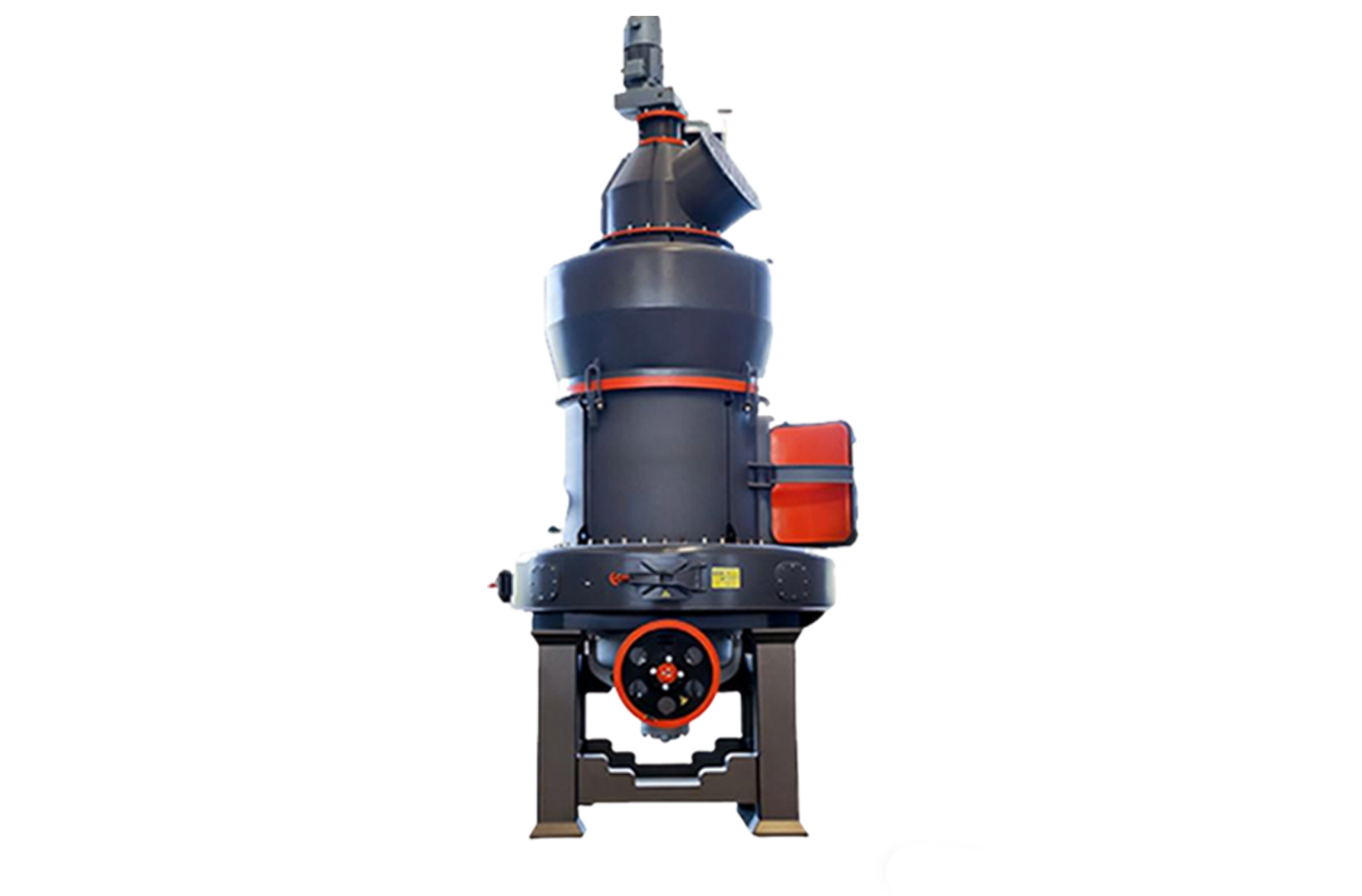
The HGM uses multiple roller-and-ring grinding layers with an air classifier to produce fine and ultrafine powder from brittle, nonflammable and nonexplosive materials. Eight listed models cover different grinding-ring diameters, classifier arrangements, fineness bands, and calcium-carbonate reference outputs.
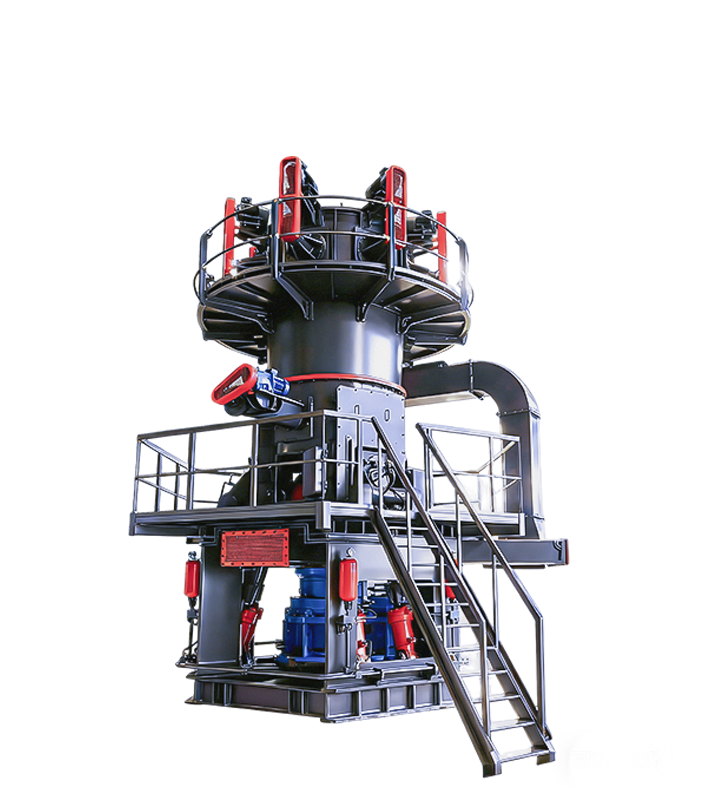
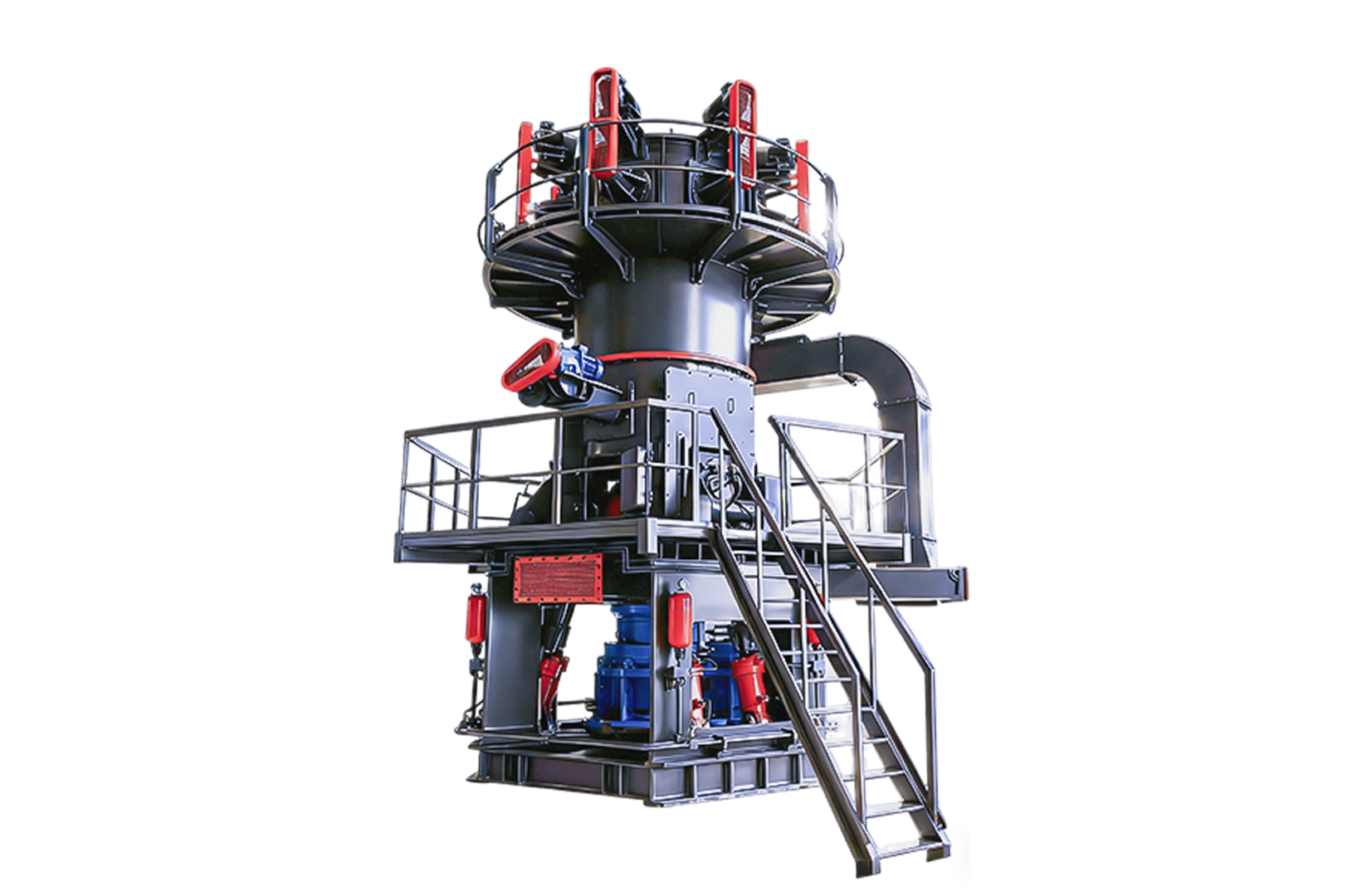
CLUM integrates vertical roller grinding, classification, conveying, and powder collection for ultrafine dry mineral processing.
The CLUM combines vertical roller grinding with multiple classifiers for large-scale ultrafine dry processing of nonmetallic minerals. Grinding takes place in a material bed on the table, while the classifier system controls the fine fraction. Its model table reports calcite output against the required percentage below 2 μm, showing how a finer distribution reduces throughput.
HGM and CLUM both use closed-circuit grinding and classification, but they apply force differently. HGM repeatedly presses particles between rollers and multiple rings. CLUM compresses a material bed between rollers and a rotating table, then uses multiple classifiers to manage the fine fraction.
| Decision factor | Мельница HGM для ультратонкого измельчения | Ультрамелкая вертикальная вальцовая мельница CLUM |
|---|---|---|
| Grinding structure | Multi-layer ring-and-roller system | Vertical grinding table with three rollers in the listed models |
| Feed limit | Up to 20 mm under the published product conditions | Below 10 mm in the listed model table |
| Powder-control emphasis | Listed models pair different fineness bands with classifier-controlled output | Published calcite data ties model output to 30%, 45%, or 60% below 2 μm |
| Material envelope | Brittle, nonflammable, nonexplosive material at Mohs ≤6 and moisture ≤6% | Dry nonmetallic minerals; the listed model table uses feed moisture below 3% |
| Initial fit | Feed up to 20 mm, brittle-material conditions, and a listed HGM model whose fineness band covers the target | Dry nonmetallic mineral projects specified by a sub-2 μm fraction and matched to the output of a listed CLUM model |
Choose the series from the required powder distribution and tested output, then choose the model. Start with HGM when its 20 mm feed limit, brittle-material envelope, and a model-specific fineness band fit the duty. Start with CLUM when the requirement is expressed as a controlled sub-2 μm fraction and one of the listed calcite reference outputs is close to the required rate. Testing the actual mineral is necessary before transferring either reference output to a different feed.
Discuss HGM vs. CLUM for Your MaterialThe downstream process determines which particle-size distribution is useful. Mineral powder used in coatings or pigments may prioritize dispersion, color, and a tightly controlled coarse fraction. Paper, plastics, rubber, PVC, inks, cables, chemicals, and building materials can place different limits on flow, surface area, particle shape, whiteness, and metal pickup.
State the application together with the nominal mesh or micron target. Two powders with the same headline size can behave differently when their coarse tail or sub-2 μm fraction changes, so the acceptance specification should use the property that predicts performance in the final product.
Mill sizing begins with a representative sample and a measurable powder target. Clirik's material-testing process combines material analysis with a grinding and classification trial, then uses the results to select the mill, classifier, collection system, and operating settings.
Clirik can develop the grinding line around the selected mill rather than supplying the mill as an isolated machine. The engineering scope can include process design, plant-layout optimization, equipment preparation, installation and commissioning guidance, and operator training; the proposal defines which site-construction work remains with the buyer or local contractor.
During startup, the team checks mechanical and electrical installation, runs the line without load, introduces material under controlled conditions, and tunes feed, airflow, classifier, and grinding settings toward the agreed powder target. Remote guidance and on-site service are available for commissioning and troubleshooting, while training covers operation, routine inspection, maintenance, and process adjustment.
Plan the Complete Grinding LineTell us the material, target particle-size distribution, and required hourly output. Attach available feed data and note the intended line scope. Clirik will recommend an HGM or CLUM route and identify whether material testing is needed.