 Клирик




Поиск
Talc Grinding and Classification Systems
Turn selected talc feedstock into controlled industrial powder with a grinding and classification system matched to your particle-size distribution, capacity, product purity, and plant conditions.

Clirik talc grinding and classification equipment for industrial powder production.
Talc is a soft, platy magnesium silicate, but talc ores do not behave as one standard feed. Chlorite, carbonates, quartz, and iron-bearing minerals can change abrasiveness, color, purity, and grinding response. Ore sorting or beneficiation therefore comes before milling when the feed does not already meet the chemical and mineralogical target.
The end use determines what the powder line must preserve and control. Plastics and rubber compounds may depend on particle-size distribution, platelet structure, whiteness, and iron content. Coatings and paper applications can add oil absorption, dispersion, brightness, and coarse-particle limits. Ceramic users must relate chemistry and mineralogy to their firing process. A target stated only as “325 mesh” or “2,500 mesh” is incomplete because it does not define the median size, coarse tail, dispersion method, or test instrument.
Use these product specifications to establish the process route:
| Specification | Why it changes the machine or line |
|---|---|
| Talc content, mineralogy, quartz, carbonates, and iron | These properties affect beneficiation needs, wear, color, and contamination control. |
| Maximum feed size, moisture, bulk density, and agglomeration | These values determine crushing, drying, storage, and feeding equipment. |
| d50, d97, top cut, screen residue, and acceptable agglomerates | The full distribution determines the grinding intensity and classifier configuration. |
| Whiteness, Fe₂O₃, and allowable metal pickup | These limits influence contact materials, magnetic separation, and the choice of wear parts. |
| Platelet size or aspect ratio | Excessive impact or shear can reduce the morphology needed by some filler applications. |
| Required output and annual operating hours | Capacity must be proven at the agreed product quality, rather than at a coarser reference setting. |
A talc powder making line normally connects feed preparation, controlled grinding, air classification, collection, and product handling. Each stage protects the next one from unstable feed or off-spec material.
The mill can be supplied as a main unit or engineered with crushing, feeding, drying, classifying, dust collection, conveying, storage, packing, and controls. The quotation should identify every included unit so that a standalone mill is not compared with a complete production line.
The published ranges below describe each equipment family. Final talc capacity, fineness, power demand, and product quality depend on the selected model, mineral composition, feed condition, and agreed test method.
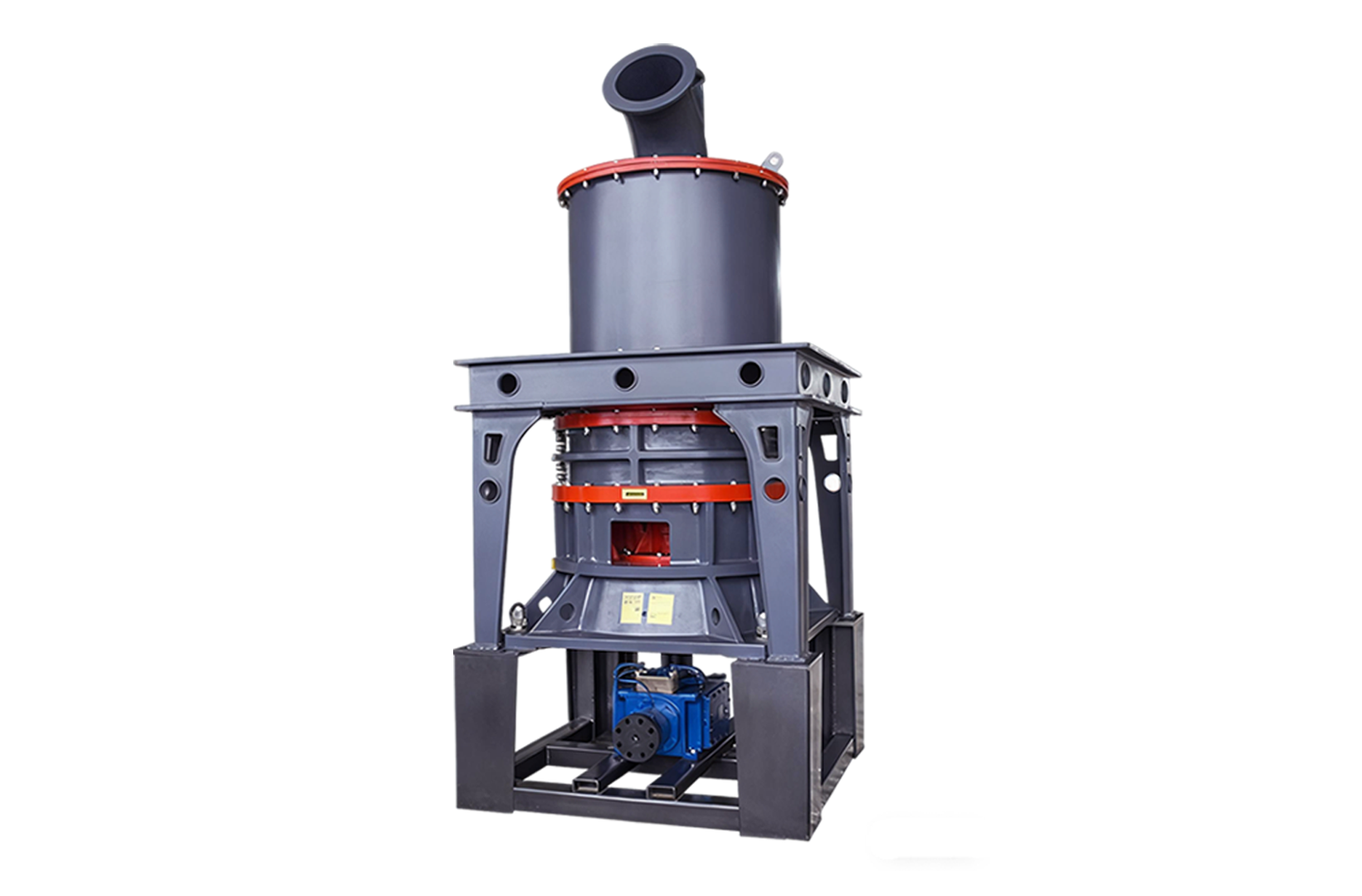
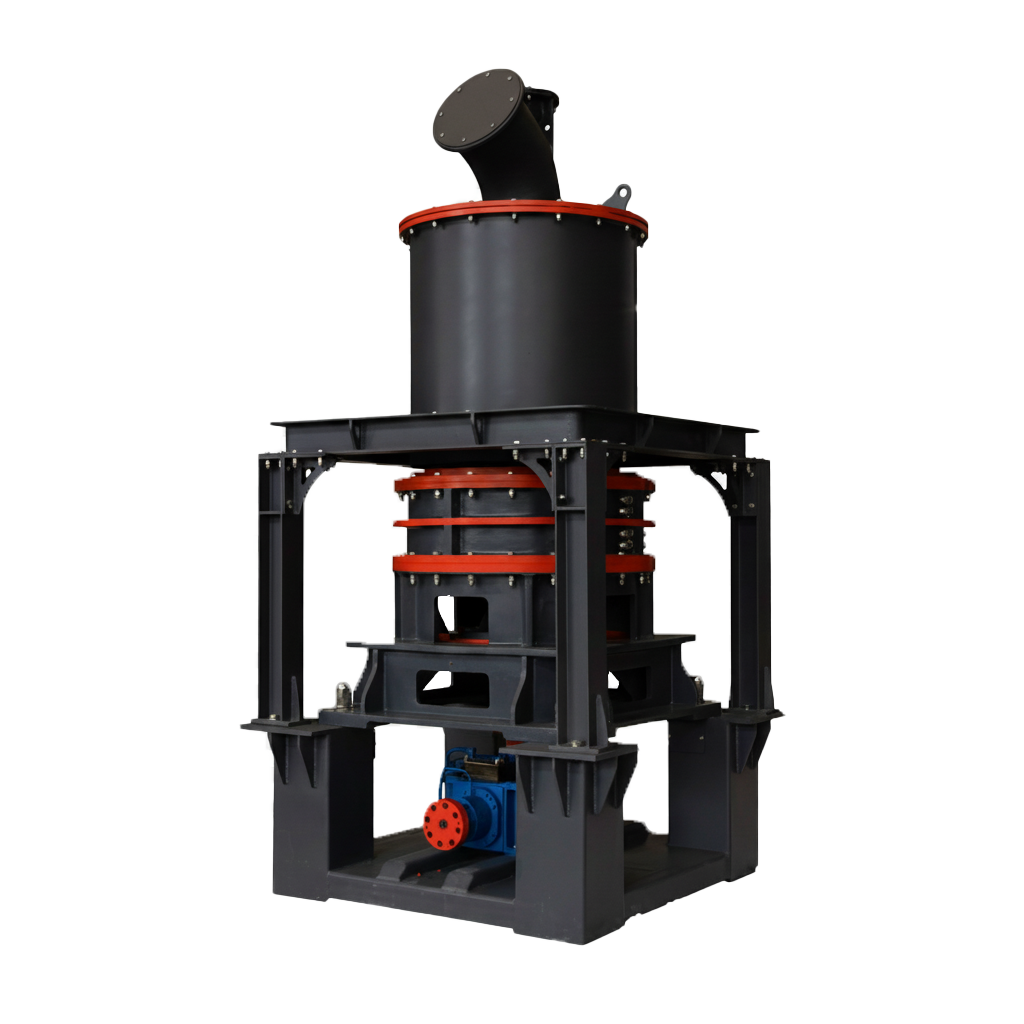
HGM ultrafine grinding mill with ring-roller grinding and integrated classification.
The HGM uses multi-layer ring-roller grinding with a variable-speed classifier to produce fine and ultrafine mineral powder. Talc is included in its published material range, and oversize particles return to the grinding zone for further size reduction.
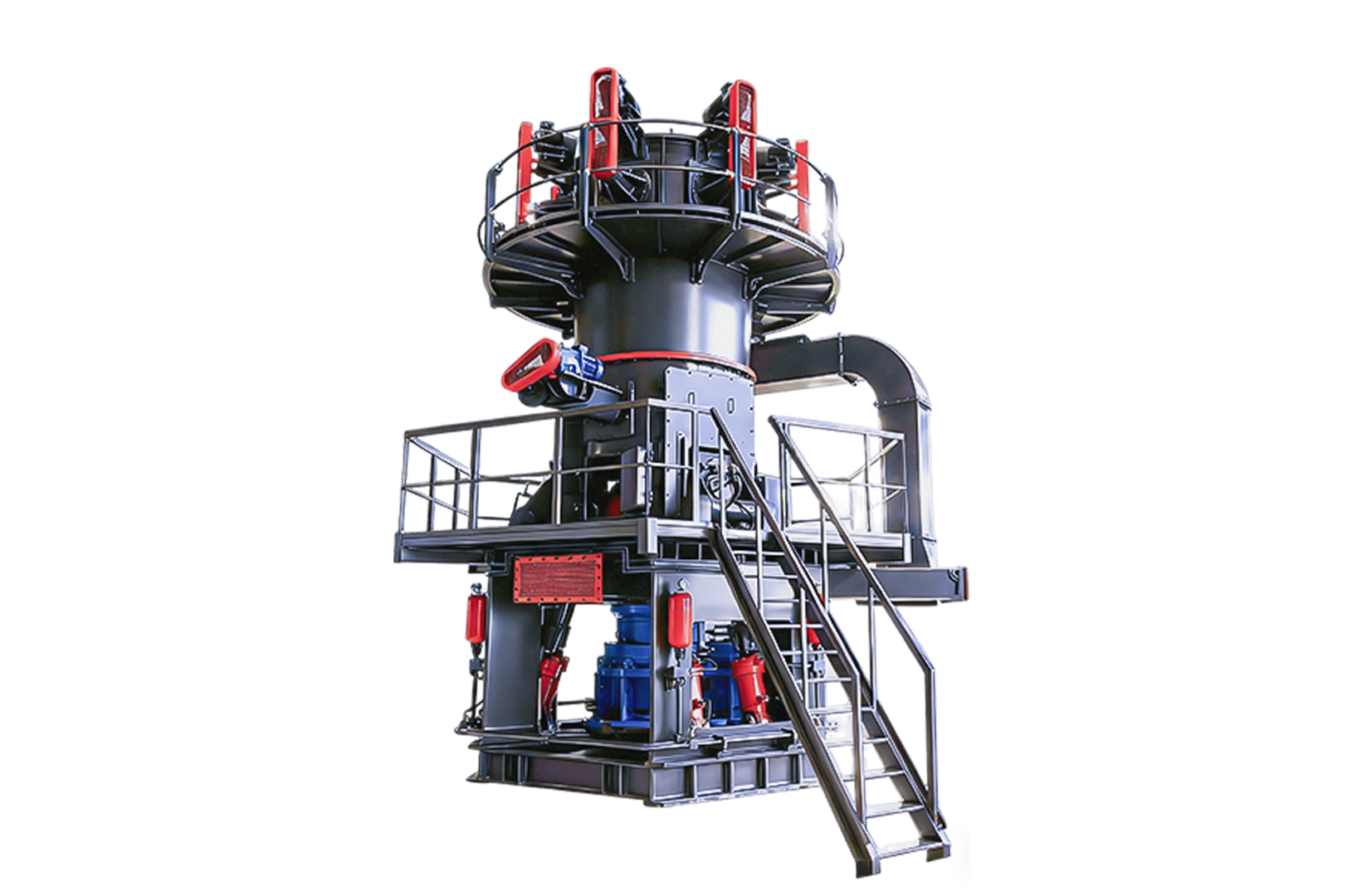
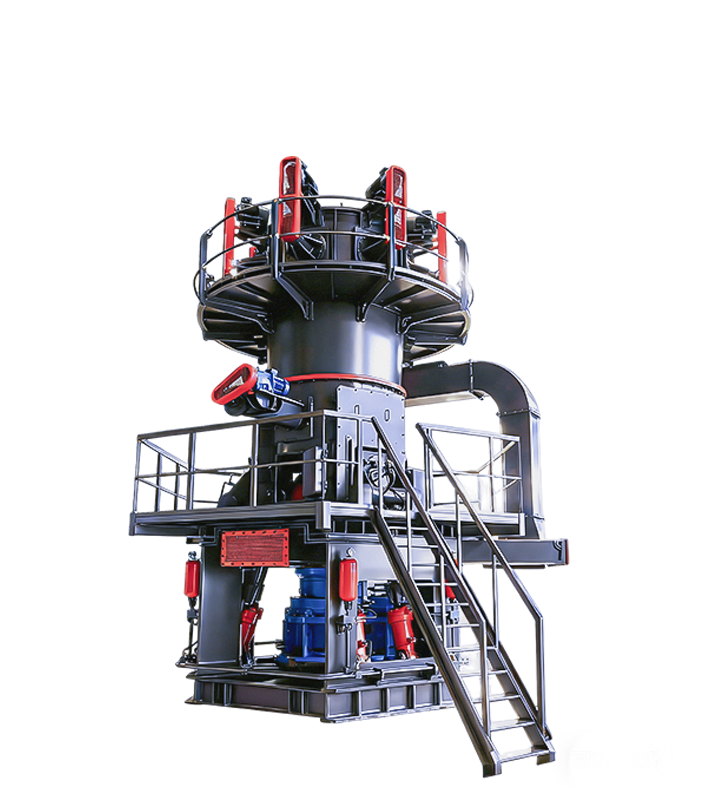
CLUM ultrafine vertical roller grinding mill with platform access for a continuous powder line.
The CLUM combines vertical roller grinding, multi-rotor classification, pneumatic conveying, and collection for continuous ultrafine dry processing. Its material-bed grinding route is intended for larger ultrafine mineral powder projects, including talc.
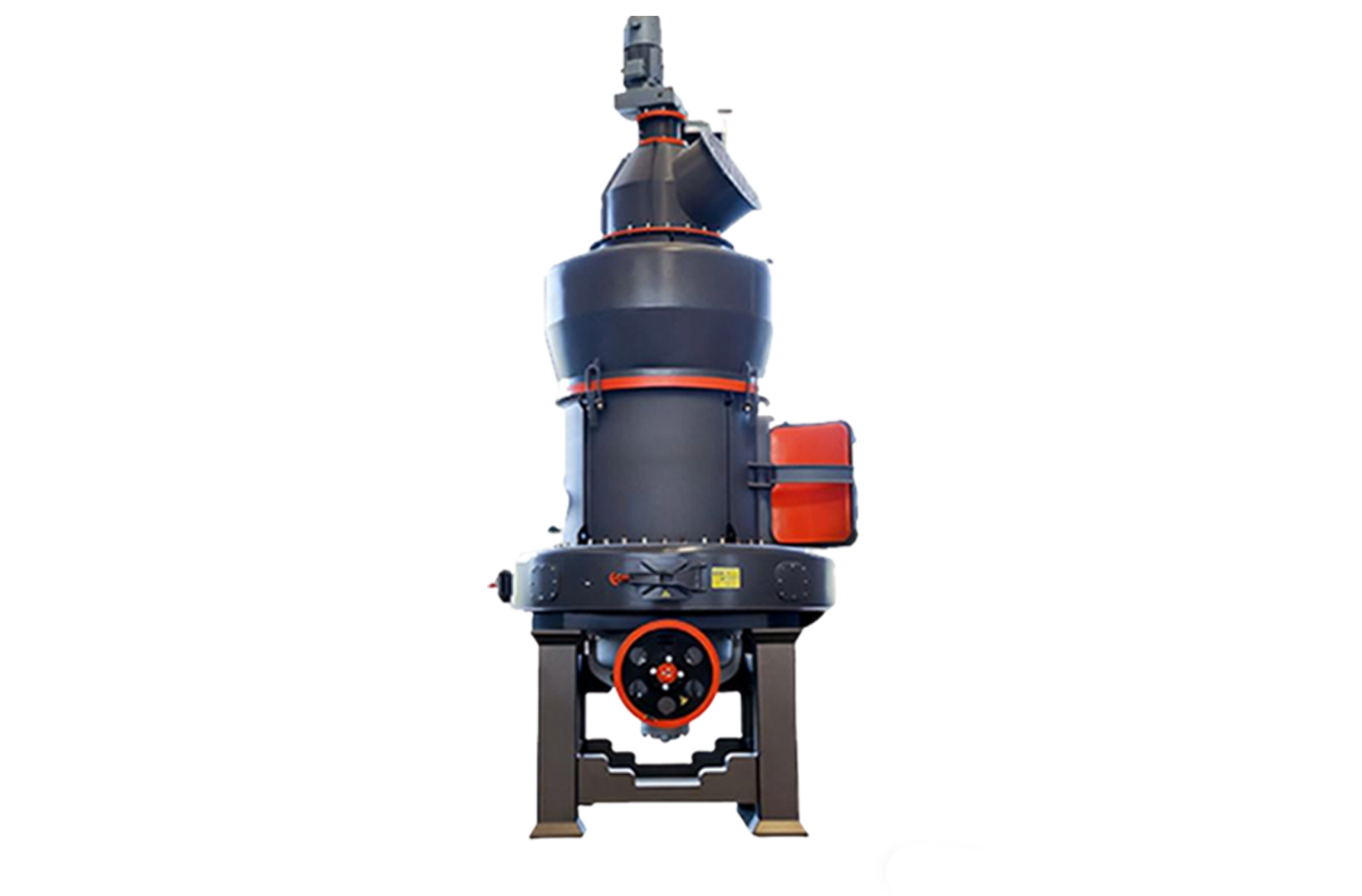
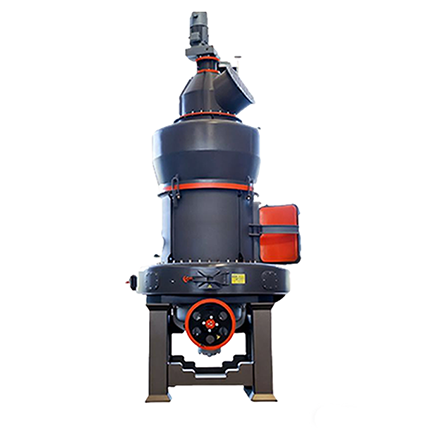
CLRM enhanced Raymond roller grinding mill for conventional fine talc powder.
The CLRM is the conventional fine-powder route in this group. Grinding rollers press material against the ring, and the air circuit carries powder to the classifier while coarse particles return to the mill. It suits talc projects whose required fineness and capacity fall within the selected CLRM model’s proven operating window.
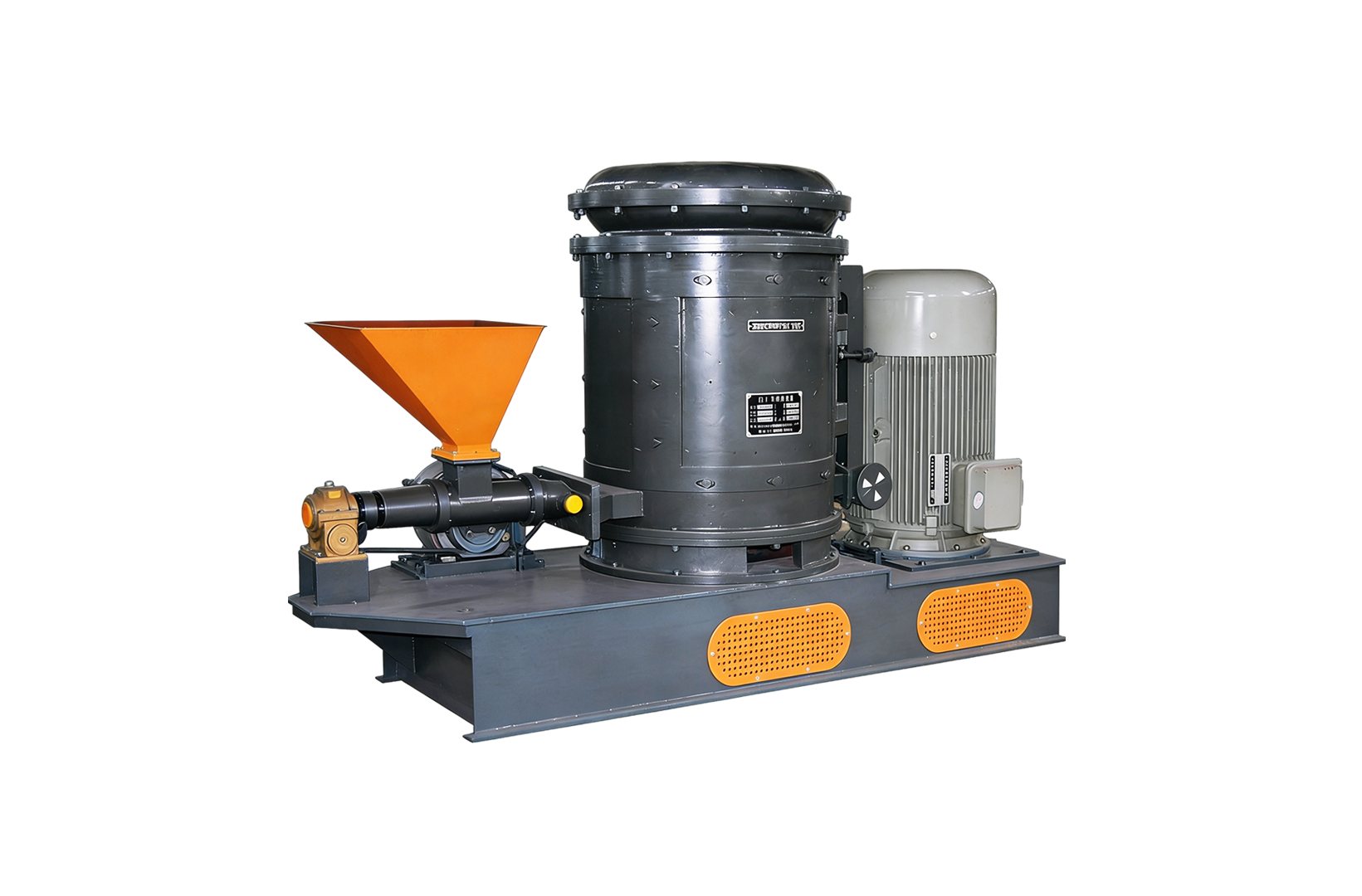
CLCM vortex air classifying mill for compact impact grinding and dynamic classification.
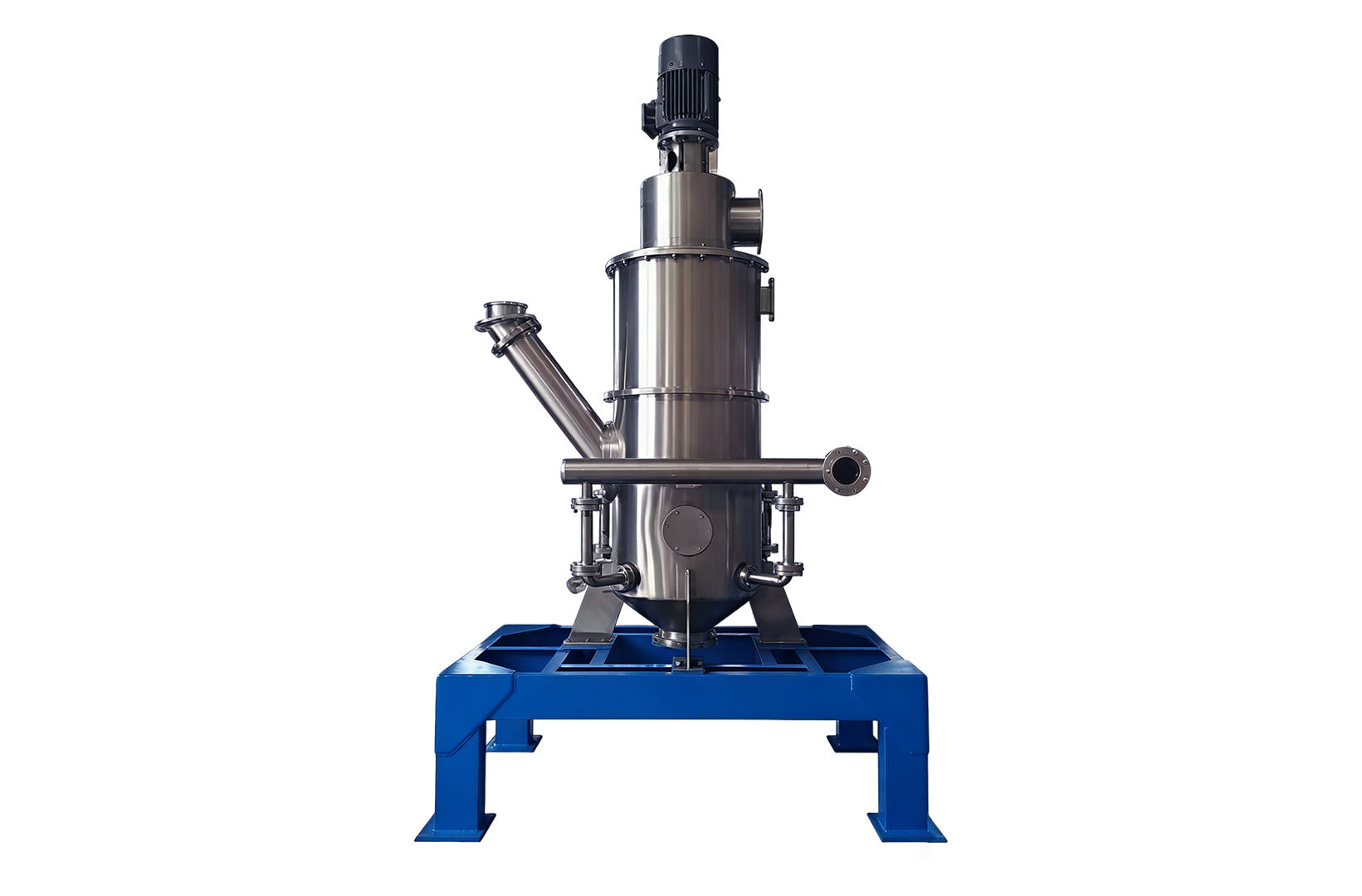
The CLCM combines mechanical impact grinding with dynamic air classification in a compact machine for continuous small- to medium-volume processing. Interchangeable impact elements and grinding tracks adapt the machine to different feeds, while optional ceramic key parts address projects with strict limits on metal pickup.
Choose the grinding route by the required product quality at the required throughput. The finest published setting is not automatically the best operating point because throughput, power, wear, temperature, and platelet retention change as the classifier cut becomes finer.
| Production goal | Equipment route to evaluate first | Selection reason | Confirm with testing |
|---|---|---|---|
| Conventional industrial talc powder with output prioritized over ultrafine range | Роликовая мельница CLRM Raymond | The CLRM covers the coarser published range in this group and accepts a larger feed size than the ultrafine machines. | Capacity at the specified residue or d97, moisture response, wear, and platelet retention |
| Fine to ultrafine talc across several ring-roller model sizes | Мельница HGM для ультратонкого измельчения | Multi-layer ring-roller grinding and adjustable classification extend the range below conventional Raymond milling. | Stable d50/d97, coarse tail, power per ton, temperature, and product morphology |
| Continuous ultrafine filler production with a vertical material-bed process | Ультрамелкая вертикальная вальцовая мельница CLUM | Integrated vertical grinding and multi-rotor classification support larger ultrafine dry-processing projects. | Product distribution, two-micron fraction when relevant, feed moisture, system pressure, power, and maintenance access |
| Small- to medium-volume fine processing or tighter metal-contamination control | Мельница с вихревым воздушным классификатором CLCM | Impact elements, dynamic classification, and optional ceramic key parts allow the configuration to follow the material and purity target. | Impact on platelet shape, liner choice, cleaning, capacity, airflow, and product temperature |
If the application depends on whiteness, low iron, or platelet morphology, include those results in the mill comparison. A machine can reach a nominal particle size and still miss the functional property that determines the talc powder’s value in the final formulation.
Clirik’s material-testing service can analyze the feed, run grinding or classification trials, evaluate the processed powder, and use the results to select a configuration. A representative sample should reflect the ore source, beneficiation state, moisture, and impurity level expected in production.
Set the trial acceptance criteria before testing. Record feed condition and operating settings, then measure throughput at the required d50, d97 or screen residue. Add whiteness, Fe₂O₃, moisture, bulk density, platelet morphology, or application testing when those properties determine acceptance. The same sampling position, dispersion method, instrument, and report format should be used for supplier trials and final performance verification.
The test program should answer three project questions: which grinding and classification route reaches the product specification, what production rate it sustains, and which auxiliary equipment is needed to repeat that result in the plant. These answers provide the basis for model sizing, power and airflow estimates, wear-part selection, dust collection, layout, and the performance terms in the quotation.
Talc powder making machine prices change with the process route and supply boundary. A Raymond mill, an ultrafine vertical line, and an air classifying system use different grinding components, classifiers, airflow systems, auxiliary equipment, and power. Product purity and morphology requirements can also change contact materials and wear-part choices.
Ask each proposal to state the selected model, guaranteed product specification, throughput at that specification, and the test basis. The equipment list should identify whether the price includes crushing, drying, feeding, classification, fans, dust collection, conveying, storage, packing, electrical controls, installation, commissioning, training, and recommended spare parts. Commercial terms should separately state freight, insurance, taxes, delivery schedule, warranty, and site-service conditions.
For an initial selection and quotation, send:
Send Clirik your talc analysis, target particle-size distribution, capacity, and purity requirements. The engineering team will compare the applicable mill routes and define the main unit, classifier, collection system, and auxiliary equipment for your project.
Describe the talc feed, finished-powder specification, required output, and preferred line boundary.