 Клирик




Поиск
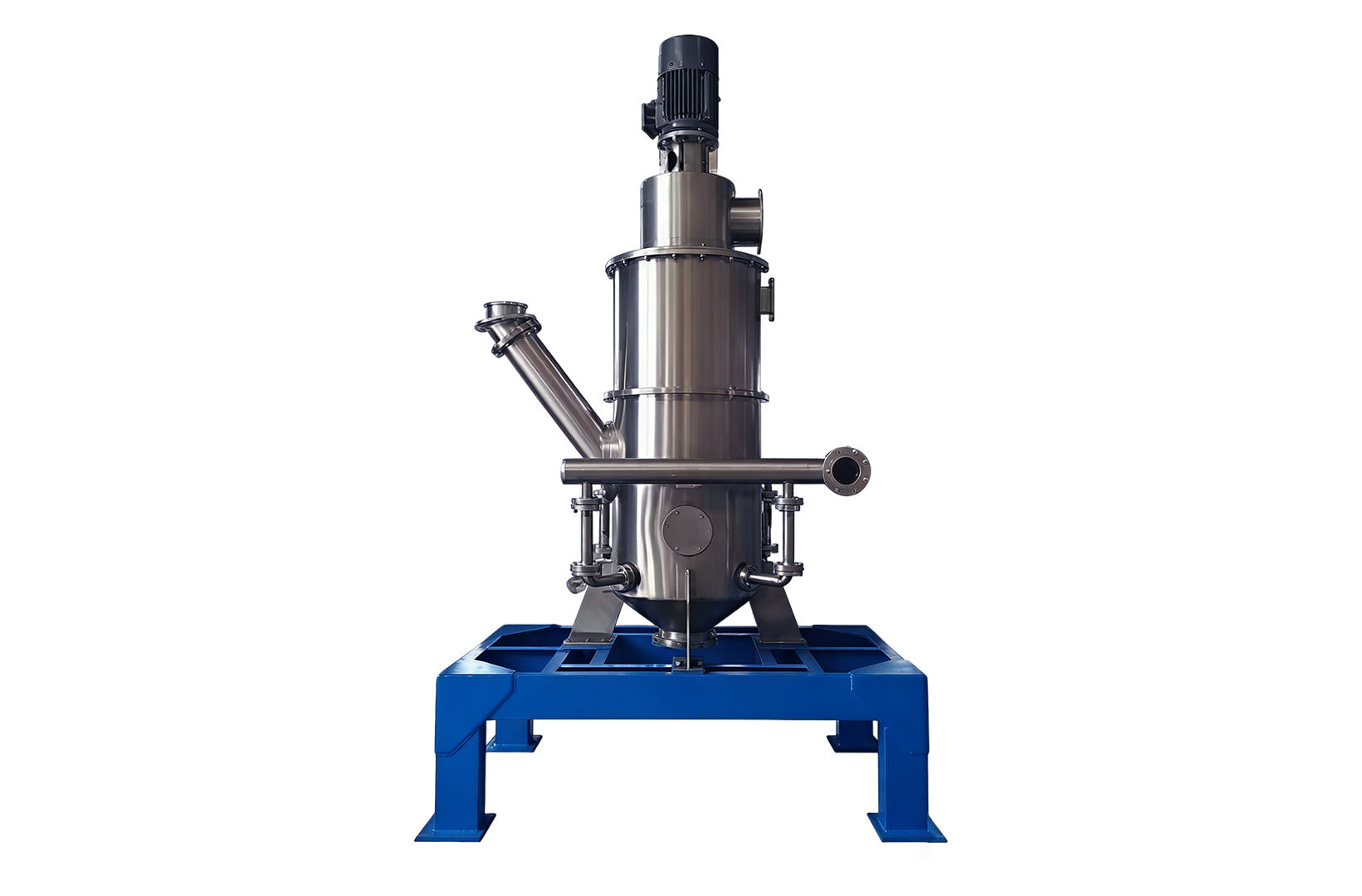
A Raymond mill uses a controlled combination of roller grinding and airflow classification to turn prepared mineral feed into a consistent fine powder. Material enters the grinding chamber, is pressed between the grinding rollers and ring, and is lifted by airflow toward the classifier.
Particles that meet the selected fineness pass to the cyclone collector or bag filter. Coarse particles return to the grinding chamber for regrinding, while the blower and return duct keep the system in a sealed circulation loop. The final result depends on the model, feed condition, moisture, fineness target and complete system configuration.
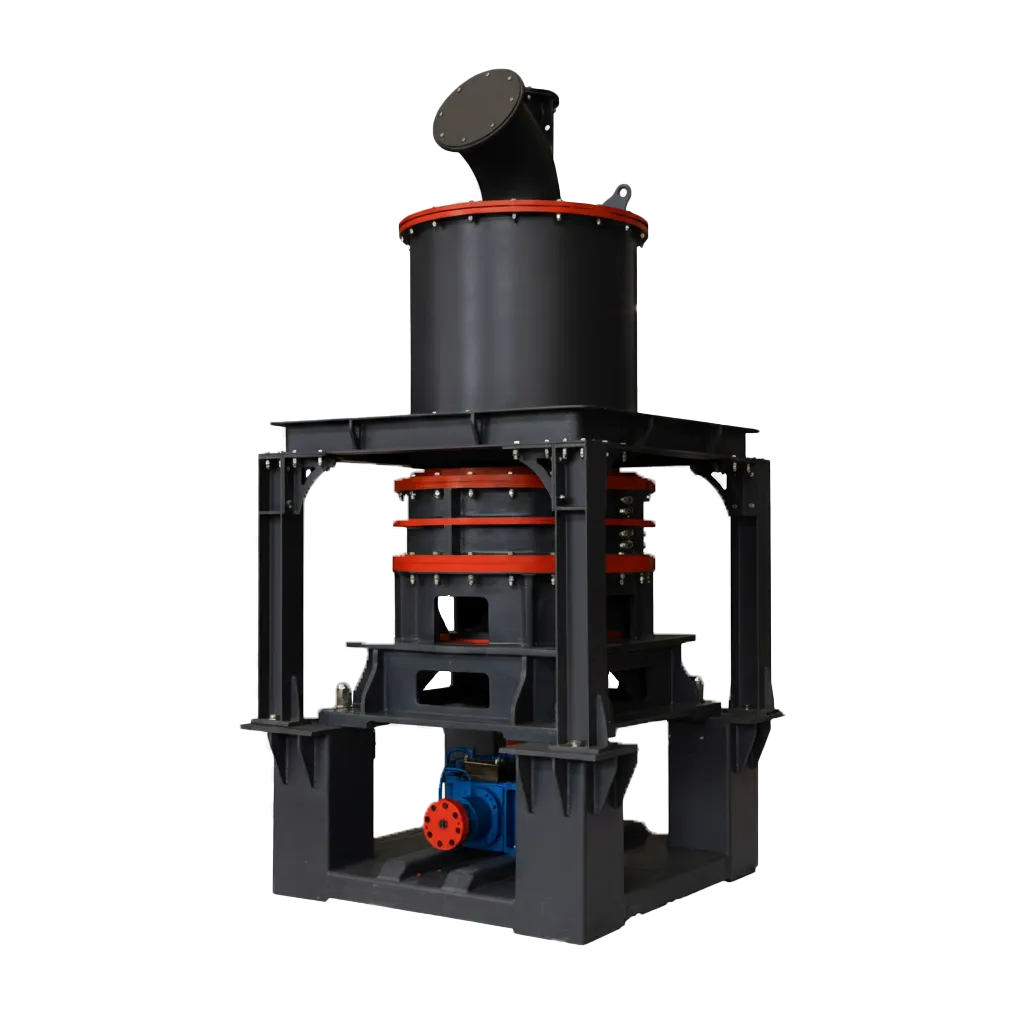
A Raymond mill is a dry grinding system for reducing prepared mineral feed and separating the finished powder by airflow. It is a processing unit inside a larger line, not a substitute for every upstream and downstream machine.
Crushing and controlled feeding bring the raw material into the size and flow condition that the mill can handle.
Grinding rollers press the material against a fixed ring. The repeated compression, rolling and shear action reduces particle size.
The classifier separates fine powder from coarse particles. The coarse fraction returns to the grinding zone instead of leaving as finished product.
A complete installation may also include a crusher, bucket elevator, hopper, vibrating feeder, blower, cyclone collector, bag filter, conveying equipment, storage, packaging and controls. The quotation should state which parts are included.
The working principle is a closed-loop sequence. Feed stability, grinding pressure, classifier speed, airflow and collection resistance interact, so the main frame cannot be evaluated separately from the air system.
| Control point | What changes | Why it matters |
|---|---|---|
| Feed rate and feed size | Material loading and residence time | Unstable feeding can cause capacity and fineness fluctuations. |
| Grinding pressure and wear gap | Grinding force and particle breakage | Wear changes the working condition and can reduce output stability. |
| Classifier speed and airflow | Cut size and circulating load | These settings help determine how much powder passes as finished product. |
| Collection resistance | Negative pressure and powder recovery | Leaks, blocked filters or changing pressure can affect classification and dust control. |
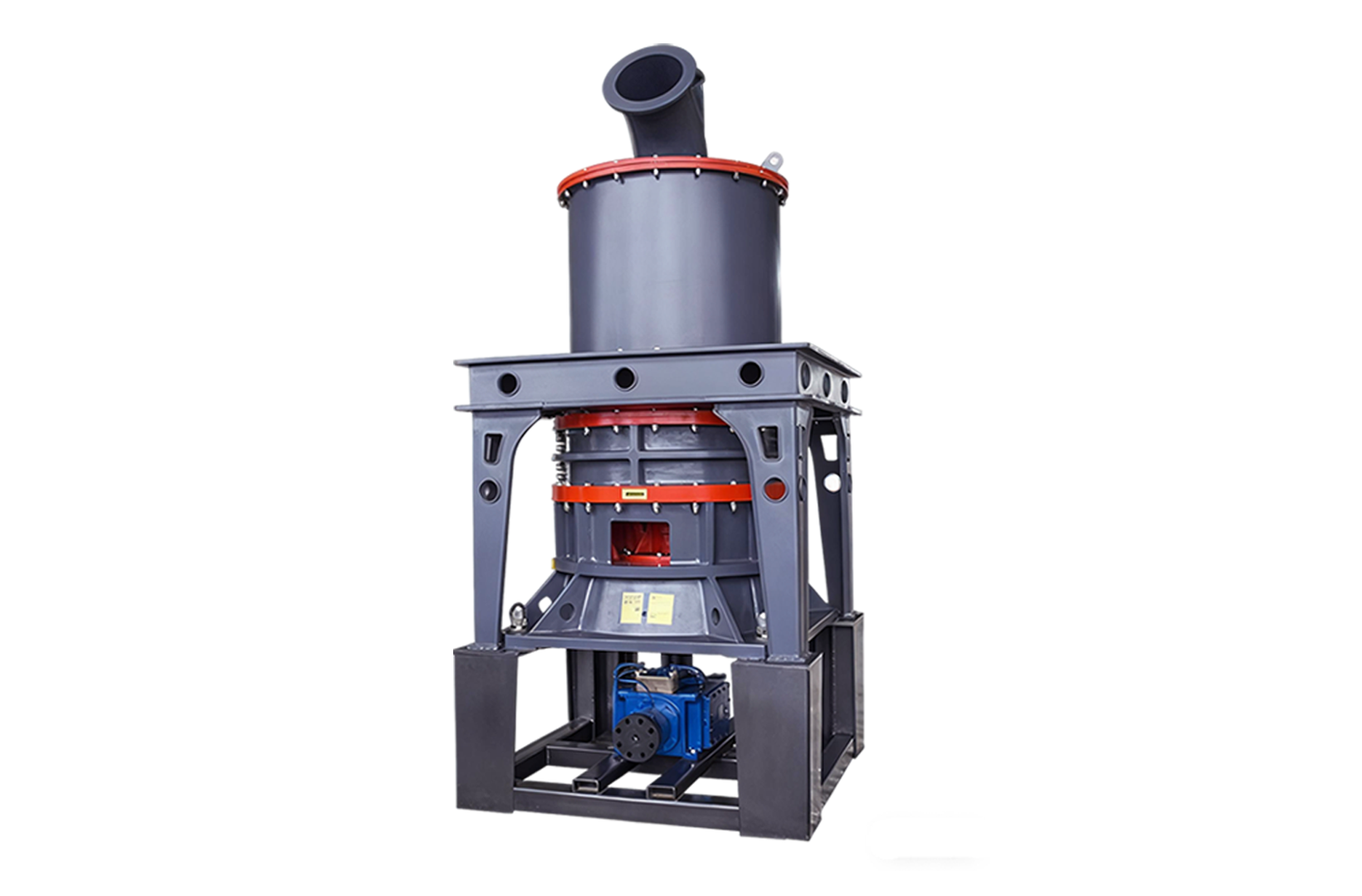
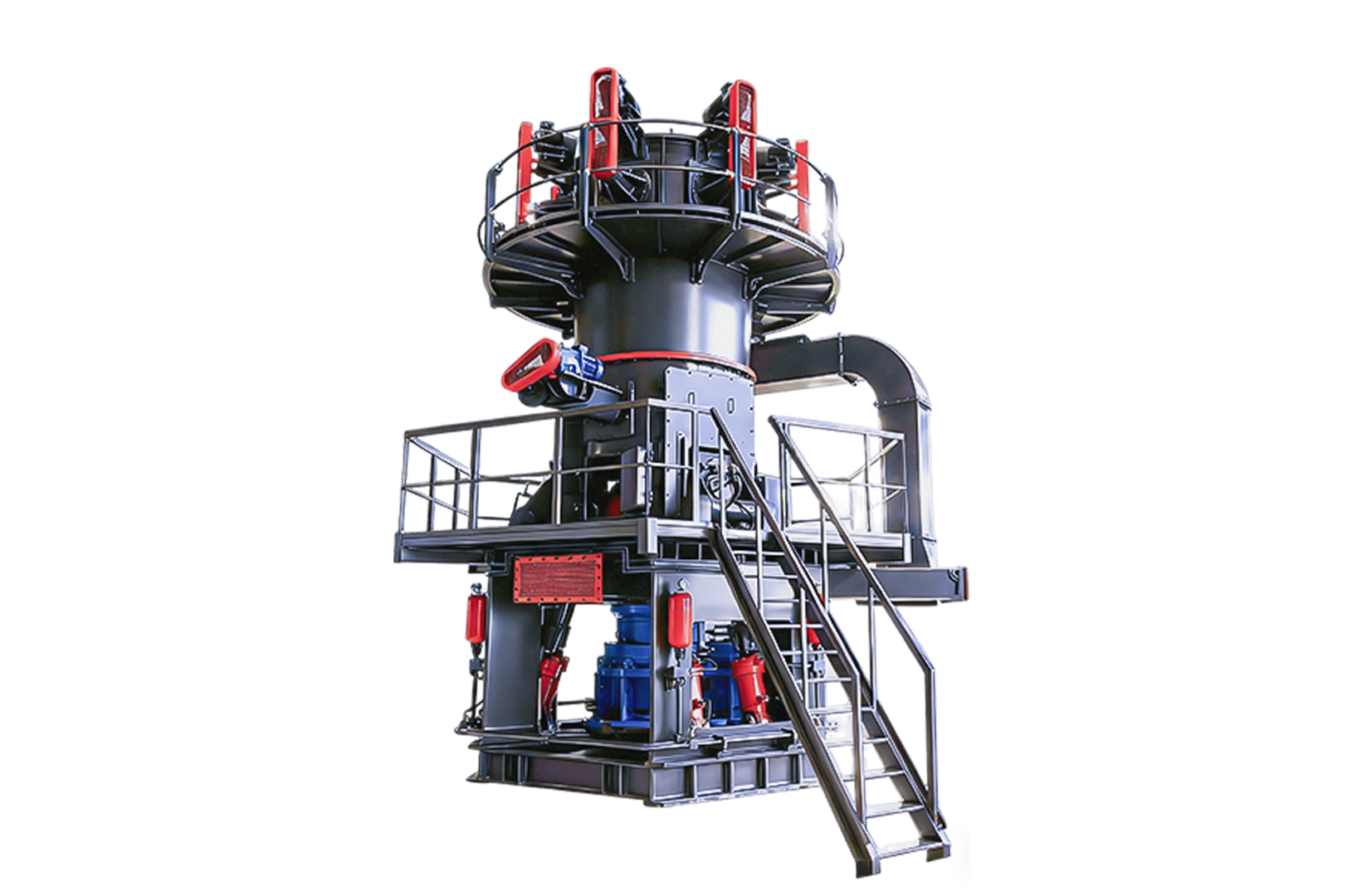
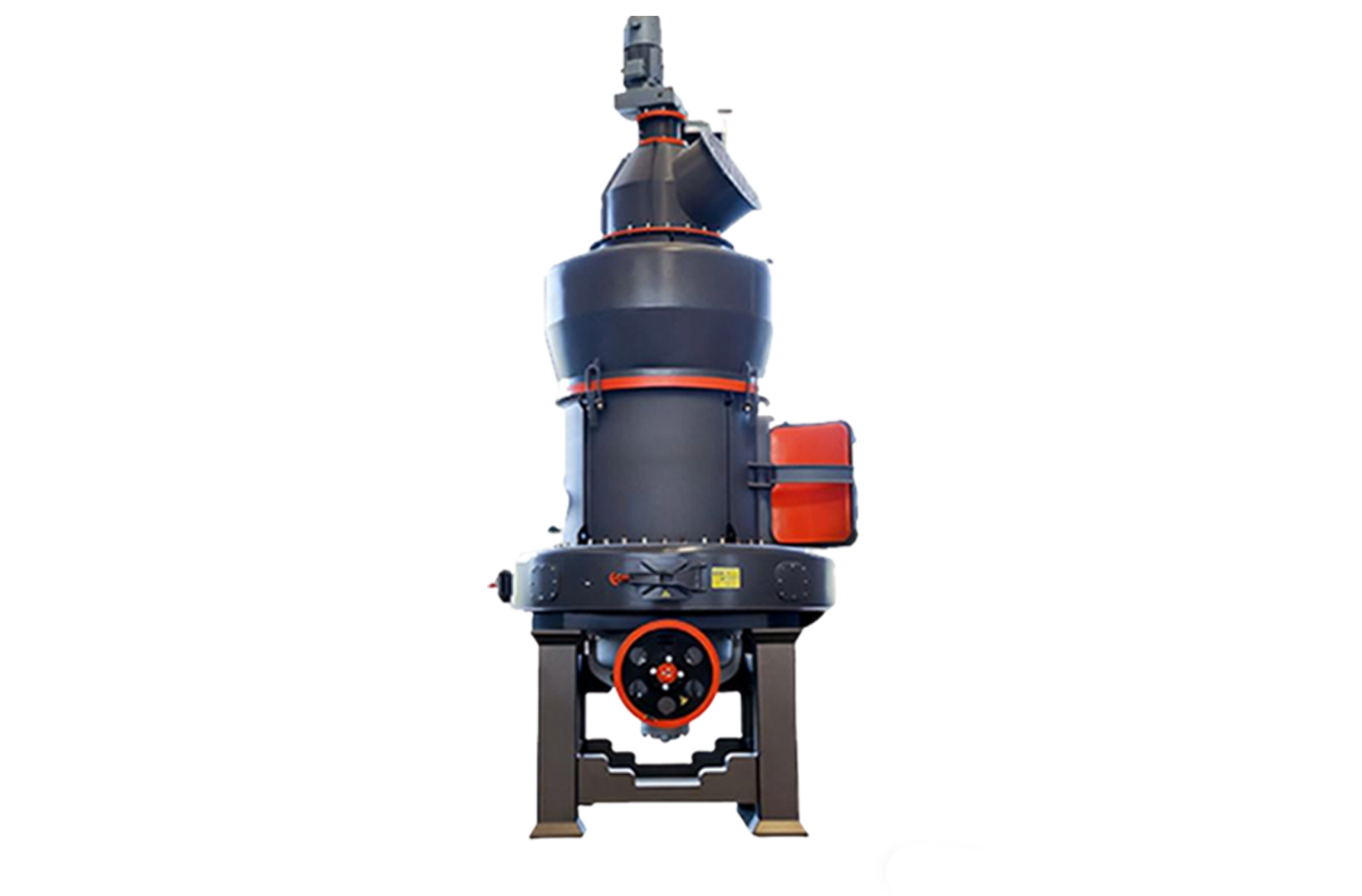
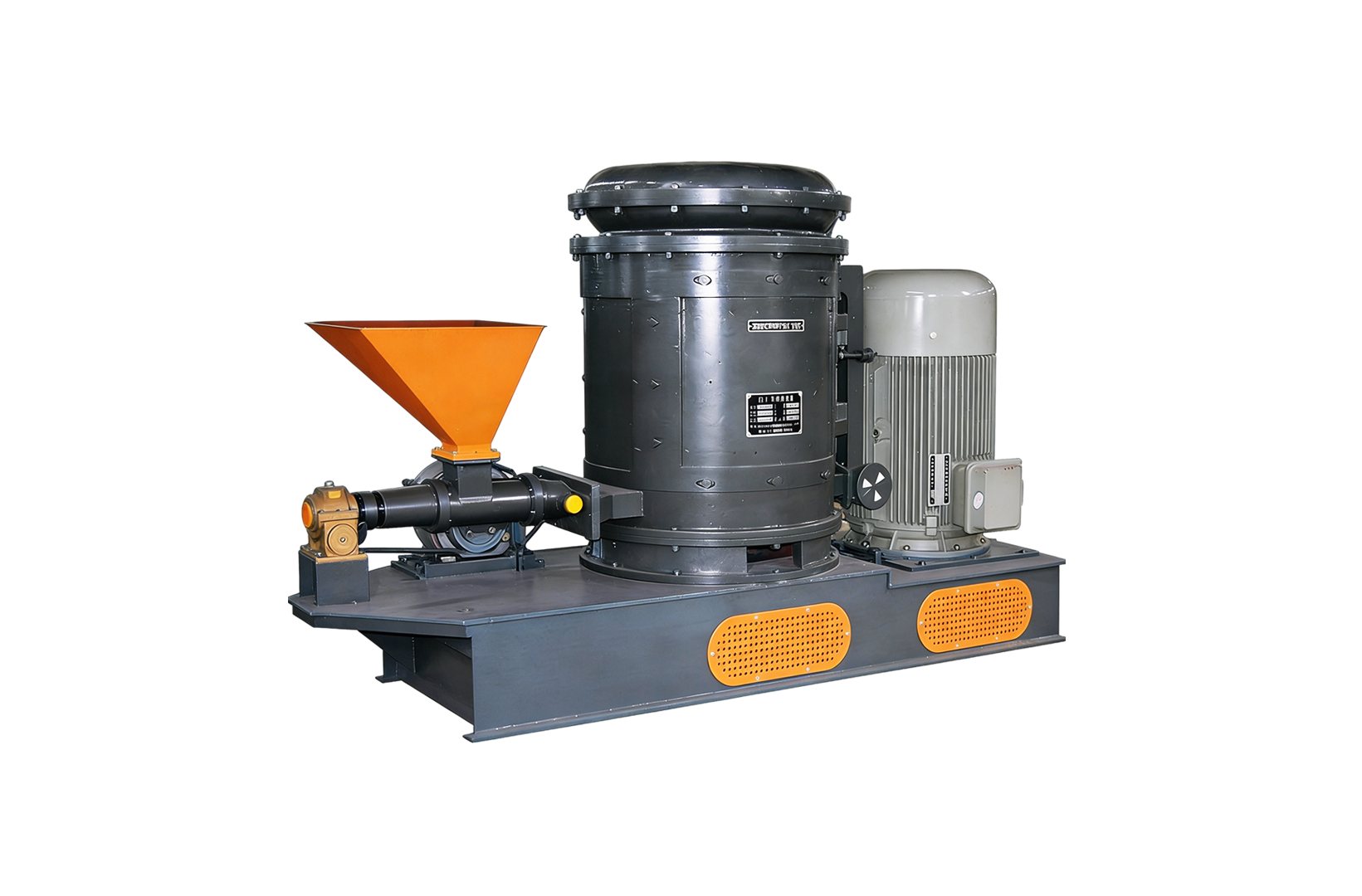
The specified product for this page is the CLRM Raymond Roller Mill. CLIRIK lists a capacity range of 1–35 t/h, output fineness of 80–500 mesh and maximum feed particle size of 35 mm for the series overview. Individual models have different roller sizes, motor configurations and capacity ranges.
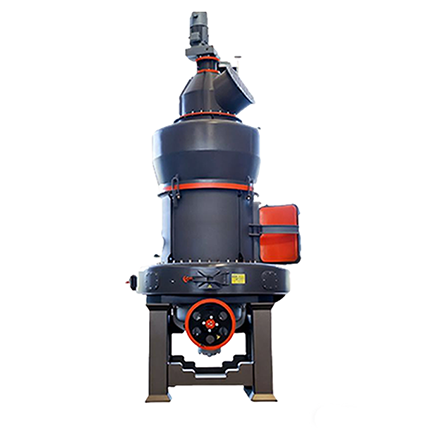
An enhanced roller grinding mill for dry processing of non-flammable, non-explosive mineral materials, with airflow classification and a closed circulation system.
The working principle becomes easier to troubleshoot when each component is connected to the process variable it controls.
The main shaft, roller frame, grinding rollers, ring and shovel or scraper create the compression and rolling zone. Wear condition and material abrasiveness affect the available grinding pressure and gap.
The classifier uses airflow and rotational separation to control which particles leave as finished powder. Speed, air volume, material density and particle-size distribution all influence the cut.
The blower supplies the conveying airflow and the return duct closes the loop. Leakage, pressure loss and filter resistance can change the material path and the final fineness.
Collection equipment separates the finished powder from the process air and controls dust release. Its capacity and pressure drop should match the mill, fan and expected throughput.
CLIRIK lists the CLRM series for non-flammable and non-explosive mineral materials such as quartz, feldspar, barite, calcite, limestone, talc, ceramic, iron ore, carborundum, bauxite, rock phosphate and coal. The product page states a listed suitability boundary of Moh’s hardness below 6 and humidity below 6%.
These are screening conditions, not a universal performance guarantee. Actual capacity, fineness and wear depend on the mineral composition, abrasiveness, feed size, moisture, target product and operating schedule.
| Application area | Typical process need | Information to confirm |
|---|---|---|
| Construction materials | Stable conventional fine powder for cement additives, mortar or putty-related formulations | Target mesh or d50/d97, moisture, throughput and dust standard |
| Metallurgy and mining | Continuous dry grinding of selected mineral feed | Hardness, abrasiveness, impurities, feed size and wear-part plan |
| Chemical and industrial minerals | Controlled powder fineness for a downstream formulation | Purity, contamination limits, heat sensitivity and collection method |
| Road and infrastructure materials | Reliable supply of mineral powder at a defined production rate | Operating hours, site utilities, installation scope and acceptance method |
Start with the material and finished-powder target, then size the grinding, classification, air and collection system together. A product name alone is not enough to determine a model or a guaranteed result.
| Input | Provide | Selection or acceptance impact |
|---|---|---|
| Материал | Mineral name, composition, hardness, abrasiveness and contamination limits | Guides feed preparation, contact materials, wear protection and cleaning requirements. |
| Feed condition | Maximum feed size, moisture, temperature and stable feed rate | Determines whether crushing, drying, heat or a different feeding arrangement is needed. |
| Готовый порошок | Mesh plus d50/d97 or sieve method, product moisture, purity or whiteness | Defines the classifier setting, circulating load and test method. |
| Вместимость | Target t/h, operating hours and packaging or storage arrangement | Guides model size, blower, collection equipment and line balance. |
| Site and scope | Power, floor space, dust standard, delivery location and installation needs | Clarifies auxiliary equipment, controls, foundations, commissioning and quotation boundaries. |
For acceptance, agree on the sample, feed condition, sampling position, test method, stable run time, capacity, fineness, temperature, pressure, dust level and allowed deviation before production starts.
The classifier separates particles by their movement in the air and rotating field. Particles that do not meet the selected cut fall back for another grinding cycle instead of leaving as finished powder.
No. The blower, ducts, classifier and collection equipment are part of the operating principle. They transport powder, establish the pressure pattern and control the separation and recovery of finished product.
Moisture can affect feeding, adhesion, airflow, grinding stability and the final powder condition. The CLRM product page lists humidity below 6% as a suitability condition; the actual project limit should be confirmed with the material and test method.
No. The 1–35 t/h range is the series overview. Capacity changes with model, mineral properties, feed size, moisture, target fineness, air system and operating conditions.
Send the material name and sample information, feed size, moisture, target fineness, required capacity, operating hours, delivery location, dust-control requirements and whether you need crushing, drying, conveying, collection, installation or commissioning included.