 Клирик




Поиск
A proposal labeled “limestone grinding equipment” may list only the mill, or it may include feeding, classification, a fan, and dust collection. The machine name or motor power alone does not reveal whether output is measured at the mill outlet or after classification and collection. The end use of the powder and the scope of the full line change what the proposal actually means.
Limestone powder for cement raw meal or building materials is assessed for chemical composition, output, moisture, and particle size distribution. In flue gas desulfurization, particle size must also be considered alongside reactivity, the specific desulfurization process, and system conditions. For filler applications, whiteness, purity, and particle size distribution become more prominent. A single mesh figure cannot show whether equipment meets these different requirements.
Nor is limestone a uniform feed material. Calcium carbonate content, dolomite proportion, quartz and clay impurities, hardness, abrasiveness, and moisture vary by source and affect equipment load and powder quality. When high whiteness or purity is required, finer grinding cannot remove iron bearing or siliceous impurities already present in the ore. The source material or pretreatment therefore matters before grinding begins. Conversely, when the task is only to reduce large pieces or produce aggregate, crushing and screening may be more suitable than an ultrafine grinding line.
Large limestone pieces are first crushed to a size the mill can accept. Crushing reduces lump size; grinding produces the target fineness. Classification then separates qualified fine powder and returns coarser particles to the grinding zone. Cyclone separation or baghouse collection recovers product and controls dust, while conveying and storage affect whether finished powder can leave the line continuously. Thus, limestone grinding equipment may mean the mill itself or a system with supporting stages. That scope has to be clear when comparing proposals.
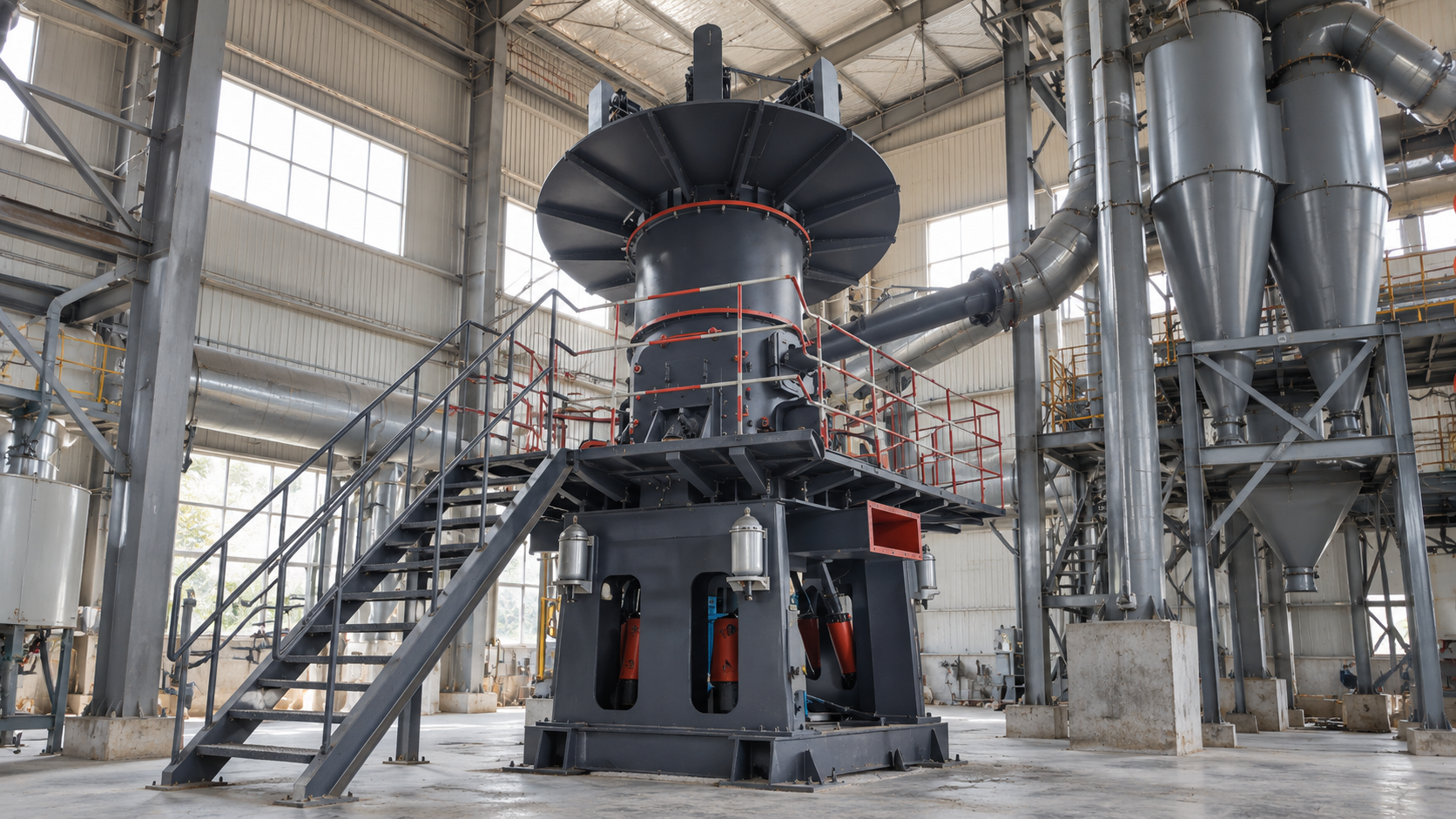
Every project does not need the same arrangement. Previously crushed, low moisture limestone can pass through a dry closed circuit of feeding, grinding, classification, and collection. Higher moisture, a tendency to stick, or a lower finished powder moisture target changes the need for drying and hot air. Moisture affects the material in the mill as well as the collection load downstream. Outlet moisture, condensation, and collector load therefore belong in the same discussion as the heat and air circuit. Raising mill throughput alone may leave effective line output constrained by classification, airflow, or collection.
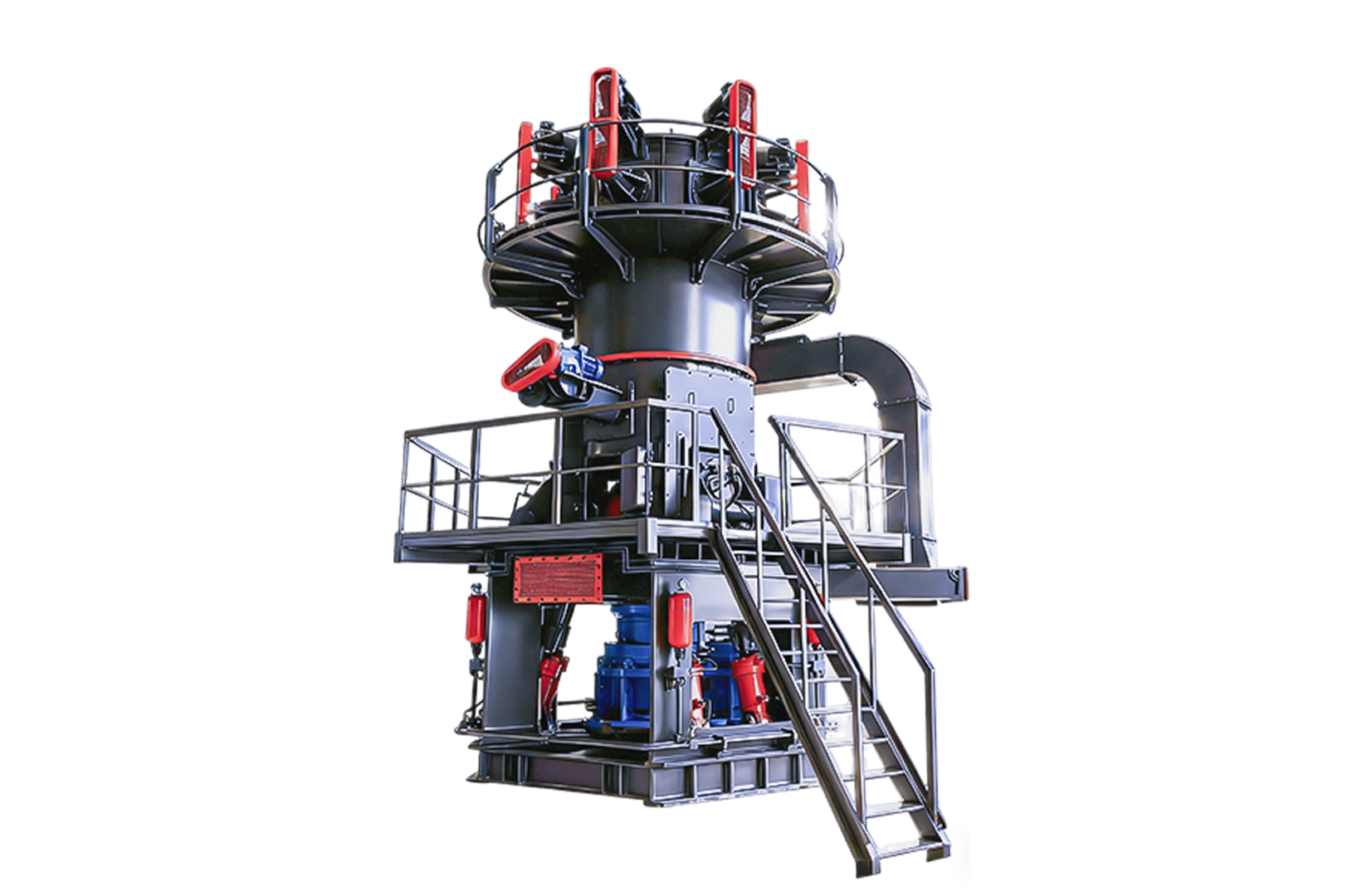
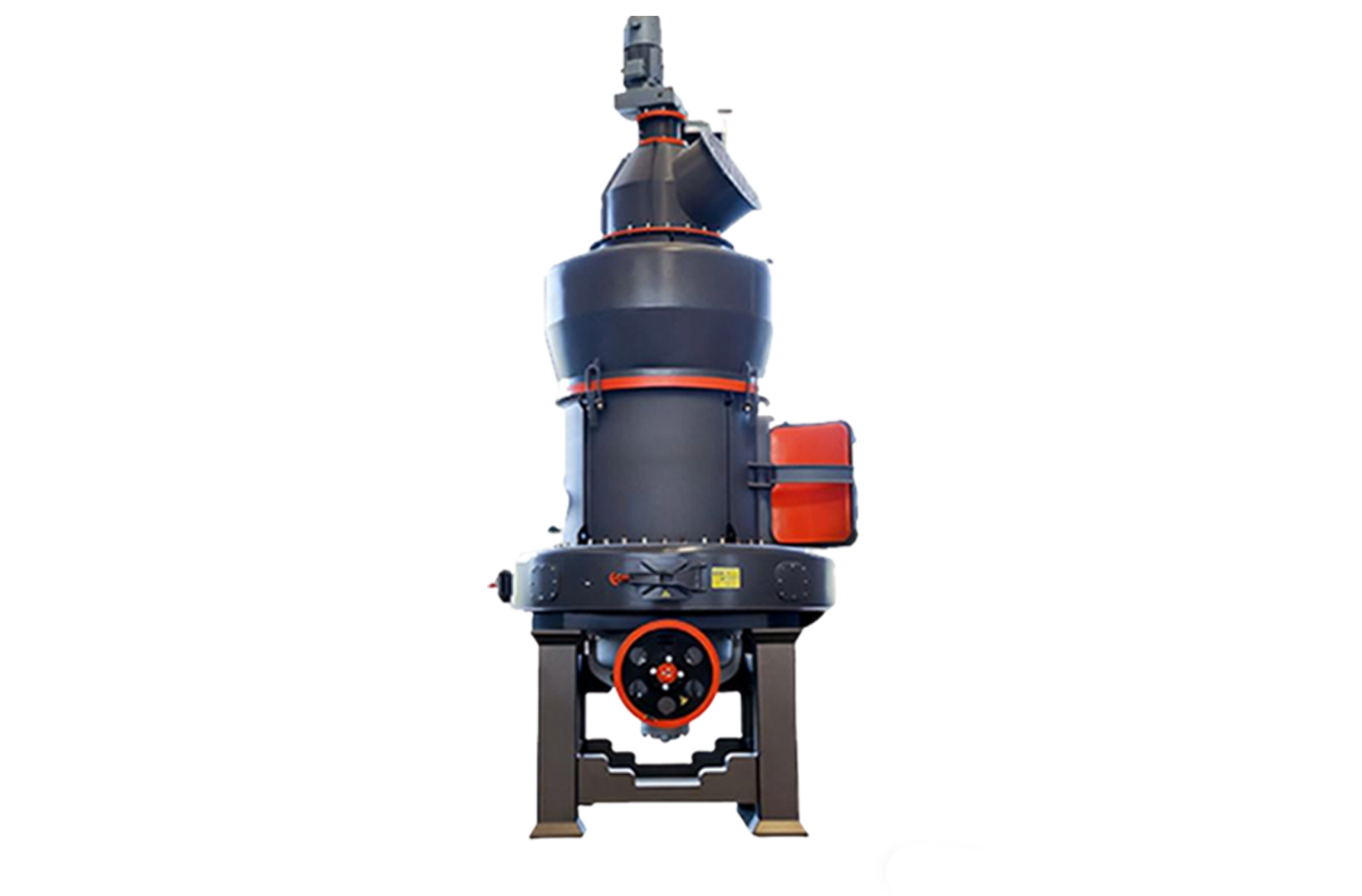
Raymond or ring roller systems can be considered for conventional fine powder that needs continuous air sweeping and classification. Their suitability still depends on feed size and moisture, product screen residue, airflow, and wear. Where continuous grinding needs closer integration with drying and classification, or where a larger material volume is involved, a vertical roller mill may be worth comparing. Hot air, the classifier, and system pressure drop are part of that comparison.
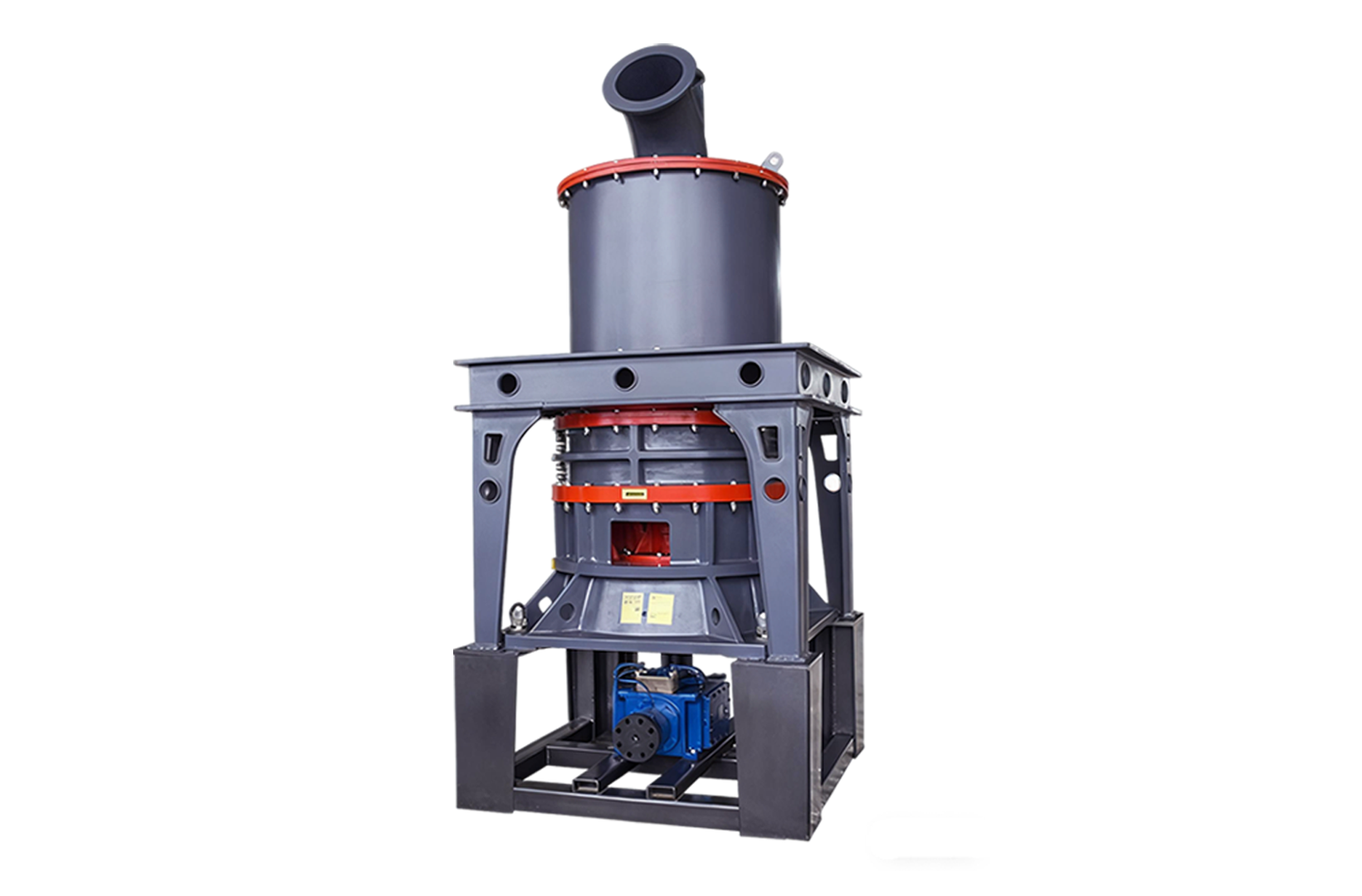
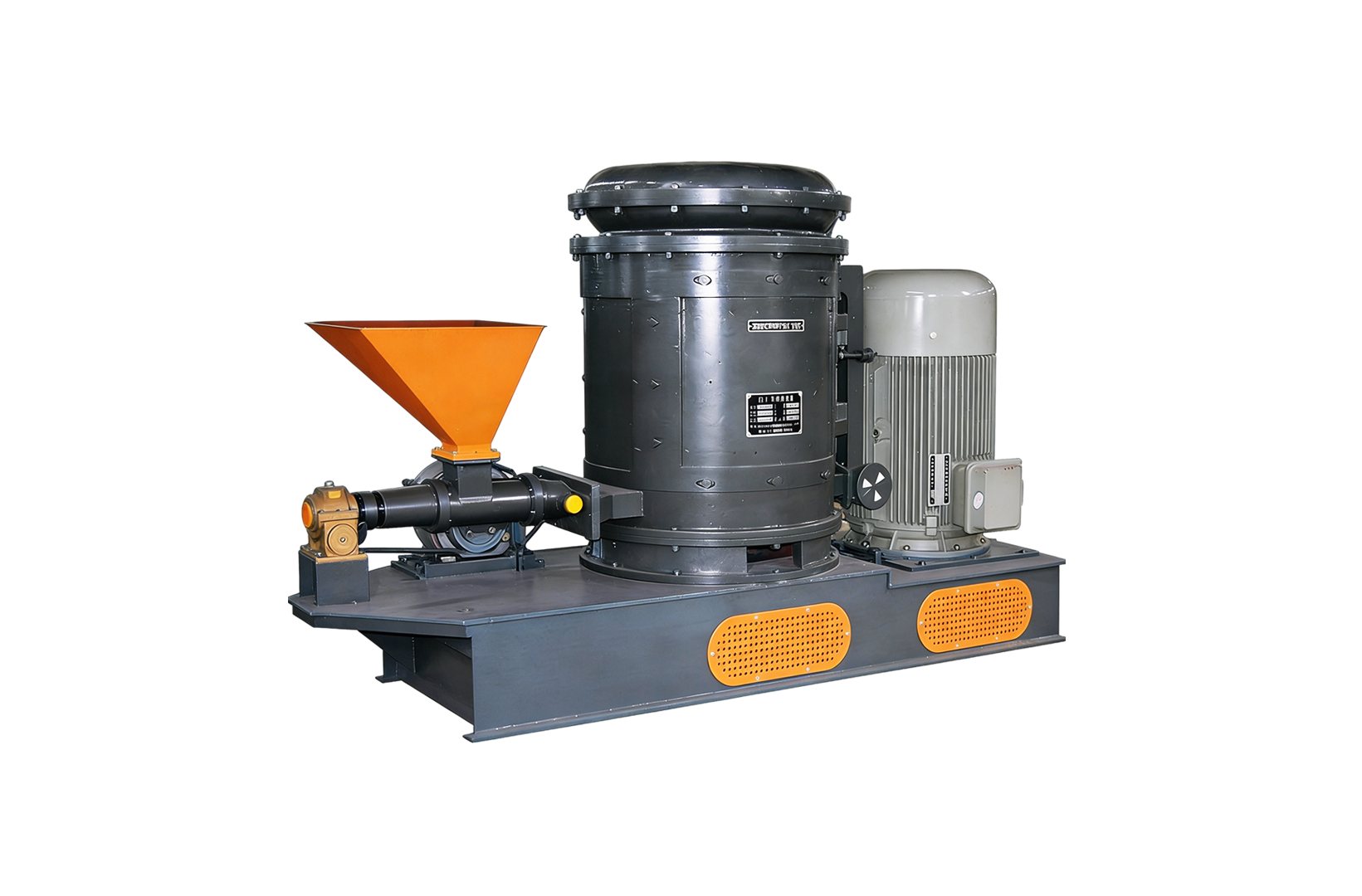
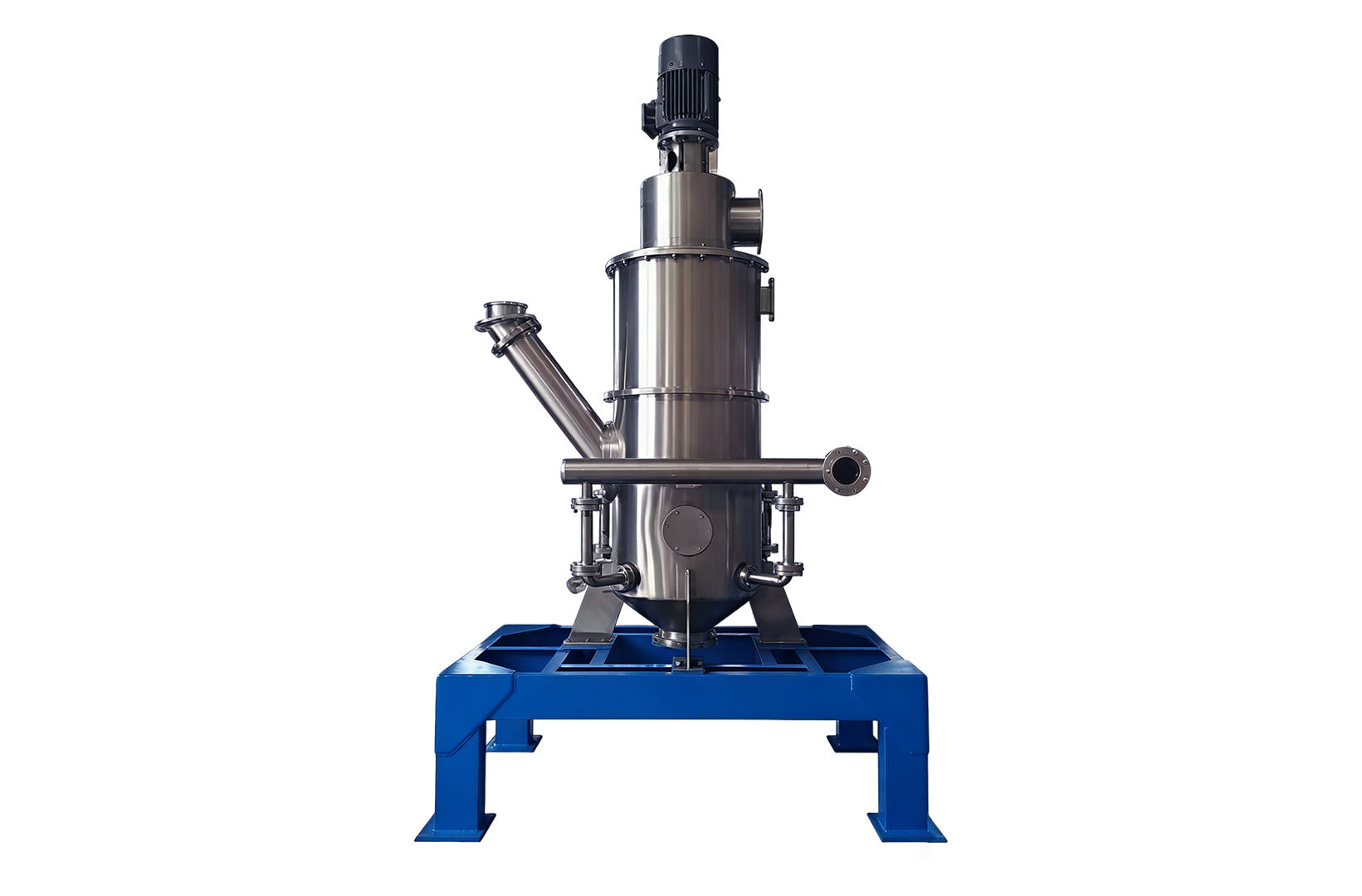
When the target shifts to finer powder or a narrower size distribution, micro powder mills, ultrafine vertical mills, and fine classification systems become more relevant. Greater fineness generally places higher demands on classification and increases circulating load; throughput, energy use, temperature rise, and wear cannot be projected with one fixed ratio. For filler powder, changing to an ultrafine machine does not automatically improve whiteness or remove impurities. For desulfurization, the choice between powder and slurry must follow the specific process. A mill category is only a starting point; performance still depends on the limestone sample and operating conditions.
Product fineness is better expressed with d50, d97, top cut size, or screen residue together with the test method. Mesh alone does not fully describe particle size distribution. When a sample agglomerates, blocks a sieve, or develops static, the suitability of dry and wet sieving must also be distinguished. Otherwise, two systems claiming the same mesh value may not be compared on the same basis.
Capacity likewise belongs to defined feed and product conditions. Continuous trials with representative limestone samples can assess output, size distribution, moisture, energy use, temperature rise, pressure drop, and wear. Mill throughput should be distinguished from the full line's output of qualified powder. Returning coarse particles helps control product size but increases circulating load. Once the classification target changes, an earlier capacity figure is no longer directly comparable. The decisive measure is the qualified powder actually obtained from the complete line under the specified feed and product conditions.