 Клирик






Поиск
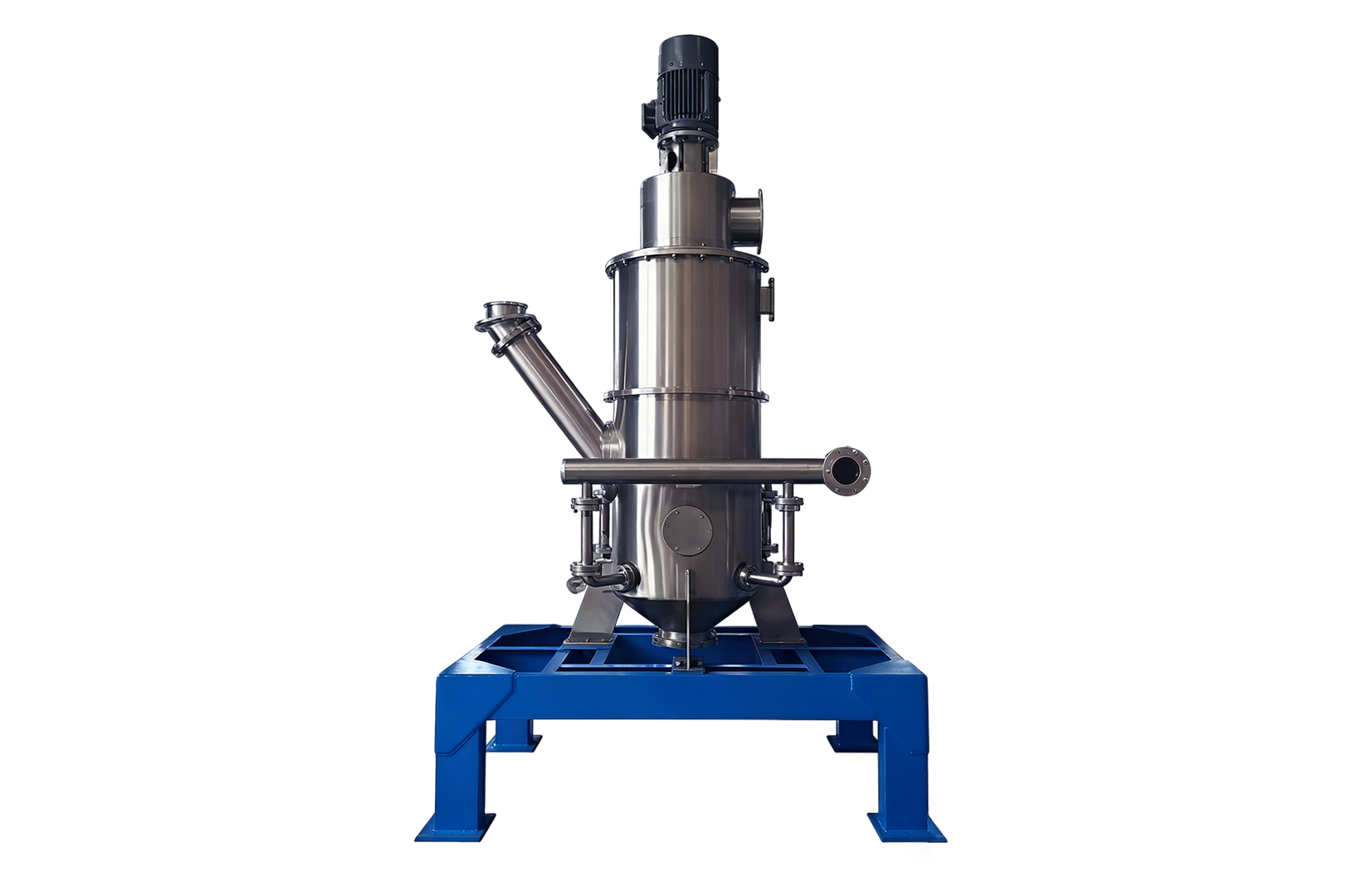
Design a barite powder line around the product you need to sell and the ore you actually have. Clirik offers Raymond roller, ultrafine ring-roller, and ultrafine vertical roller mills; feed preparation, classification, collection, and plant interfaces determine how each fits into a complete line.
The end use sets the useful particle-size distribution. Drilling-fluid weighting material requires a product specification that covers density and both coarse and fine fractions; a mesh label alone cannot describe it. Filler buyers may also specify whiteness, purity, and a controlled fine fraction. Share the applicable product standard and test method so the mill and classifier can be selected against the same acceptance criteria.
Ore source changes the design even when both samples are called barite. Record the BaSO₄ grade, gangue minerals, density, moisture, maximum lump size and feed-size distribution. If the ore needs beneficiation to meet product chemistry or density, that decision belongs before the grinding-line design. Coarse or damp feed may need crushing or drying before it reaches the selected mill.
Crushed barite moves from a feed hopper through controlled feeding into the mill. Airflow carries ground material to a classifier: acceptable powder proceeds to collection, while coarse particles return for further grinding. A collector, filter, fan, discharge and transfer equipment complete the powder path. The required crusher, dryer, storage and packaging interfaces depend on the incoming ore and how the finished powder will be shipped.
Stable feed helps the classifier maintain the specified cut. Increasing classifier speed or reducing feed rate can change the product distribution, but it also changes circulating load and usable throughput. Locate the fan and dust-collection equipment with access for filter service; reserve space for mill maintenance, material transfers, electrical equipment and the finished-product discharge when drawing the plant layout.
All three series list barite among their applicable materials. The following catalog figures identify candidate configurations; a barite sample at the specified product size is needed to establish project output and power demand.
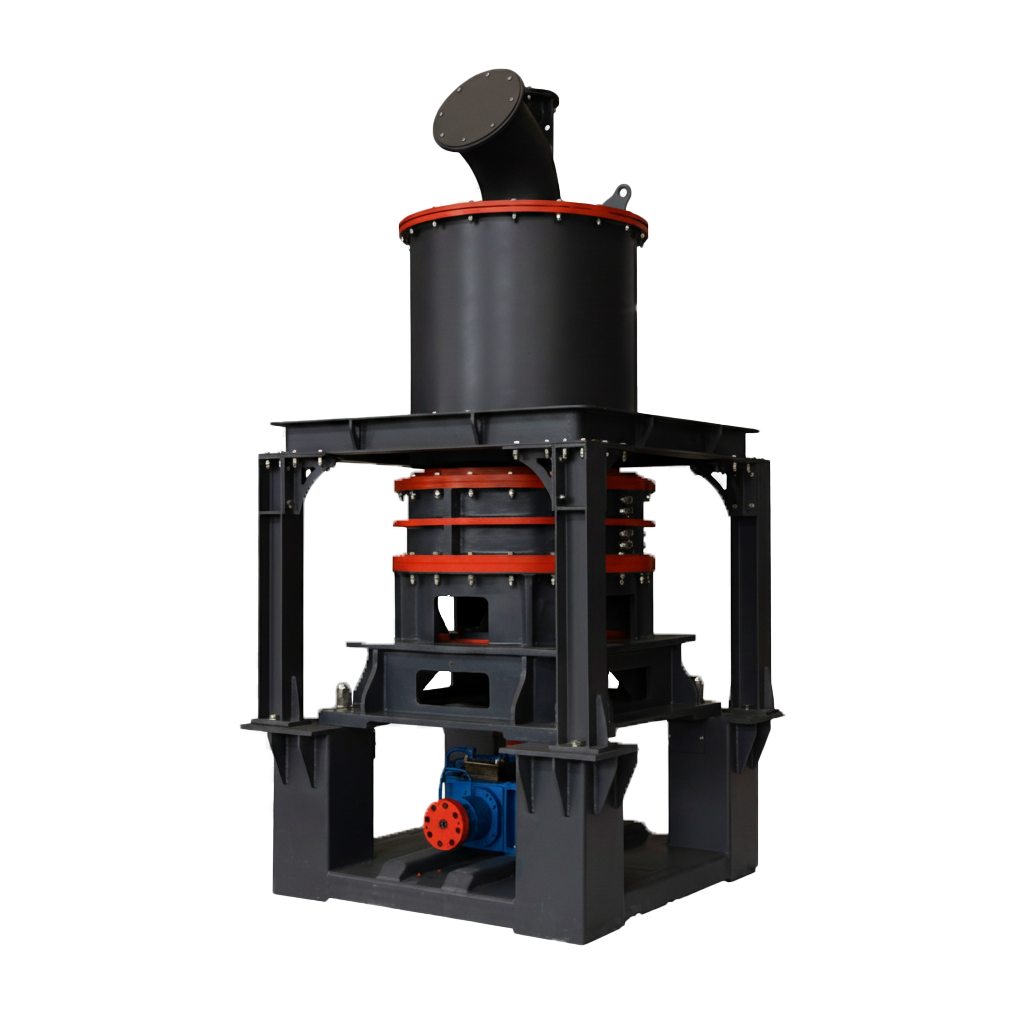
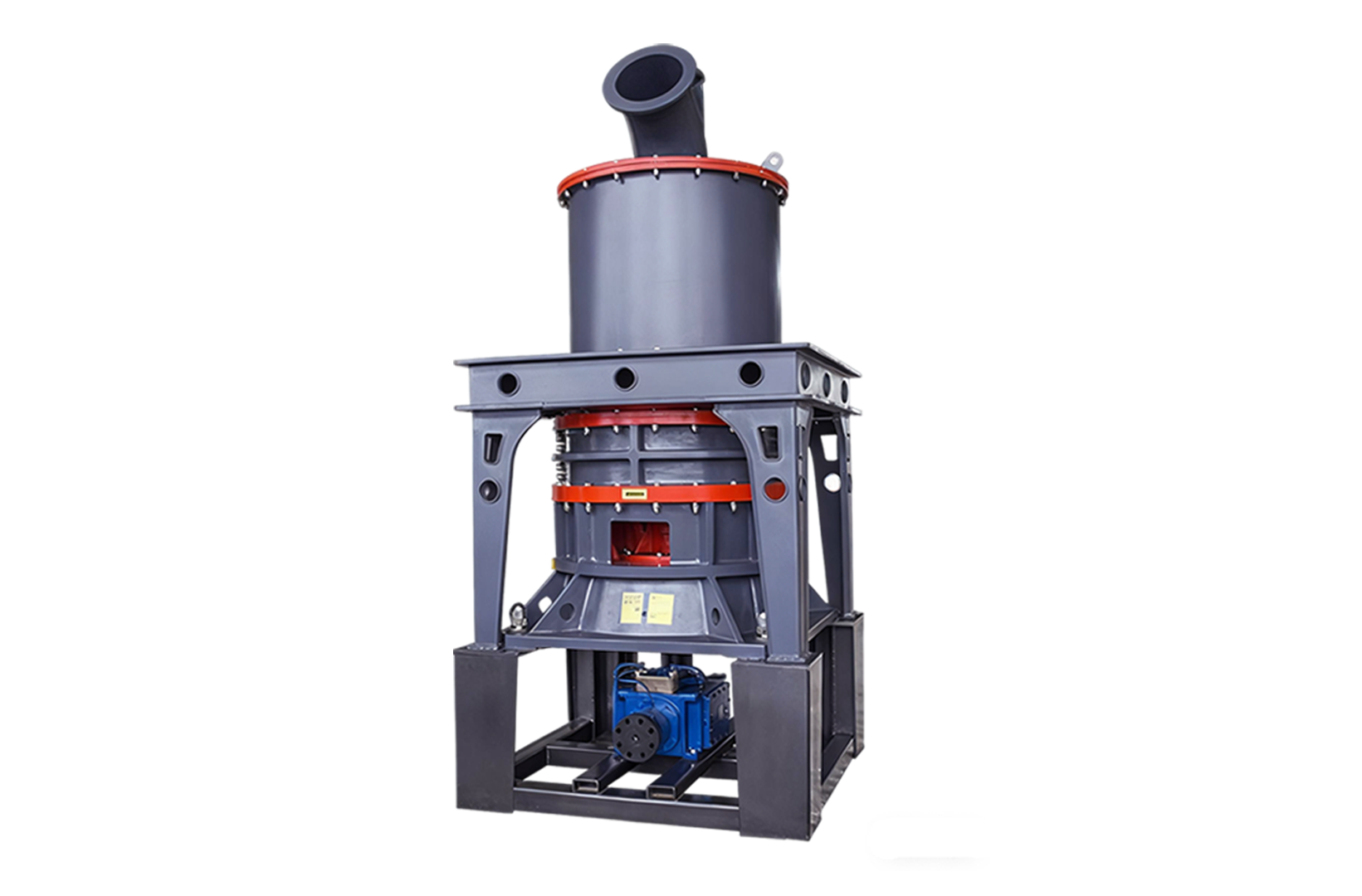
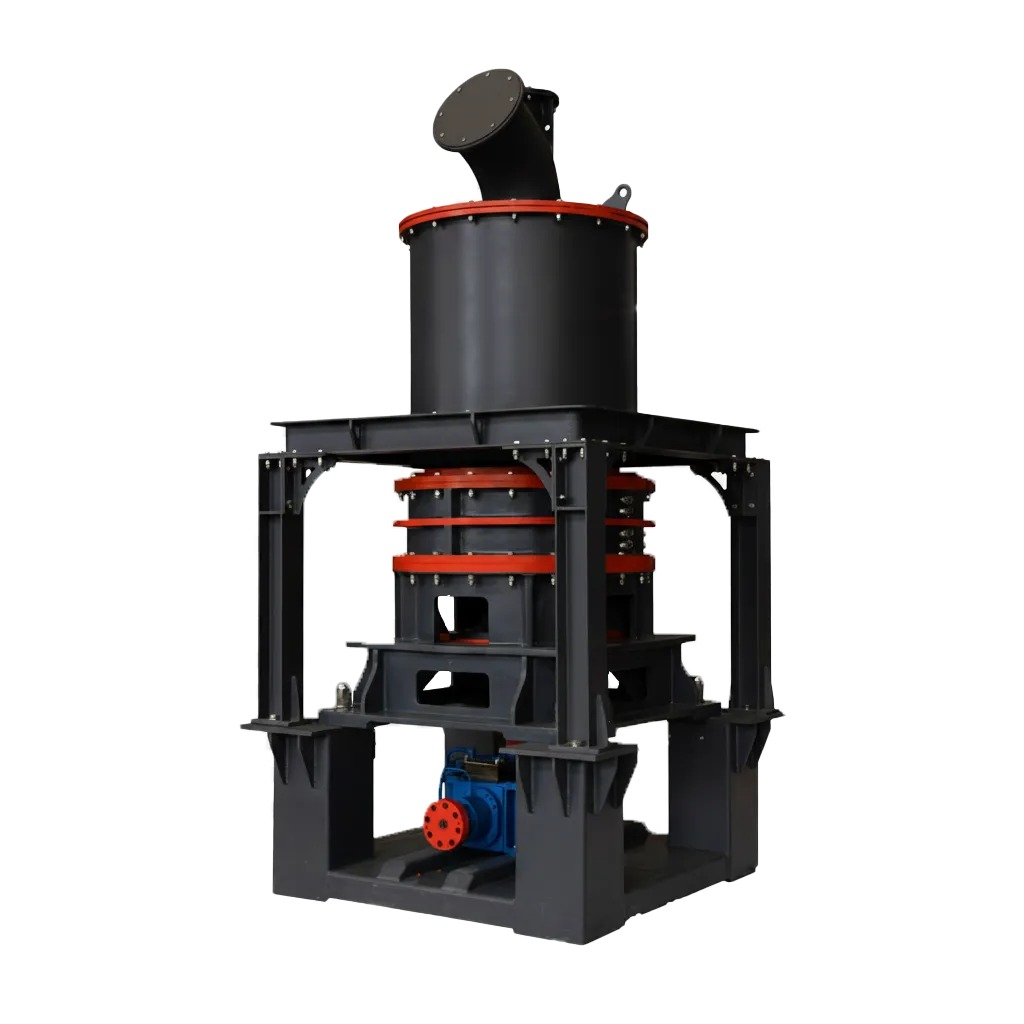
HGM uses multilayer roller-and-ring grinding with air classification for fine barite powder. Its separate grinding and classification stages make it a candidate when a Raymond-mill cut is too coarse and the product needs controlled return of oversize material. The amount of material recirculating at the target cut will determine the usable barite output.
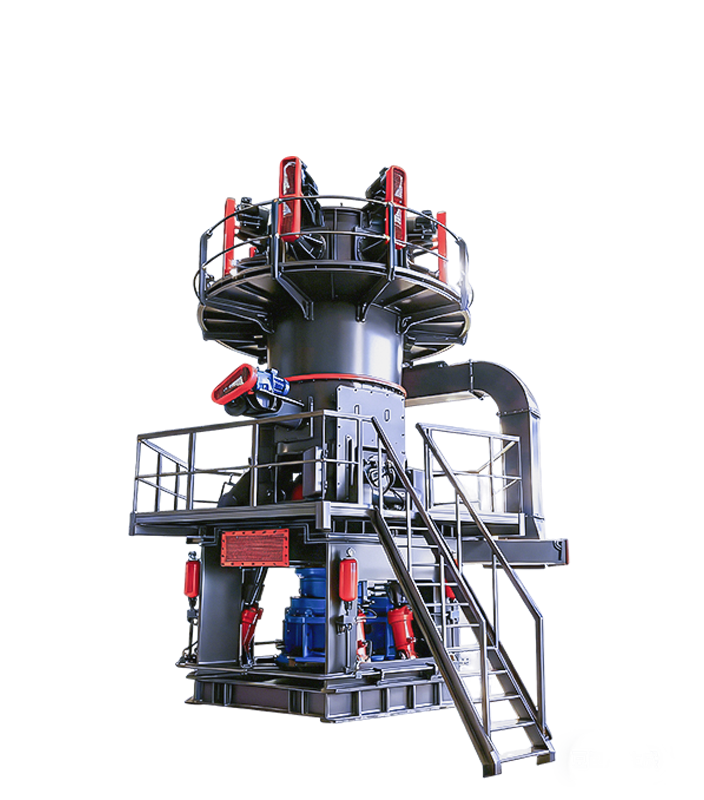
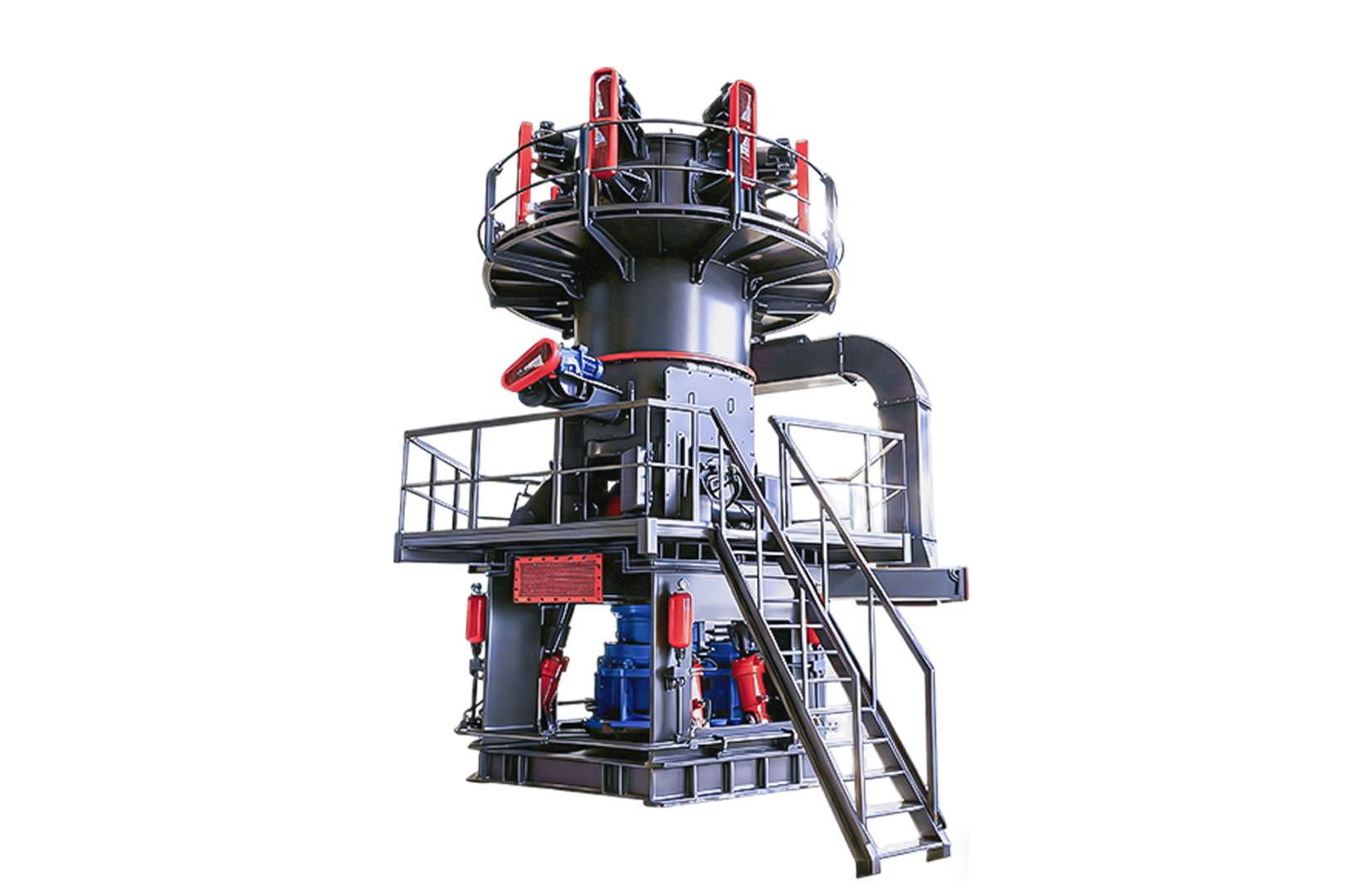
CLUM combines vertical-bed grinding and multi-rotor classification for an ultrafine dry-powder route. It merits comparison where a continuous line needs both grinding and control of the very fine fraction. Its tighter feed and moisture limits can add crushing or drying duty upstream; the calcite-based output figure cannot be transferred to barite without a trial at the requested distribution.
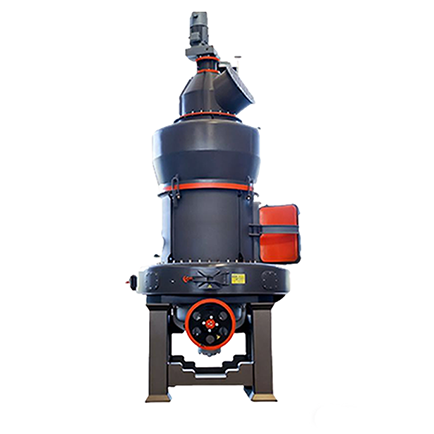
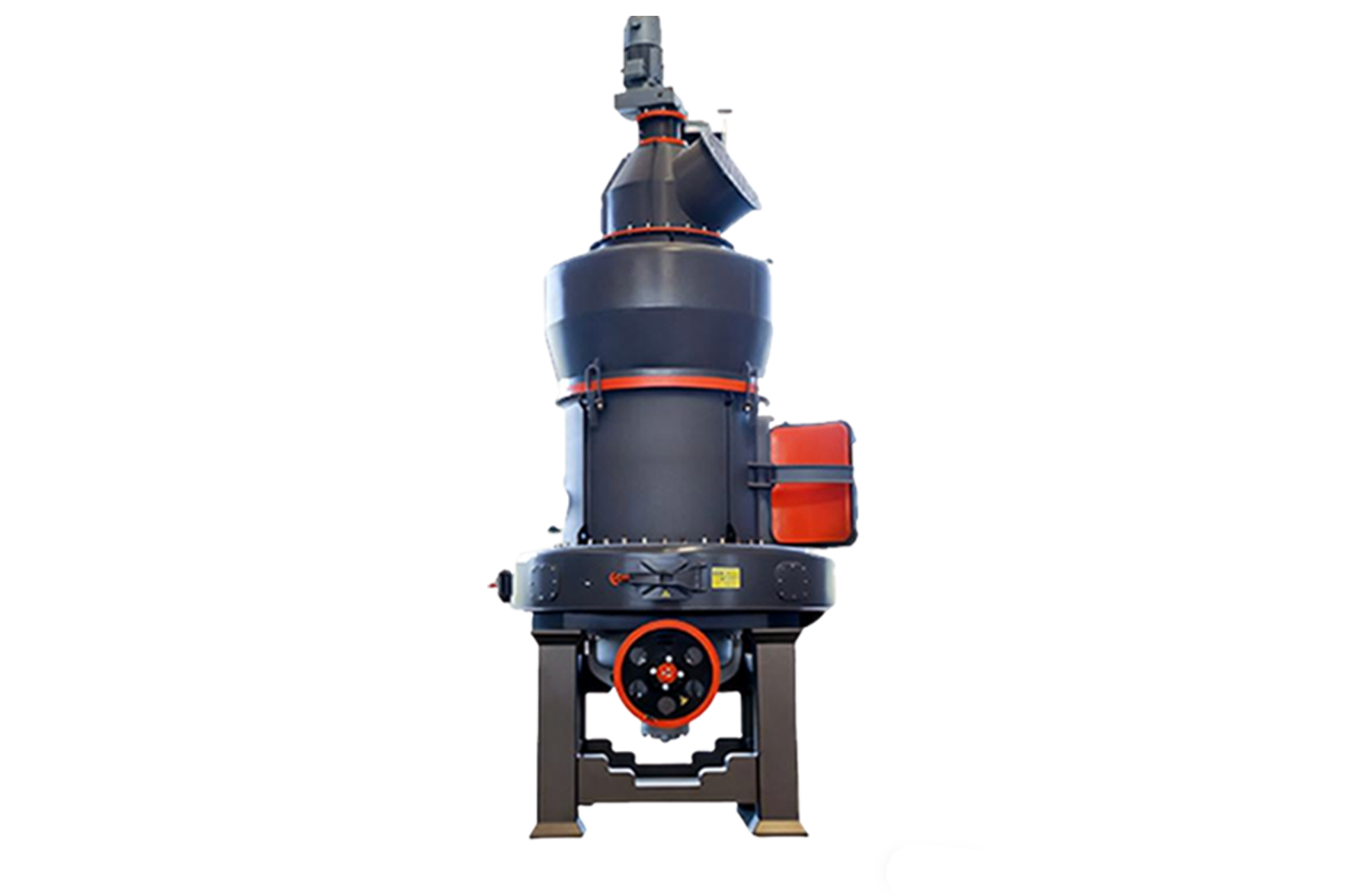
CLRM is a Raymond roller route for fine powder within its classifier range. Start here when the required distribution does not call for the finer cuts of the ultrafine systems. The catalog does not identify the capacity-test material, so barite throughput at the intended cut must be measured before sizing the line.
Screen CLRM first if its classifier range covers the full product specification. If the target cut requires an ultrafine system, compare HGM and CLUM at the same measured distribution and fresh-feed rate. HGM’s multilayer ring-and-roller path and CLUM’s vertical grinding bed with multiple classifiers create different internal loads: compare qualified powder per hour, coarse return and measured power, then account for the feed preparation each configuration requires. A route that achieves the cut only by sharply lowering fresh feed may need a larger mill or parallel capacity to meet the production target.
Coarse-residue and excessive-fines limits pull classifier settings in different directions. A tighter coarse cut can increase return to the mill; limiting ultrafines can prevent simply grinding longer to remove oversize. If density, purity or whiteness falls short because of gangue in the incoming ore, changing classifier speed cannot correct the chemistry; the ore-preparation route must be addressed before sizing the grinding circuit.
Test representative ore against the buyer’s acceptance method at more than one feed and classifier setting. Record qualified-product rate, coarse return, particle-size distribution and loaded power for each operating point. This shows the tradeoff between a tighter cut and saleable output, rather than treating a catalog maximum as the design rate.
At the same accepted particle size, a lower qualified-product yield means more fresh feed or more grinding capacity is needed to meet the saleable tons-per-hour target. A high coarse-return load increases the material handled inside the circuit and can change classifier, conveying-air, fan and collector sizing. Loaded power at the accepted operating point sets the electrical-load basis and helps compare the two ultrafine routes on power per saleable ton. Use the selected operating point, sample location and test method to define quoted equipment scope and any contractual throughput.
+86-13917147829