 Clirik





Search
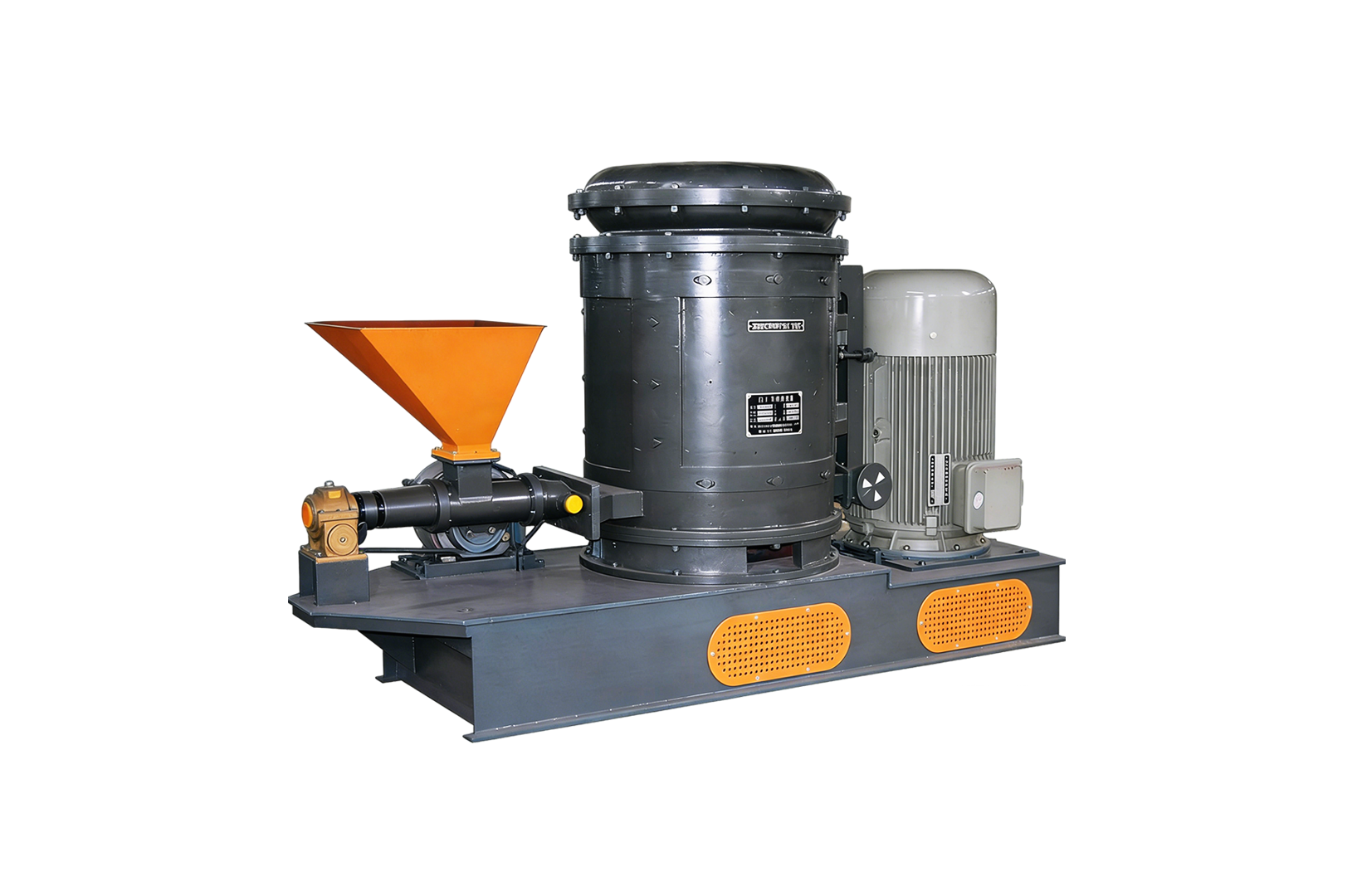
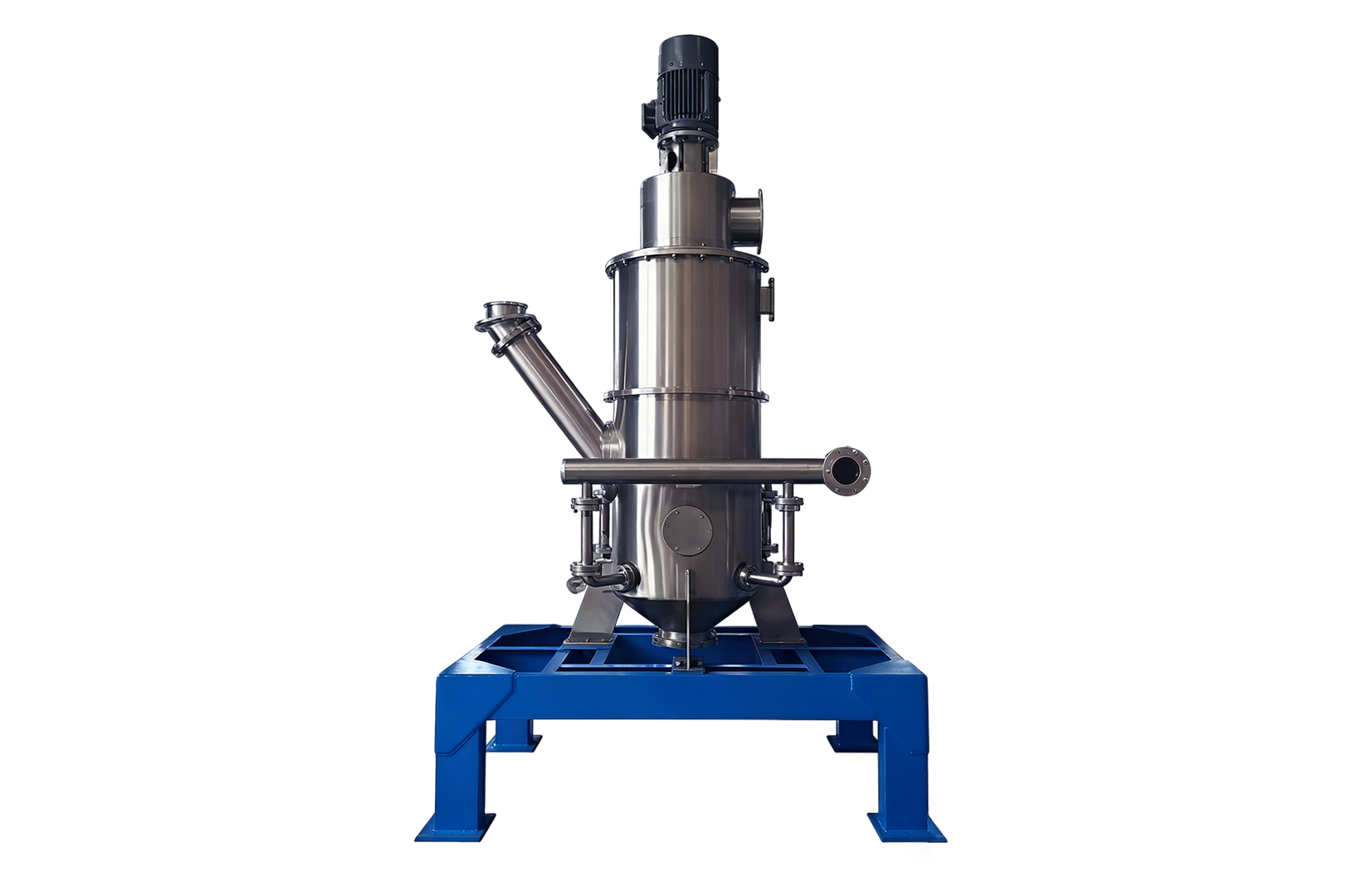
Air classification mill (ACM) realizes continuous crushing and separation of materials by skillfully combining mechanical impact crushing and dynamic airflow classification in a single machine cavity. Generally speaking, its core working principle is: the high-speed rotating rotor disc accelerates the material to the stator lining plate and crumbles it through strong impact; At the same time, the built-in variable speed grading wheel uses the mutual game between centrifugal force and aerodynamic resistance to extract qualified fine powder and return coarse particles with oversized size to the crushing zone to continue “recycling”.
If you are currently experiencing a problem with particle size distribution (PSD) deviation, the culprit is likely to be some undetected static pressure drop. In fact, with the help of the “2026 real-time closed-loop control technology” mentioned below, even without replacing your existing hardware, the accuracy tolerance of D97 grading points can be greatly tightened by 12%.
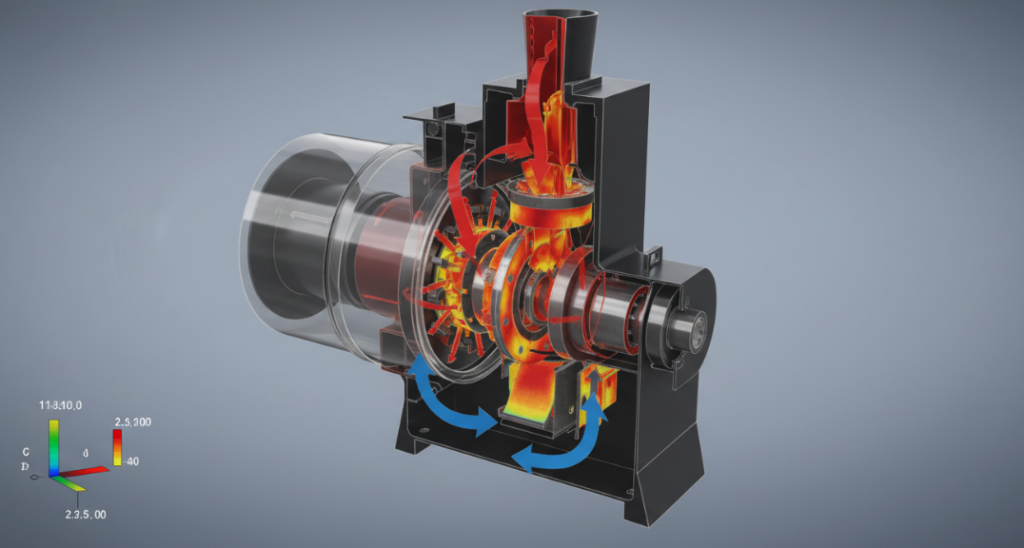
To thoroughly understand the principle of air classification mill, we have to divide the internal environment of the equipment into two completely independent thermodynamic and mechanical areas. In the opinion of equipment evaluation experts, the efficiency of machine operation often depends directly on the “transition stage” between the lower crushing zone and the upper classification zone “.
The impact velocity is the key to determine the initial crushing rate of the material. When the raw material is fed into the mill mechanically or pneumatically and falls on a high-speed rotating grinding disc, the rotor pin or hammer with a linear speed of up to 90 to 120 m/s will instantly impart extremely high kinetic energy to the particles. The material then violently hits the corrugated fixed liner and shatters instantly under the dual action of impact and friction. Then, the main air drawn from below the rotor will immediately roll up these crushed particles and blow them straight to the classification wheel. Not only that, the huge air flow can also absorb the huge heat generated by the mechanical impact, thereby effectively preventing the heat-sensitive materials from being heated and deteriorated.
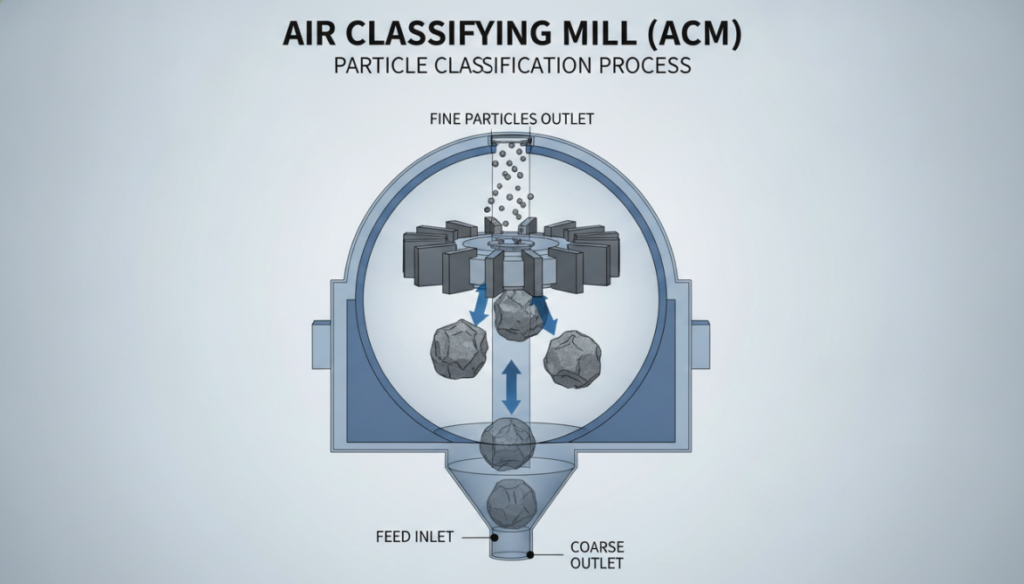
Whether the particles can be finally extracted depends on the “mass-to-drag ratio” at the edge of the grading wheel “. When the airflow mixed with particles approaches the rotating grading wheel, the particles will be subjected to two opposite forces at the same time: the airflow resistance generated by the induced draft fan of the system desperately pulls the particles toward the center of the wheel, and the centrifugal force generated by the rotation of the grading wheel tries to push them outward. Fine powder because of light weight, aerodynamic resistance can easily overcome the centrifugal force, so they can smoothly through the classification blade, into the cyclone discharge system. On the contrary, the coarse particles have the absolute upper hand because of their large mass and centrifugal force. They will be mercilessly bounced away by the retaining ring and fall back into the running track of the rotor to face grinding again.
If you want to accurately control the maximum particle size (D97) of the product, it is not enough to rely on the adjustment machine setting. This is essentially a mathematical function involving 3 variables. To this end, the industry has summarized the ACD(Attrition wear, Centrifugal centrifugal, Drag drag) mechanical triangle model, which is used to quantify the operating limit of any ACM equipment.
In actual operation, the routine for process engineers to find the best grading point is: first lock the total air volume (D) to stabilize the flow rate of pneumatic conveying; Then according to the rotor speed (A), fine-tune the grading wheel speed (C), and finally draw the perfect PSD target curve.
Table: Calcium Carbonate (CaCO3CaCO3) Particle Size (D50 & D97) Test Data at Various RPM/CFM Combinations
Material: Ground Calcium Carbonate (GCC) | Mill Type: Air Classifying Mill (ACM)
| Test ID | Classifier Speed (RPM) | Airflow Volume (CFM) | D50 (μm) | D97 (μm) | Particle Size Trend |
| Test 1 | 2,000 | 150 | 12.5 | 35.0 | Coarse |
| Test 2 | 3,000 | 150 | 8.2 | 22.5 | Medium |
| Test 3 | 4,000 | 150 | 5.8 | 15.0 | Fine |
| Test 4 | 5,000 | 150 | 4.1 | 10.5 | Ultra-Fine |
| Test 5 | 2,000 | 200 | 15.0 | 42.0 | Coarse |
| Test 6 | 3,000 | 200 | 10.5 | 28.0 | Medium |
| Test 7 | 4,000 | 200 | 7.5 | 19.5 | Fine |
| Test 8 | 5,000 | 200 | 5.2 | 13.5 | Ultra-Fine |
In today’s high-yield powder manufacturing field, the traditional static process control has long been eliminated. By 2026, the “basic operation” in the eyes of the factory’s technical directors has become: the online laser diffraction sensor is directly connected in series to the pneumatic conveying pipeline downstream of the mill. These sensors send PSD data to the PLC of the mill in real time at a sub-second frequency. Once the sensor detects even a slight shift in the D97 threshold, the PLC immediately regulates the inverter of the grading wheel. This closed-loop control completely eliminated the half-hour delay caused by previous laboratory sampling tests, not only saving tons of scrap, but also abruptly reducing unit energy consumption by as much as 8.5 percent.
Some coarse particles appear inexplicably in the finished product? Don’t be in a hurry to suspect that the machine is broken, which is often the result of fluid dynamics. Many old operators will misjudge, thinking that the blades of the grading wheel are worn out. But the real behind the scenes is mostly the “Coanda effect” that occurs on the diversion ring (Shroud Ring) just below the grading wheel “. For a 1 long time, those sticky materials will agglomerate on the stationary guide ring, which will change the aerodynamic profile of the airflow entering the grading wheel. When the air duct is disorderly, the local wind speed will soar, directly forcing the large “ghost particles” that have not yet been graded into the final product stream from the gap. Want to get rid of the trouble of boundary layer turbulence? Check the gap of the guide ring regularly, or simply replace the ring with a polished or even Teflon coating.
It is mainly the specific heat load and the pneumatic conveying capacity of the induced draft fan of the system. Once the feeding is too strong, the crushing chamber will be “submerged” by the material, causing the internal wind speed to drop sharply, falling below the critical value required for material suspension. Then you will see the motor current surge, the mill will directly suffocate the shutdown.
The heat generated by mechanical friction will increase the temperature in the machine cavity, resulting in a decrease in air density. As soon as the air becomes thinner, the aerodynamic resistance (that is, the “drawing force”) decreases. In order to compensate for the deviation caused by this thermal effect and to stabilize the grading point, the operator must reduce the speed of the grading wheel proportionally.
This has to be found from the raw material. Even a slight change in the initial hardness or moisture content will directly change the crushing rate of the impact zone. If the incoming material hardens, the fine powder produced by the rotor will naturally become less. The grading wheel “has no fine powder to pump”, and the whole PSD curve will inevitably shift to the thick end.
Conventional carbon steel or 304 stainless steel pins and liners are quickly scrapped under strong abrasive impacts. If you handle materials with a Mohs hardness of more than 4, you must arm the rotor and the fixed liner with tungsten carbide or alumina ceramic inserts, otherwise the machine will not only wear extremely fast, but also mix metal impurities into the finished product and cause pollution.
A well-adjusted ACM in excellent condition typically maintains a pressure drop between 15 and 25 inches of water before and after the mill body. Once you see that the pressure drop has soared past 30 inches, the alarm should be sounded-this either means that the filter bag of the downstream dust collector has been completely pasted and blocked, or there is serious material blockage in the crushing chamber.ding in the downstream dust collector or a severe material choke within the grinding chamber.