 Clirik



Search
From USD 25,000 / set
Request a QuoteThis selection covers ring-roller, vertical-roller, and disc-jet systems for dry ultrafine powder production, with comparable feed, fineness, capacity, material, utility, and budget ranges for equipment shortlisting. Closed-circuit grinding and classification guidance shows how feed behavior, recirculation, and acceptance metrics shape a stable powder specification. Project inputs connect material testing to configuration, quotation, installation, and training.
Start with the acceptance specification, then eliminate machines that cannot accept the feed or supply the required capacity. Budget figures below are planning ranges; the configured quotation depends on material tests, wear protection, classifier duty, collector size, controls and delivery scope.
| Mill | Best fit | Feed | Output | Capacity | Planning price |
|---|---|---|---|---|---|
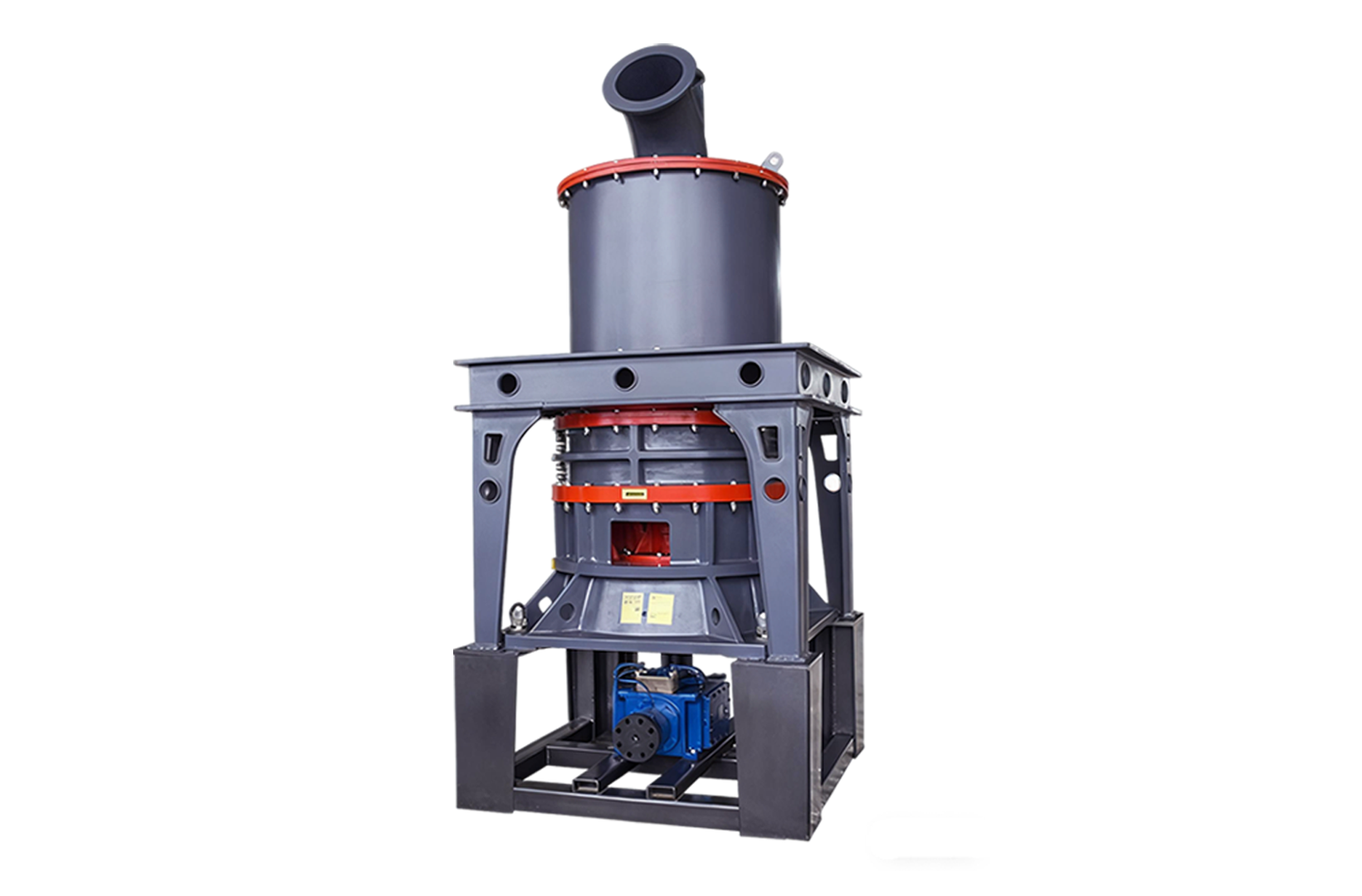
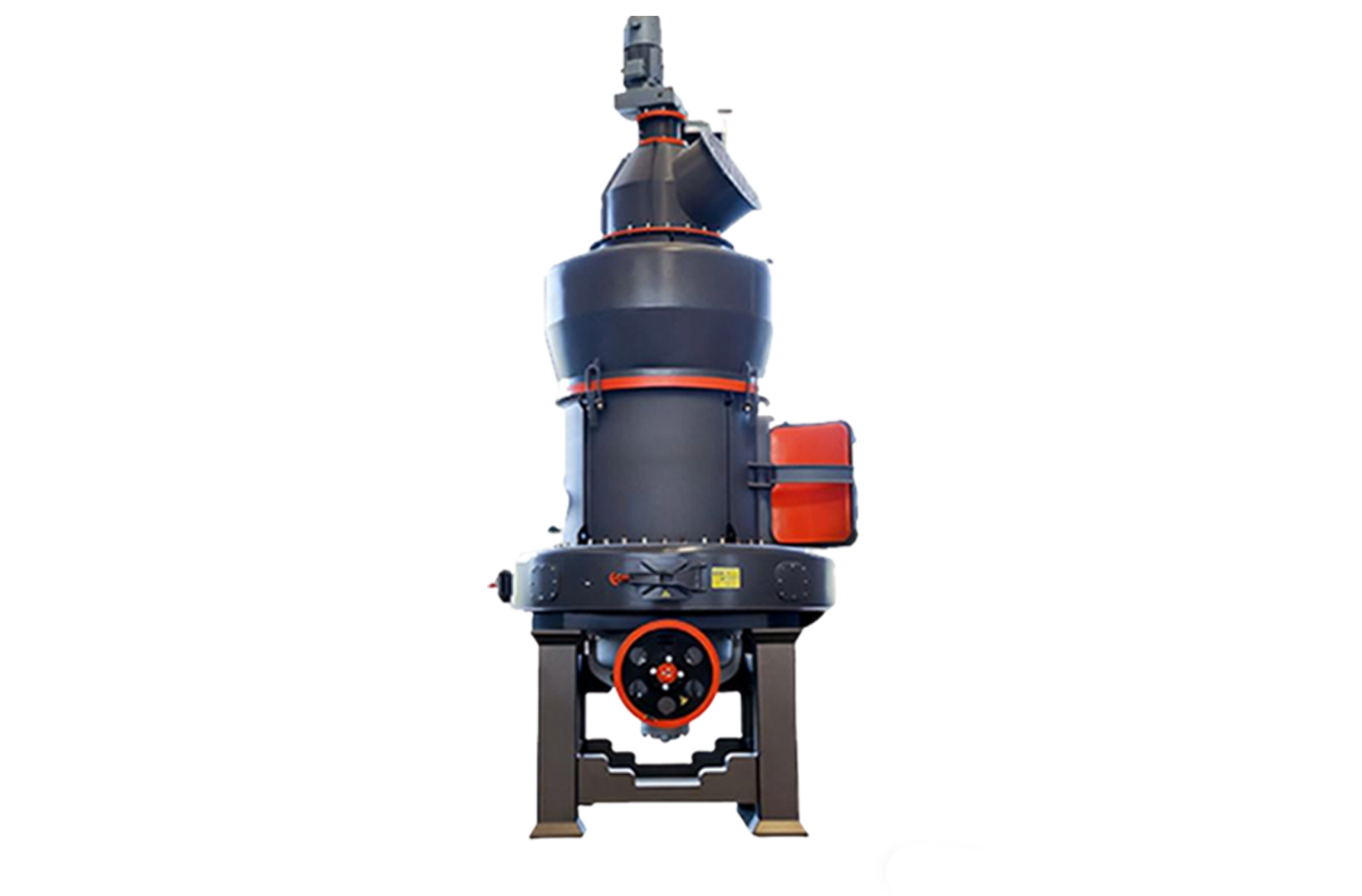
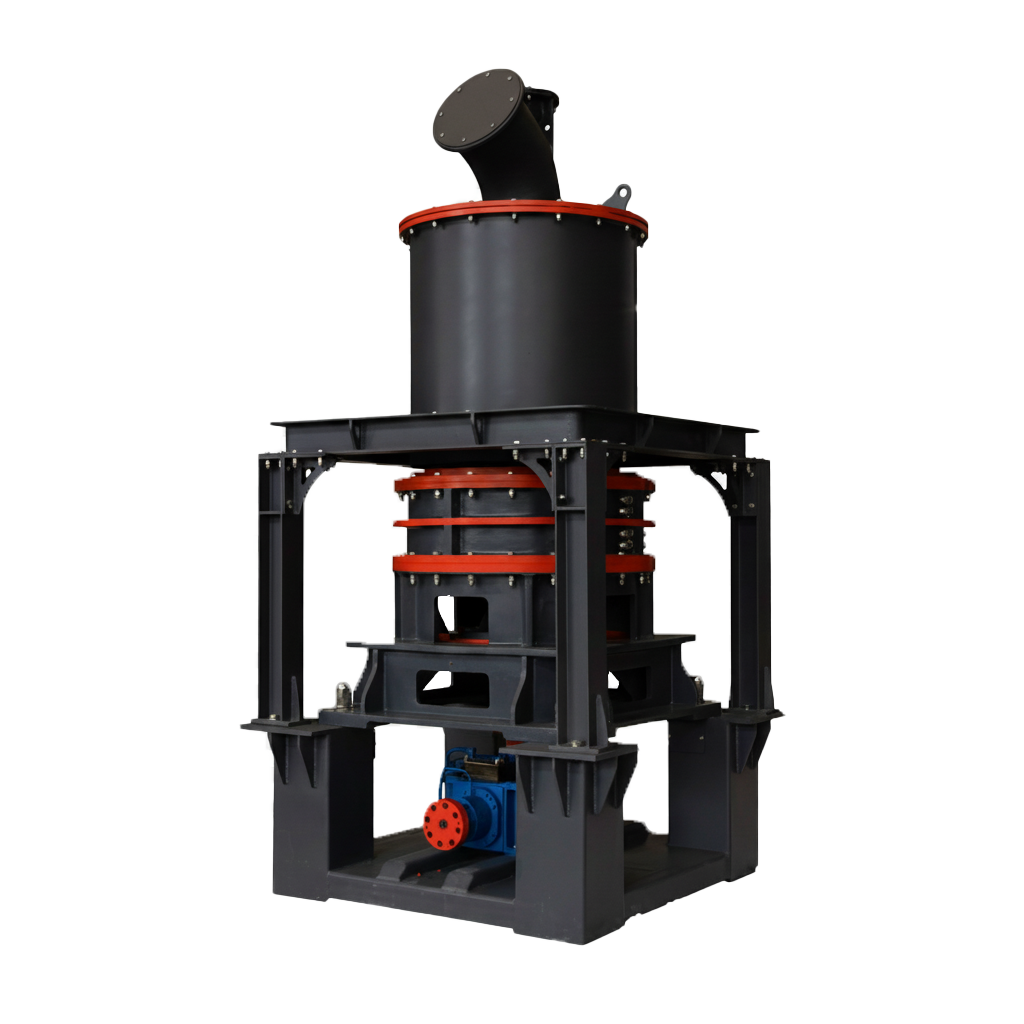
| HGM ring roller | Broad dry mineral grinding | ≤20 mm (≤0.79 in) | 5–100 μm | 0.5–45 t/h | From USD 35,000 / set |
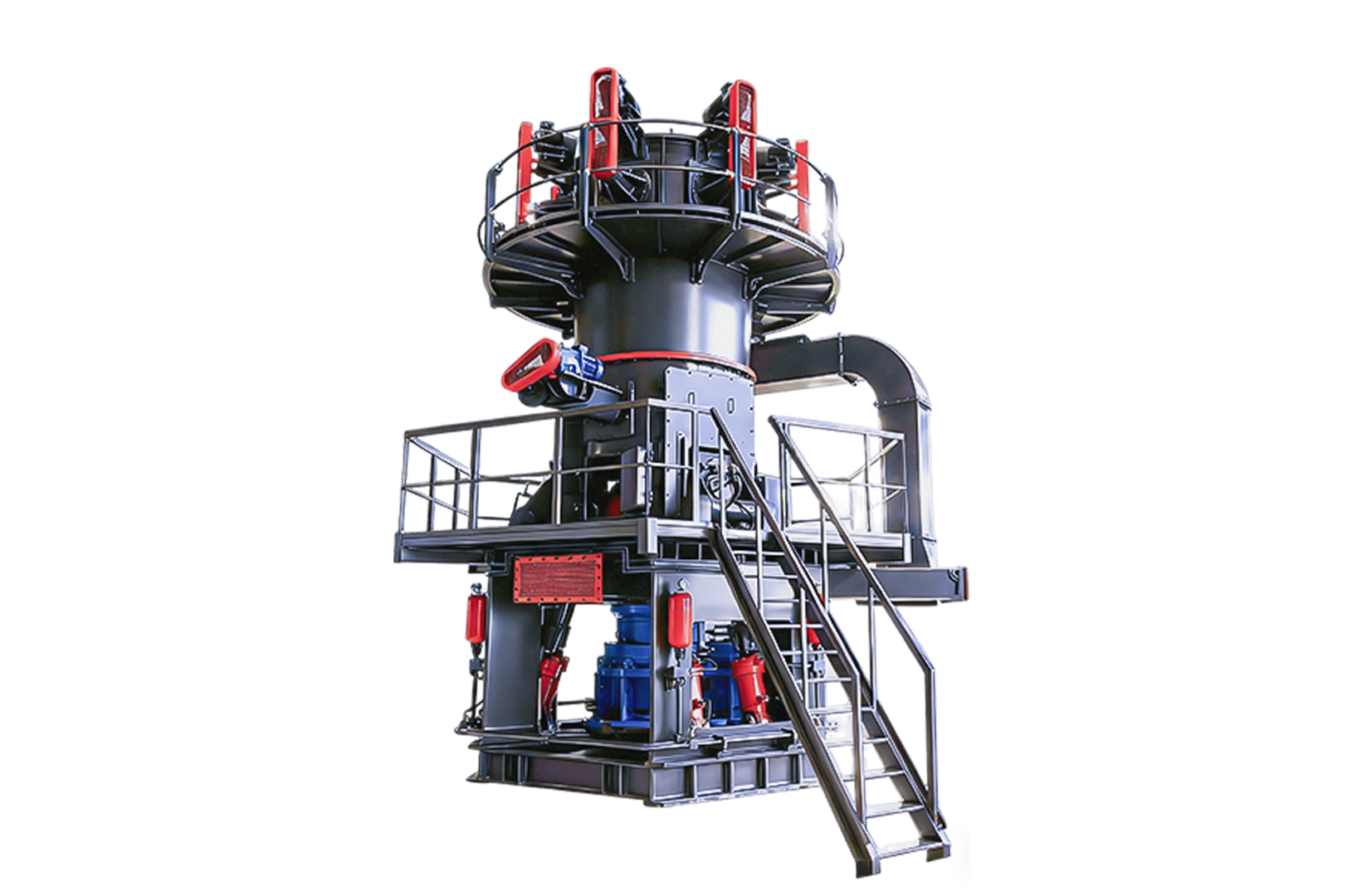
| CLUM vertical roller | Continuous white mineral filler production | <10 mm (<0.39 in) | 400–3000 mesh | 0.2–45 t/h | From USD 120,000 / set |
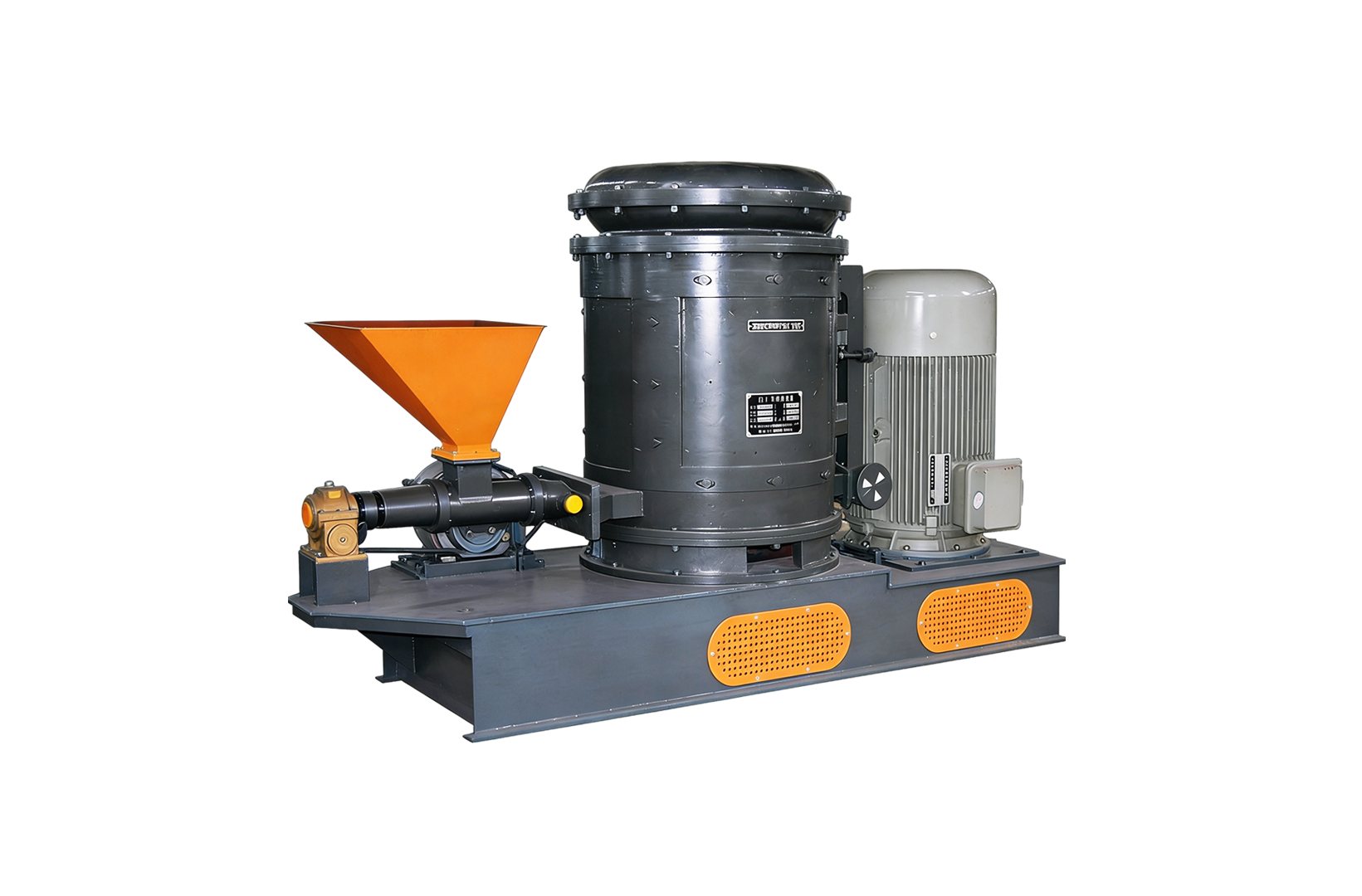
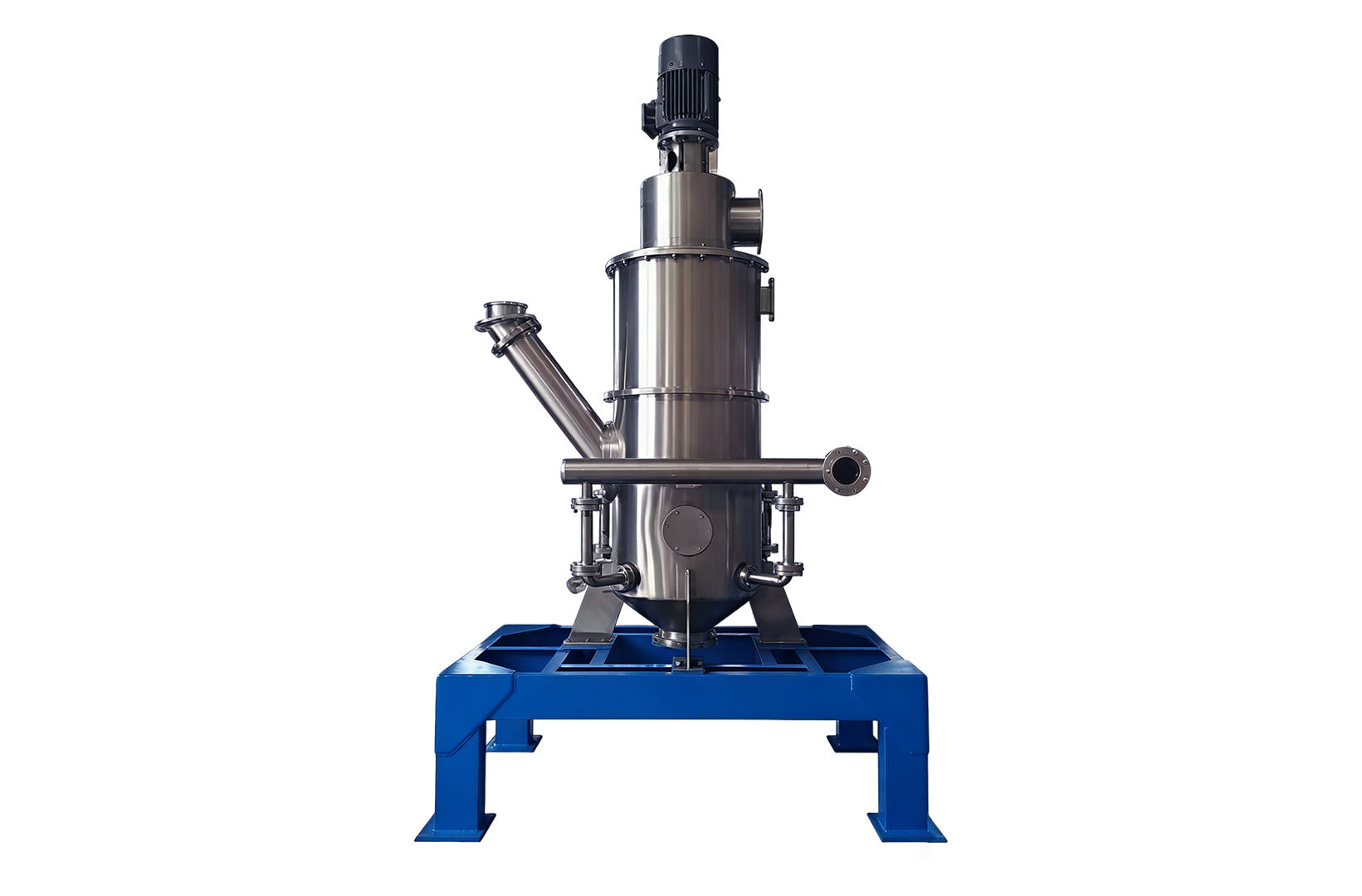
| CLJM-Y disc jet | Very fine, heat-sensitive or contamination-sensitive powders | ≤0.25 mm (≤0.0098 in) | 0.5–75 μm | 0.5–800 kg/h | From USD 25,000 / set |
This selection covers ring-roller, vertical-roller, and disc-jet systems for dry ultrafine powder production.
State the required particle-size distribution with a test method, such as d97, d50 or a mesh screen limit. Include the permitted oversize fraction, bulk-density or whiteness requirement, contamination limit and hourly output. A single “mesh” number rarely describes the whole acceptance standard.
Moisture, hardness, abrasiveness, temperature sensitivity and initial feed size determine pretreatment and mill choice. Closed-circuit classification returns coarse particles for another pass while accepted fine powder moves to the collector. Stable feeding, airflow and differential pressure keep this recirculation load under control.
A trial should use feed that represents normal production. Record feed condition, classifier settings, achieved distribution, observed throughput, energy demand and product temperature. Use the result to define the contracted configuration and acceptance test.
Provide the material name, mineral composition, feed size distribution, moisture, hardness, abrasiveness, temperature sensitivity and a representative sample.
Define the target d97, d50 or mesh distribution, allowable oversize, hourly output, operating hours and quality limits such as whiteness or metal contamination.
State voltage and frequency, compressed-air availability, elevation, ambient conditions, installation space, upstream and downstream equipment, destination port and required commissioning or training.
Shanghai clirik Machinery Co., Ltd. uses these inputs with material testing to prepare the process flow, equipment list, utilities, layout and commercial quotation.
An ultrafine grinding mill reduces dry feed into fine or ultrafine powder and controls the finished particle-size distribution through an integrated or external classification step. The selected machine depends on feed size and behavior, target fineness, throughput, utilities, contamination limits and the required acceptance test.
Model: HGM
From USD 35,000 / set
Request a Quote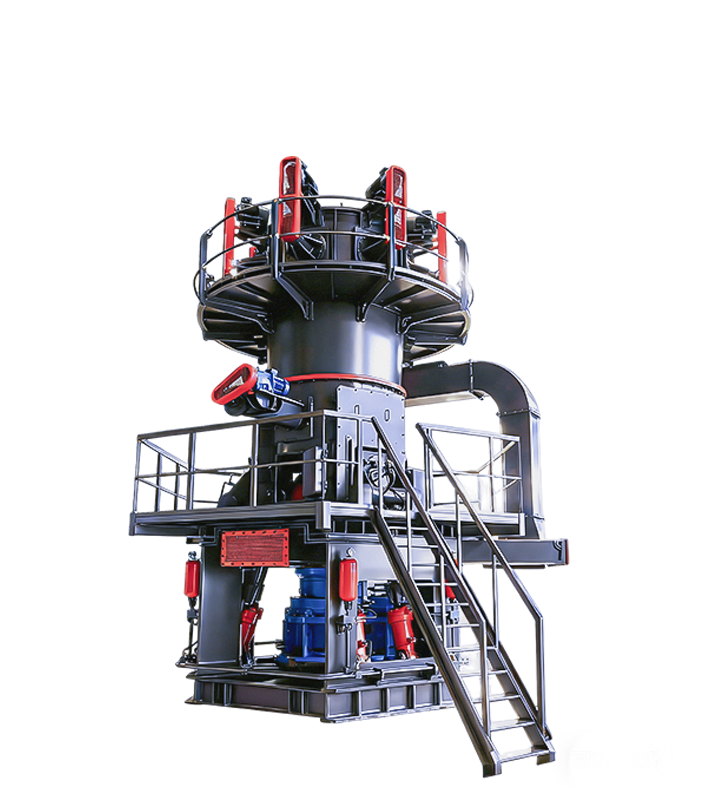
Model: CLUM
From USD 120,000 / set
Request a Quote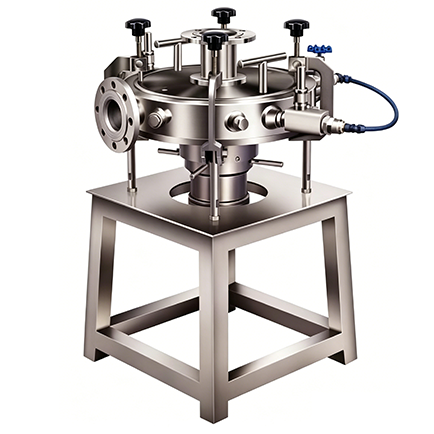
Model: CLJM-Y
From USD 25,000 / set
Request a QuoteMaterial test and grinding trial: 10 kg (22 lb) representative sample minimum; USD 800–2,500 per trial; 5–10 business days; the test fee is credited against a machine order.
Configured mill package: MOQ 1 set; budgetary technical proposal in 3–5 business days after complete material and capacity data are received.
Complete powder line: MOQ 1 line; process flow, equipment list, utilities and layout are issued after material testing and technical review.
Made-to-order manufacturing: typically 35–60 calendar days after the technical sheet and commercial order are approved.
Export delivery: sea, rail or road shipment can be arranged from Shanghai; freight and insurance are quoted for the named destination and Incoterm.
Project documents: foundation conditions, utility list, operation guidance, inspection records and packing list are supplied for the contracted scope.
Send the material name, feed particle size, moisture, hardness or abrasiveness, target fineness or particle-size distribution, required hourly output, available utilities and site constraints. Shanghai clirik Machinery Co., Ltd. can use these inputs and a representative sample to select the mill, classifier, dust collection, conveying, controls and plant layout for a technical proposal.
HGM feed should normally be at or below 6% moisture, while CLUM feed should be below 3%. Add drying or other pretreatment when the incoming material exceeds the selected mill's limit.
Yes. The machine model, serial number and photos or dimensions of the existing part allow the manufacturer to identify the correct roller, ring, liner or related component.
Yes, subject to an engineering review of the existing crusher, feeder, classifier, fan, collector, ducting, controls, utilities and available footprint.
A trial can record the tested material condition, achieved particle-size distribution, observed throughput and operating settings. Final guarantees are set in the approved technical agreement.
The upload field accepts PDF, DOC, DOCX, XLS, XLSX, JPG and PNG files up to 10 MB each.
Describe your material and target powder. An engineer can review the required process, utilities and budget range.