 Clirik





Search
With the rapid evolution of the automotive industry and the emergence of new brands, an increasing number of cost-effective electric and petrol vehicles are entering the market, significantly driving demand for vehicle replacement. As consumers continuously purchase new models, an environmental challenge has arisen: how to handle the large volume of scrapped, aging vehicles. This is particularly relevant to tires—a major automotive consumable—and raises the question of how HGM carbon black grinding mills can be utilized to reprocess them, effectively turning waste into a valuable resource.
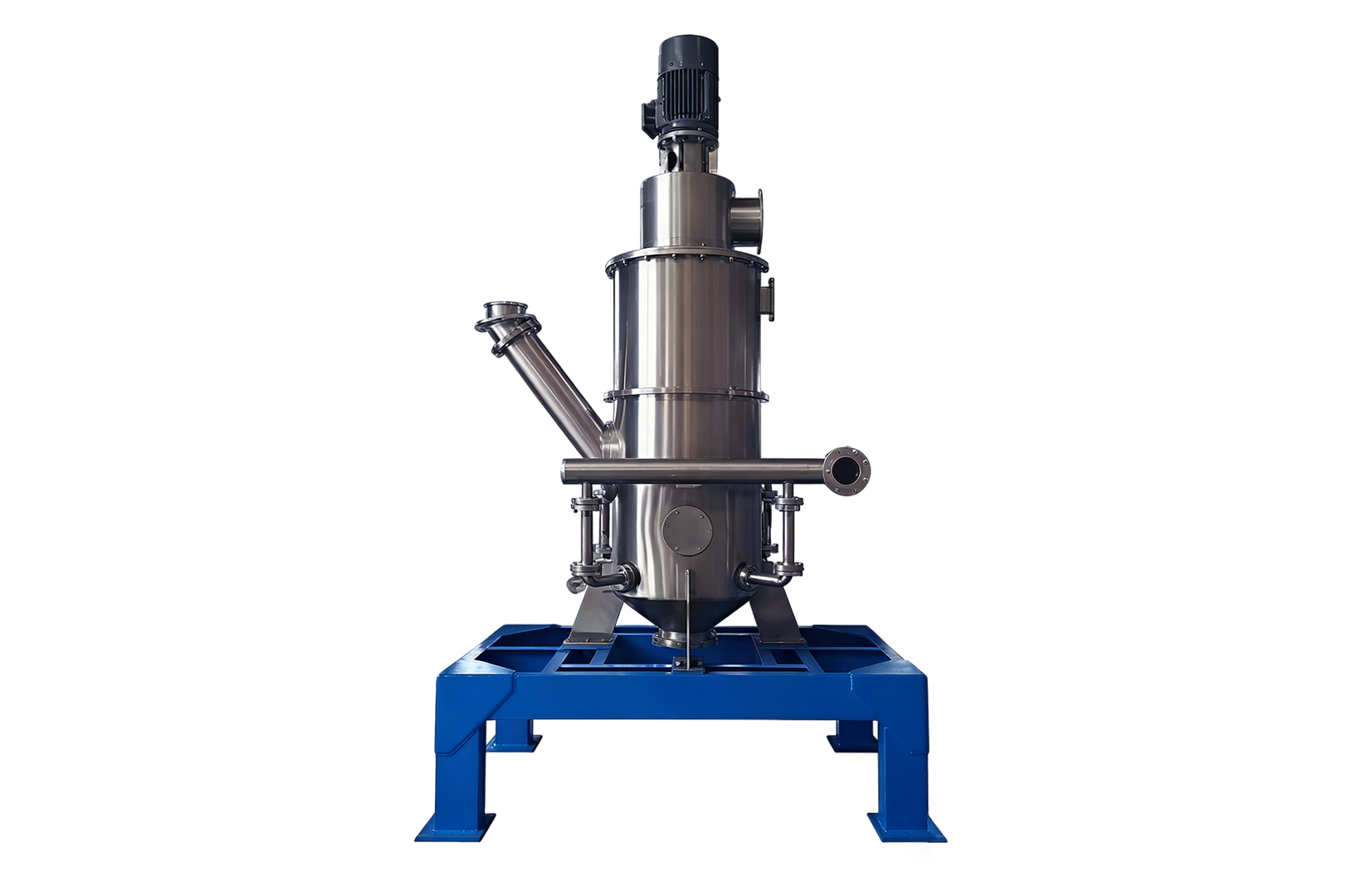
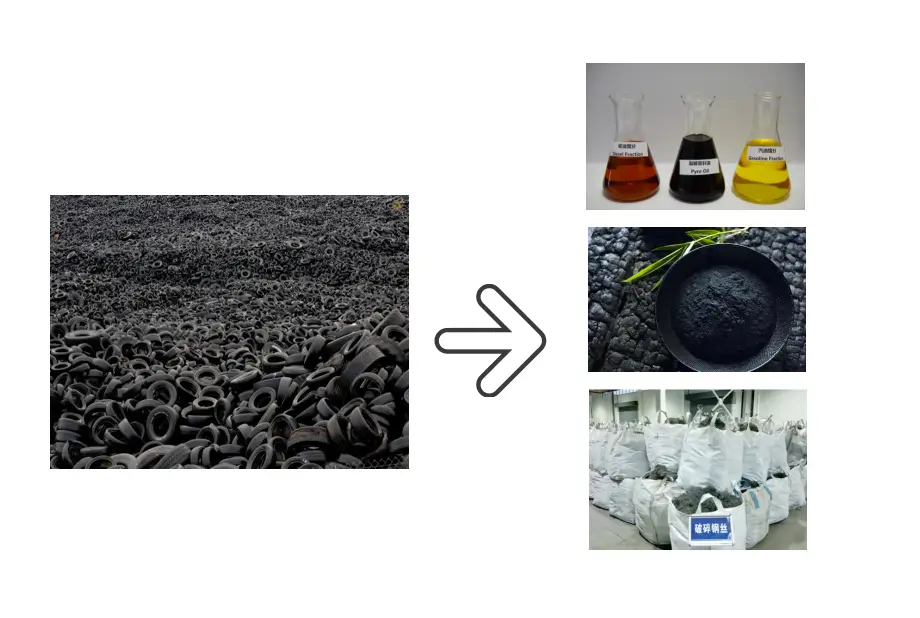
Through the pyrolysis process, waste tires are broken down into fuel oil, steel wire, and crude carbon char. However, to truly unlock the economic value of this carbon residue and turn it into Recovered Carbon Black (rCB), a crucial mechanical step is required: ultra-fine grinding.
In traditional rubber manufacturing, Virgin Carbon Black (vCB) grades classified under the ASTM D1765 standard range from ultra-fine, highly reinforcing grades like N220 & N330 (20-30nm, essential for high-wear tire treads) to semi-reinforcing grades like N550 & N660 (50-60nm, used in tire carcasses, inner tubes, and extruded profiles).
| vCB Grade | Particle Size | Surface Area | Production Method | Core Characteristics | Typical Applications |
|---|---|---|---|---|---|
| N220 | 20-25nm | 110-125m2/g | Oil Furnace Process | • High reinforcement • Excellent abrasion & tear resistance • Relatively High mixing viscosity | • High-performance tire treads • Heavy-duty off-road tires • High-strength conveyor belts |
| N330 | 26-30nm | 75-85m2/g | Oil Furnace Process | • Balanced reinforcement & process-ability • Highly versatile | • Passenger car tire treads • Off-the-road (OTR) tires • Premium rubber goods |
| N550 | 40-48nm | 38-46m2/g | Oil Furnace Process | • Moderate reinforcement • Balanced stiffness and process-ability | • Tire carcass (ply layer) & sidewalls • Extruded rubber seals • Industrial hoses |
| N660 | 49-60nm | 30-38m2/g | Oil Furnace Process | • Medium reinforcement • Low heat build-up • Good process-ability | • Tire inner liners & cable sheathing • Shock-absorbing pads • Footwear soles |
However, producing all virgin grades relies entirely on the energy-intensive thermal cracking of finite fossil fuels like petroleum heavy oil or coal tar. The extreme furnace temperatures, low reactor yields, rising raw oil prices, and heavy carbon emissions make vCB manufacturing increasingly expensive, creating strong commercial demand for cost-effective, eco-friendly alternatives.
Today, Recovered Carbon Black (rCB) aims to replace these traditional grades to reduce carbon emissions and lower raw material costs. However, crude tire pyrolysis char straight from the reactor is coarse (typically around 40mesh-80mesh) and contains high ash content. In this crude state,coarse pyrolysis char generally has limited reinforcing performance and is not suitable as a direct substitute for commercial reinforcing carbon black grades such as N330 or semi-reinforcing grades such as N660.
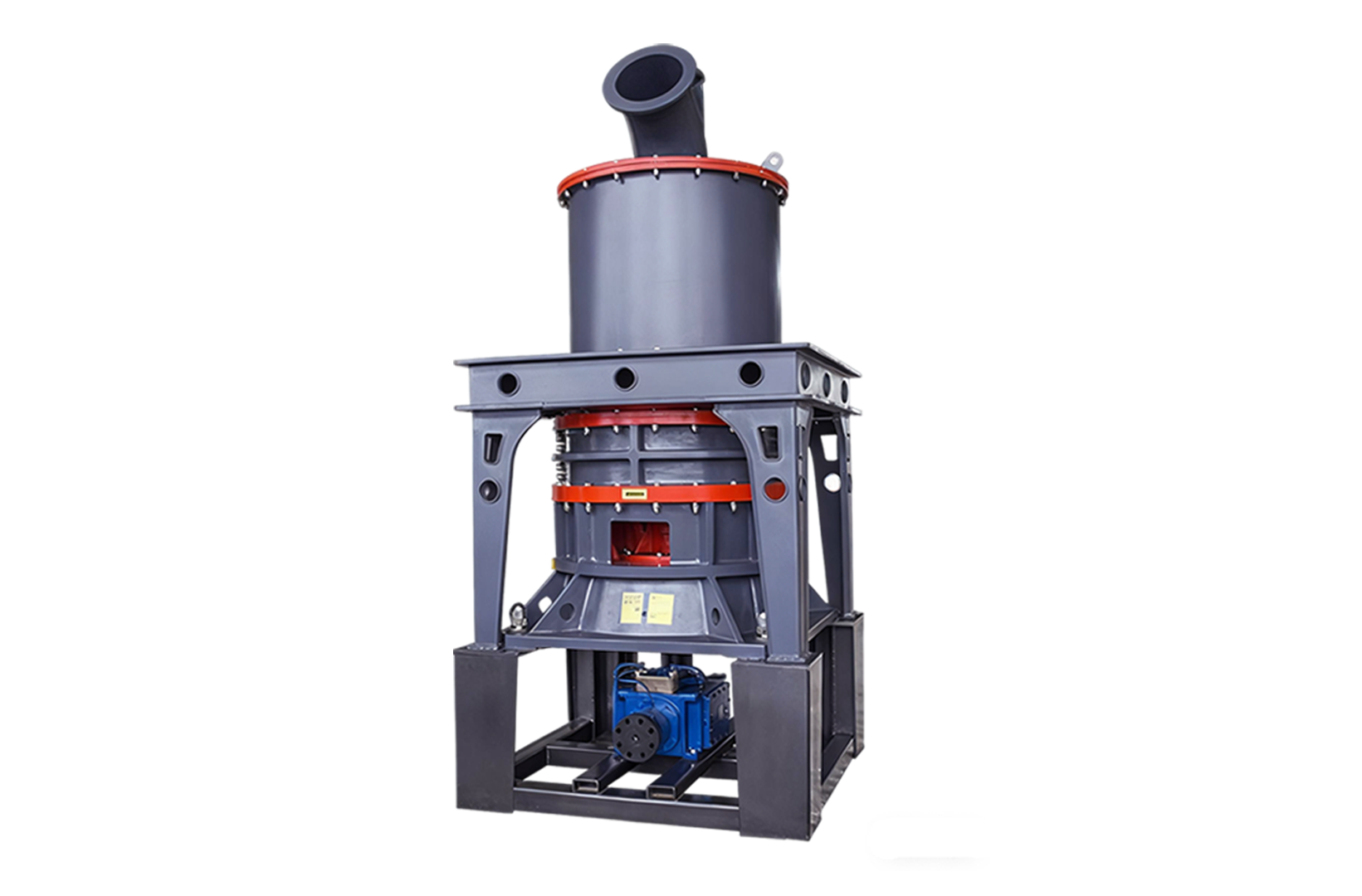
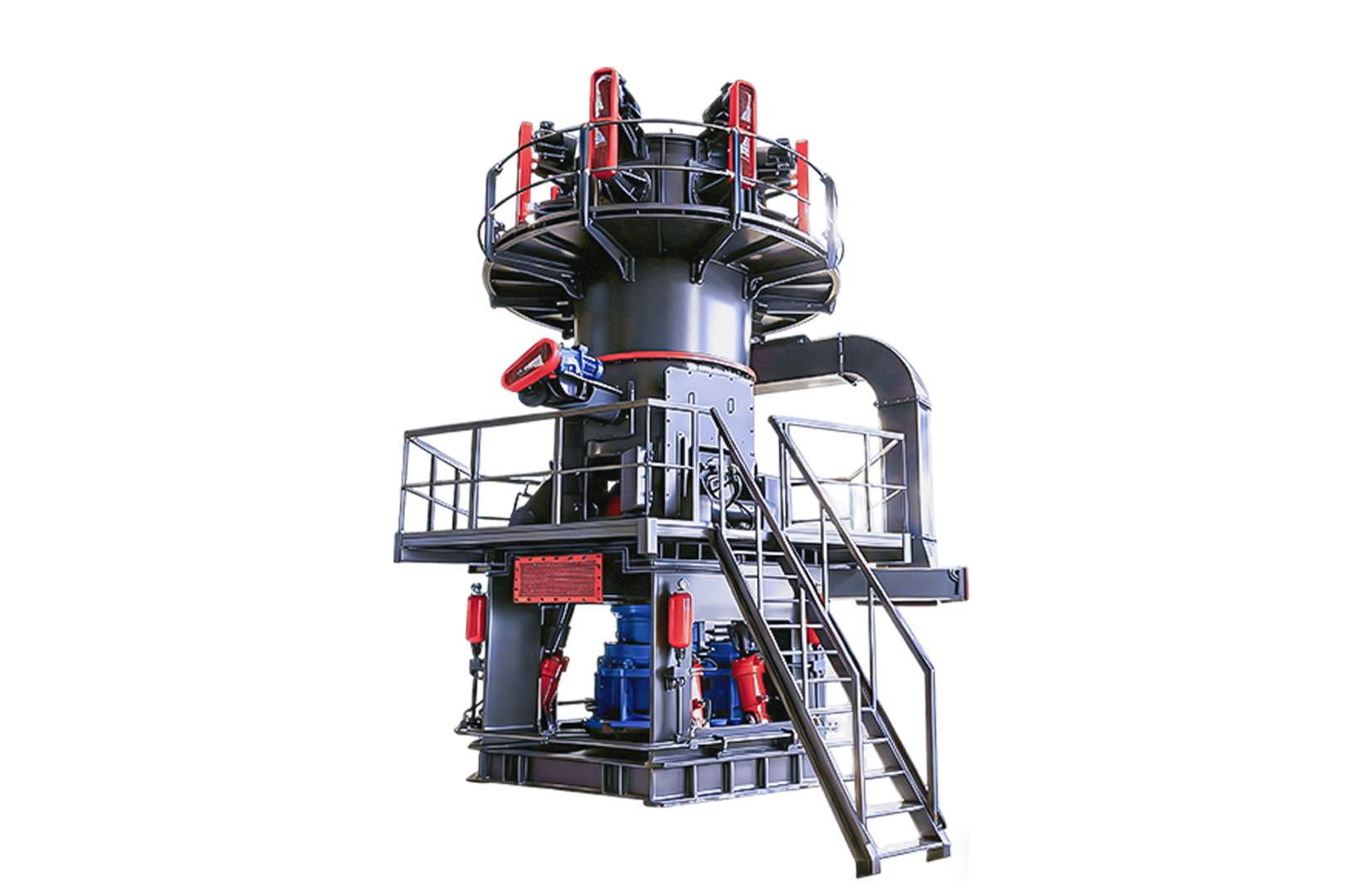
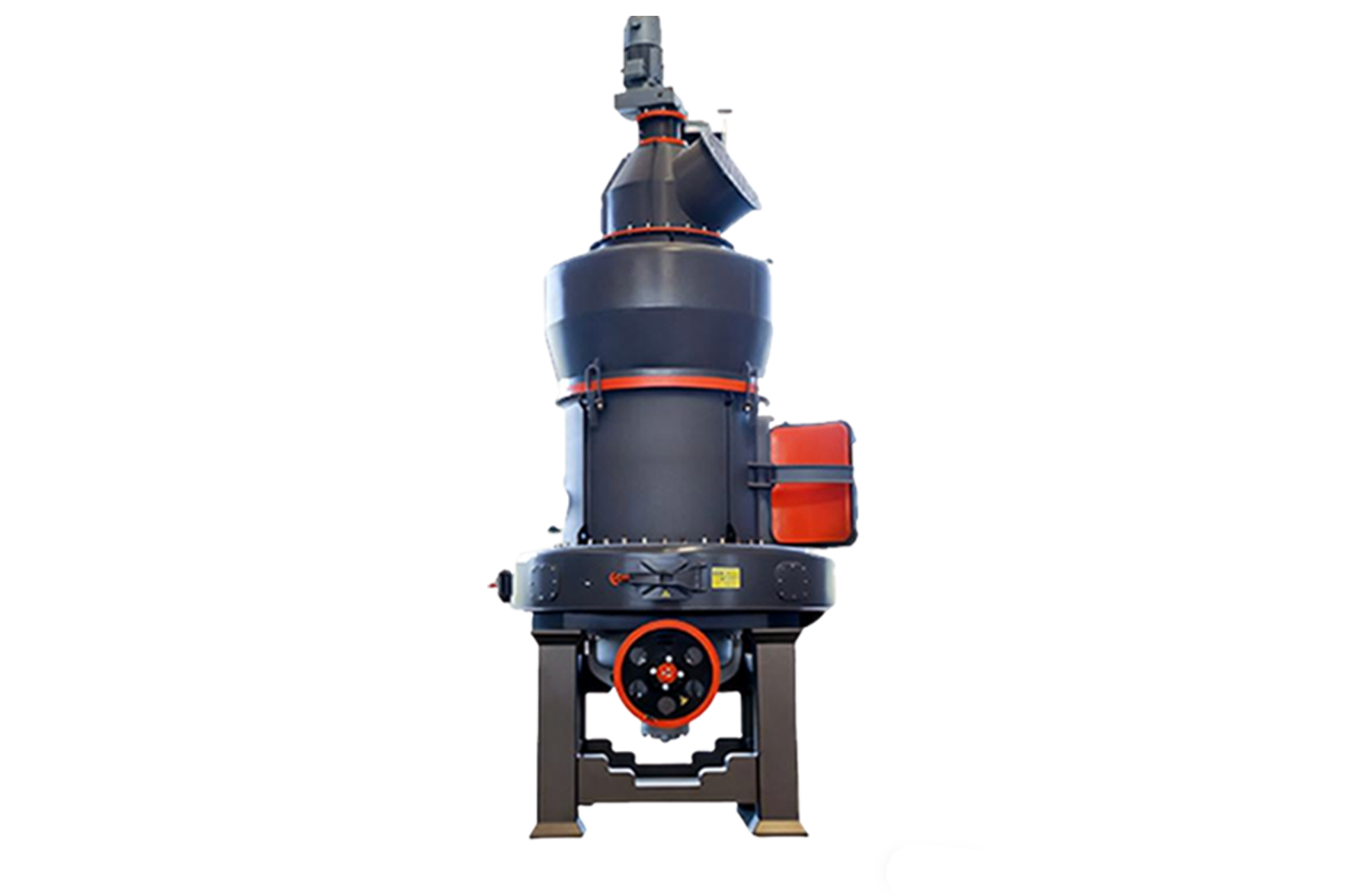
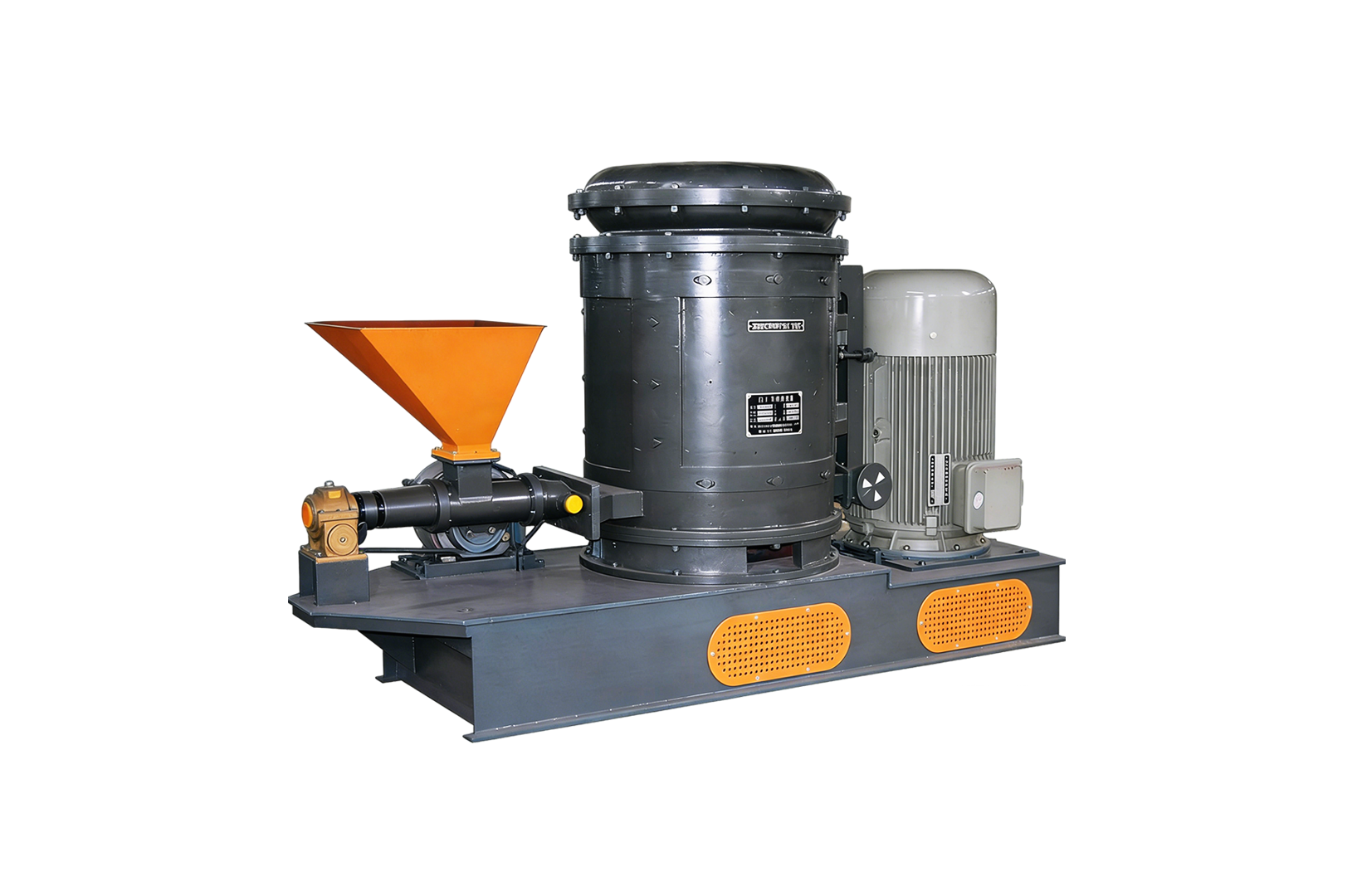
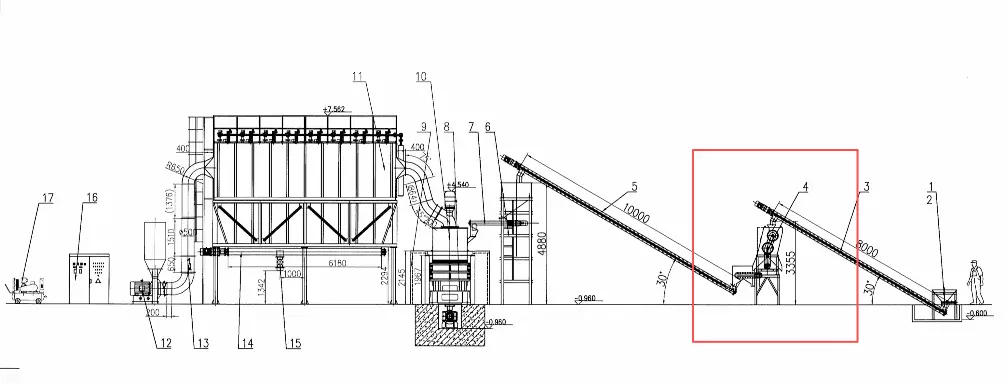
The core bottleneck is particle size and fineness. For rCB to successfully replace high-grade virgin carbon black and achieve maximum market value, the coarse char must be mechanically milled down to an ultra-fine powder. This is exactly where the CLIRIK HGM carbon black grinding mill comes into play.With a precise structural diagram, you’ll immediately understand why this device outperforms conventional pin mills or hammer mills. Its greatest advantage is that it eliminates the external material-handling stage between pulverization and classification.
Before grinding, the crude char undergoes magnetic separation to remove any residual steel wires or metal fragments left over from the tires. This crucial step protects the grinding mill from damage and ensures the purity of the final carbon black. To meet varying feed conditions, CLIRIK offers customized magnetic separation equipment tailored to the specific metal content and properties of your pyrolysis carbon black.
The pre-treated carbon black is fed into the grinding chamber of the Clirik HGM mill. Under the powerful centrifugal force generated by the multi-layer grinding rings and rollers, the carbon black particles are efficiently pulverized. Designed specifically for ultrafine grinding, the HGM mill can easily grind carbon black to a fineness of D97=5-15 micron. This exceptional fineness significantly increases the specific surface area of the rCB, enabling it with reinforcing properties comparable to those of virgin carbon blacks such as N330 and N550.
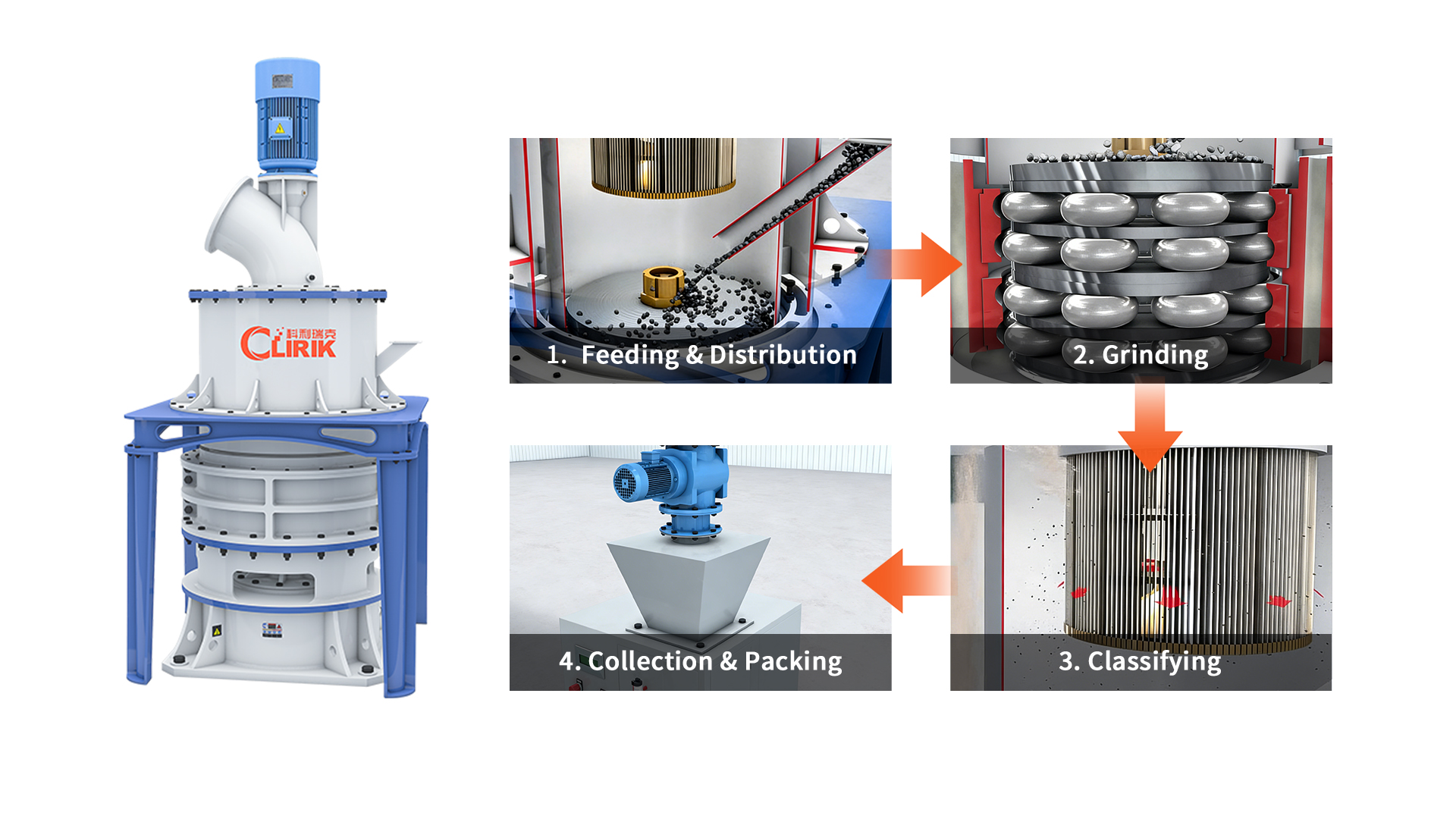
The milled powder is carried upward by an airflow to the classifier. The variable-frequency classifier precisely controls the particle size, ensuring product uniformity. The qualified ultra-fine carbon black is then collected by a high-efficiency pulse dust collector. To handle the light and slightly oily nature of carbon black, the dust collector is equipped with specially customized oil-and-water proof filter bags. This prevents fine powder from adhering to the bags and causing blockages, thereby significantly improving operational efficiency and operational stability. The entire system operates under negative pressure, guaranteeing a clean, dust-free workshop environment. After collection, the ultra-fine powder can be sent to a pelletizing machine for easy packaging and transportation.
To ensure the processed carbon black meets the strict compounding requirements of downstream rubber and plastic manufacturers, technical buyers evaluate the powder’s particle size distribution and physical properties using laboratory laser diffraction analyzers. Below is the typical technical test specification report for ultrafine Recovered Carbon Black (rCB) processed by the CLIRIK HGM 28 roller Mill with D97 passing through rate 10 micron.
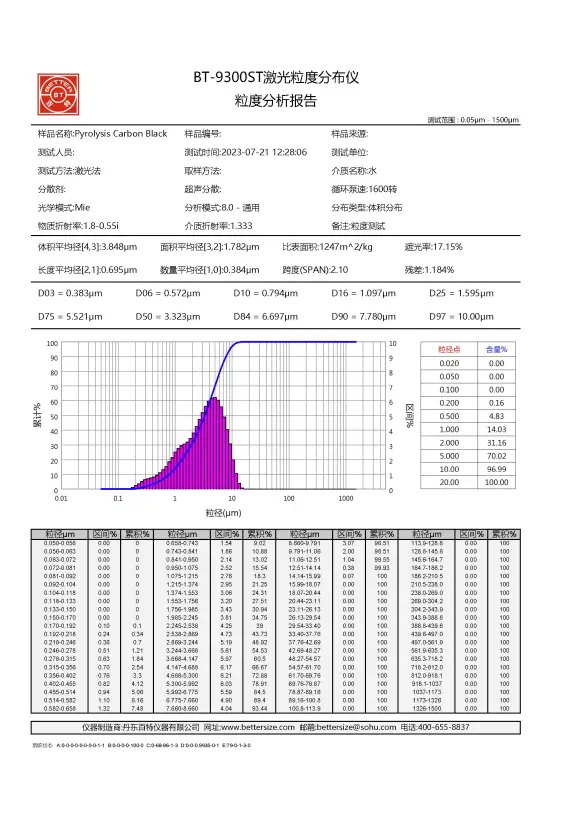
Choosing the right grinding mill model depends on your pyrolysis reactor’s daily carbon char output and the targeted market fineness (800mesh-2500mesh). Since pyrolysis carbon black is light and low in bulk density (320-380g/L), selecting a mill with optimized energy consumption is critical.
Below is the production capacity selection guide for CLIRIK HGM Series Ultrafine Grinding Mills specifically configured for recovered carbon black (rCB) processing:
| Finished Powder Size | HGM80 Productivity | HGM80 Power Consumption | HGM100L-II Productivity | HGM100L-II Power Consumption |
|---|---|---|---|---|
| 325-500mesh(45-32 µm) | 2.3-3 tph | 70 kw/h | 2.5-3.5 tph | 75 kw/h |
| 500-800mesh(25-15µm | 2-2.2 tph | 86 kw/h | 2.2-2.5 tph | 90 kw/h |
| 1000-2000mesh(13-9 µm) | 1-1.2 tph | 110 kw/h | 1.5-2 tph | 130 kw/h |
| 2000-2500mesh(6.5-5 µm) | 0.5-0.8 tph | 200 kw/h | 0.8-1 tph | 250 kw/h |
By utilizing the adjustable fineness of the CLIRIK HGM grinding mill, pyrolysis plant owners can produce different grades of rCB to target various highly profitable downstream markets:
The tire pyrolysis business is highly profitable, but selling crude char leaves money on the table. Upgrading your plant with a CLIRIK HGM Carbon Black Grinding Mill is the most effective way to transform low-value waste into highly sought-after industrial raw materials.
With features like high output, low energy consumption, durable wearing parts, and precise fineness control, CLIRIK HGM mill ensures your recovered carbon black meets the strict standards of the rubber and plastic industries. Contact us today to get a customized carbon black grinding solution and maximize the ROI of your tire recycling project.
Can the rCB grinding line operate continuously?
Due to carbon black’s ultra-light nature, we recommend brief settling pauses within a 10-hour daily operating window. These short pauses allow airborne powder to fully drop, preventing filter clogging and ensuring smooth discharge.
Pyrolysis char contains abrasive ash and residual metal. How does Clirik prevent equipment wear?
Before grinding, inline magnetic separators remove residual wire fragments. Inside the chamber, Clirik HGM mills feature high-chromium alloy rings and rollers engineered for extreme wear resistance, drastically cutting maintenance costs and extending component life.
Can Recovered Carbon Black (rCB) processed by Clirik HGM mills completely replace Virgin Carbon Black (vCB)?
Yes, ultra-fine milled rCB can generally replace semi-reinforcing grades like N550 and N660 in many rubber compounds, and 10%-30% of reinforcing grades like N330. By achieving fineness down to D97=5-12 micron, HGM milled rCB disperses uniformly without undermining tensile strength or abrasion resistance.
How do operators adjust output powder fineness for different customer orders?
Fineness is controlled by a Variable Frequency Drive (VFD) classifier. Plant operators can adjust particle size from 800 mesh (15 micron) to 2500 mesh (5 micron) via the PLC control panel without shutting down the grinding system.
How does Clirik carbon black milling machine handle dust control and dust explosion problems?
The production line is equipped with a pulse dust collector and explosion-proof motors which all working under a sealed and negative-pressure system. This prevent powder leakage when the production line operates, reduces explosion risks and maintain a clean and environmental-friendly factory.