 Clirik





Search
In order to achieve a continuous production capacity of 100 to 3000 tons/hour and accurately control the fineness to 250-400 mesh, a customized vertical roller mill (VRM) or European mill must be configured. After 48 hours of continuous operation of many conventional equipment, due to the thermal expansion of the grinding ring and the wear of the powder separator, the output tends to plummet by 15% to 20%. And we have just overcome these 1 technical bottlenecks.
The following technical guide combed in detail the specific equipment configuration scheme, our original “3-T” capacity evaluation model, and the 1 real operation data that actually reduced the tonnage energy consumption of mining enterprises by 22%. If you want to build a “zero downtime” production line, be sure to read the following disassembly analysis.
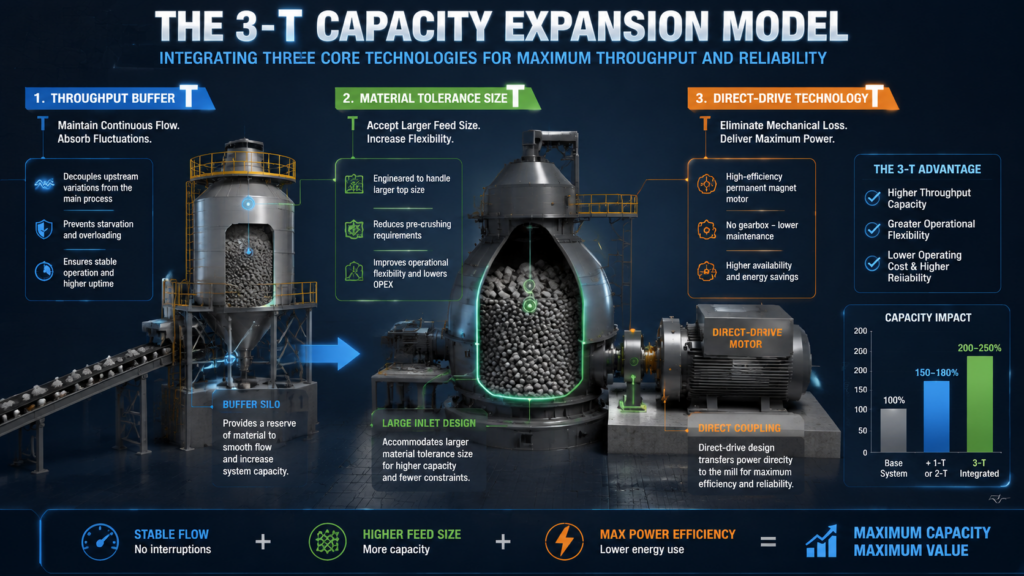
When selecting a mining company, the owner must configure the equipment (I. e., the 3-T model) around 3 core dimensions: yield (Throughput), tolerance (Tolerance), and technology (Technology). If you only copy the basic parameter table provided by the manufacturer, system downtime will inevitably occur during peak production periods.
When designing the core mainframe, the engineer must reserve capacity at 120 percent of the daily maximum load. For example, if your target capacity is 200 tons/hour, you have to choose equipment with a rated capacity of at least 240 tons/hour. The hardness of materials mined from different mining areas often fluctuates, and this part of the surplus capacity can effectively prevent the motor from overheating and burning due to sudden load changes.
The front-end crushing link is difficult to always maintain a perfect 10mm feed standard. High-end limestone grinding systems are often equipped with heavy-duty grinding rollers that can directly eat raw ore up to 40mm. This high tolerance directly saves the trouble of three stages of crushing, not only greatly reduces the floor area of the plant, but also cuts off a large initial equipment investment.
The old belt drive mill will lose up to 8% of its energy in mechanical friction alone. After upgrading the equipment to direct drive with planetary gearbox, 100% of the torque of the motor can be transmitted to the grinding disc. Coupled with the up-conversion (VFD) powder selector, the operator in the central control room can dynamically adjust the particle size of the finished powder at any time without stopping the machine.
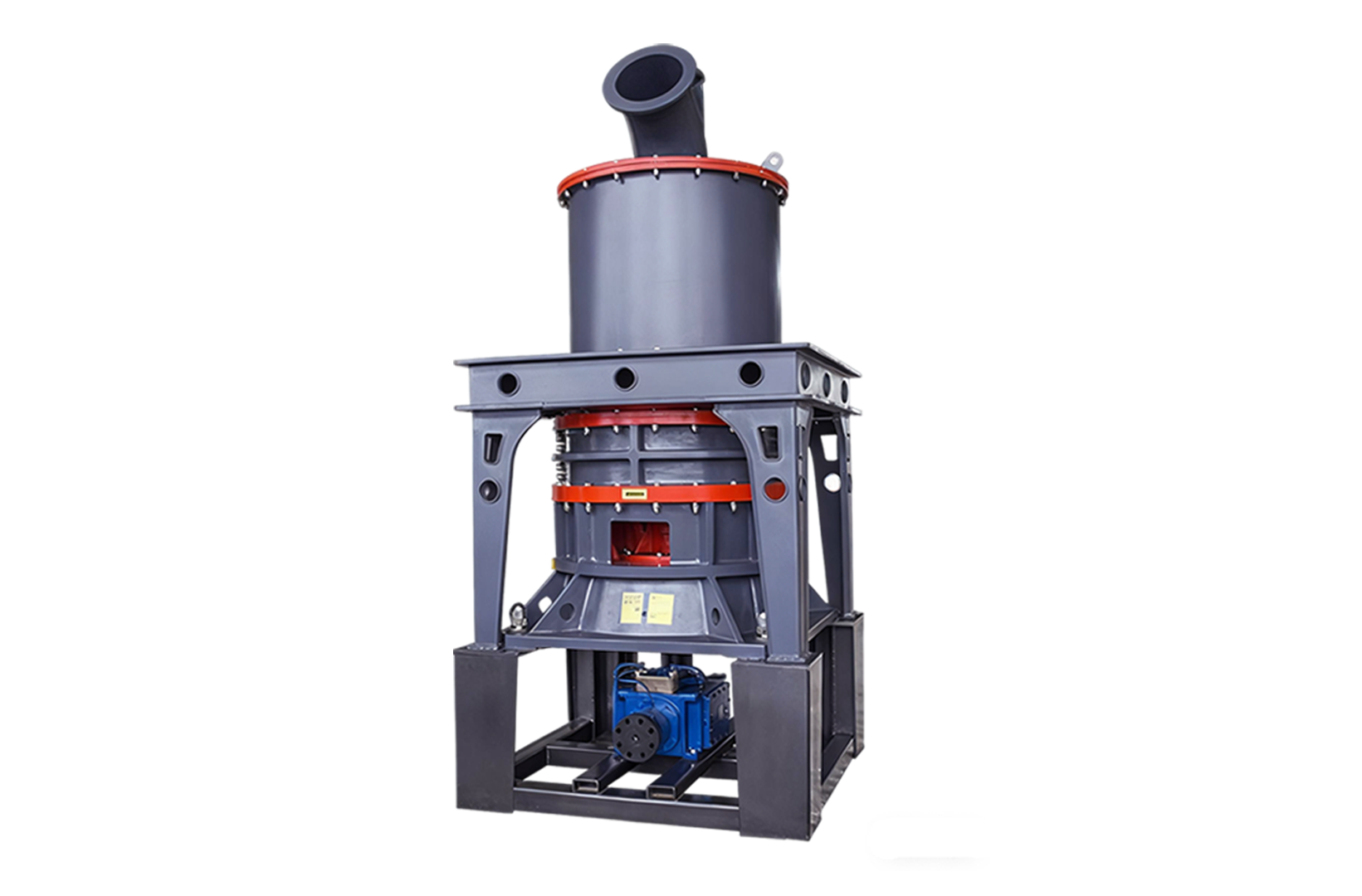
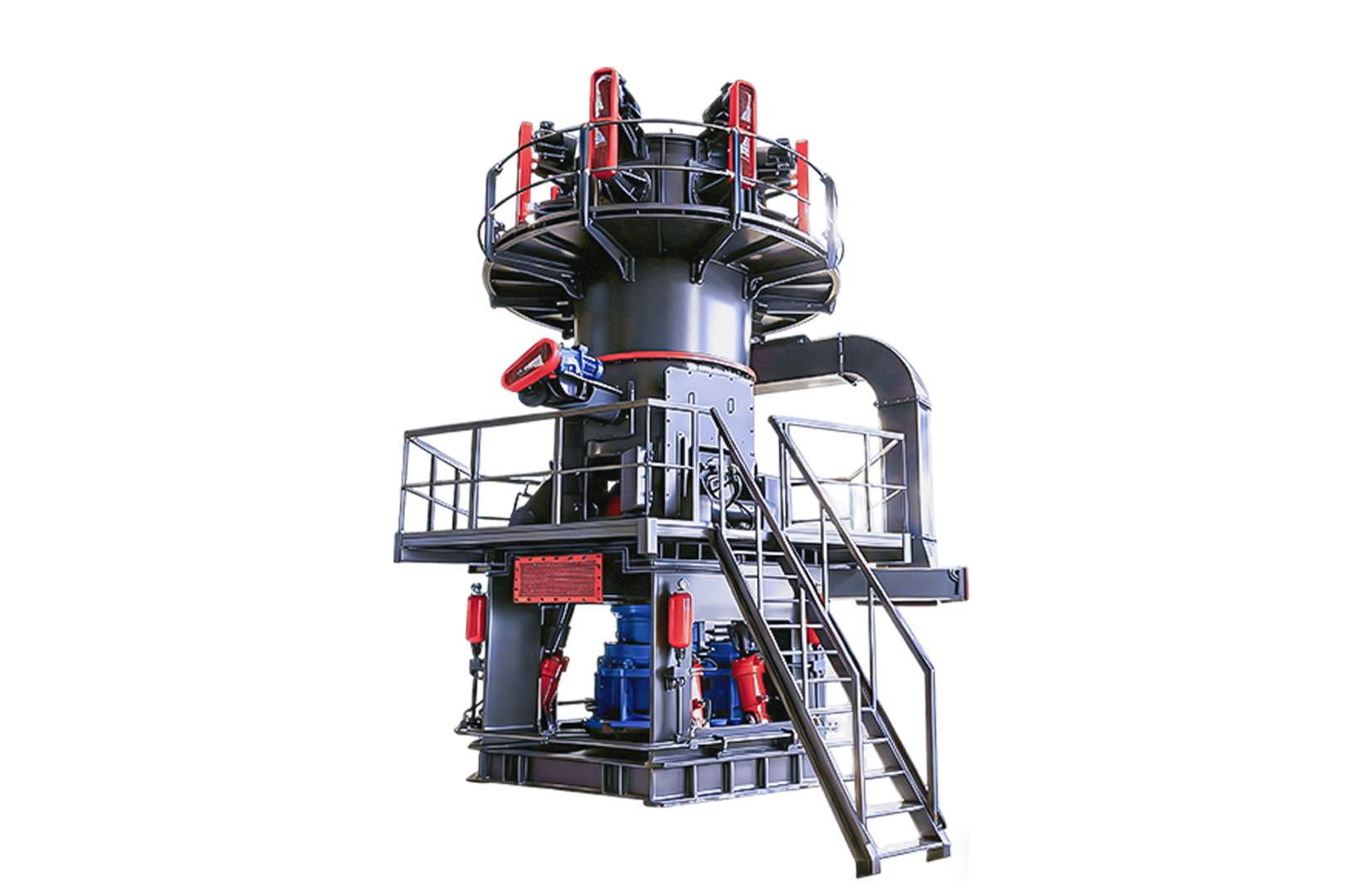
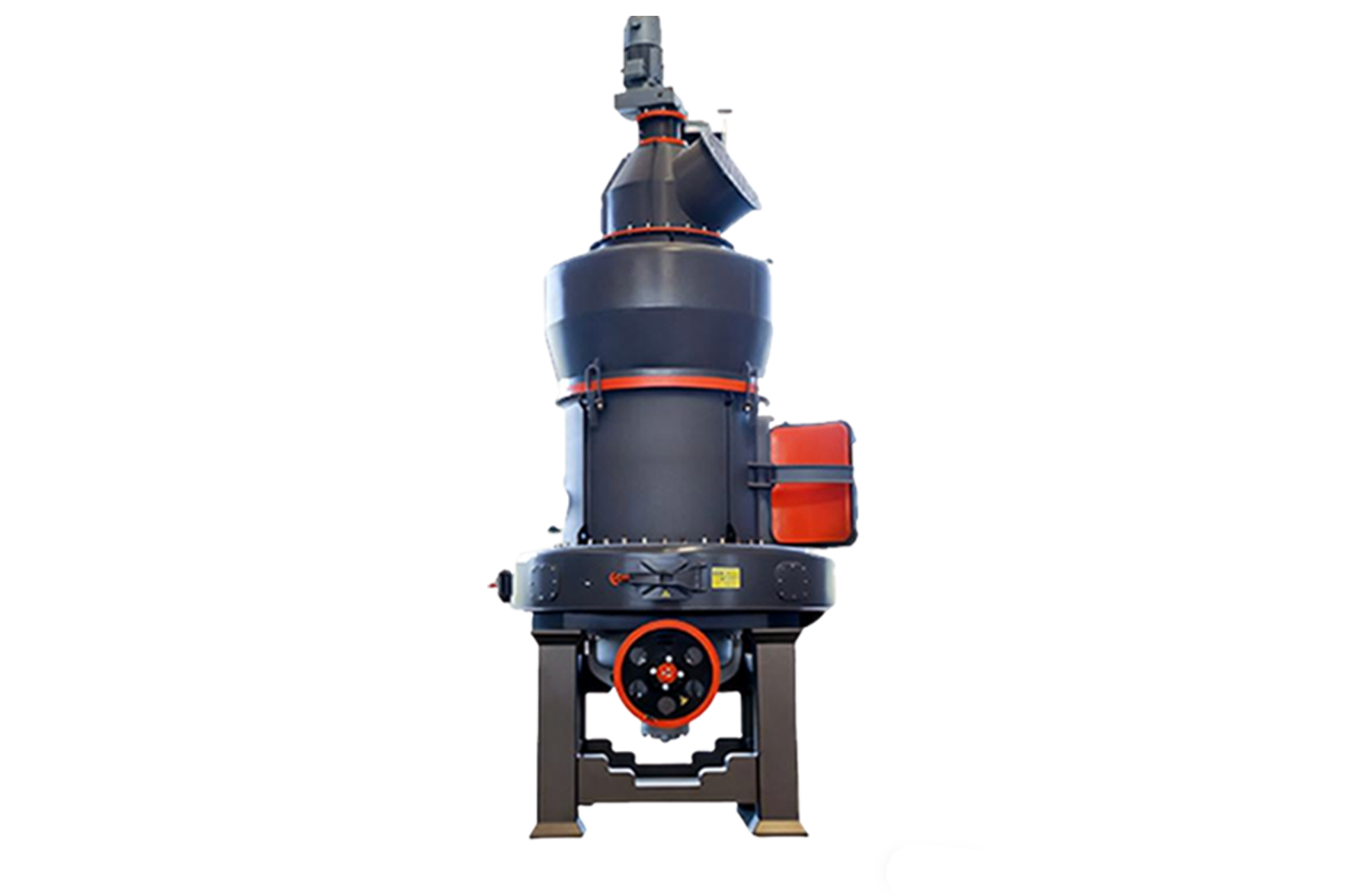
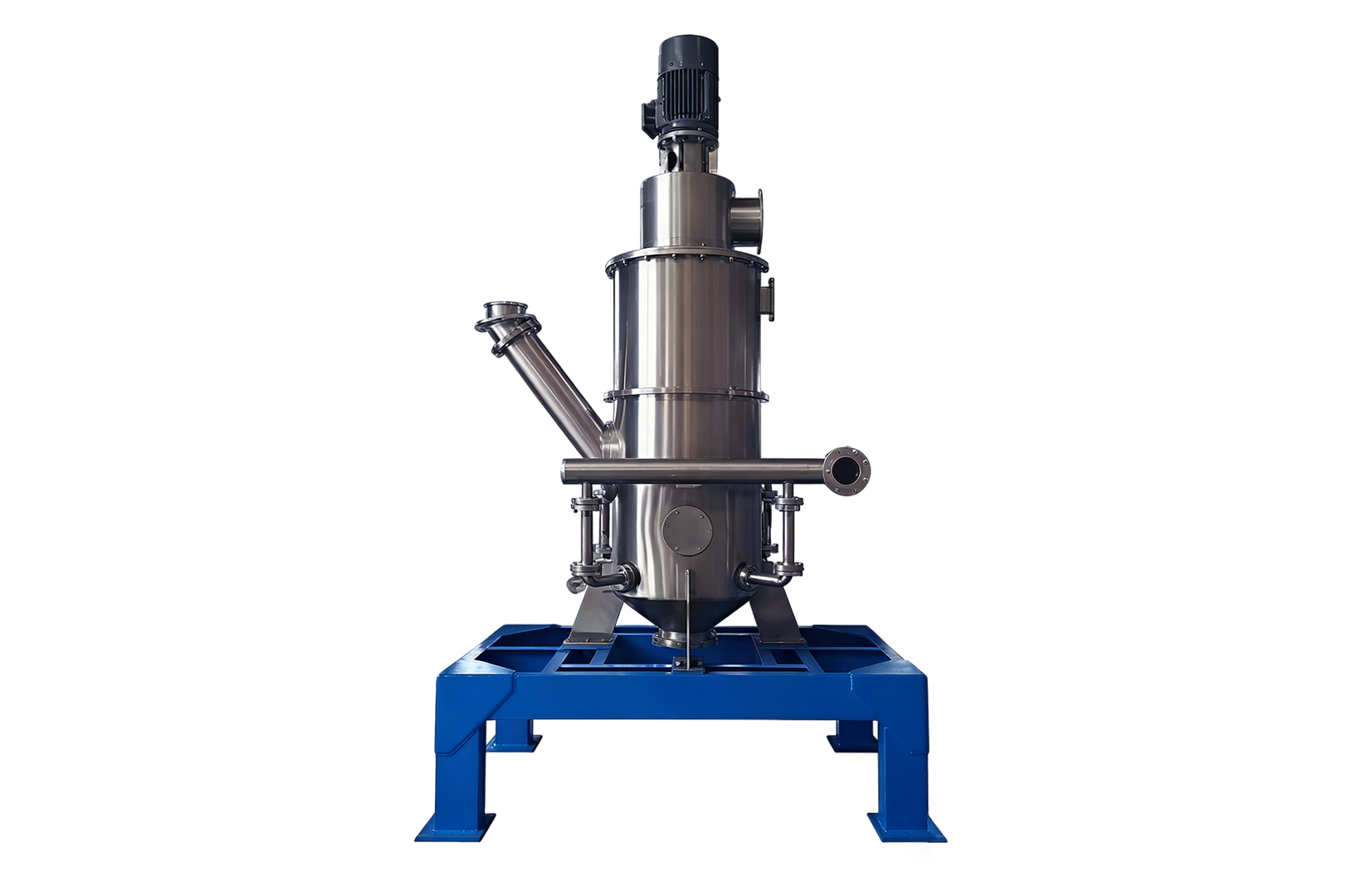
Choting the right host directly determines your operating cost (OPEX) in the next ten years. In large aggregate and desulfurization projects, the vertical roller mill (VRM) has absolute dominance because it integrates the four functions of crushing, drying, grinding and powder selection into a closed unit. The European version of the mill is more suitable for medium-sized, and high fineness requirements (such as up to 800 mesh) customers, its initial footprint is relatively small.
| Equipment Type | Output Capacity (TPH) | Max Feed Size (mm) | Specific Power Consumption (kWh/t) | Target Application |
|---|---|---|---|---|
| Vertical Roller Mill (VRM) | High (Typically 10 – 300+ TPH) | Large (Up to 40 – 50 mm) | Low (Highly efficient integrated system) | Large-scale aggregate and desulfurization operations; integrates crushing, drying, grinding, and classifying in a single enclosed unit. |
| European Type Grinding Mill | Medium (Typically 3 – 50 TPH) | Medium (Up to 30 mm) | Moderate (Optimized for ultra-fine processing) | Mid-tier contractors requiring ultra-fine powder (up to 800 mesh) with a lower initial equipment footprint. |
Once the raw material moisture exceeds 6%, the traditional limestone mill will be immediately suffocated. Many operators tend to ignore the seasonal surge in humidity in mining areas. The wet limestone powder will stick to the internal grinding ring and form a hard cement-like crust. This hard shell will deflect the grinding roller, causing severe vibration of the equipment. For a long 1, the central shaft may be directly twisted off.
The way to break the situation is to install dynamic hot blast stove synchronously at the inlet of the mill. This device can continuously press the high temperature hot air of 200°C into the grinding chamber. At the moment when the material is crushed by high pressure, the high temperature air flow will evaporate the water immediately, ensuring that the finished powder can smoothly enter the pneumatic conveying pipeline.
Replacing the traditional ball mill with an advanced vertical mill system can bring about a sharp drop in costs visible to the naked eye. We recently created a TPH -300 production line for a commercial contractor specializing in the supply of flue gas desulfurization (FGD) absorbents.
The benchmark data of their old equipment is terrible: the power consumption per ton is as high as 24 degrees (kWh/t), and it must be shut down for maintenance every 168 hours of operation. We replaced the original system with a high-capacity vertical limestone mill driven by AI-assisted powder selection. After the renovation, the new system has been steadily maintained at the throughput of 315 TPH, and the power consumption per ton has been directly reduced to 18.7 degrees (a drop of 22%), setting a fault-free record of 720 hours of continuous operation before routine inspection is required.
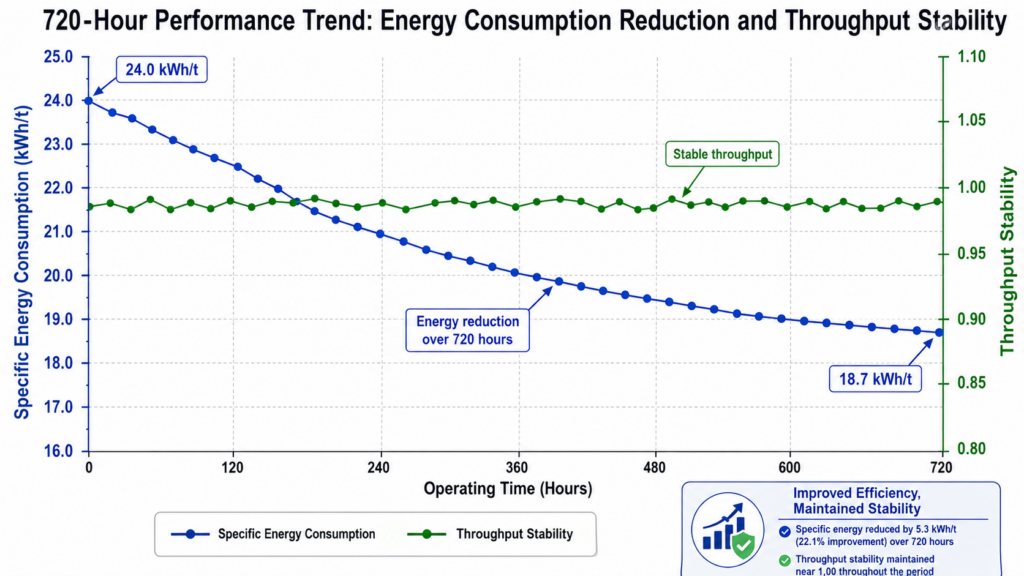
A set of large vertical roller mill with reasonable configuration, the comprehensive power consumption for processing 1 tons of limestone is between 18 and 22 degrees. Under the same fineness requirements, the power consumption of the old-fashioned ball mill system often exceeds 24 degrees.
The core is to adjust the speed of the turbine separator at the top of the mill. When the masters are operating, increase the speed of the powder separator, and the powder will be finer. Lower the speed, the particles of the finished product will be coarser.
Absolutely. The modern mill is connected to the hot blast stove in the pneumatic system. This allows the equipment to have a strong drying capacity while grinding, and can even handle high-humidity materials with a moisture content of 15%.
The heavy-duty vertical roller mill can directly swallow 40mm lump ore. However, if it is a European version of the mill, in order to prevent damage to the grinding roller, it must first be crushed through the front end to control the raw materials below 25mm.
The layout of the 200 ton/hour vertical mill production line is very compact, usually only covering an area of about 150 to 200 square meters. Because a single machine itself has the functions of crushing, drying and powder selection, which greatly eliminates the complicated conveyor belt network outside.