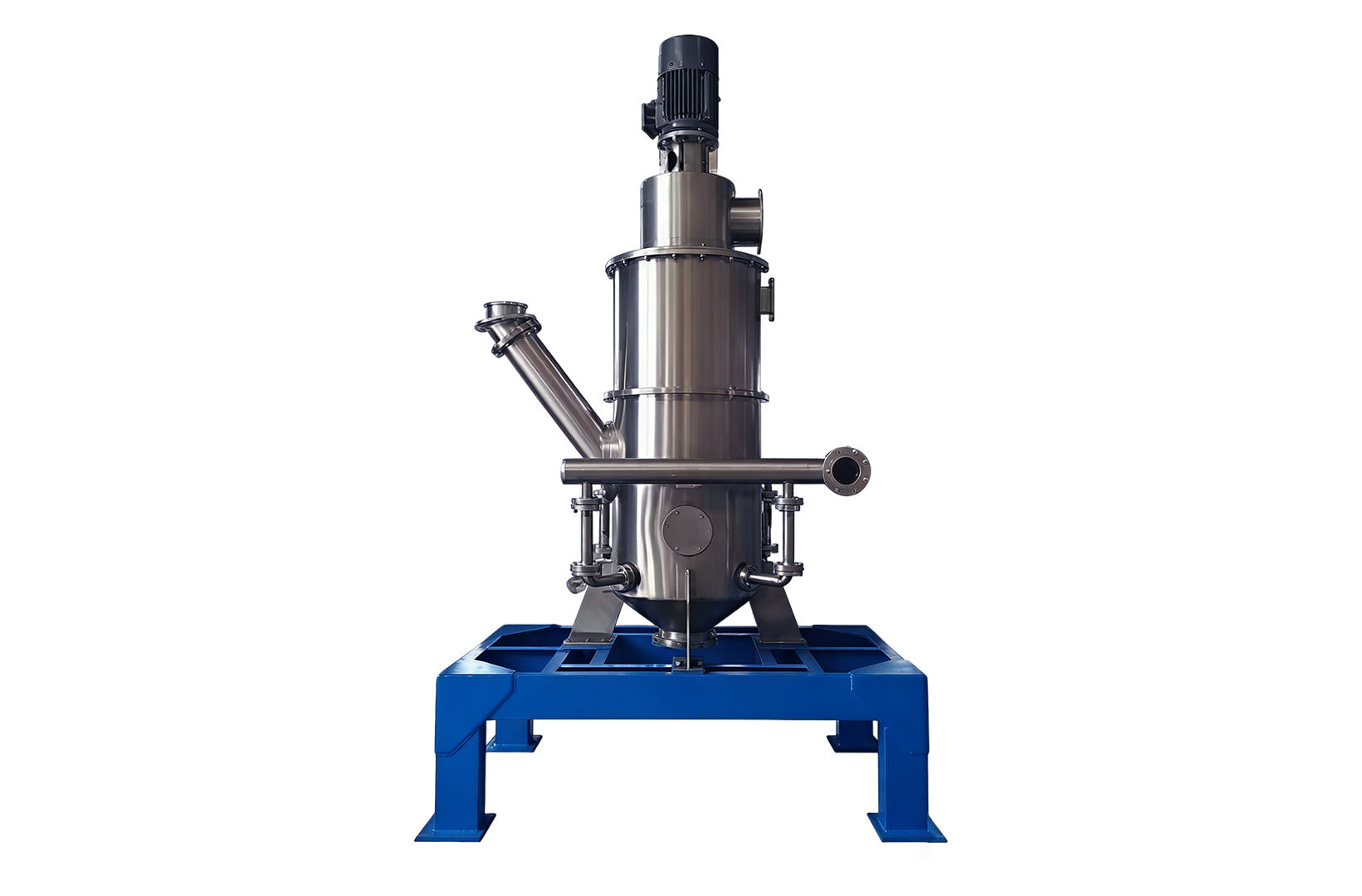
 Clirik



Search
Dry Ultrafine Mineral Grinding
Turn medium- to low-hardness minerals into controlled fine and ultrafine powder with Clirik's HGM ring roller mill. Multi-layer roller-and-ring grinding works with dynamic air classification to keep coarse particles in the circuit and collect powder at the selected cut point.
Key facts
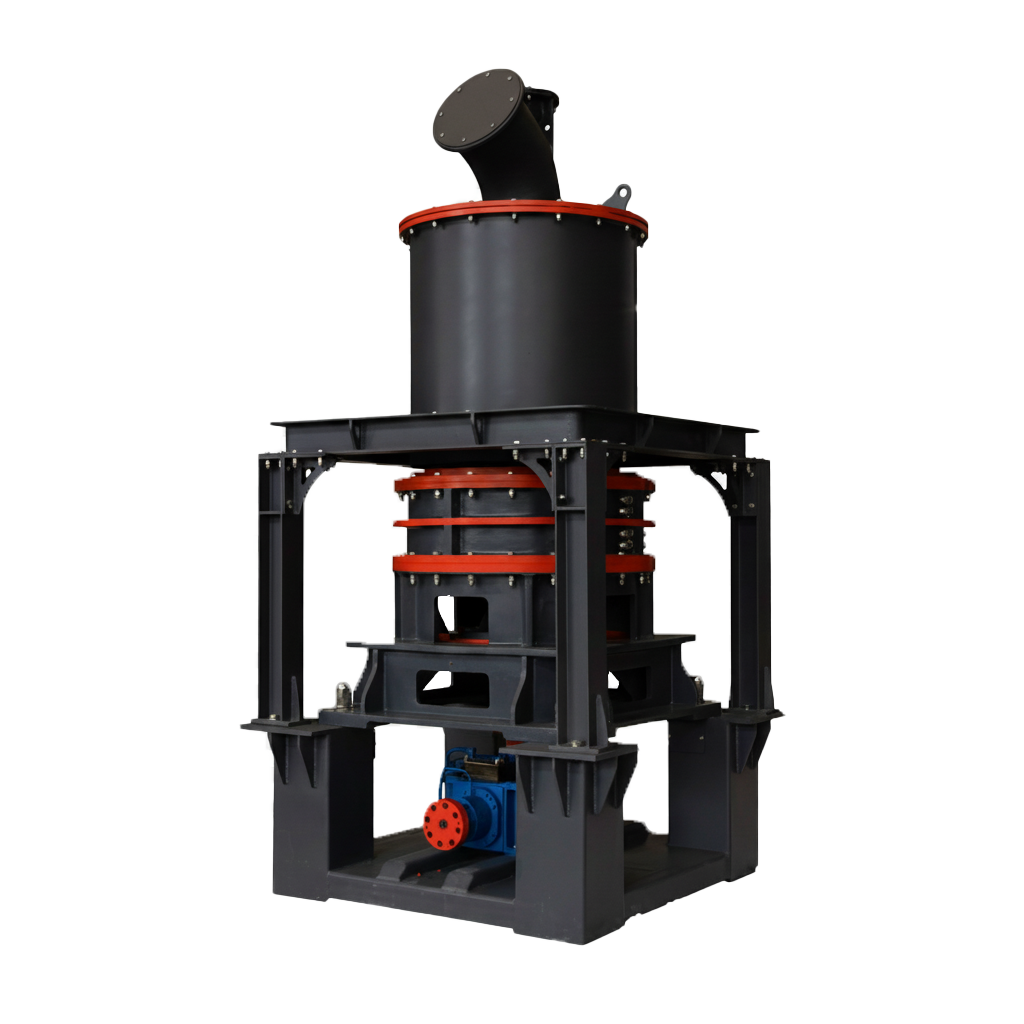
HGM Ultrafine Grinding Mill for dry mineral powder processing.
In this application, a ring roller mill is an industrial dry-grinding system for mineral powder production. Material passes between multiple rollers and stationary grinding rings, where repeated compression, impact, and friction reduce particle size. An air classifier then separates acceptable fine powder from coarse particles that require another pass.
The HGM system is intended for brittle, nonflammable, and nonexplosive materials with a Mohs hardness of 6 or less and moisture content of 6% or less. These boundaries make it suitable for many nonmetallic minerals while also defining when material testing or a different grinding route is necessary.
Closed-circuit classification gives the operator a practical way to control the product cut point. Adjusting the classifier changes which particles leave the circuit, while the mill continues grinding the rejected fraction. This relationship between grinding and classification matters more than a nominal mesh label when the finished powder must meet a repeatable particle-size specification.
Raw material is crushed to the required feed size, lifted to a storage hopper, and metered into the mill. A controlled feeder stabilizes the material flow before the rotating distribution plate directs it toward the grinding chambers.
The main drive rotates the internal assembly so the rollers travel along the grinding rings. Particles undergo repeated compression, impact, and grinding as they pass through successive layers. The number of layers and rollers varies by HGM model.
Airflow carries the reduced particles toward the classifier. Particles fine enough for the selected cut point pass through; oversize particles are rejected and return to the grinding chamber. Classifier settings therefore affect both finished-powder fineness and the internal circulating load.
Qualified powder moves to the collection system and discharges for downstream handling or packing. A pulse bag filter captures residual airborne powder before the cleaned process air is released through the exhaust path.
Process line: Pre-crushing → Elevating and storage → Controlled feeding → Multi-layer grinding → Dynamic classification → Powder collection → Packing or downstream use
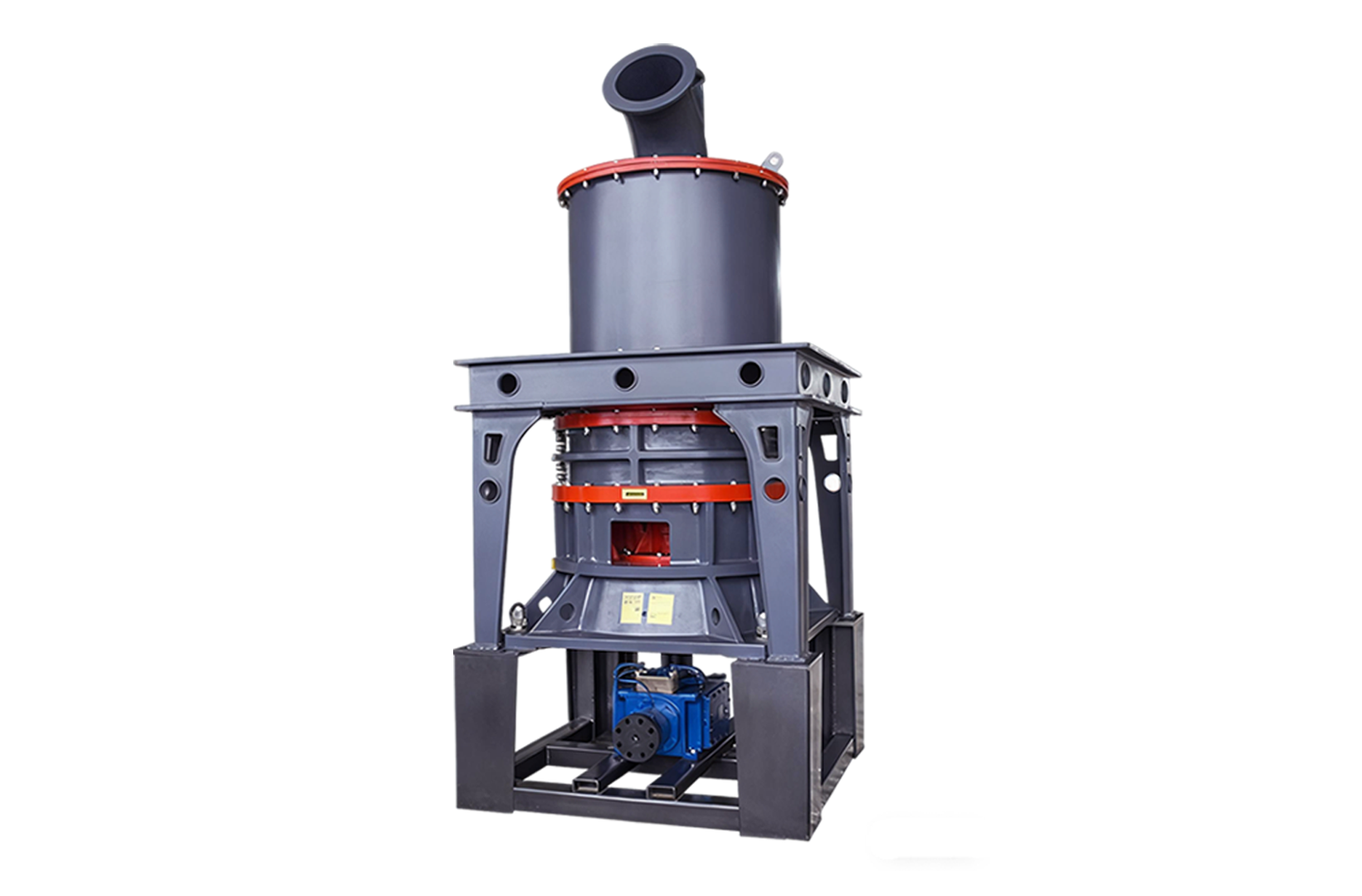
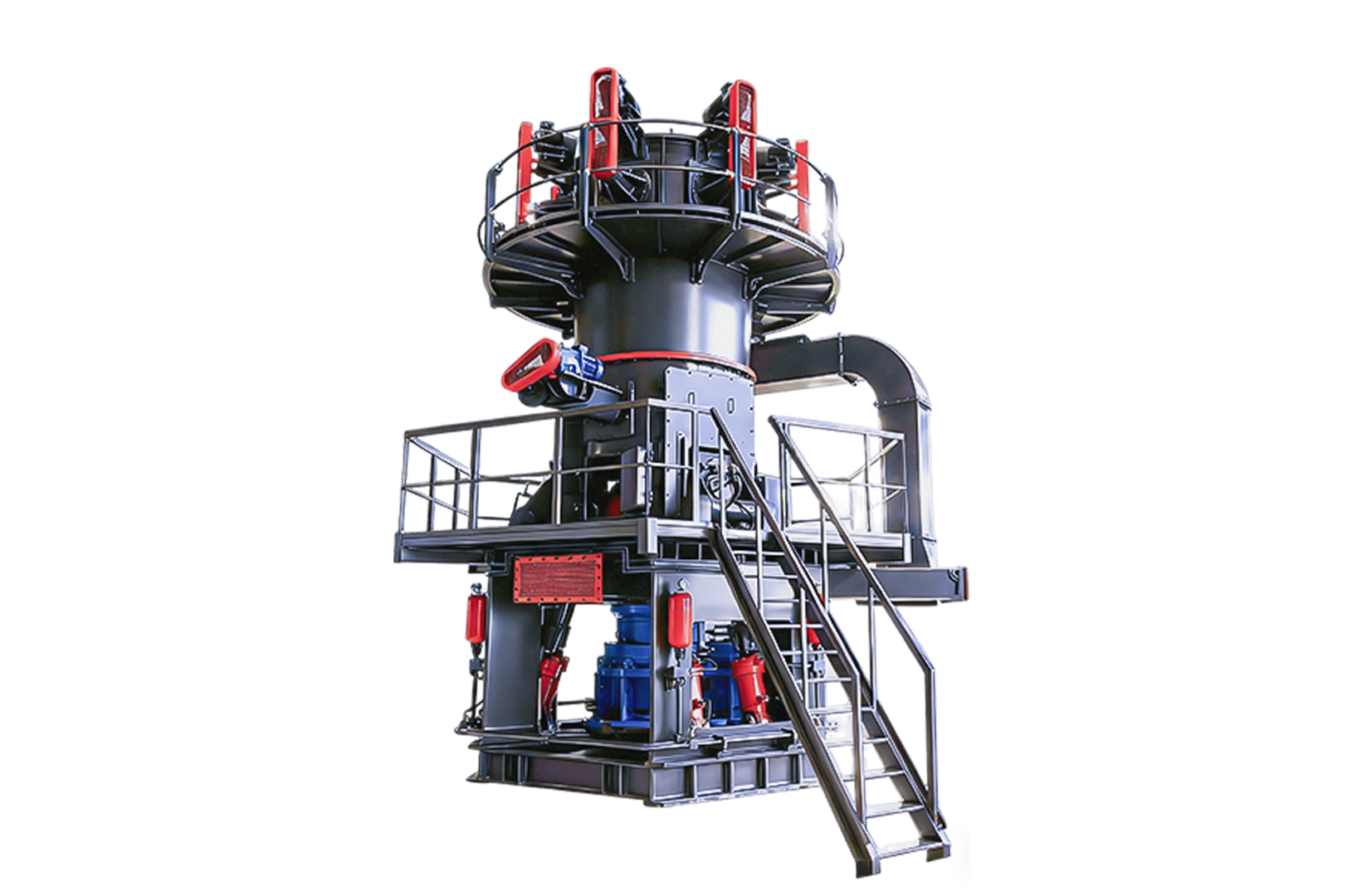
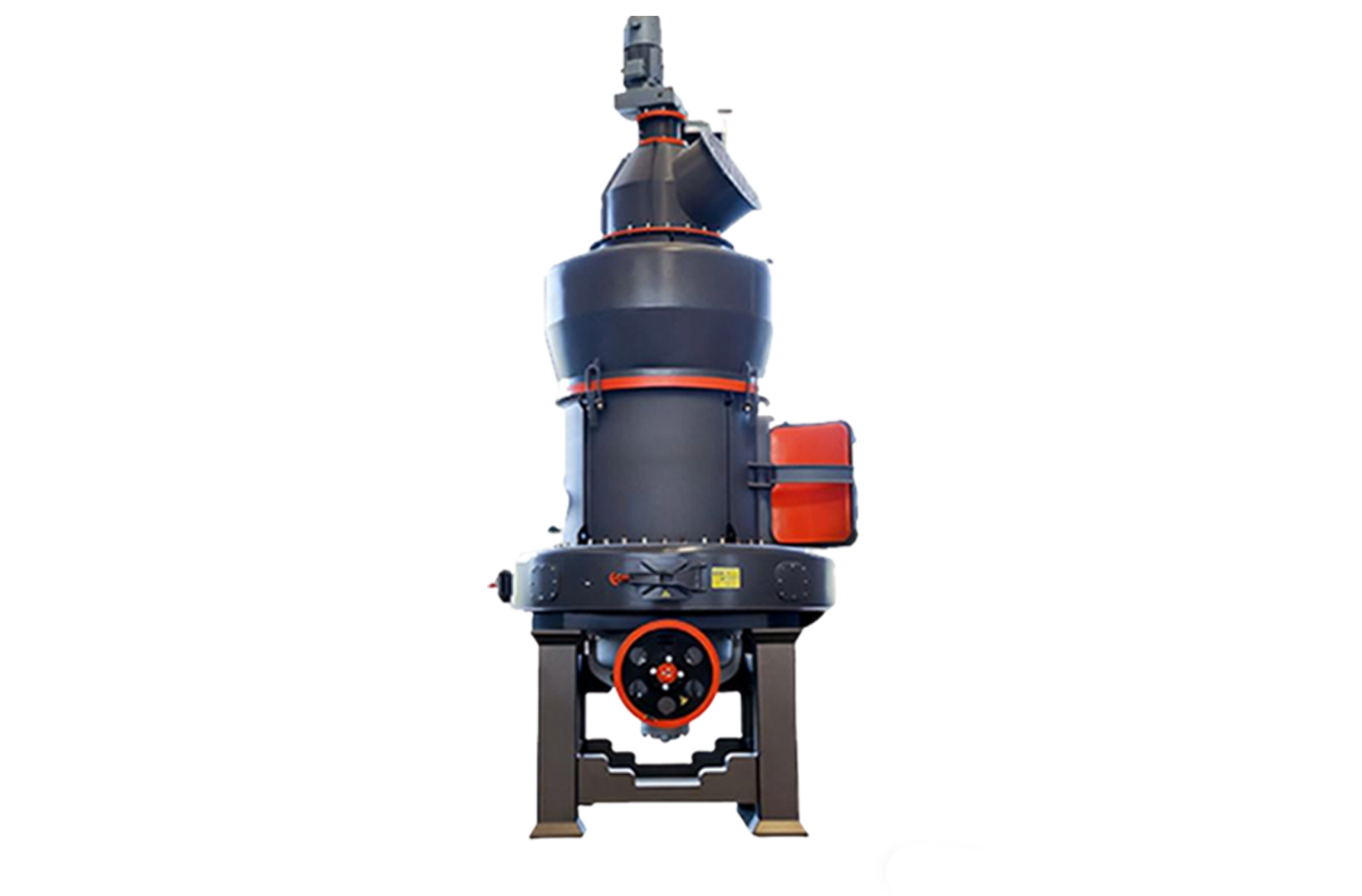
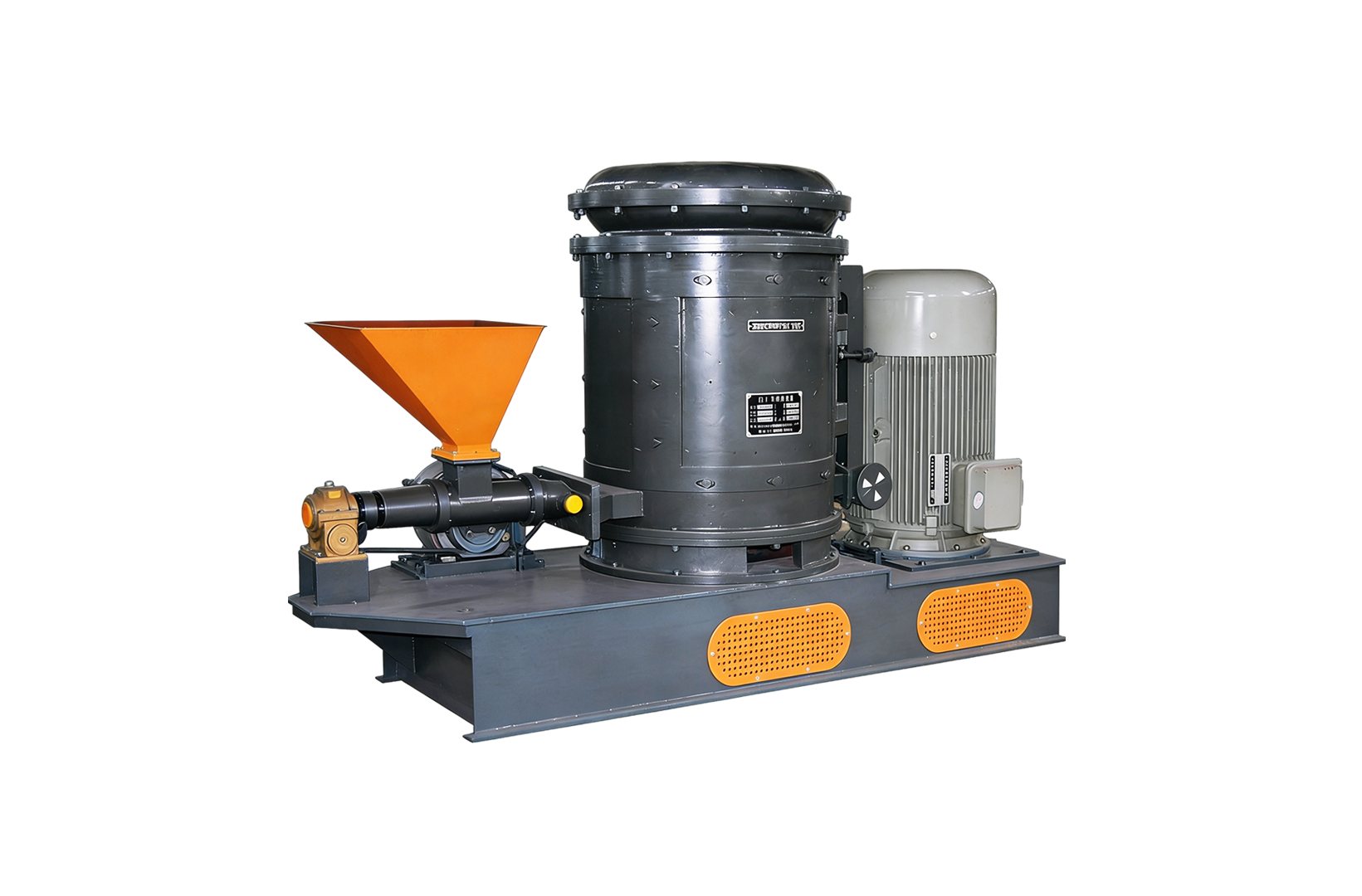
HGM Ultrafine Grinding Mill, Clirik's ring roller mill for fine and ultrafine mineral powder.
Clirik's HGM Ultrafine Grinding Mill is a ring roller mill for dry processing of brittle nonmetallic minerals. The series combines a multi-layer grinding chamber, adjustable air classification, powder collection, filtration, and line controls. Eight listed configurations let a project match the mill frame and drive system to the target powder and required production scale.
Manufacturer: Shanghai Clirik Machinery Co., Ltd.
Actual throughput and achievable particle size change with mineral composition, hardness, moisture, feed distribution, classifier configuration, and the required product cut point. A material test provides the operating basis for model selection.
The HGM range scales from the three-layer HGM80 to four-layer machines with larger ring diameters and higher installed power. Models with the same ring diameter can still use different drive arrangements and line footprints, so the model suffix forms part of the equipment specification.
| Model | Ring inner diameter | Layers / rollers | Main shaft speed | Main mill motor | Total loading power | Reference line size, L × W × H |
|---|---|---|---|---|---|---|
| HGM80 | 800 mm | 3 / 21 | 230–240 rpm | 75 kW | 142 kW | 15.1 × 4.2 × 7.3 m |
| HGM100L-II | 1,000 mm | 4 / 28 | 180–200 rpm | 132 kW | 242 kW | 21.5 × 3.6 × 8.5 m |
| HGM100P | 1,000 mm | 4 / 28 | 180–200 rpm | 2 × 75 kW | 267 kW | 21 × 4.1 × 8.5 m |
| HGM100L-H | 1,000 mm | 4 / 28 | 180–200 rpm | 132 kW | 257 kW | 22 × 3.8 × 8.5 m |
| HGM125L | 1,250 mm | 4 / 32 | 135–155 rpm | 185 kW | 401 kW | 27.3 × 4.4 × 9.9 m |
| HGM125L-H | 1,250 mm | 4 / 32 | 135–155 rpm | 185 kW | 401 kW | 27.3 × 4.4 × 9.9 m |
| HGM1680L | 1,680 mm | 4 / 36 | 120–130 rpm | 315 kW | 685 kW | 31.7 × 7.7 × 12.6 m |
| HGM1680L-H | 1,680 mm | 4 / 36 | 120–130 rpm | 315 kW | 685 kW | 32.7 × 7.9 × 12.6 m |
The structural table supports early space, power, and equipment screening. It also shows where a larger model changes civil layout and electrical demand before classifier settings and application-specific performance are considered.
HGM ring roller mills process dry, brittle, nonflammable, and nonexplosive feed within the stated hardness and moisture limits. Representative materials include calcium carbonate, calcite, marble, chalk, limestone, dolomite, gypsum, kaolin, bentonite, talc, mica, attapulgite, barite, phosphate rock, fluorite, carbon black, and graphite.
These powders can serve industries such as paint and coatings, paper, pigments, rubber, plastics and fillers, cable compounds, cosmetics, construction materials, and chemical processing. The required particle-size distribution depends on the downstream formulation, so two plants grinding the same mineral may need different classifier settings and mill configurations.
| Feed characteristic | Why it changes the result |
|---|---|
| Mineral composition and hardness | Harder phases resist breakage and can reduce throughput or increase wear. |
| Moisture and surface behavior | Damp or cohesive feed can disturb flow, classification, and powder collection. |
| Top size and feed distribution | Stable, correctly sized feed keeps the grinding chamber loaded consistently. |
| Target D97 and allowable coarse fraction | A finer cut increases recirculation and can lower output at the same mill setting. |
| Bulk density and product handling | Powder behavior affects collection, discharge, conveying, and packing choices. |
A useful selection brief connects the feed material to a measurable finished-powder requirement. State the mineral and composition, maximum feed size, hardness, moisture, required capacity, target particle-size distribution, available power, installation space, and the planned method for collecting or packing the powder.
Specify fineness with a particle-size value and distribution point, such as D97, whenever the downstream process depends on the coarse-particle limit. Mesh can remain as a familiar reference, but it does not fully describe the distribution that controls filler performance, coating behavior, or product consistency.
Clirik's material-testing workflow can include composition analysis, a grinding and classification trial, instrument measurement, test analysis, and configuration selection. The resulting data can establish achievable fineness, hourly output, and power demand for the submitted material before the production line is finalized.
An HGM project can extend beyond the mill body. The published system layout includes a crusher, bucket elevator, storage hopper, belt feeder, main mill, sound-control enclosure, classifier, powder collector, bag filter, muffler, blower, and electrical cabinet. The final equipment boundary depends on the incoming material condition and where the finished powder must go next.
| Line area | Main function |
|---|---|
| Feed preparation | Reduces oversize material and supplies a stable feed to the mill. |
| Grinding and classification | Produces powder and returns coarse particles for additional grinding. |
| Collection and filtration | Separates finished powder from process air and controls residual dust. |
| Discharge and packing interface | Transfers the powder to storage, conveying, or packing equipment. |
| Electrical control | Coordinates feeding, the mill drive, classifier, blower, collection, and operating feedback. |
Clirik provides grinding-line design, installation and commissioning, operator training, remote guidance, and on-site technical service. Wear-related components identified for the HGM series include the rollers, grinding rings, turn plate, shaft pins, and classifier impeller; spare-parts planning should follow the selected model and the abrasiveness of the actual feed.
Share your feed material, maximum feed size, moisture, target D97 or mesh, required hourly capacity, and project location. Clirik will use these details to recommend an HGM configuration, define the supporting equipment, and determine whether a material test is needed.