 Clirik





Search
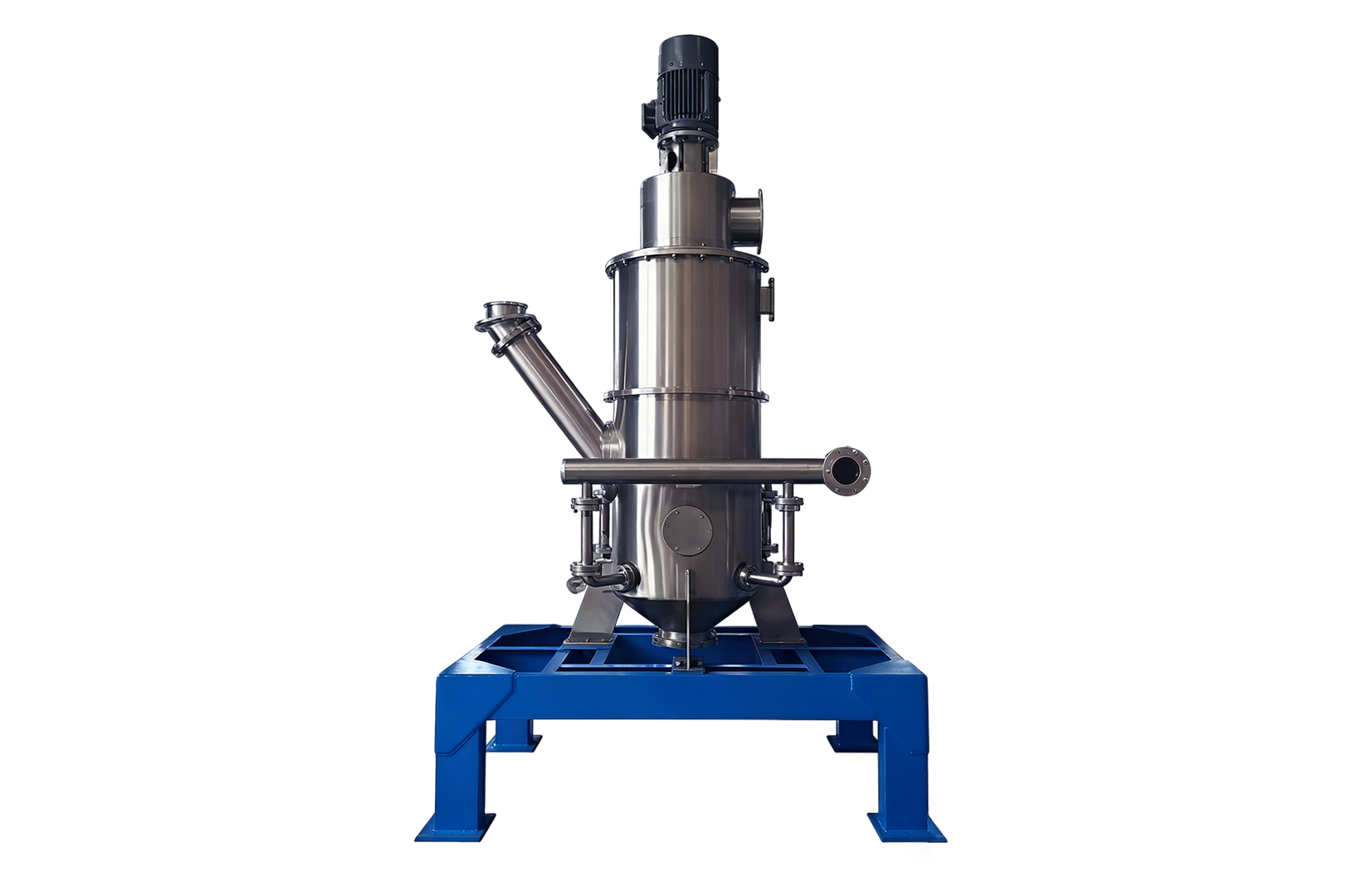
Often encounter B2B purchasing managers and business owners in the selection of barite mill (Barite grinding mill) headaches, do not know how to find a balance between the initial investment and long-term returns. If you are planning to build or upgrade an oil well mud production line, I will directly give you a bottom line for purchasing and technical doubts: in order to stably meet the strict API 13A standard (usually 200 mesh or 325 mesh, with a specific gravity of more than 4.20), Raymung mill is currently the most reliable and cost-effective equipment with medium production capacity (3-20 tons/hour); But if it is a large-scale, high-yield project, the vertical mill (VRM) is definitely the first choice. When choosing a manufacturer, don’t just stare at the lowest machine quotation. Barite has a high proportion and certain abrasiveness. The real cost performance lies in the wear resistance of grinding rollers and grinding rings, equipment energy consumption, and whether suppliers can handle 1 complete turnkey project. Finding a source factory that can guarantee the supply of accessories, understand global installation, and can keep downtime to a minimum is the only way to make your weighting agent business profitable.
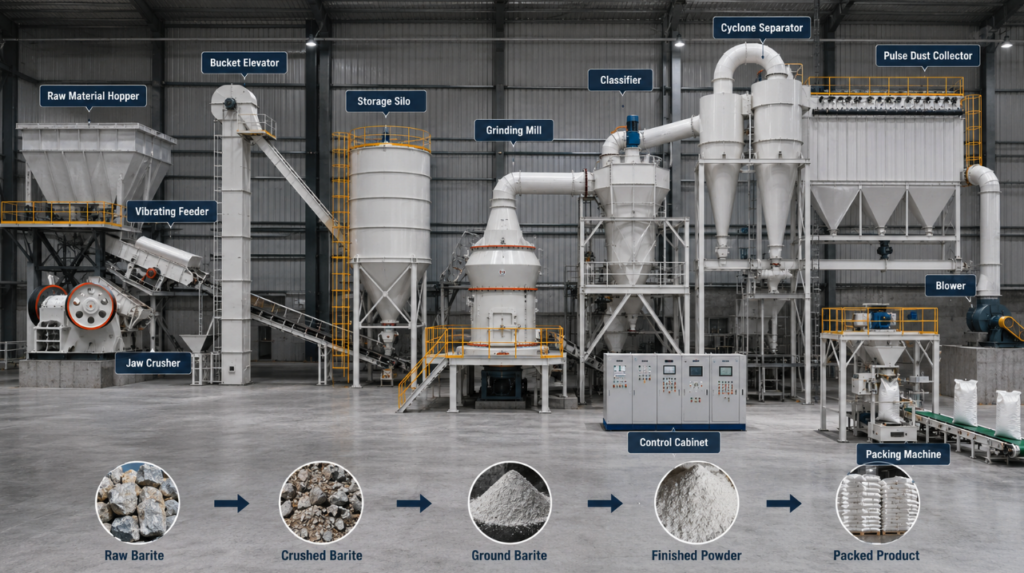
Nine times out of ten, customers invest money in barite mills to make advanced oil well drilling mud weighting agents. If you want to enter this lucrative circle, the powder you grind must stick to the API 13A standard.
What does this mean for the device? It means accuracy is not negotiable. The mill must produce 200 or 325 purpose powder steadily. Moreover, the value of barite is in its weight, the whole grinding process must not have impurity pollution, the proportion must be stuck above 4.20. Those cheap machines that do not pass the classification technology, grinding out uneven powder thickness, used on the drilling platform often lead to serious blowout accidents. To put it bluntly, based on my years of selection experience, choosing a machine that has been specially adjusted for these hard indicators is the basis for you to make money for a long time in the future.
After managing so many on-site projects, I found that matching your output target (tons/hour) with the corresponding milling technology is the secret to getting the return on investment. Based on the previous conclusion, you should choose:
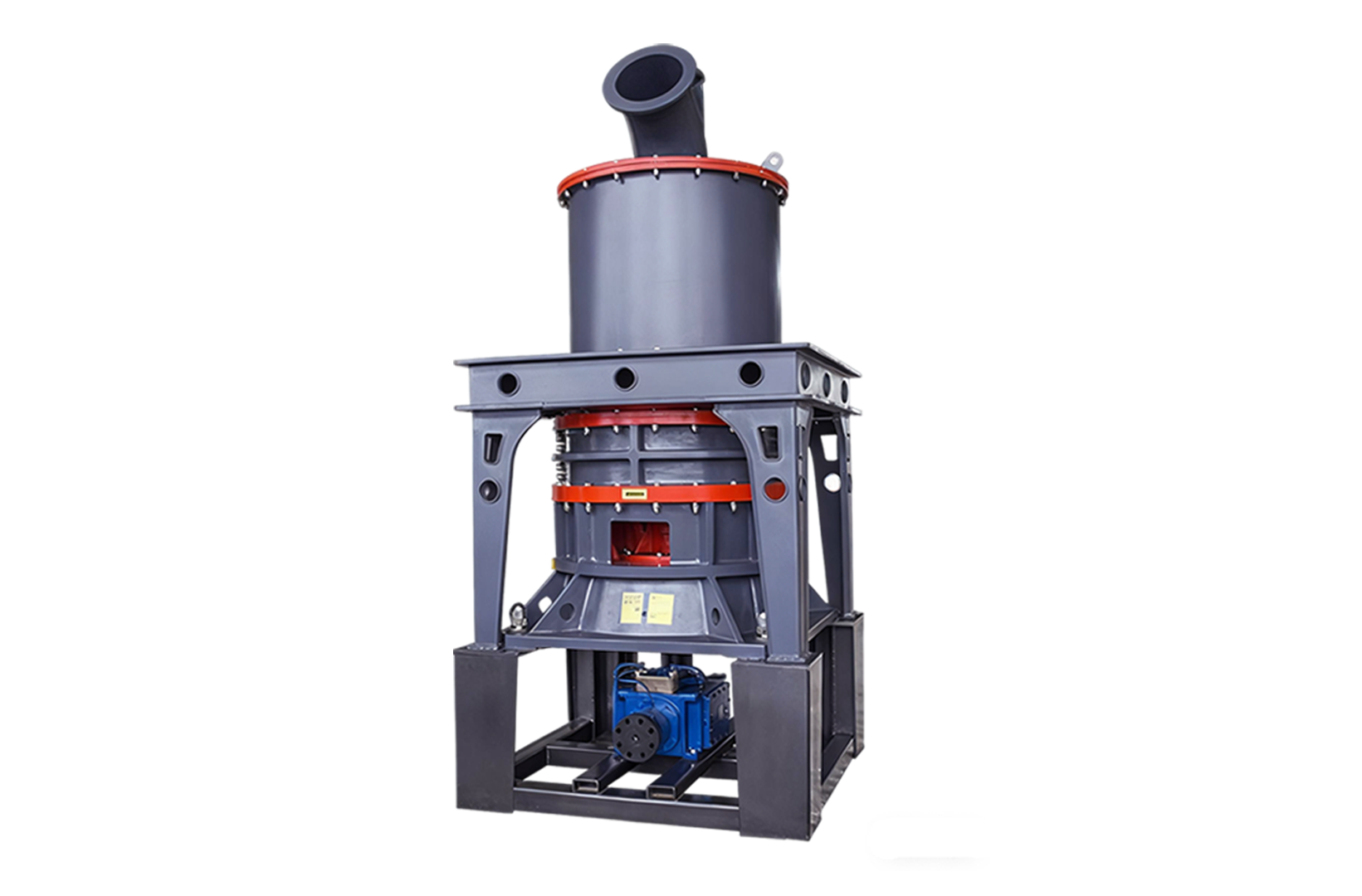
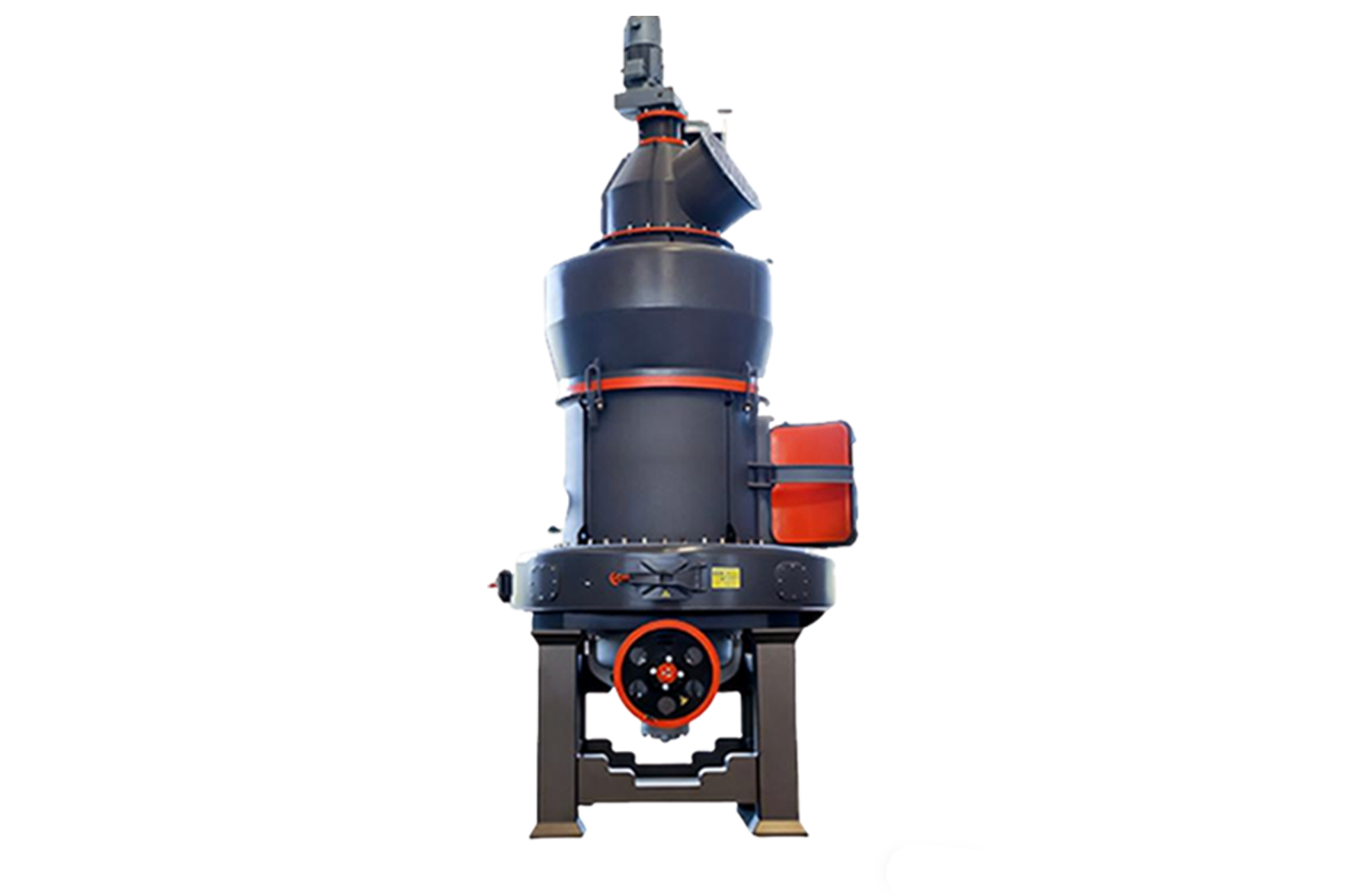
For the vast majority of medium-sized processing plants, Raymung mill is still the most mature and cost-effective barite mill on the market. If your target output is between 3 and 20 tons per hour, a well-tuned Raymondmill is definitely the perfect balance. Compared with large systems, it costs less, occupies a small area, and can steadily meet the requirements of 200 to 325 purposes. The structure of this machine is mature, the operator is very fast, and the speed of investment return is naturally raised.
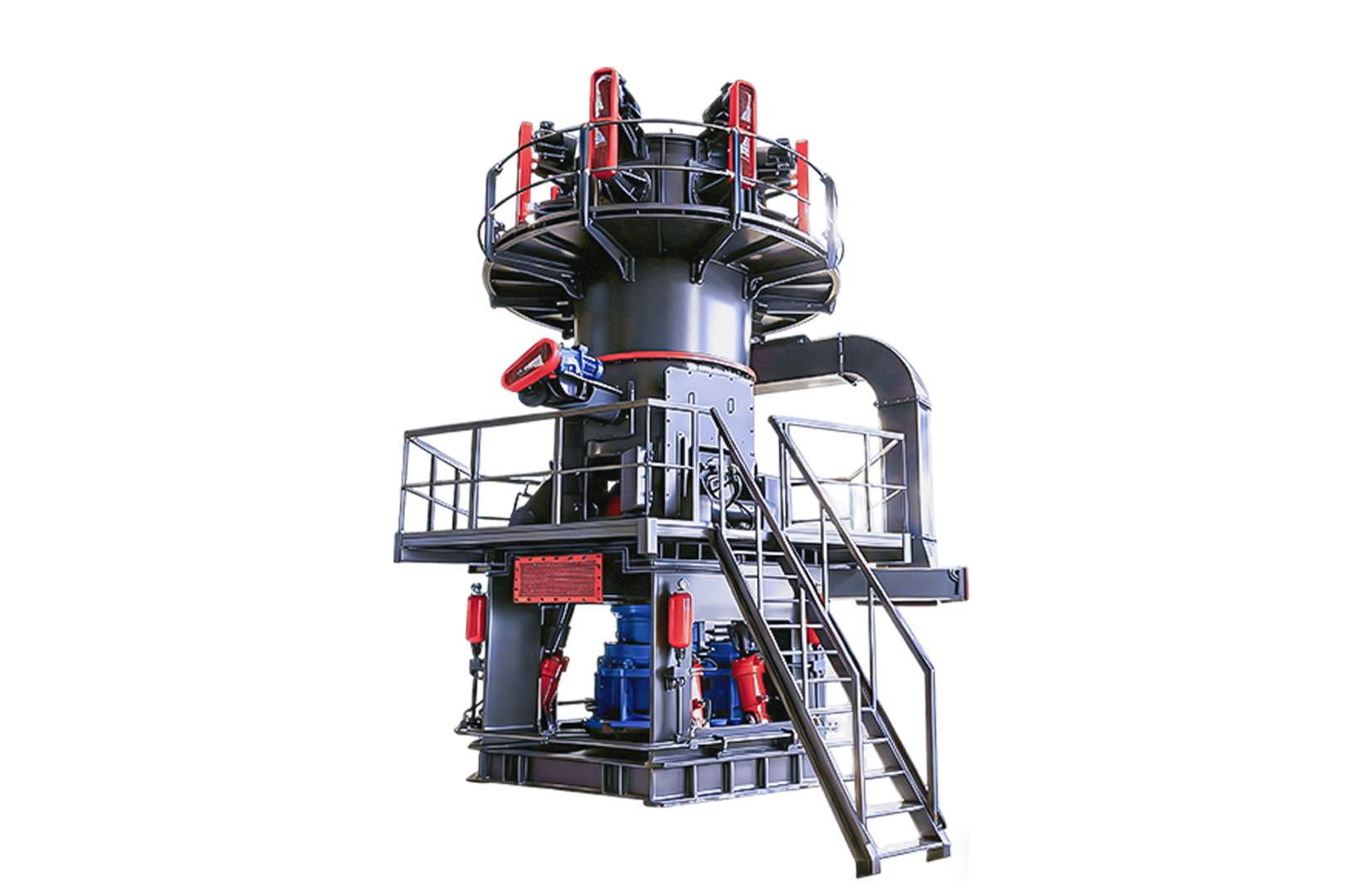
If you directly plan to build a super-large processing plant to supply national oil companies, the vertical mill (VRM) will not run away. When dealing with high-yield tasks of more than 20 tons per hour, the vertical mill can throw the traditional mill several blocks. It integrates crushing, drying, grinding and grading in an automated system. Although it is really expensive to buy a machine at the beginning, the vertical mill can reduce the electricity bill per ton of powder by a large amount. If you calculate the general ledger, it is definitely the most economical solution for mass production of weighting agents.
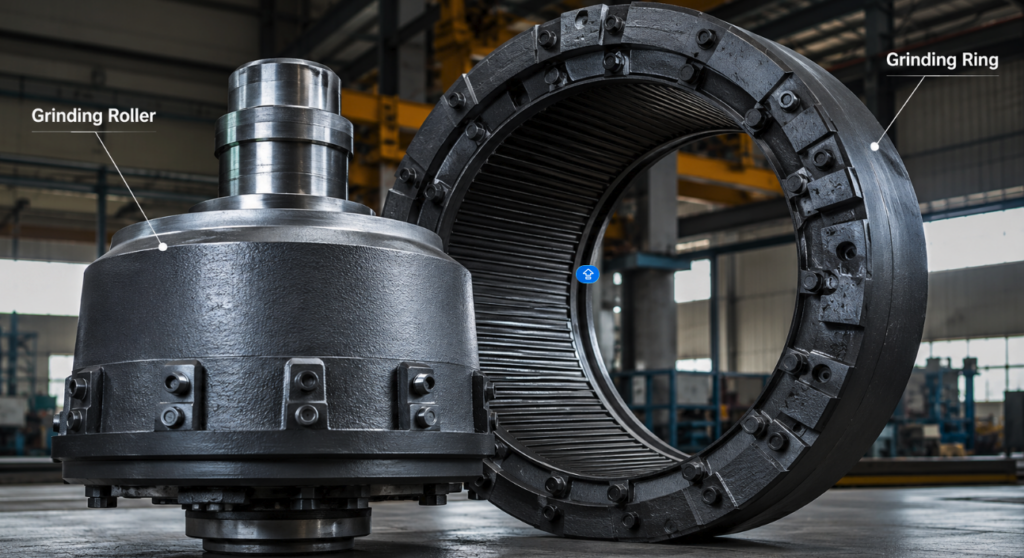
The biggest hole that many purchasing managers fall into is the machine that depends solely on whose price is low. The 1 sentence must be reminded: barite is an extremely dense thing, and it wears out the machine quite a bit.
Buy a bargain, the heavy barite can gnaw all the ordinary accessories in your machine in a few days. As soon as you start the machine, you will know what the real cost is.
At the end of the day, in order to make your weighting agent production stable and profitable without taking risks, you are not only buying a 1 pile of steel, you are buying a machine that can keep going without any problems.
This is why I always strongly advise customers to cooperate directly with the original factory instead of looking for middlemen. Reliable manufacturers can directly 1 you a complete turnkey solution-from customizing the plant layout according to your specific barite mine to sending someone to do professional global installation and commissioning.
The most terrible thing is that the original factory can ensure that you have spare parts to change at any time. In the mining industry, an hour’s machine stop is a loss of thousands of dollars. Finding a supplier who can deliver wear-resistant grinding rollers immediately and technical support on call is the only guarantee for you to minimize downtime. Don’t just look at the lowest label price, put the reliability of the 1 package first, your barite mill can get the highest long-term return on investment.
Author: David
I have managed dozens of grinding plant installations worldwide. I specialize in helping B2B clients and plant managers choose the right equipment to hit strict industry standards—like API 13A for barite—while keeping operational costs low. Having seen what works and what fails on the factory floor, my goal is to share practical, field-tested advice that protects your investment and maximizes your plant’s long-term profitability.