 Clirik





Search
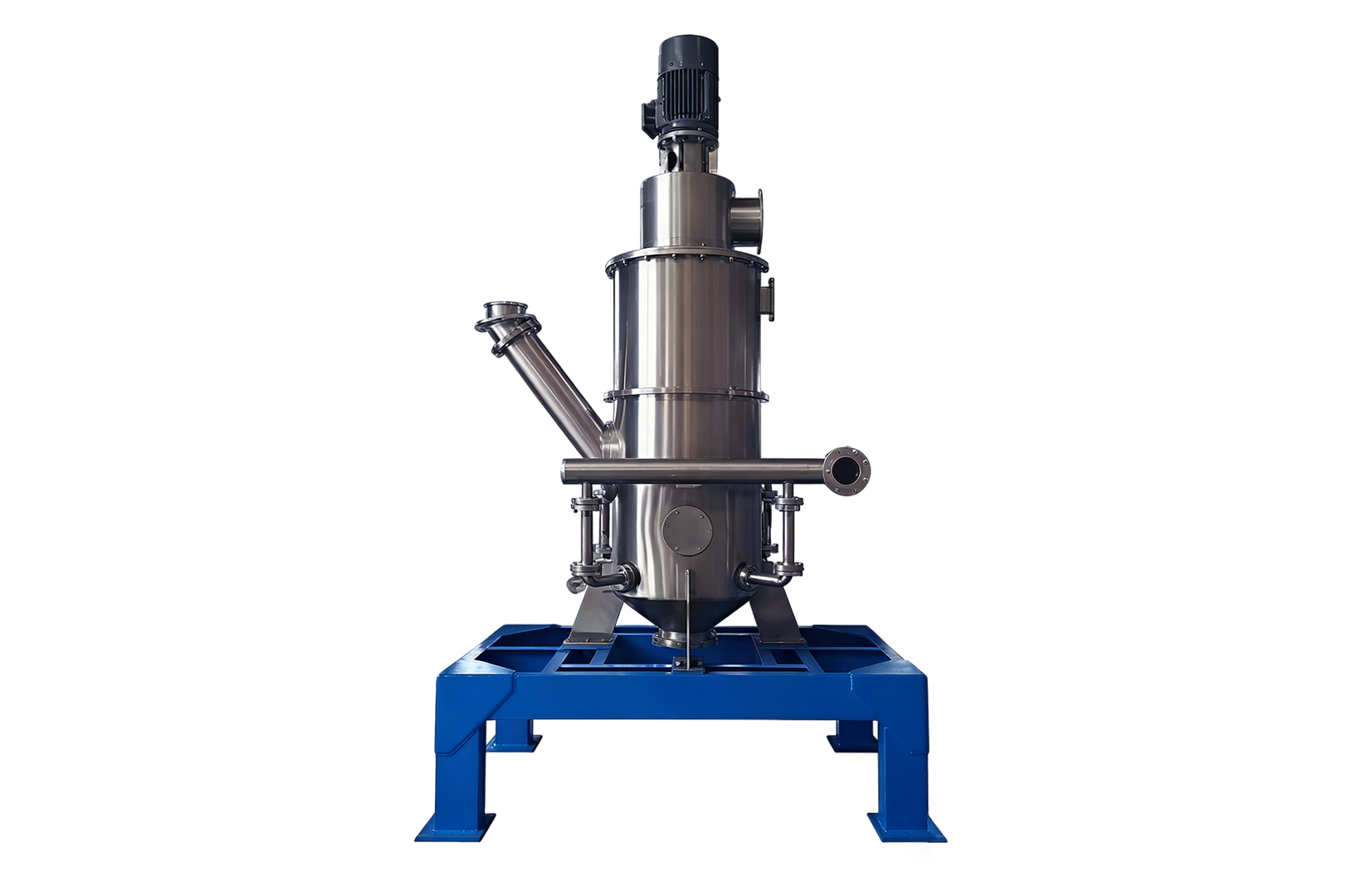
The key to achieving high-quality diatomaceous earth processing is actually all in “flexible deagglomeration and precise grading”, and the destructive strong physical grinding is absolutely unacceptable. This thing called diatomaceous earth has a lot of fragile siliceous microporous skeletons mixed with very hard silica. If it were ground using traditional high-strength methods, its core commercial value of high porosity and low bulk density would be completely destroyed. Therefore, the optimal process selection must be fluidized bed air flow grinding lined with wear-resistant ceramics, or air classification grinding with variable frequency dynamic classification wheel. This special machine configuration can keep the particle size distribution stuck in the range of 10-45 microns, so that its adsorption performance as a high-level filter aid or functional filler is perfectly preserved. In addition, a closed-circuit cyclone dust removal system is necessary. It can not only cut off more than 60% of the equipment maintenance costs caused by high abrasiveness, but also completely solve the life-threatening safety hazard of free crystalline silicon dust leakage, allowing the production line to safely pass the environmental protection level.
In order to help mining company owners and powder equipment procurement decision-makers avoid taking detours, I have combined my practical experience in production line design and optimization over the years to break down the hard-core technical details of “Grinding And Milling Diatomaceous Earth” and tell you about them.
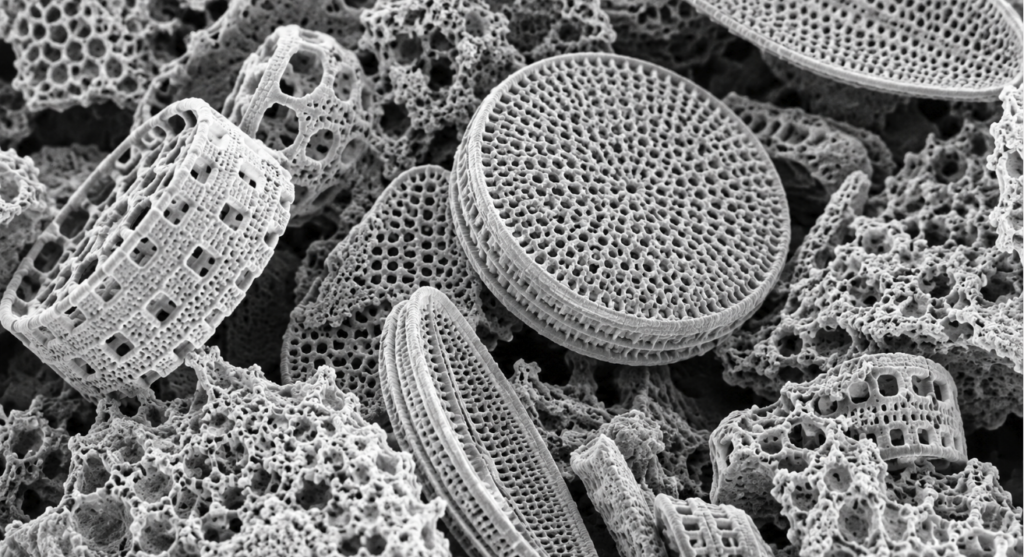
When working on Grinding And Milling Diatomaceous Earth, the biggest mistake many factory directors make is treating it like ordinary limestone or quartz. The true commercial value of diatomaceous earth lies entirely in its microscopic fossil skeleton.
These intricate, honeycomb-like silicon microporous structures give this thing an incredibly high porosity and extremely low bulk density. If you go straight to one of those extremely destructive physical grinds, these fragile structures simply crumble into useless solid silica fume, which is like throwing money away.
Instead, our process must be kept to a close “flexible depolymerization”. To put it bluntly, it is to use airflow and directional kinetic energy to gently break up the agglomerated particles instead of crushing individual diatoms. As long as we don’t use that brute force, we can preserve the microscopic pores that downstream industries are scrambling for.
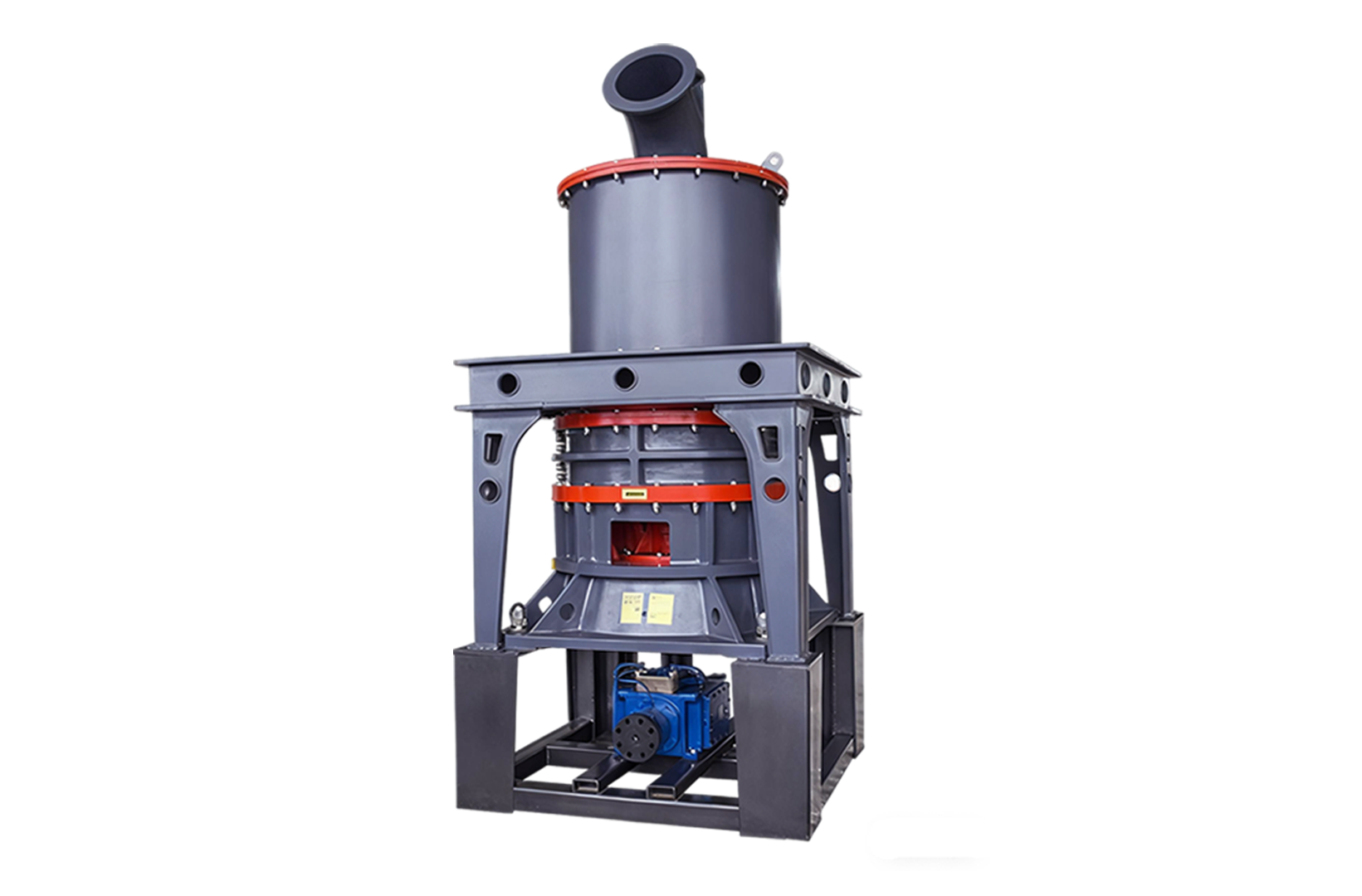
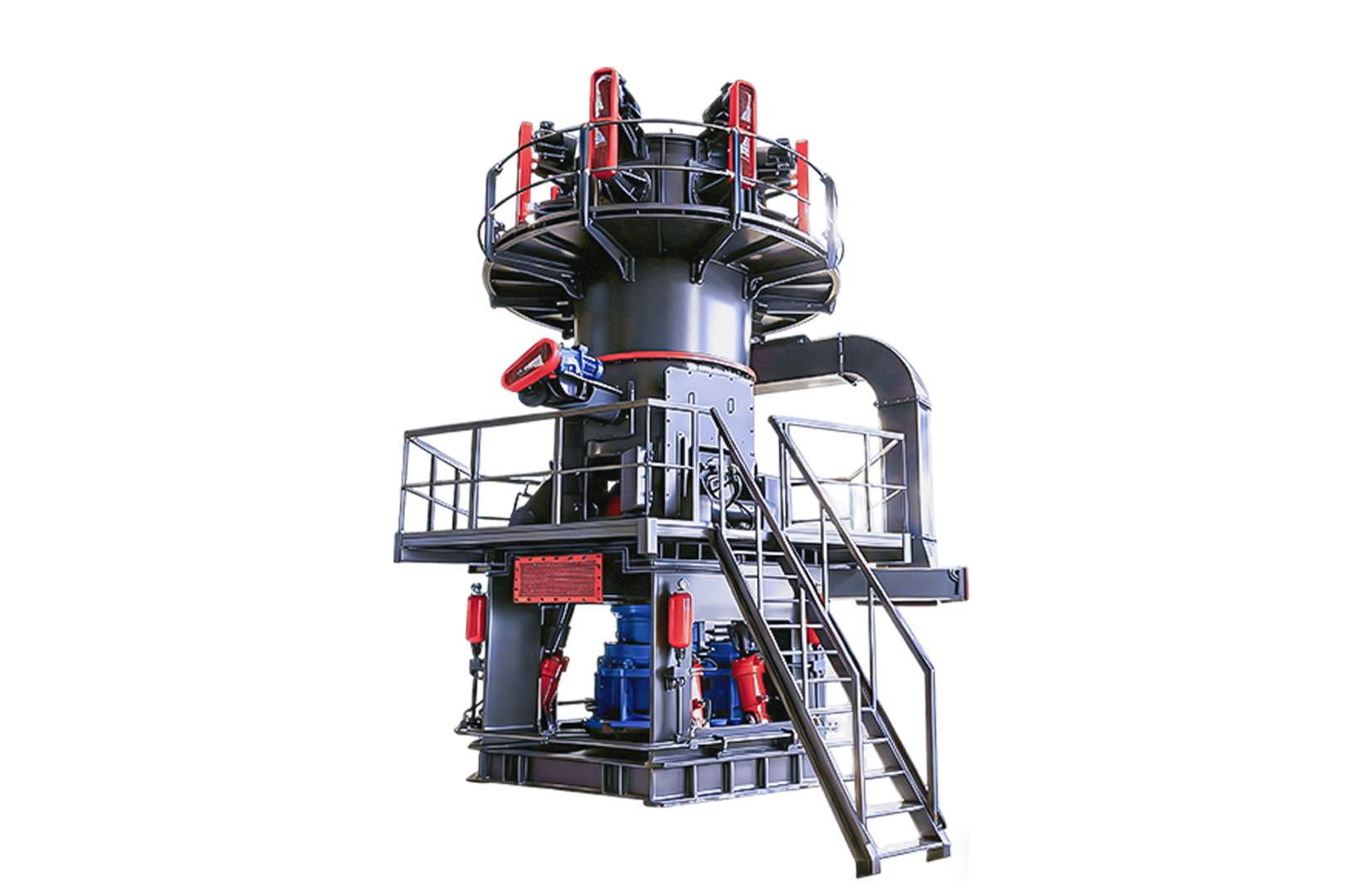
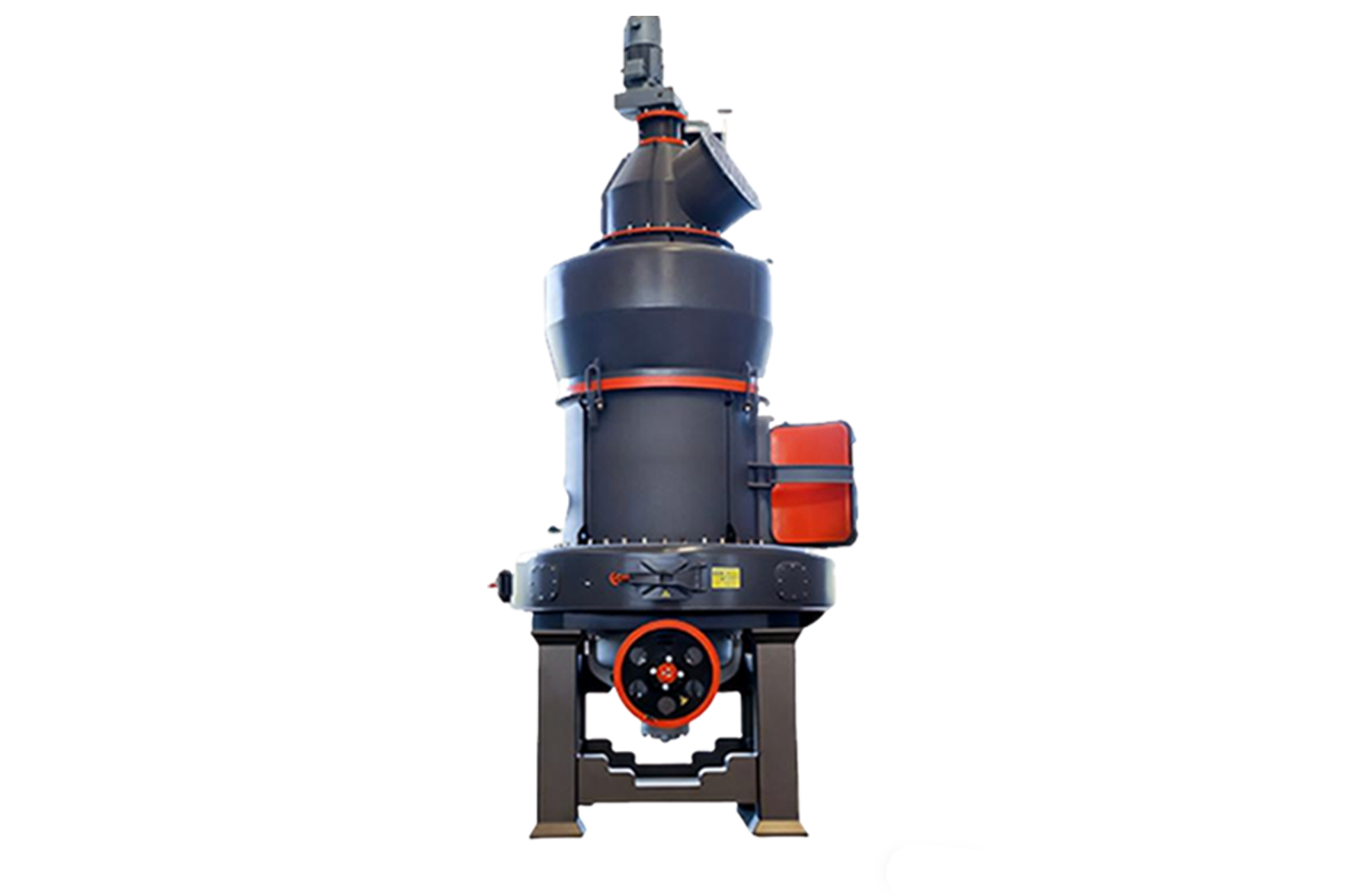
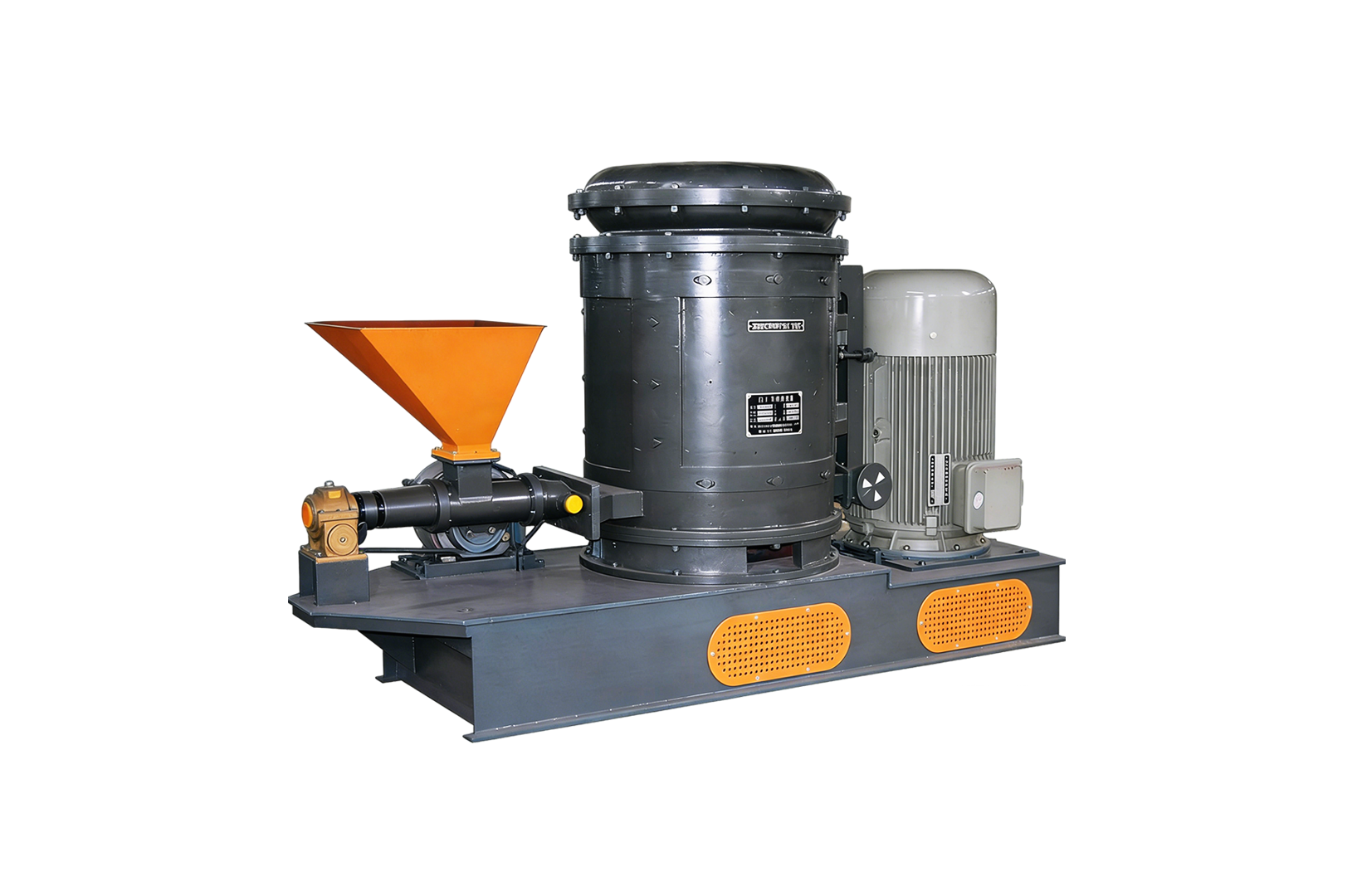
Diatomite contains a lot of high-hardness silica, which is extremely abrasive. So choosing the right grinding equipment is not only about the quality of the powder, but also determines your long-term operating costs. Based on my engineering experience, there are actually two ideal options on the market for this specific application:
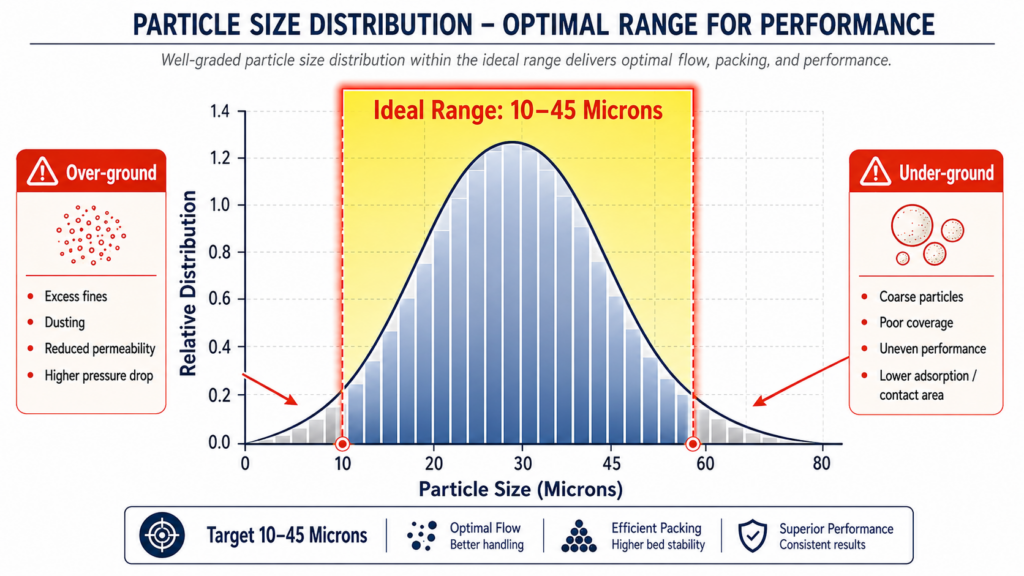
The ultimate goal of Grinding And Milling Diatomaceous Earth is to create a powder that can perform perfectly in terminal applications. Whether the final product is used as a high-grade filter aid or as a functional filler, its physical dimensions must be tightly locked together.
With the specialized configuration of the air mill or ACM mentioned above, the operator is fully capable of precise grading. This technology allows us to strictly control the particle size distribution in the golden range of 10-45 microns.
Why does it have to be this range? Because the particles of 10-45 microns are retained, the material can be maintained at the optimal liquid flow rate while providing maximum adsorption performance. If it is over-ground, below this range, it will be blocked when filtering; if it is not ground enough, the surface area is not large enough, and the adsorption effect will be greatly reduced.
Grinding And Milling Diatomaceous Earth is definitely not just about making powder, it is also about how to protect your equipment and front-line workers. Silica’s high abrasiveness can wear through a standard grinding system in a matter of weeks, causing catastrophic downtime.
To deal with this, the entire grinding system must be tied to the closed-circuit cyclone dust removal system. This set of devices can solve two fatal problems: