 Clirik






Search
Don’t be fooled by the fact that both batches of material might be called “limestone”; their performance when they enter the mill often varies greatly. The dolomite, silica, iron impurities and moisture content carried in the raw ore will actually affect the wear level of the machine, the whiteness of the finished product, and even directly determine the actual production capacity and purity. When choosing equipment, many people habitually treat the Limestone Grinding Machine as a type of equipment with constant production capacity “dead equipment”, which completely deviates from the essence of selection: what truly determines which equipment to use is always your raw material temperament and the final desired powder index.
There are many ways to grind limestone powder, which can be used for building materials, cement, power plant desulfurization or filler. However, each industry has its own set of hard indicators for powder particle size, chemical composition, moisture, activity and whiteness. The powder ground from natural limestone is not the same as quicklime calcined at high temperature or precipitated calcium carbonate. If you don’t even know who the final product will be sold to or what it will be used for, it’s actually meaningless to just stare at what the machine is called or how much production is written on the nameplate.
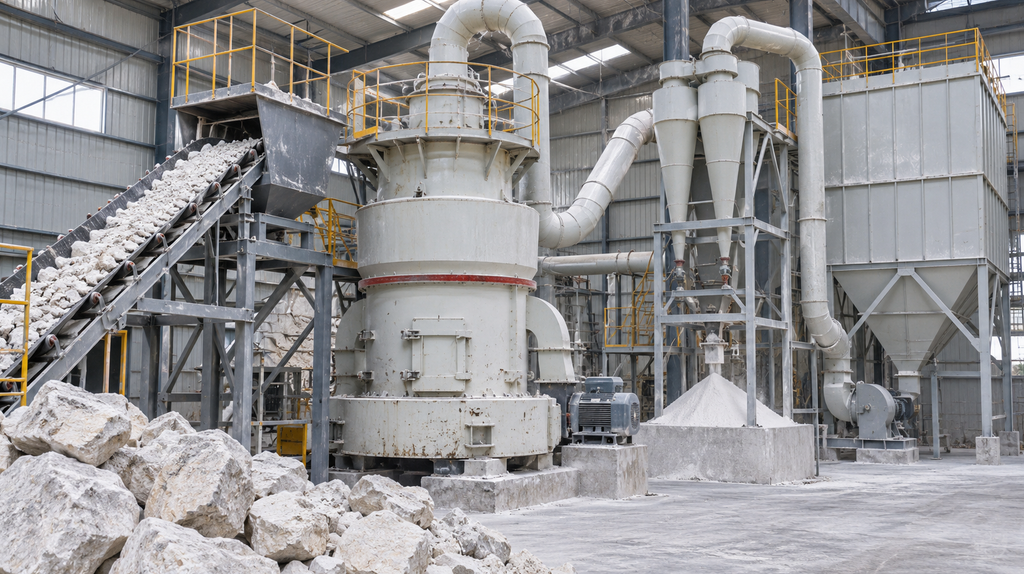
Although limestone is mainly composed of calcium carbonate, it is by no means a one-size-fits-all standard. In addition to chemical composition, the size of the feed blocks, how the particle size is distributed, moisture content, hardness, and abrasiveness all affect the overall equipment. Large stones must first be crushed by the crusher “gnawing” to a size that the mill can “eat”, and then it is the grinding process to control the fineness. A crusher that can crush large stones will definitely not produce fine powder; similarly, a Limestone Milling Machine that can produce fine powder will not be able to directly swallow large stones that have not been crushed.
If the material is too wet, or if downstream customers are struggling with the extremely low moisture content of the finished powder, then you must add a drying process to your system. Moreover, even if the material is slightly dry, it doesn’t mean you can just close your eyes and copy the design of a ready-made hot air furnace. The hardness and abrasiveness of the ore changed slightly, and the output, power consumption, and how long the fragile parts could be carried by the mill immediately changed dramatically. If we directly apply the operating data of other limestone mines simply because the ore names are the same, we are ignoring the differences in raw material conditions. Especially the boss who makes high-white and high-purity powder must pay close attention to the iron, silicon dioxide and dolomite in the ore: grinding the powder can only make the particles smaller, but it cannot make these impurities disappear out of thin air. Any pretreatment method must be tailored to the substrate and product requirements of your own ore.
I went to talk to the manufacturer about the finished product “how many grains”, and it sounded like I was pretty knowledgeable, but it didn’t tell me how many coarse particles were mixed into the powder and how much very fine powder was entrained. If you really know what’s going on, indicators like d50, d97, top cut particle size, and sieve residue are the hard currency for measuring different dimensions of powder. Therefore, even if both companies provide the same “number of mesh” on their plans, the final dried particle size distribution may be completely different. Especially the further you move towards ultrafine powder, the greater the impact on the final result will be on the classifier’s efficiency, cycle load, power consumption, wear, and even the fact that the powder will not clump together. When the manufacturer pats their chest to ensure how fine the machine can be, you must ask clearly: How was this measured?
When the testing methods are changed, the value behind the data changes. For example, some powders are easily damp and clump together. If you use dry sieving to go through the sieving process, it is easy to misjudge the clumped fine powder as coarse particles. This is completely different from asking you “whether the mill actually grinds the original particles finely enough”. Only by standardizing the particle size measuring ruler can you fairly judge whether different Limestone Grinding Mills are working at the same starting line. Take desulfurization powder as an example. Is the final product dry powder or slurry? Is the reaction activity sufficient? These all need to be perfectly aligned with your choice of dry, semi-dry, or wet process. The special requirements of direct spraying systems cannot be blindly applied to all grinding systems.
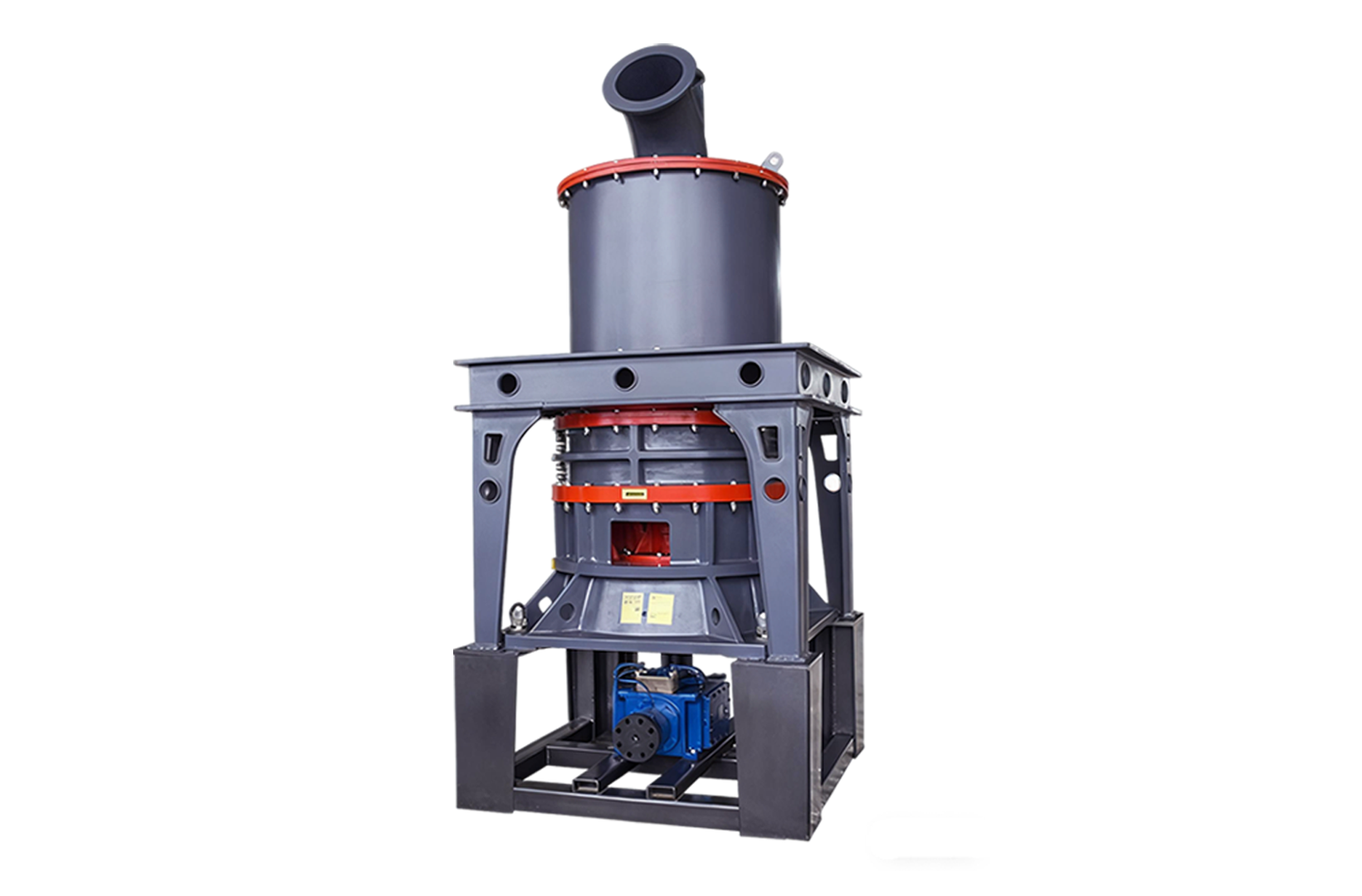
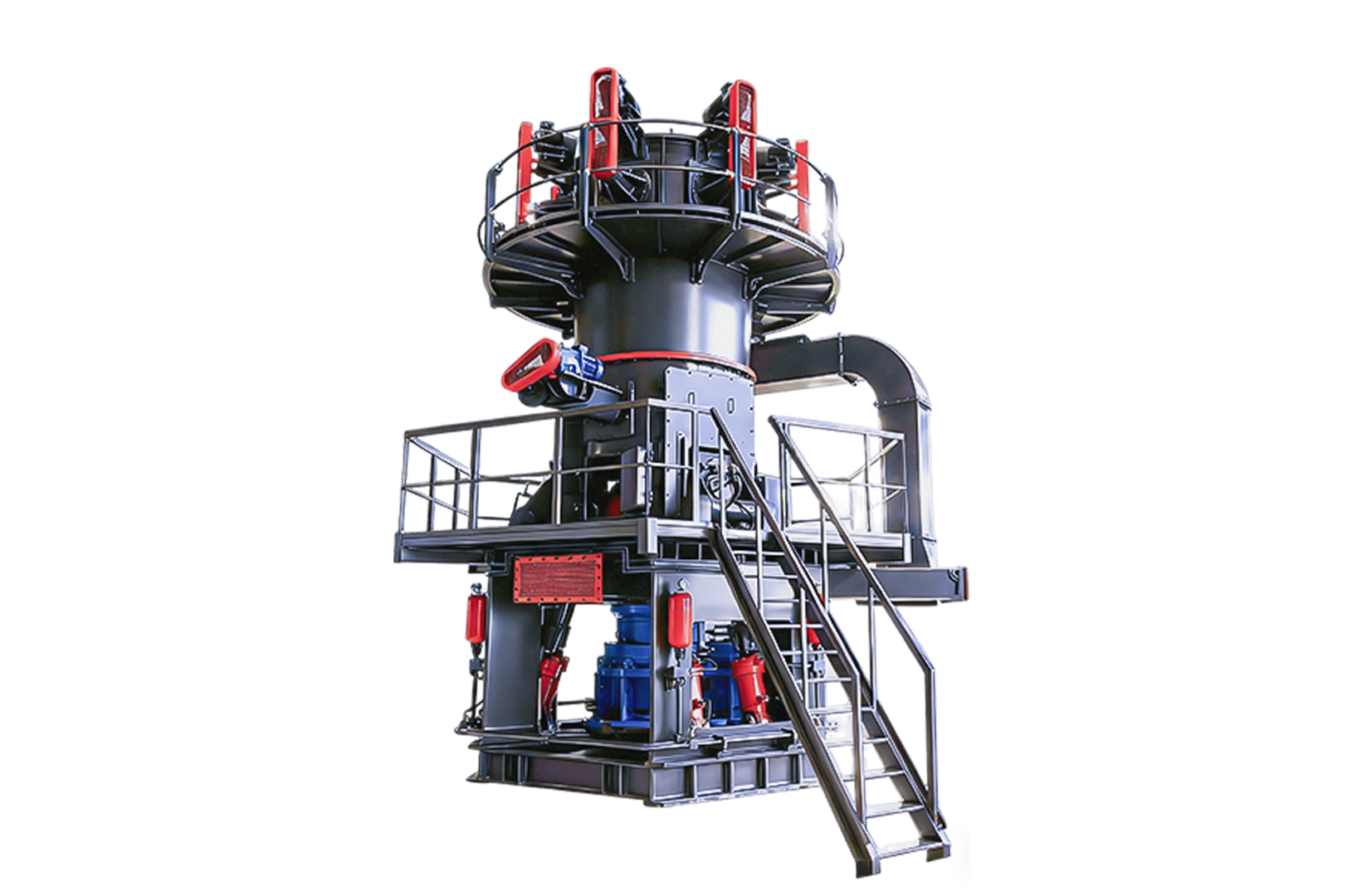
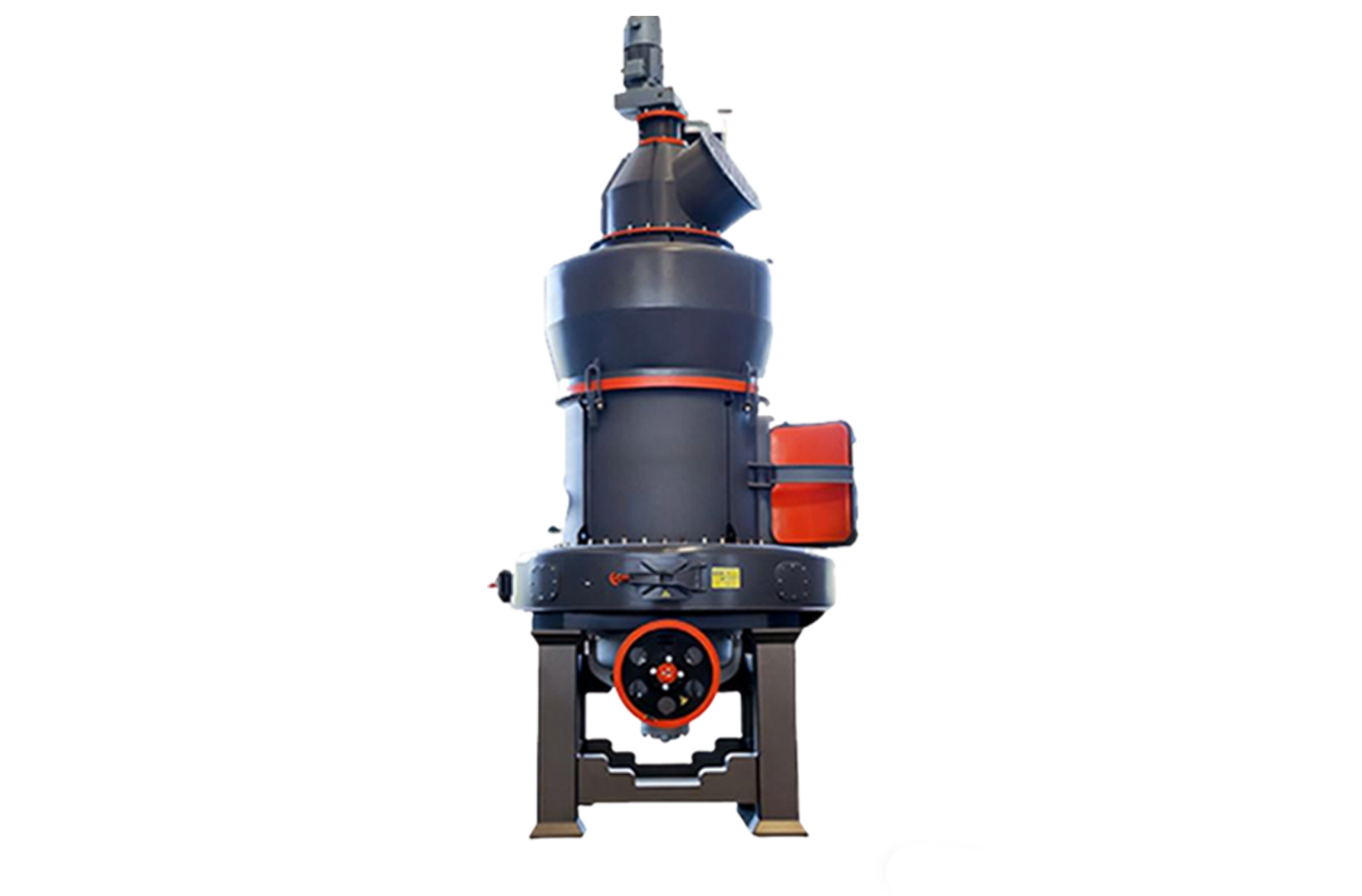
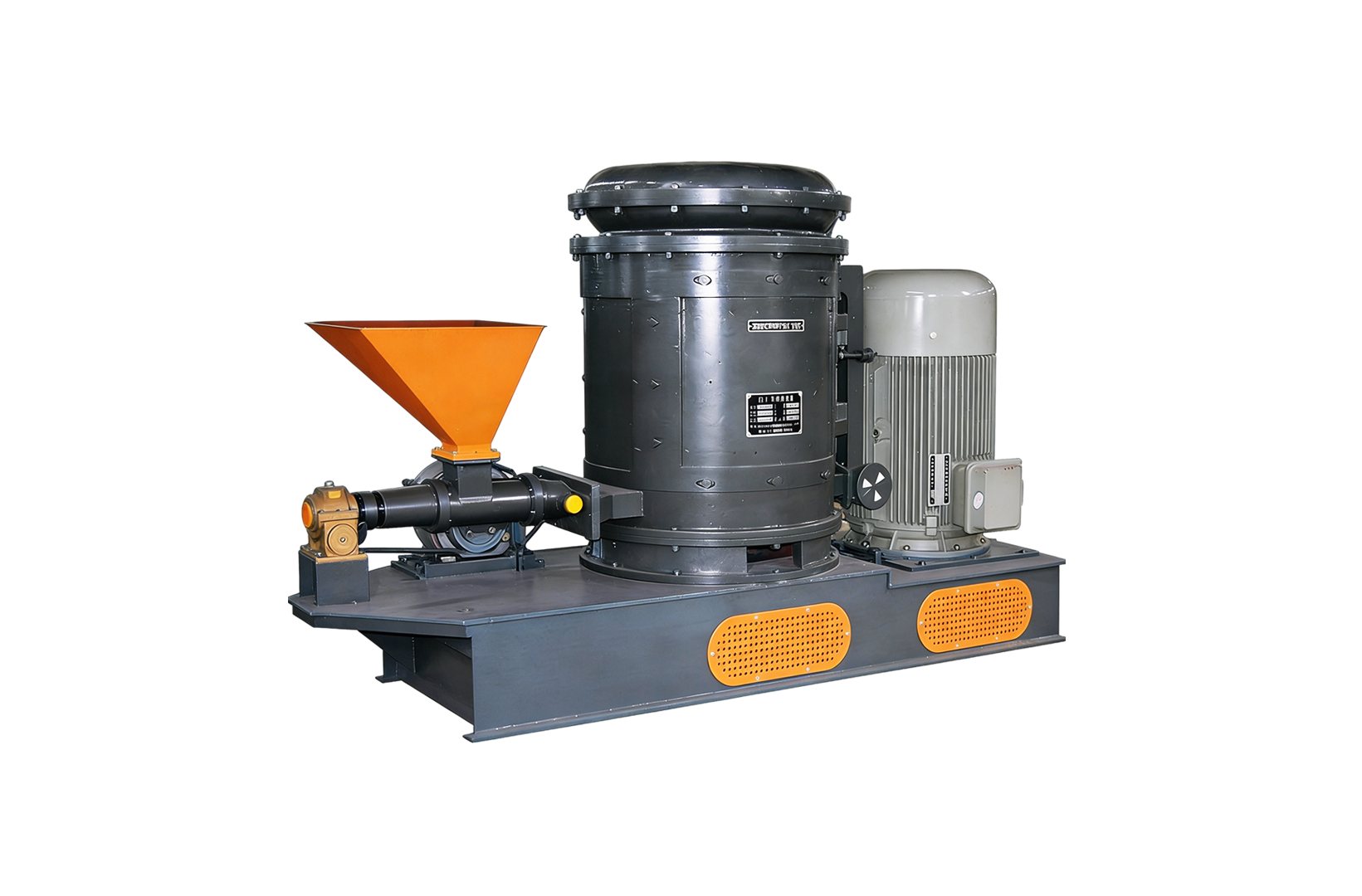
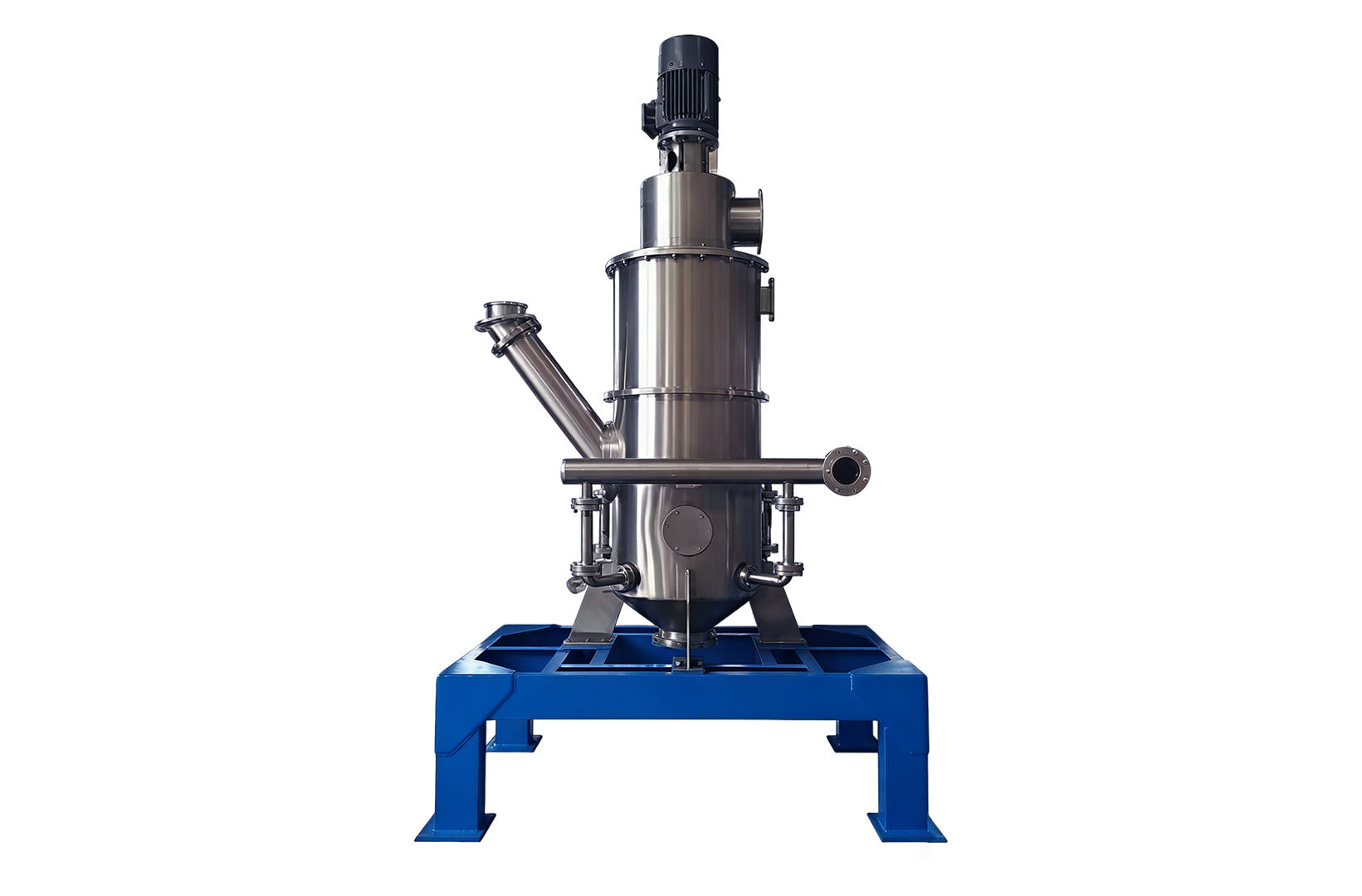
Assuming you only want to make regular fine powder with airflow grading, a Raymond mill or ring roller mill is perfectly capable of doing the job. If the project requires continuous grinding and grading, and the raw materials also need to be dried with water, then vertical roller mills will have to be put on the agenda. If you are more ambitious and want to make finer limestone powder and require extremely narrow particle size distribution, then don’t think too much about it and just look at ultrafine vertical grinding or micro powder grinding. Distinguishing these major categories can help you narrow down your choices; however, to truly determine the specific fineness, yield, and wear, you still need to look at the final model and the true texture of the limestone you have. Take Clirik’s (Clirik) product line, for example, which includes the improved CLRM Raymond mill, CLUM ultrafine vertical roller mill, and HGM ultrafine mill. These code names represent completely different process routes, and are by no means a verbal promise of a universal yield or fineness to all limestone mines in the world.
The “grinding mill” we often talk about sometimes refers only to the main machine, while other times it covers the entire system from feeding to dust collection. After the stone is ground, the grading machine will pick out the qualified fine powder and block back all the unqualified coarse materials. In a closed-loop cycle, these coarse materials must also fall back into the mill “return to the furnace”. This means that the fans, dust collectors and conveying equipment equipped in the system all affect the powder recovery rate and the operation of the entire line in a real way. The power of the main machine is at best a single parameter, while the production capacity of the entire production line must be taken into account in terms of grading and dust collection. If we peel these two data away to isolate and compare them, it is impossible to explain how much powder this system can produce.
Ultimately, if you want to compare production capacity and energy consumption data, the prerequisites must be: the feeding conditions are exactly the same, the target fineness is completely equal, and the defined system boundaries must also be consistent. No matter how impressive the data others come up with on other projects, as long as the ore changes, the moisture content changes, the fineness definition changes, or the scope of the supporting equipment is different, then this data cannot be used to verify the true strength of another limestone grinding equipment.