 Clirik





Search
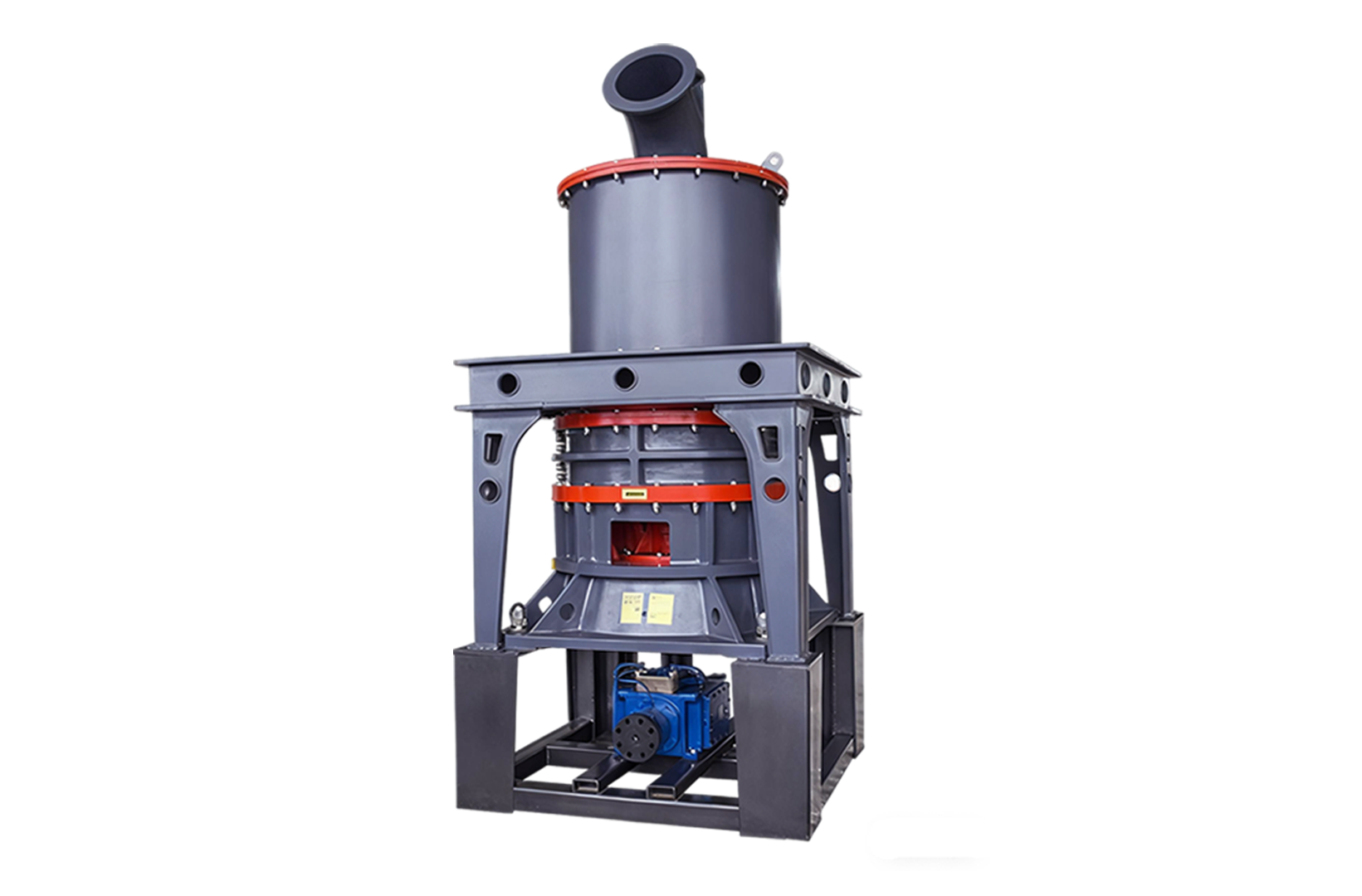
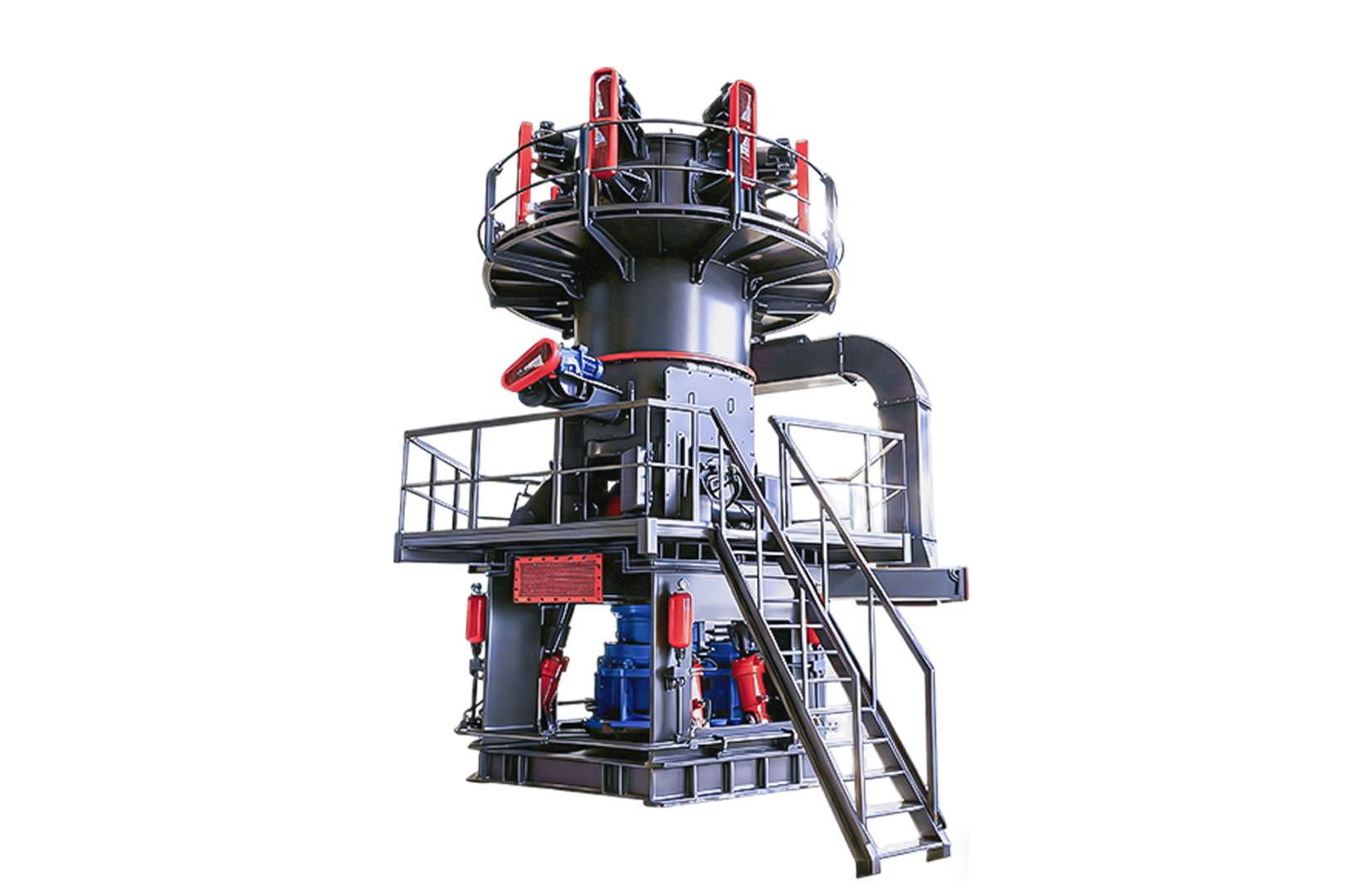
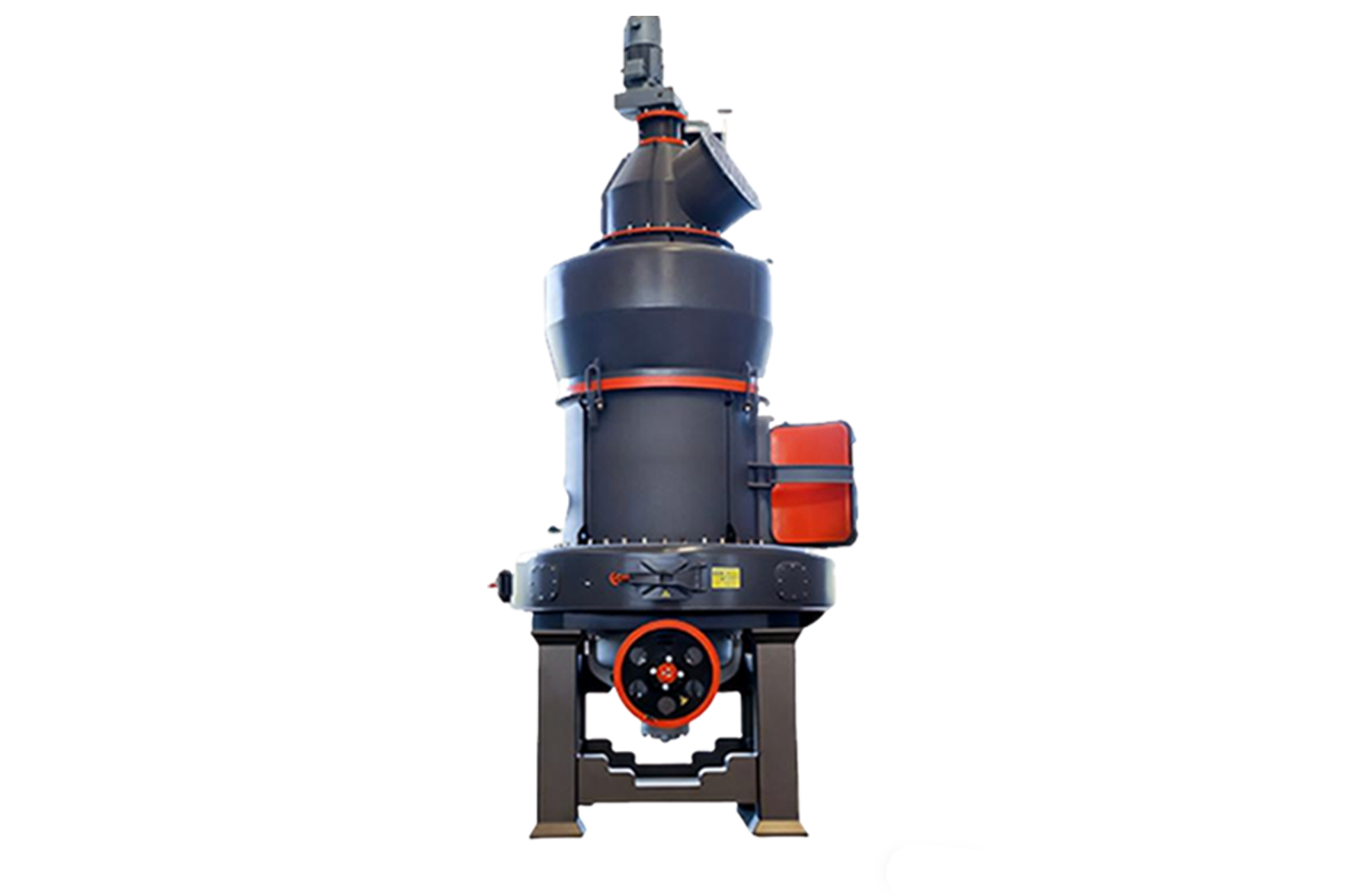
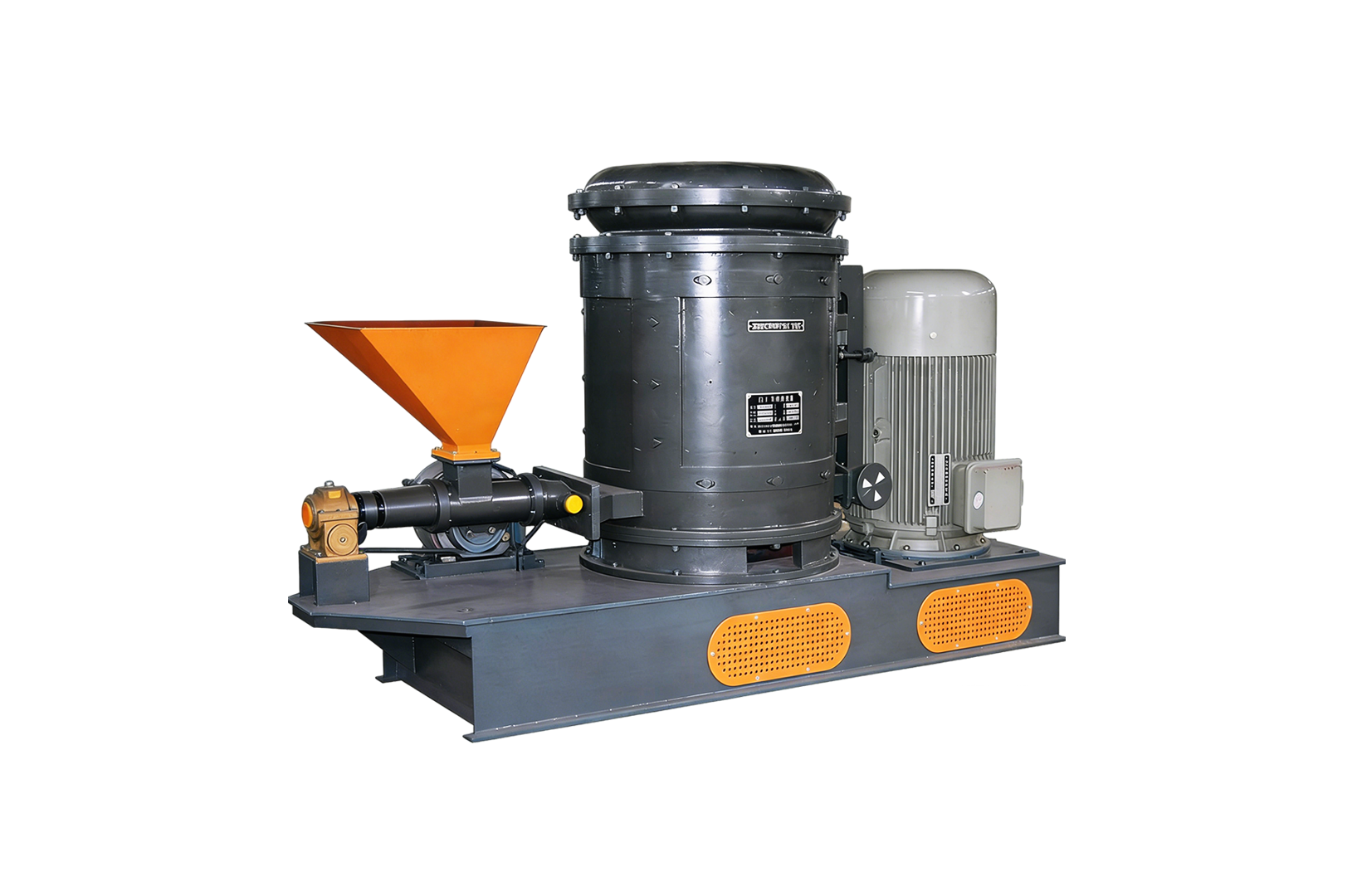
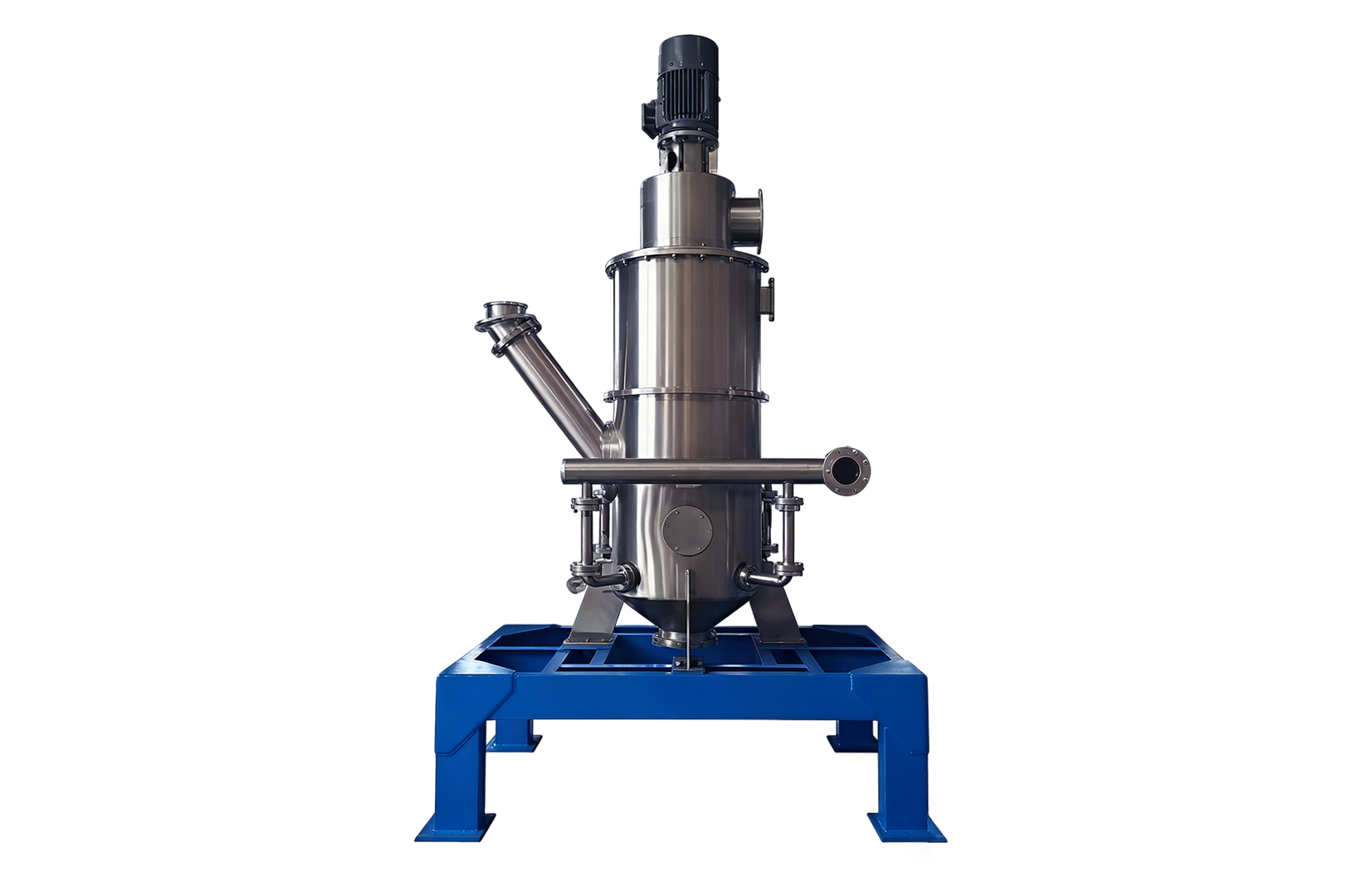
In dry powder processing, the air classifier mill integrates fine pulverization and air classification into a single device, typically consisting of an impact pulverization unit, a dynamic air classifier, and an airflow conveying and collection system. Its core function is very direct: first, the particle size is reduced by mechanical impact, and then the fine powder and coarse powder are separated according to the action of the airflow field and the grading rotor. In the English context, this type of equipment has several similar spellings. air classifying mill and its plural form air classifying mills are often used to describe impact crushing equipment with built-in air classification function. air classifying mill machine further emphasizes that it is a complete and independent machine, and air classifier mills is also a common expression on the market. ACM grinding mill is also a common name, usually referring to a mechanical impact crusher with a dynamic air classifier. Its core features are its integrated crushing and grading, adjustable cutting point, and coarse powder return. It is worth noting that the air classifier that appears alone can refer to an external air classifier. Judging solely by the name, it is easy to mistake an external classifier for an air classifier mill.
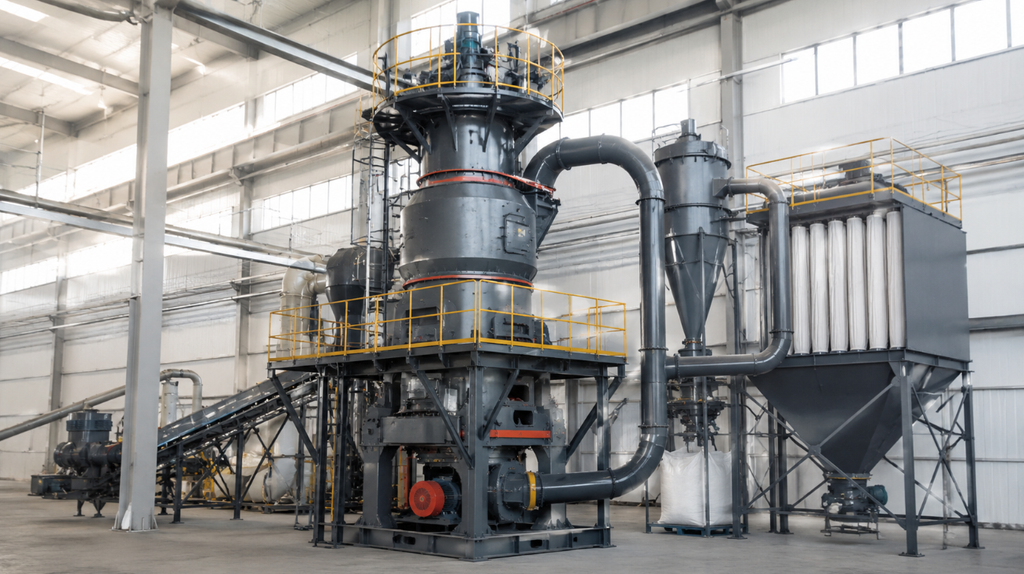
The material is fed into the crushing chamber by the metering feeding device. The impact element on the rotor accelerates the particles and collides with the impact element, liner or grinding rail, reducing the particle size under the action of impact and shear. The air flow then brings the crushed material into the classification area. The centrifugal effect generated by the rotation of the classification wheel and the drag effect of the air flow jointly affect the particle movement. Fine particles that have reached the separation conditions pass through the classification wheel and become products, while coarser particles are blocked back to the crushing area for further processing. The speed of the grading wheel, the amount of gas processed, and the speed of the crushing rotor will together change the separation particle size, the cyclic load, and the product particle size distribution. The equipment can operate using open-circuit or closed-circuit systems, which typically also include fans, cyclone separators or filters, conveying lines, dust removal and control systems.
The main structure of the main machine generally includes the feed port, crushing rotor, impact element, liner or grinding rail, grading wheel, guide component, air flow channel, drive motor and finished product outlet. Complete systems are often also equipped with metering feeders, fans, filters, cyclone separators, air locks, metal separators, control cabinets, and inert gas or safety protection devices. For different materials and applications, the equipment design can adopt coaxial rotor, graded wheel direct drive, easy-to-clean structure, wear-resistant structure, stainless steel structure or pressure impact protection structure. Product contact parts should also be selected based on material abrasiveness, pollution limits, cleaning requirements, and corrosiveness.
Air Classifier Mill can be used in dry fine crushing applications such as minerals, chemical powders, powder coatings, food, medicine, and cosmetics. Common mineral applications include talc, kaolin, calcium sulfate, bauxite, and limestone. These examples can help understand the applicable direction of the equipment, but they cannot replace testing and model confirmation of specific materials. Materials that are temperature-sensitive, easily adhered, strongly abrasive, flammable, or pollution-sensitive need to be selected for their corresponding cooling, wear-resistant, cleaning, material, and explosion-proof configurations. Fineness, production capacity, temperature rise, and energy consumption must all be determined by the materials, feeding conditions, equipment configuration, gas volume, speed, and detection method, and cannot be directly derived from the equipment name.
Air staged mills mainly rely on mechanical impact elements to complete crushing, while fluidized bed jet mills mainly rely on high-speed collisions between particles. Usually, there are no mechanical crushing tools, and the two cannot be processed by the same equipment. A separate air classifier is only responsible for particle size separation and needs to form a system with external crushing equipment such as ball mills, roller mills, hammer mills, etc. The air classifier integrates crushing and classification into the same main machine. The “mill”, “pulverizer”, and “classifier mill” in the equipment name cannot independently prove the structure, fineness, production capacity, or applicable materials. Ultimately, the technical documentation for the specific model must be used as the basis.