 Clirik



Search
Compare the HGM and CLUM dry-grinding series by feed size, target fineness and mineral application before requesting a configuration. Share your ore, moisture, feed grading, target particle-size distribution and required throughput so the mill and classifier can be assessed together. The published figures below describe series or model-specific conditions; they are not a promise that every feed and fineness combination will deliver the same capacity.
Discuss a mill configurationCompare products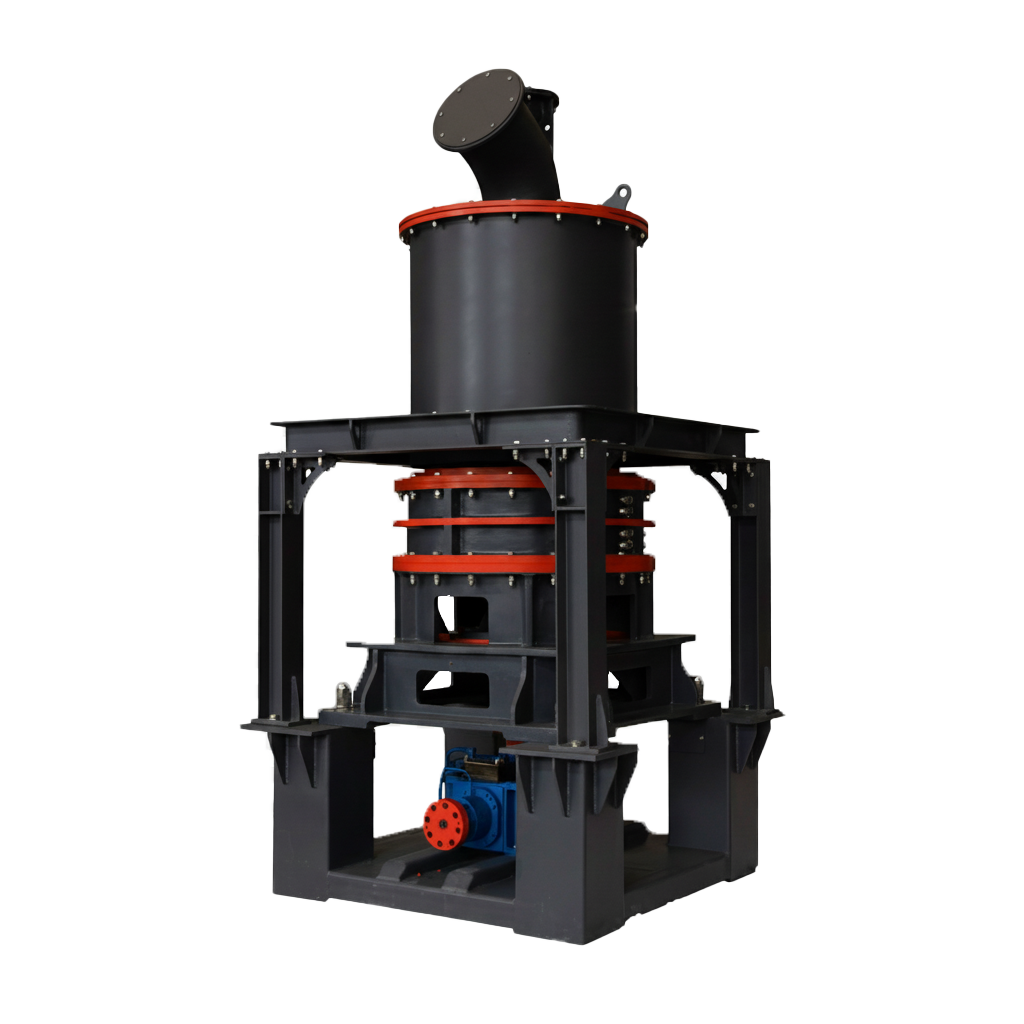
These are the two clirik product families supplied for this category page. Published ranges are selection starting points; confirm the exact model, material and target fineness with the manufacturer.
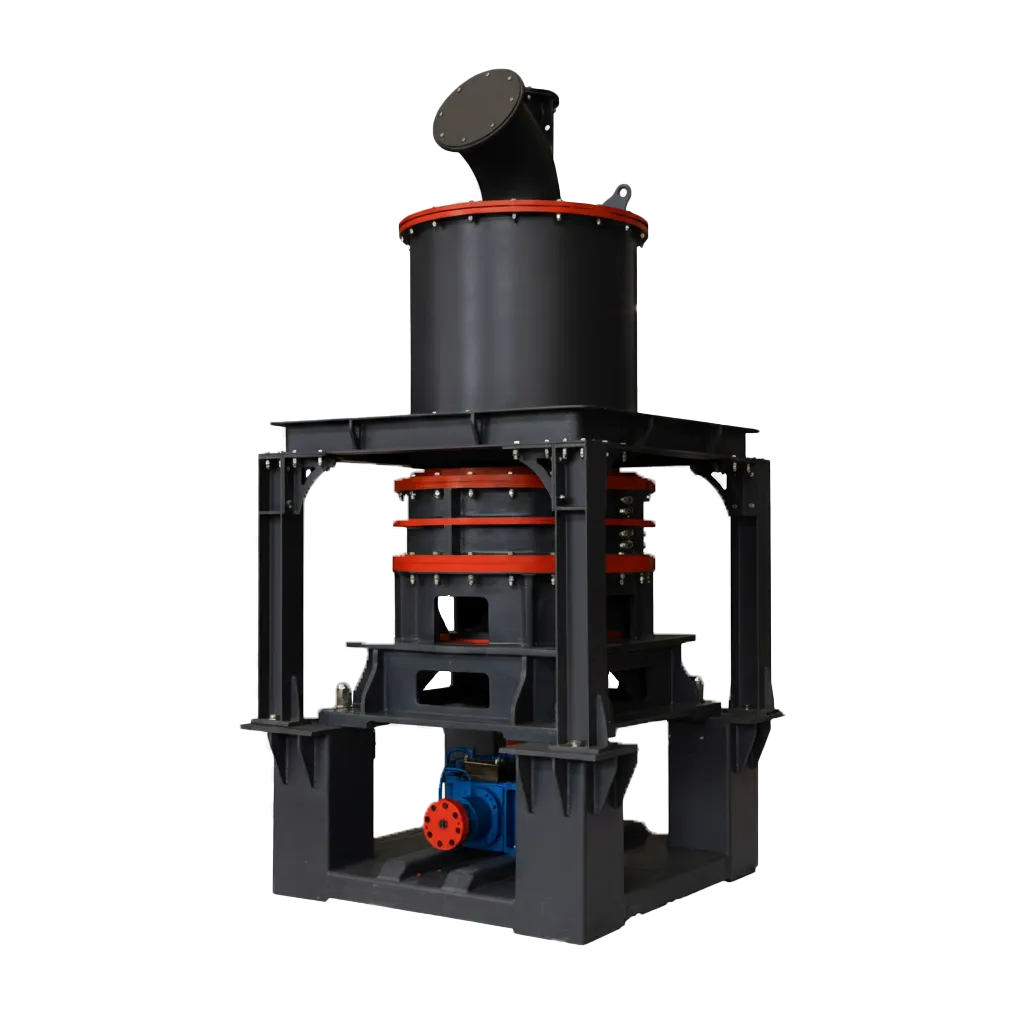
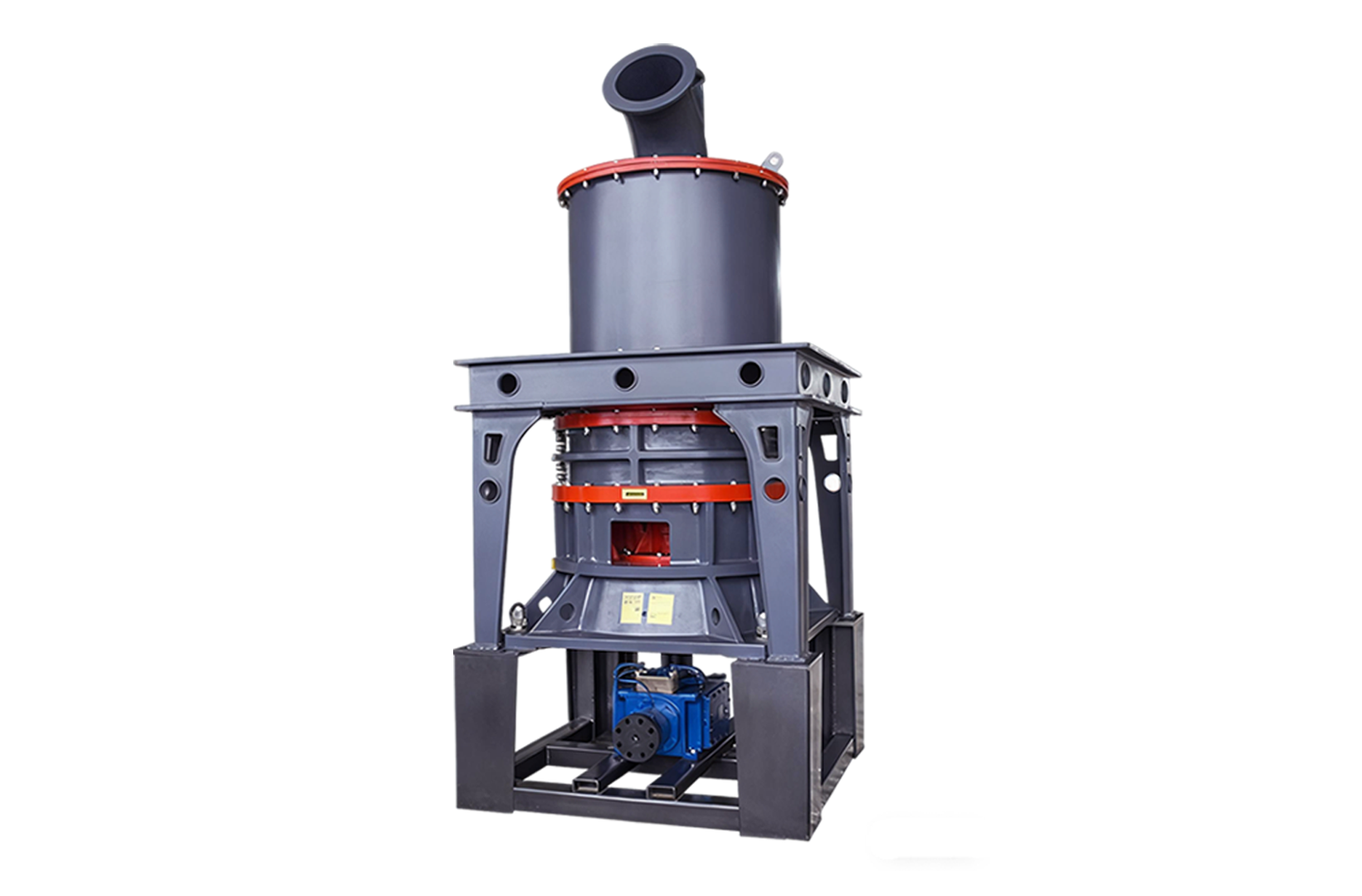
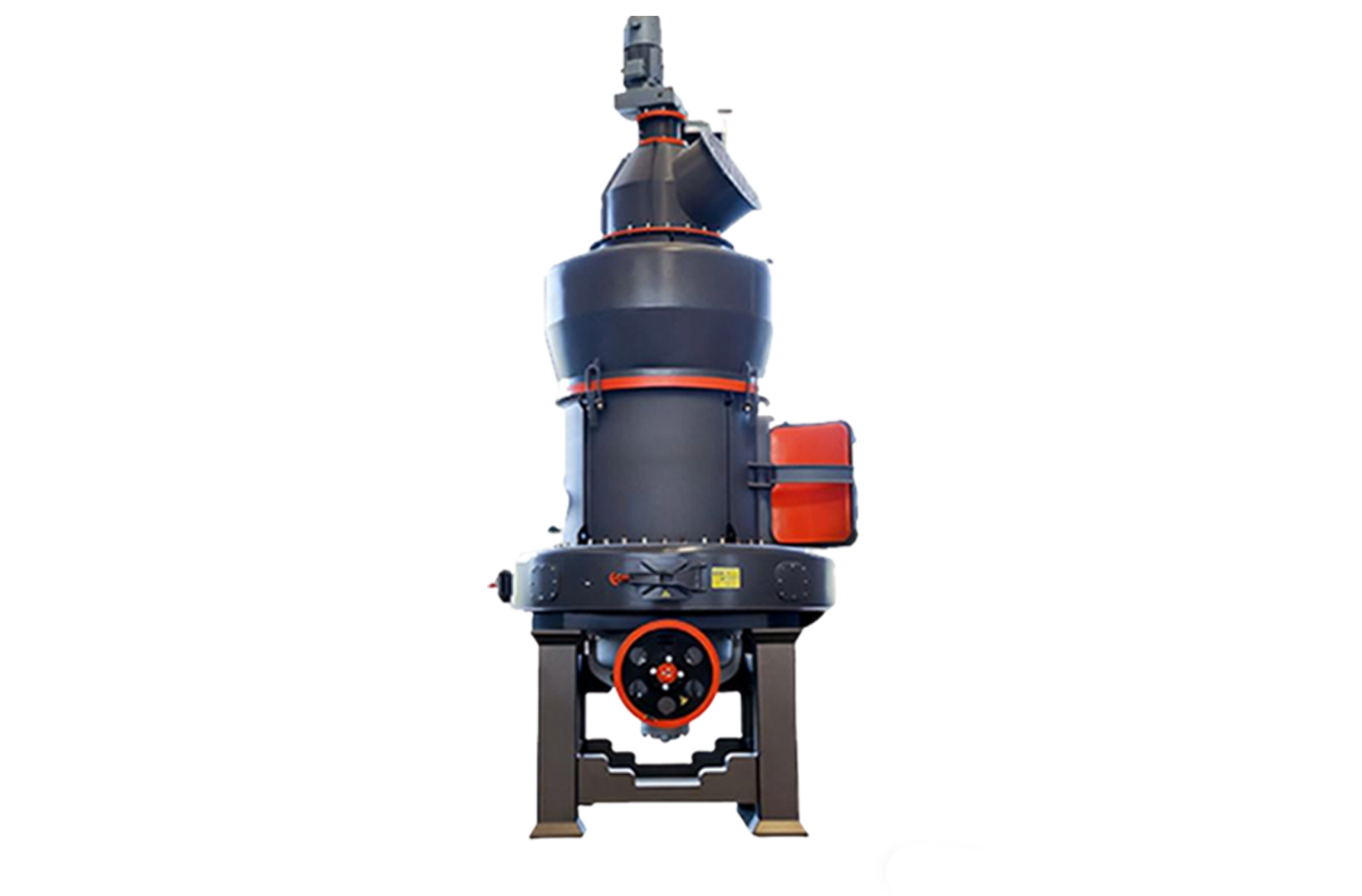
Roller-and-ring dry grinding for suitable brittle, nonflammable non-metallic minerals.
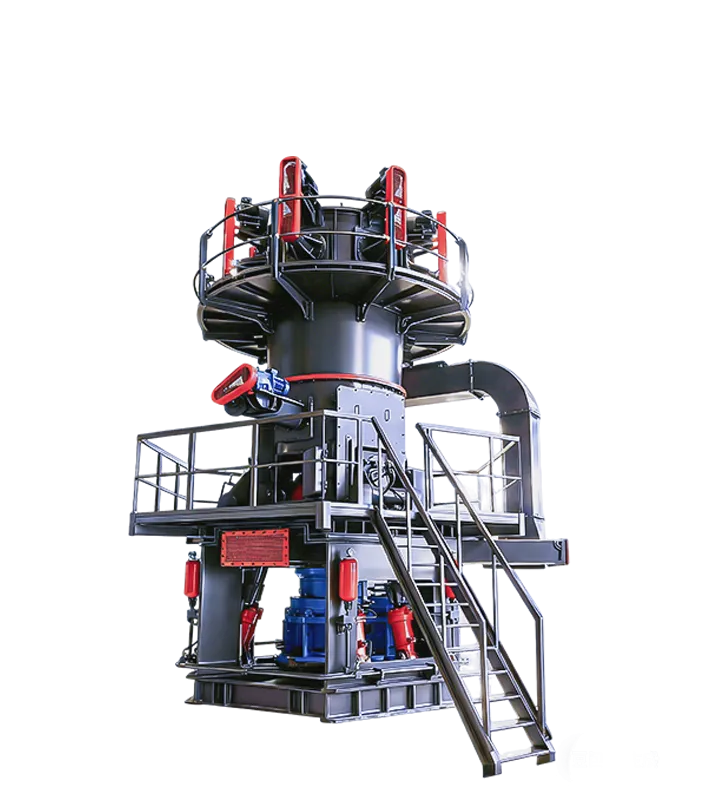
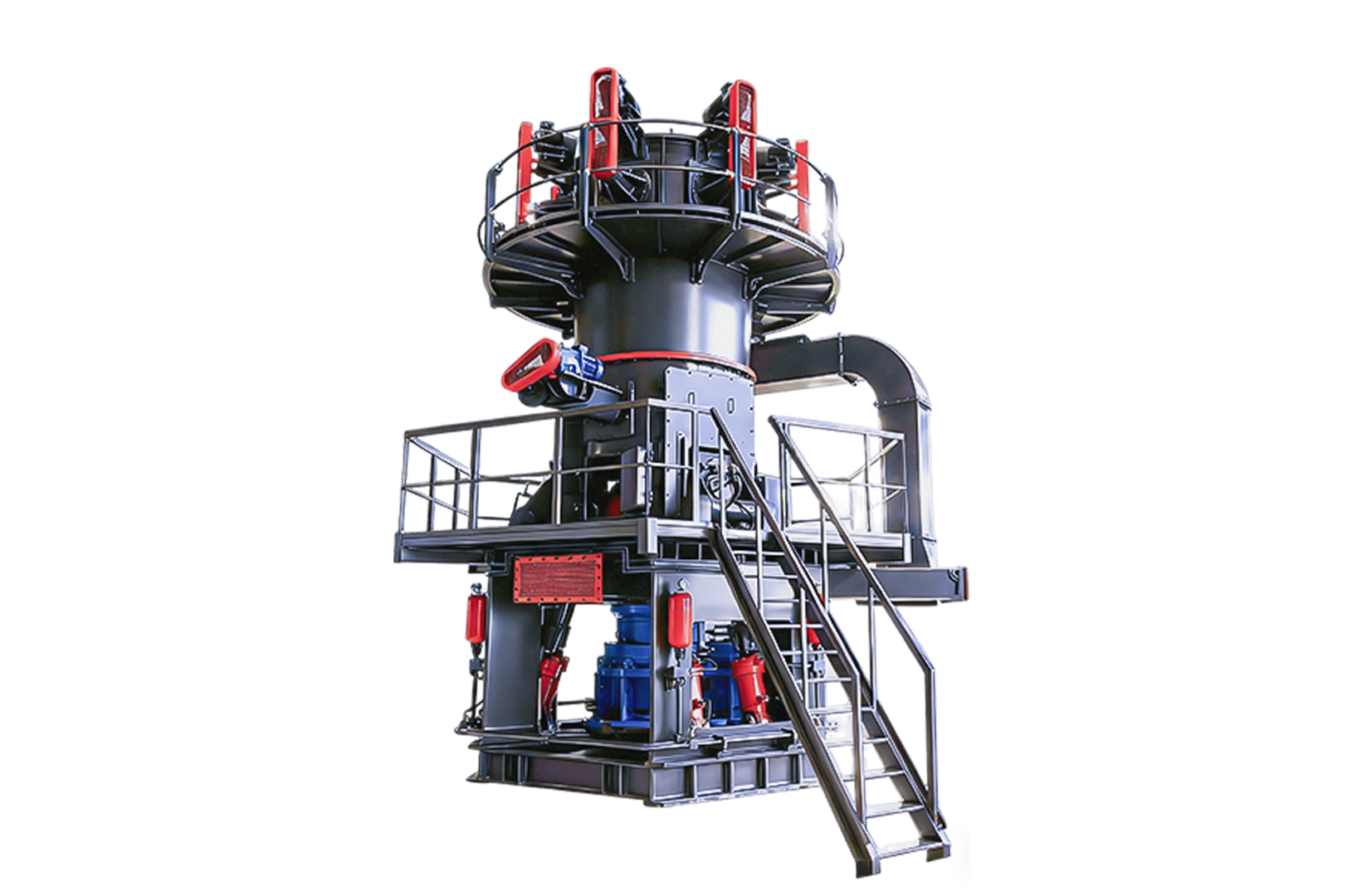
Vertical roller dry grinding and classification for fine mineral powder applications, including calcium carbonate fillers.
Do not compare the upper capacity and finest output limits as if they occur simultaneously. Refer to each product’s model table and confirm performance against your material and specification.
“Non-metallic ores” spans different hardness, moisture and particle-shape requirements. The right inquiry starts with a measurable product target, not mesh alone.
| Selection input | Why it matters | What to send |
|---|---|---|
| Mineral and feed | Hardness, moisture and feed grading affect the feasible dry-grinding route. | Mineral name, composition if known, hardness, moisture and maximum feed size. |
| Powder target | A mesh label does not fully define a particle-size distribution or application grade. | Target d97 or mesh, permitted oversize, whiteness/purity or other relevant quality criteria. |
| Production duty | Throughput depends on mineral properties, fineness and selected mill/classifier model. | Required t/h, operating hours, downstream use and existing plant constraints. |
For very hard, wet or atypical feeds, ask clirik to evaluate feasibility before treating either series as an approved fit.
Both product families use dry grinding with classification, but their mechanical layouts differ. Finer product targets can change circulating load and practical throughput, so confirm the complete flow sheet for the desired powder.
Confirm size and moisture against the candidate mill’s feed conditions before selecting upstream crushing or drying.
HGM uses a roller-and-ring arrangement; CLUM is a vertical roller mill. Match the choice to material behavior and target fineness.
Specify the measurement basis for the powder and assess classifier settings, collection and actual capacity with the manufacturer.
Start with the mineral, hardness, moisture, maximum feed size, target fineness and required throughput. HGM and CLUM have different published feed conditions and model tables; clirik should confirm the final configuration against your material.
Do not assume so. The published figures cover a series or specific test conditions. Capacity at a particular fineness depends on the mineral and selected model.
The official CLUM page lists applications including calcite, marble, limestone, dolomite, barite, talc, kaolin, wollastonite, gypsum, feldspar and pyrophyllite. Suitability for a particular feed still requires confirmation.
Send your material name and sample analysis if available, feed size and moisture, target particle-size distribution, required capacity, destination and plant constraints.
Share your ore, feed condition, powder specification and required capacity. clirik can review a suitable mill and configuration with you.
Contact clirikBrowse all products