 Clirik


Search
Turn dry mineral feed into a specified powder with roller grinding and air classification. Clirik's CLRM series covers several feed sizes, fineness ranges and throughputs, so the right model starts with your material and finished powder requirement.
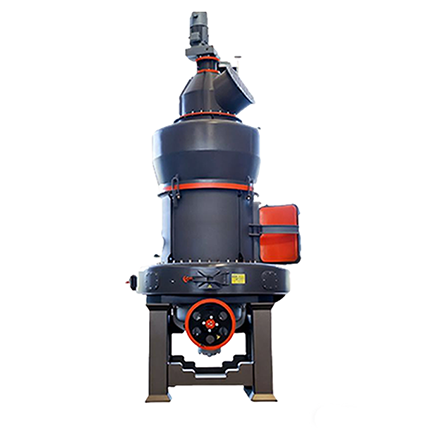
Clirik's CLRM Raymond roller mill is designed for nonflammable, nonexplosive mineral materials below Mohs 6 hardness and below 6% feed moisture. Listed examples include limestone, calcite, barite, feldspar and talc. A material name alone cannot predict throughput: abrasiveness, feed size and the required fineness also affect mill sizing and wear.
The CLRM family is listed for finished powder from 80 to 500 mesh, but the available range changes by model. If your feed is wetter than the stated limit, it needs a separate drying assessment before this mill can be selected. For a powder with a strict top size or downstream quality requirement, define that result with a particle size test method as well as a mesh target.
Prepared material enters the mill at a controlled rate. Rollers press it against the grinding ring; a blower carries the ground particles to the classifier. Material fine enough for the setting proceeds to the cyclone collector, while coarse particles return to the grinding chamber. The collected powder leaves through a discharge valve, and the air returns through the circulation path.
This loop lets the grinding and classification stages work toward one product size. Feed preparation still matters: oversize rock is crushed before it enters the mill, and the feed system must deliver it steadily. The required crusher, elevator, feeder, collector and controls depend on where your existing line begins and ends.
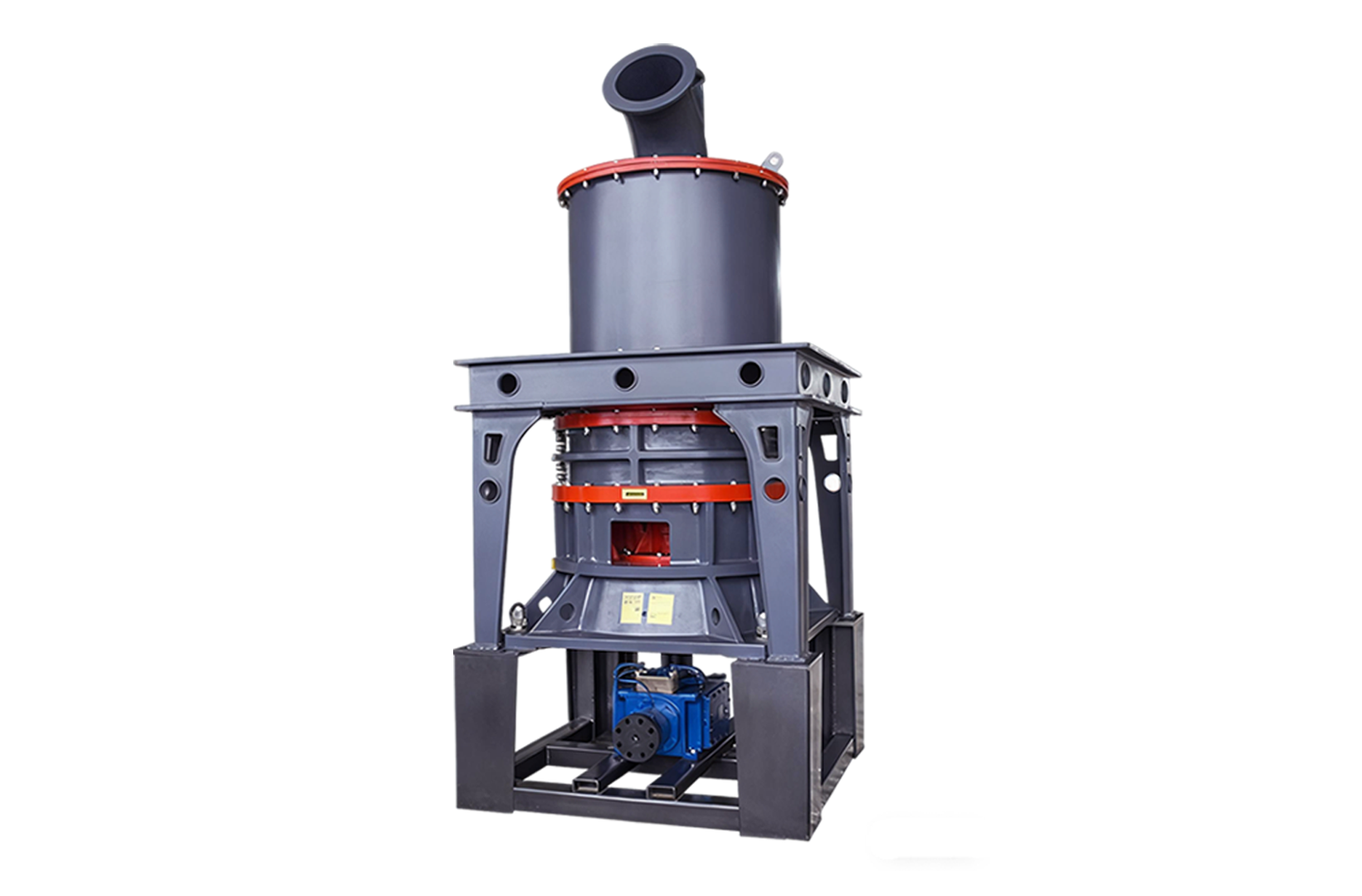
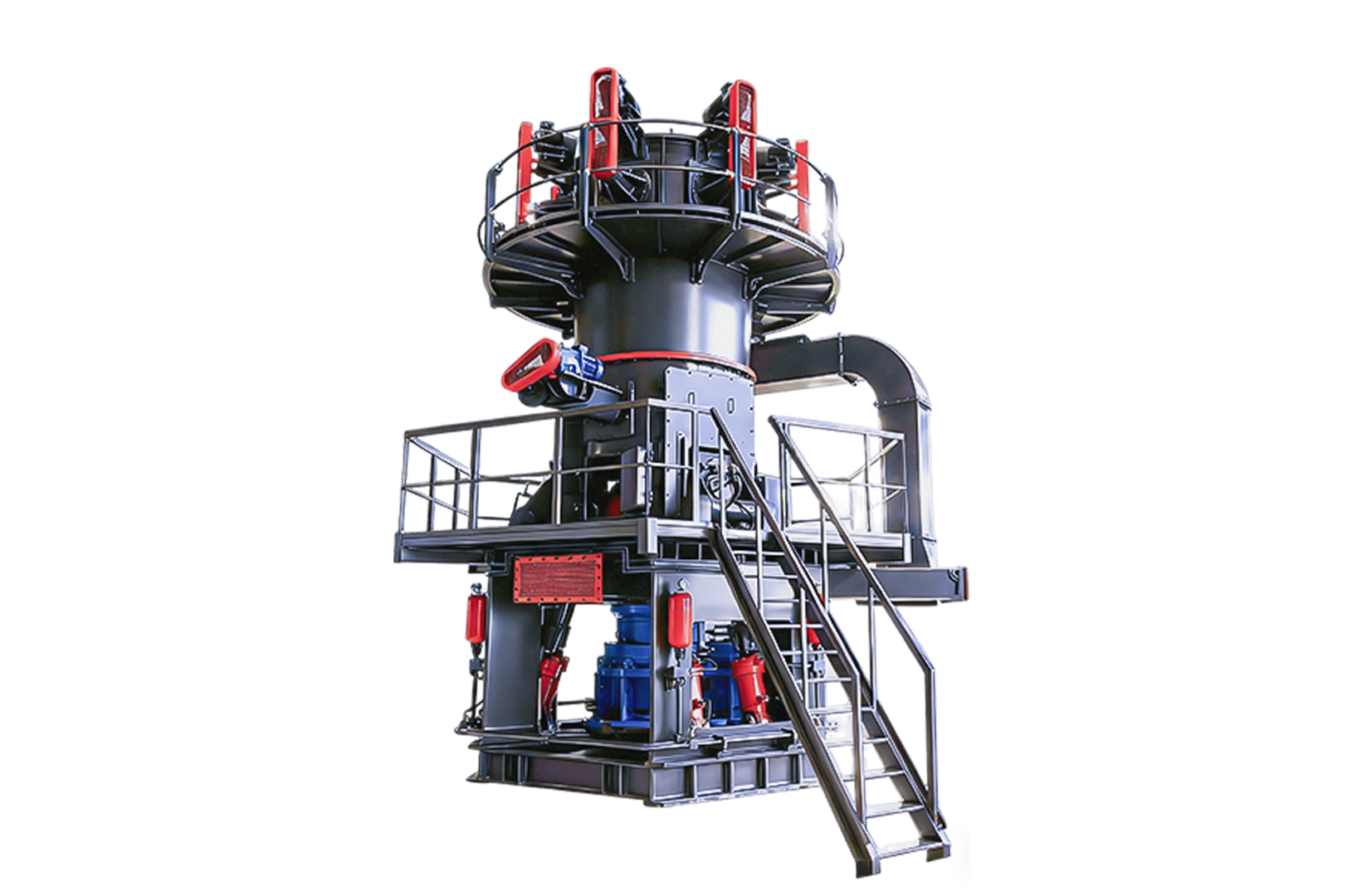
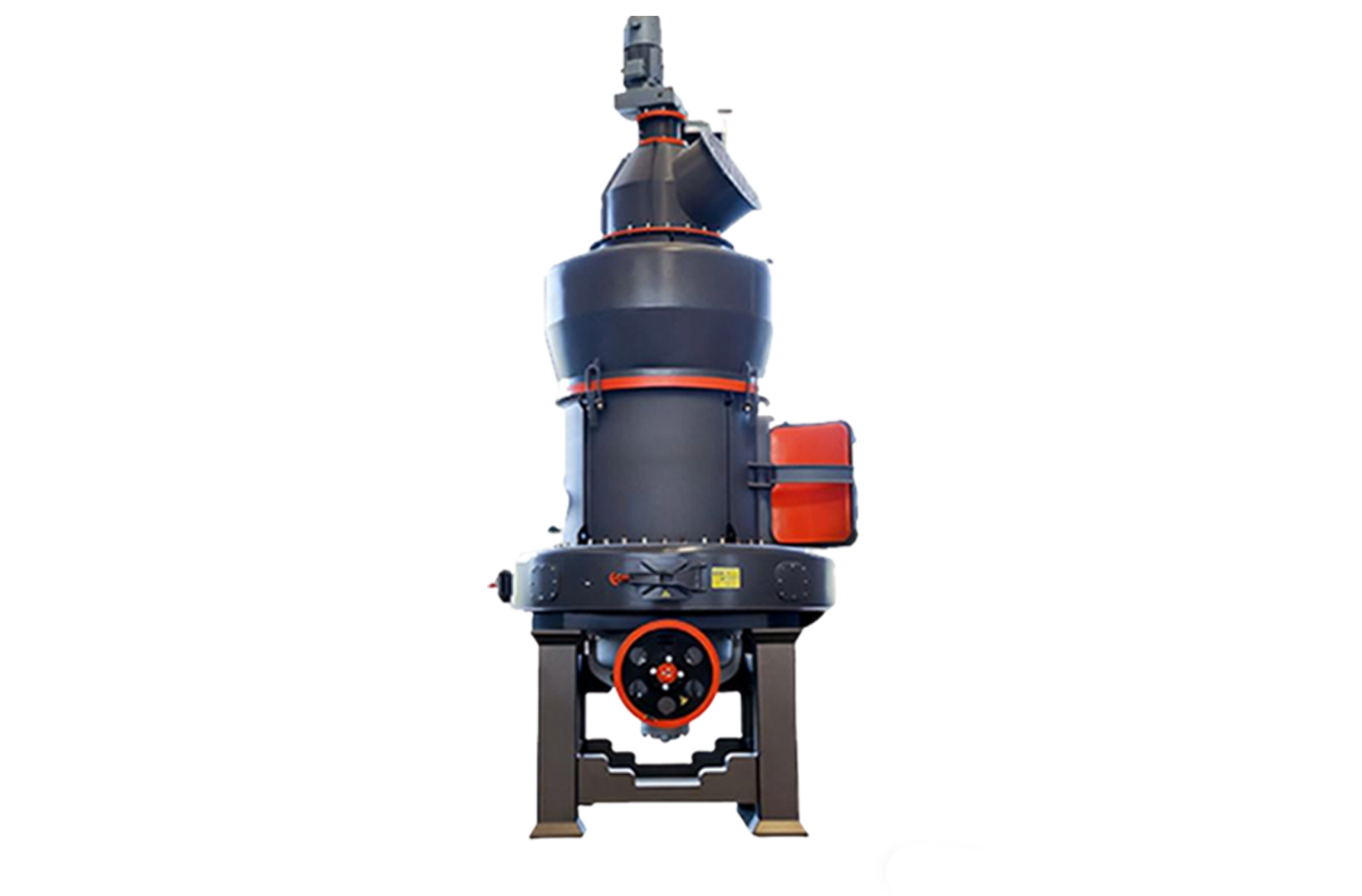
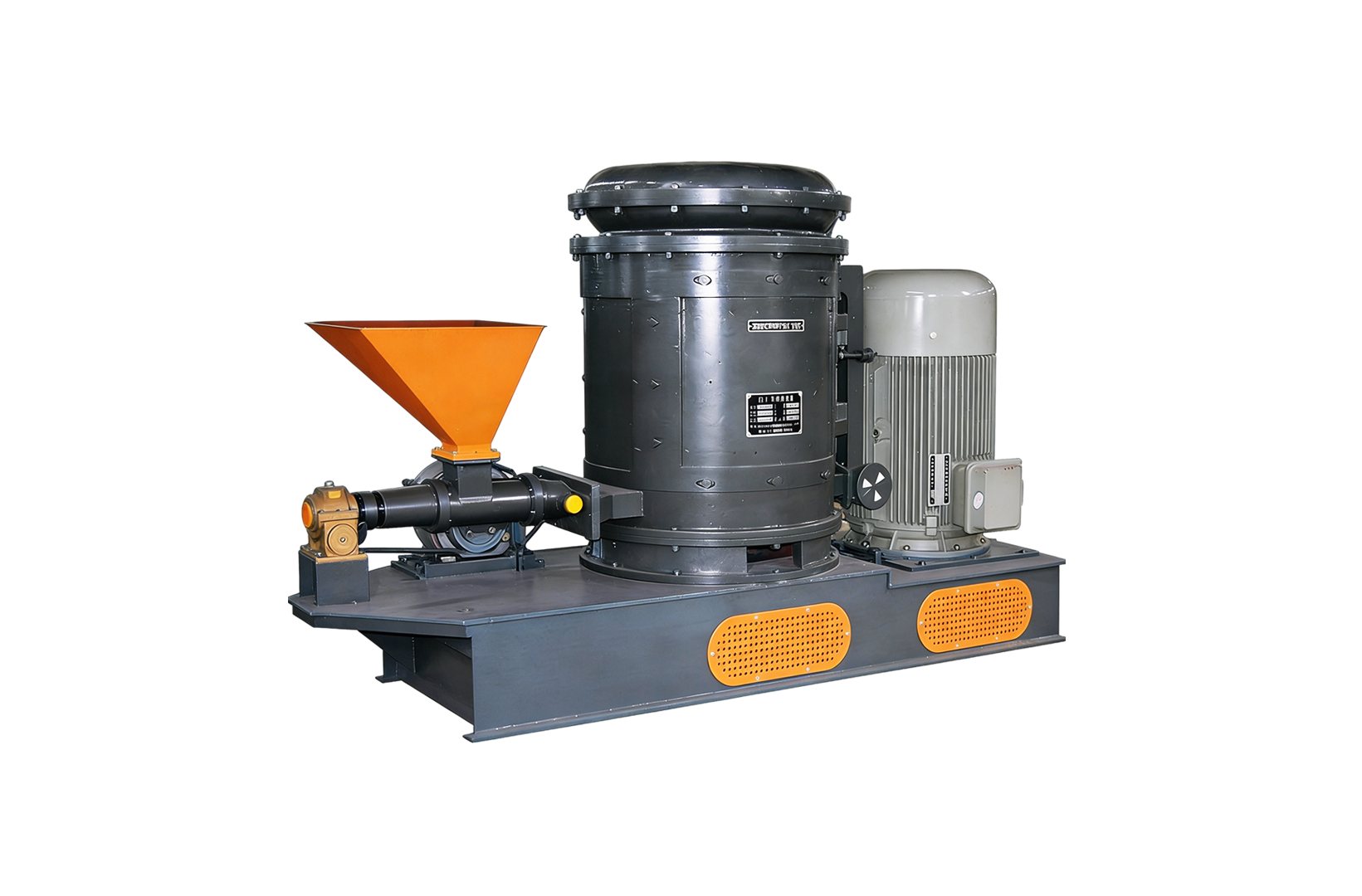
Formal product name: CLRM Enhanced Raymond Roller Grinding Mill
Clirik's CLRM series combines roller grinding with air classification for mineral powder production. The series spans eight listed models, from CLRM9720 to CLRM2150. The classifier returns coarse material for further grinding, while finished powder is collected downstream. Use the model data below as a starting point for a material specific selection.
A single family range does not describe every CLRM model. CLRM9720 lists feed below 20 mm, 80–500 mesh and 1–7 metric tons per hour. CLRM1620 lists feed below 20 mm, 80–400 mesh and 5–20 metric tons per hour. CLRM2150 lists feed below 35 mm, 80–325 mesh and 12–35 metric tons per hour. The largest model therefore has the highest listed capacity, while the smallest listed model reaches the finest published mesh value.
Choose the target powder size before comparing throughput. A finer classifier setting generally sends more coarse material back through the mill, so a capacity figure needs to be checked at your actual fineness and feed conditions. If product performance depends on particle distribution, specify a measured d50, d97 or sieve residue alongside the mesh designation.
The mill is one part of a powder line. Oversize feed may need crushing; the mill needs steady feeding, air movement and powder collection; the finished material may then need conveying or packing. A quote that covers only the main mill answers a different equipment question from one that covers the entire path from raw feed to packed powder.
Motor sizes, classifier configuration, feed handling, cyclone and dust collection, controls, and installation work all change the system scope. Tell Clirik which equipment already exists at your site and which stages the new supply must cover. That makes the proposed configuration and price comparable to the production result you need.
Send a representative feed sample with its mineral name, largest particle size, moisture and target powder use. Clirik offers incoming material analysis and grinding tests that can inform the process route and equipment configuration. Include the target fineness and required continuous output so a test can assess both the powder and the rate at which it is produced.
For a production line, Clirik can develop a layout and provide installation and commissioning support.
Tell us your material, feed size, moisture, target fineness, required hourly output and the equipment already on site. Clirik can use those details to recommend a CLRM model and the system components your project needs.