 Clirik



Search
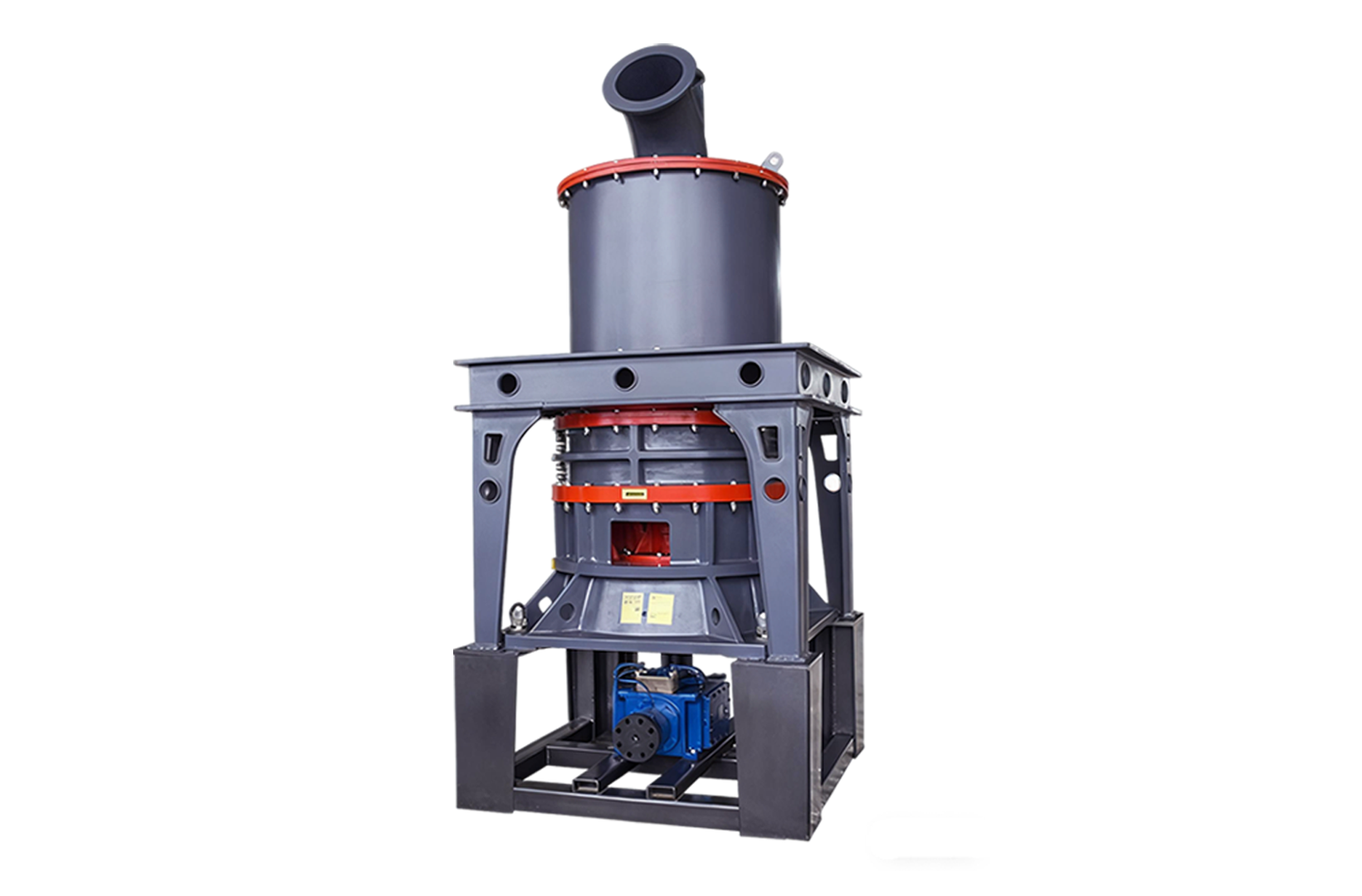
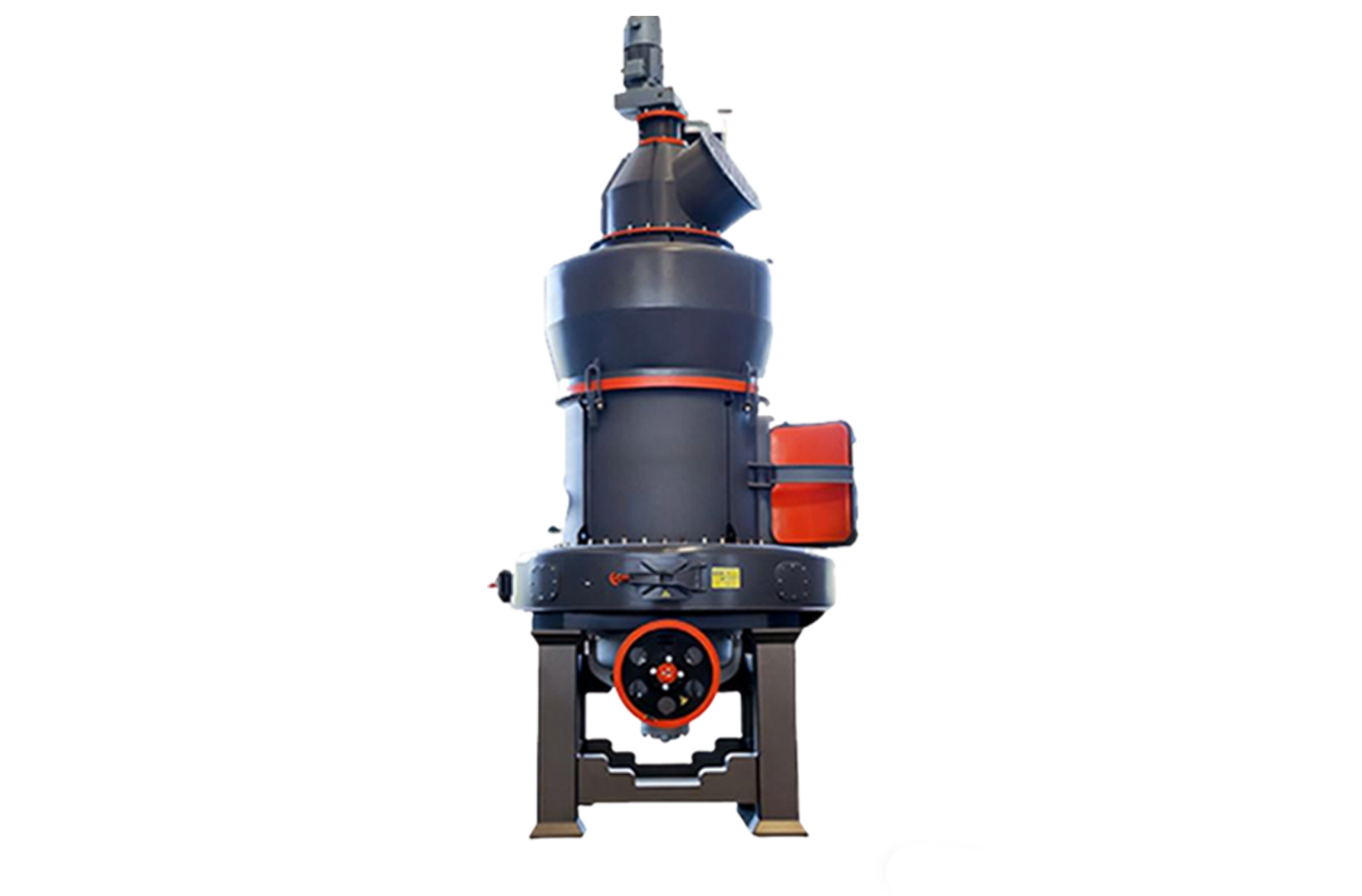
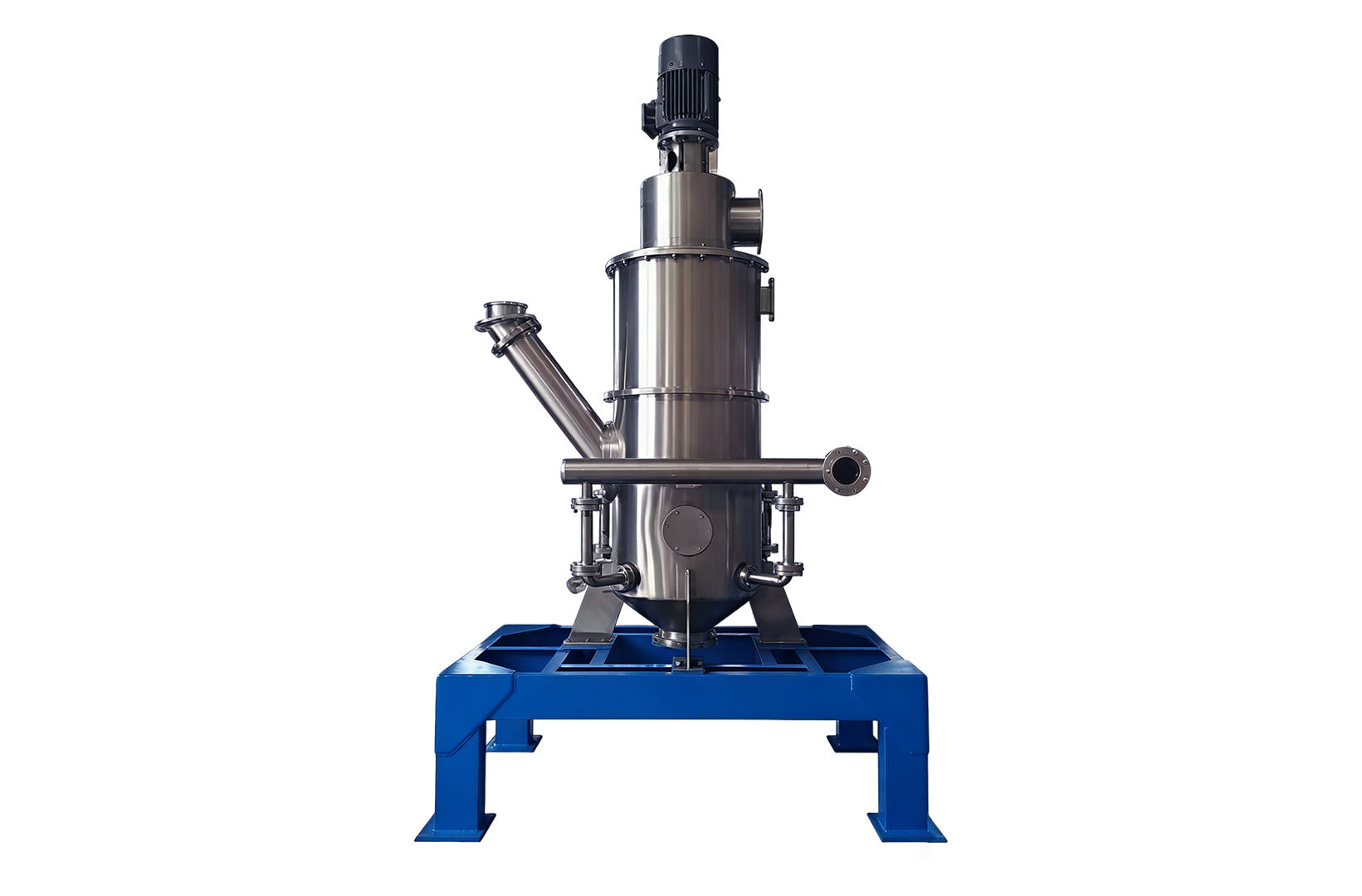
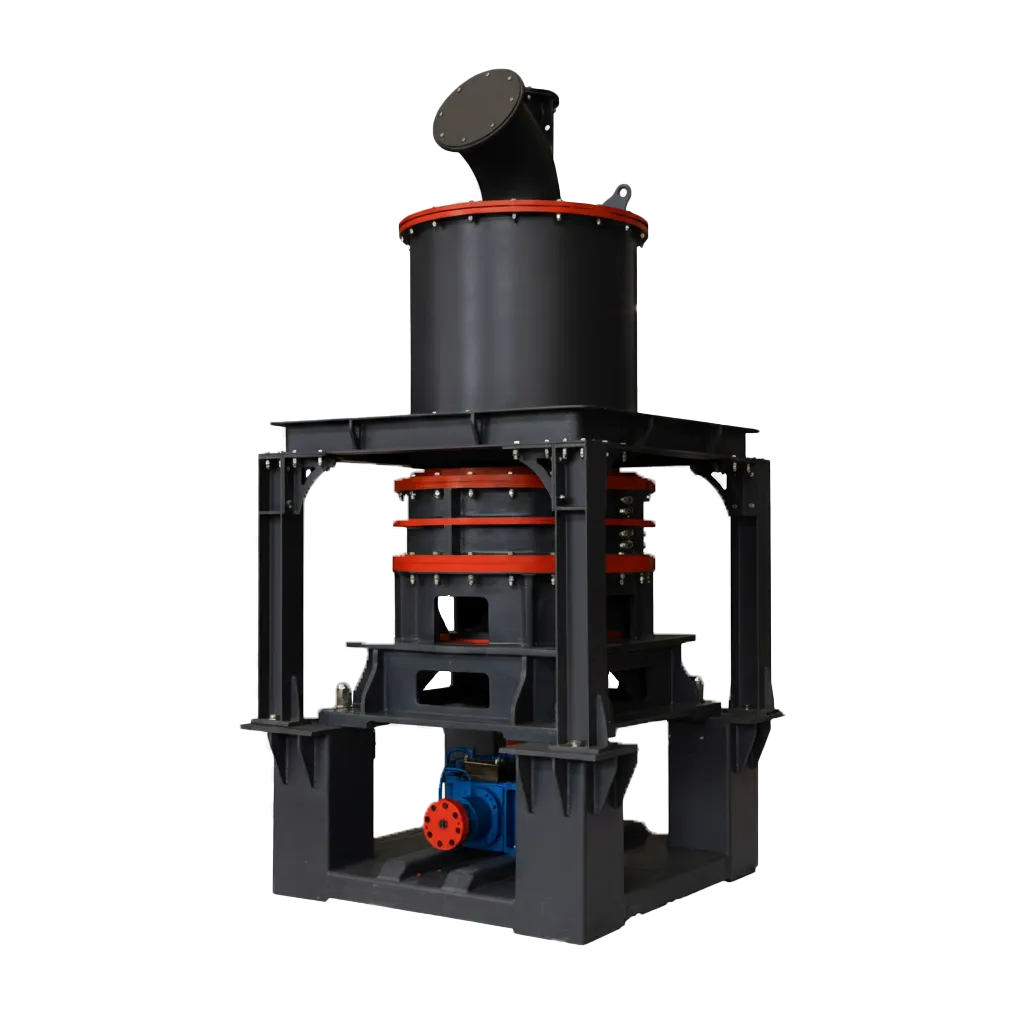
Clirik HGM ultrafine grinding system
Dry GCC powder production with controlled classification. Process selected calcite, limestone, marble and chalk into ground calcium carbonate powder. Configure the mill around your mineral sample, target d97, hourly output and downstream application.
Define the product first
This system mechanically reduces and classifies natural calcium-carbonate-bearing minerals to make dry GCC. PCC requires a separate chemical synthesis route. Surface coating with stearic acid or other modifiers is also a separate process unit.
Process
Grinding, classification, collection and dust control operate as one circuit. Oversize powder returns to the grinding zone while qualified powder moves to collection.
Crush suitable natural mineral feed, remove metal contamination where required, and feed the mill at a stable rate.
Rollers and rings apply repeated compression, impact and attrition to reduce the particle size.
Air carries powder to the classifier. Qualified particles pass; coarse particles return for further grinding.
A cyclone and pulse bag filter collect the product before storage, conveying and packaging.
Reference specifications
Use these published model values for preliminary comparison only. Final capacity depends on the mineral, feed condition, product fineness, classifier setting and line configuration.
| Model | Input size | Finished size | Capacity | Installed power | Grinding layers / rollers |
|---|---|---|---|---|---|
| HGM80 | ≤20 mm | 74–6.5 μm 200–2000 mesh | 0.5–5.5 t/h | 142 kW | 3 / 21 |
| HGM100L-II | ≤20 mm | 74–6.5 μm 200–2000 mesh | 1–10 t/h | 242 kW | 4 / 28 |
| HGM100P | ≤20 mm | 74–6.5 μm 200–2000 mesh | 1.2–11 t/h | 267 kW | 4 / 28 |
| HGM125L-H | ≤20 mm | 13–5 μm 1000–2500 mesh | 1–4 t/h | 401 kW | 4 / 32 |
| HGM1680L | ≤20 mm | 74–12 μm 200–1250 mesh | 6–26 t/h | 685 kW | 4 / 36 |
| HGM1680L-H | ≤20 mm | 18–5 μm 800–2500 mesh | 1.8–8 t/h | 685 kW | 4 / 36 |
Reference: Clirik HGM Ultrafine Grinding Mill model table. Published data is based on CaCO₃ powder-factory feedback and is for reference; test your material before final model selection.
Complete line
A stable calcium carbonate powder line may require more than the main mill. Clirik can configure the process around actual feed and product requirements.
Selection, crushing, screening, drying, metal removal, storage and controlled feeding.
HGM main mill, classifier, blower and closed-loop return of oversize powder.
Cyclone, pulse bag filter, conveying, storage, packing and electrical control.
Contact-material review, wear-part selection, iron control and cross-contamination planning.
Separate surface-modification equipment when the GCC must be treated for resin compatibility.
Material analysis, grinding tests, layout support, installation, commissioning and operator training.
Applications
Evaluate whiteness, opacity, light scattering, morphology, particle-size distribution and slurry requirements.
Control top size, moisture, oil absorption, dispersion and the interface with any separate coating step.
Confirm whiteness, fineness distribution, oil absorption, dispersion and consistency in the target formulation.
Review moisture, rheology, loading, dispersion and compatibility with the binder system.
Balance product fineness with throughput, wear, energy use and system investment.
Particle size alone does not establish food, pharmaceutical or other regulatory compliance; audit material, equipment and documentation separately.
Manufacturing support
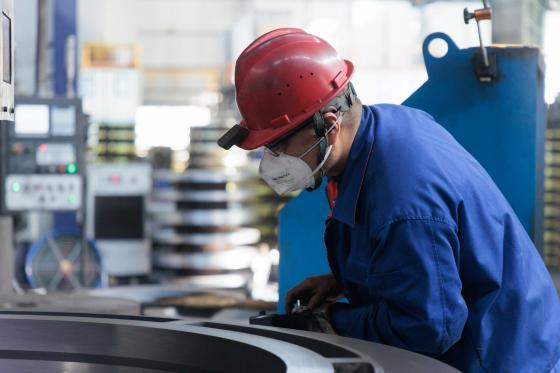
Shanghai Clirik Machinery Co., Ltd. develops and supplies powder-grinding equipment and supports mineral analysis, process selection, installation, commissioning, training and after-sales service.


Certificates and recognition
Review the certificate scope, issuing body, validity and applicability during commercial qualification.

HGM8021 Most Followed Product Award

HGM series utility model patent

SGS audited supplier report

EC examination certificate

ISO 9001 quality management system certificate
Alternative configuration
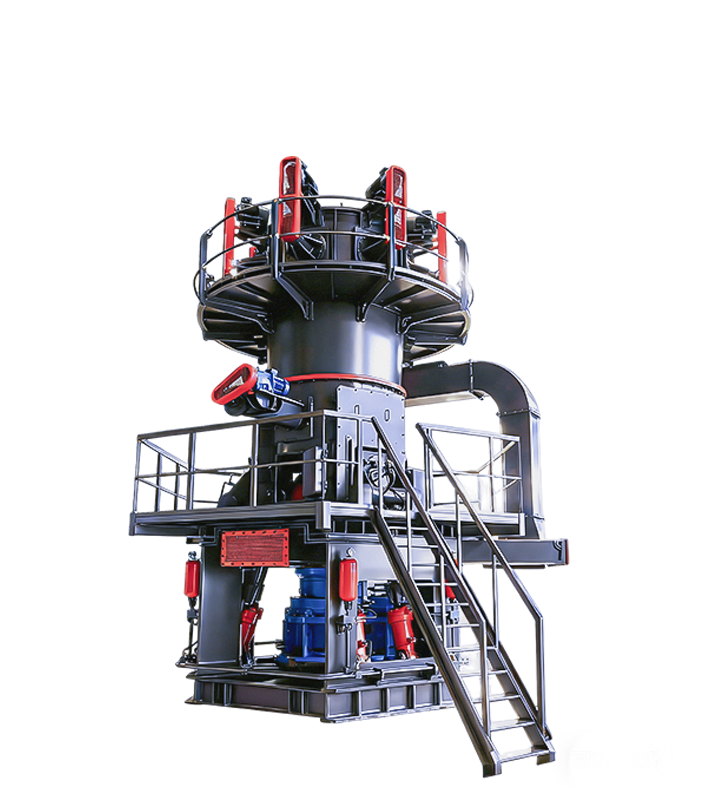
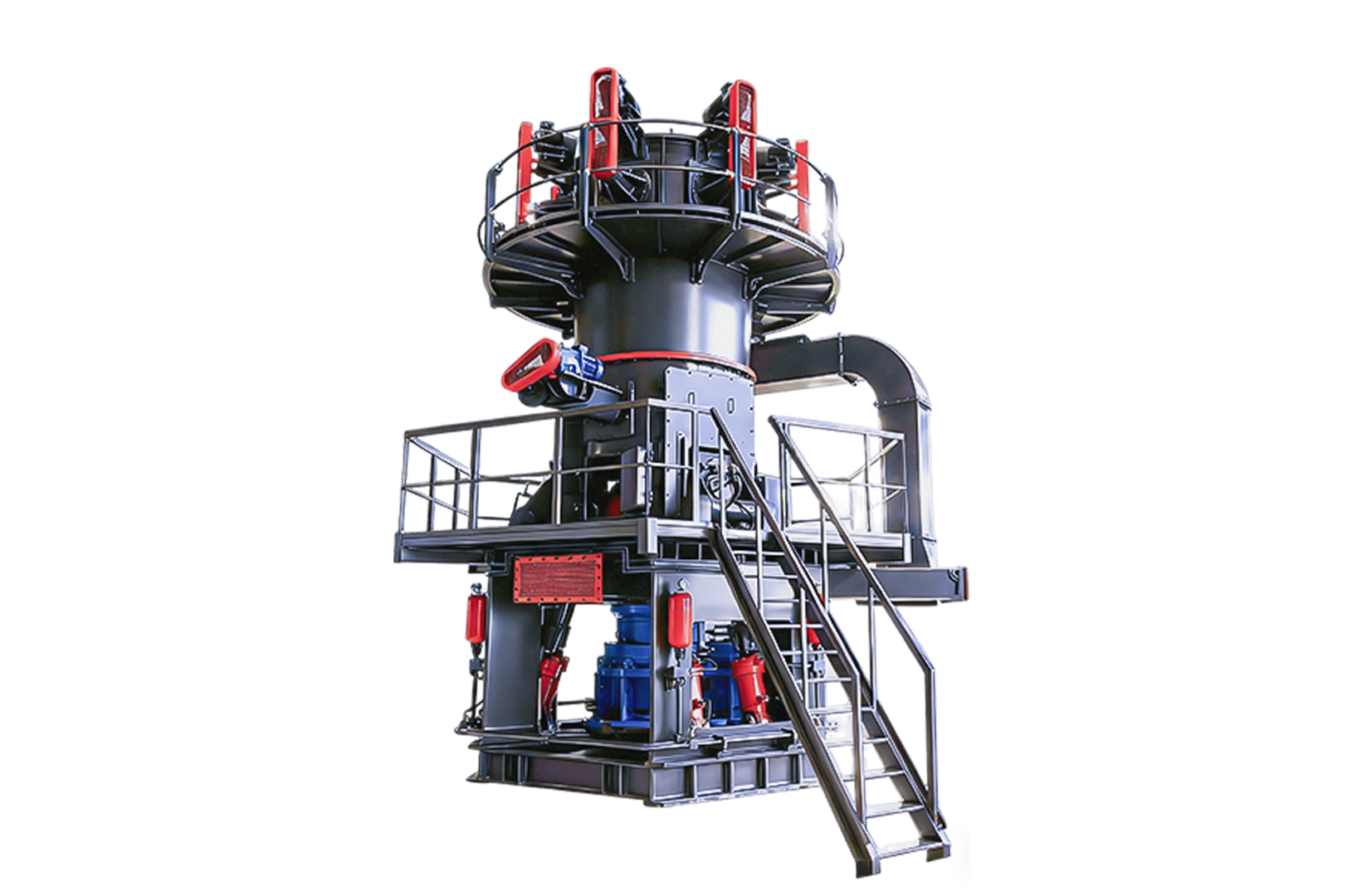
For projects that favor an integrated vertical-roller architecture, higher continuous throughput or a different maintenance layout, compare the CLUM series with HGM using the same material sample and acceptance targets.
View the CLUM millFAQ
No. The HGM mill mechanically grinds natural calcium-carbonate-bearing minerals to make GCC. PCC is produced through a chemical precipitation process.
The published model table spans approximately 74 to 5 μm across selected configurations. Each model has its own operating range, and the achievable d97 must be verified with the actual material and classifier setting.
Capacity changes with mineral structure, impurities, moisture, feed size, target fineness, product yield, classifier operation and the complete line configuration.
No. Grinding and classification determine particle size. Surface treatment with stearic acid or another modifier requires a separate coating process and acceptance criteria.
Provide a representative sample, composition, whiteness, feed size, moisture, target d50/d97, required output, operating schedule, end use, site power and delivery location.
Use representative feed and agree on the particle-size method, capacity, power, product yield, temperature, whiteness, iron level, dust control and supply boundary before testing.
Request a test and quotation
Tell us the mineral source, feed condition, target particle size, capacity and end use. An engineer can recommend a test plan and suitable HGM configuration.