 كليريك






بحث
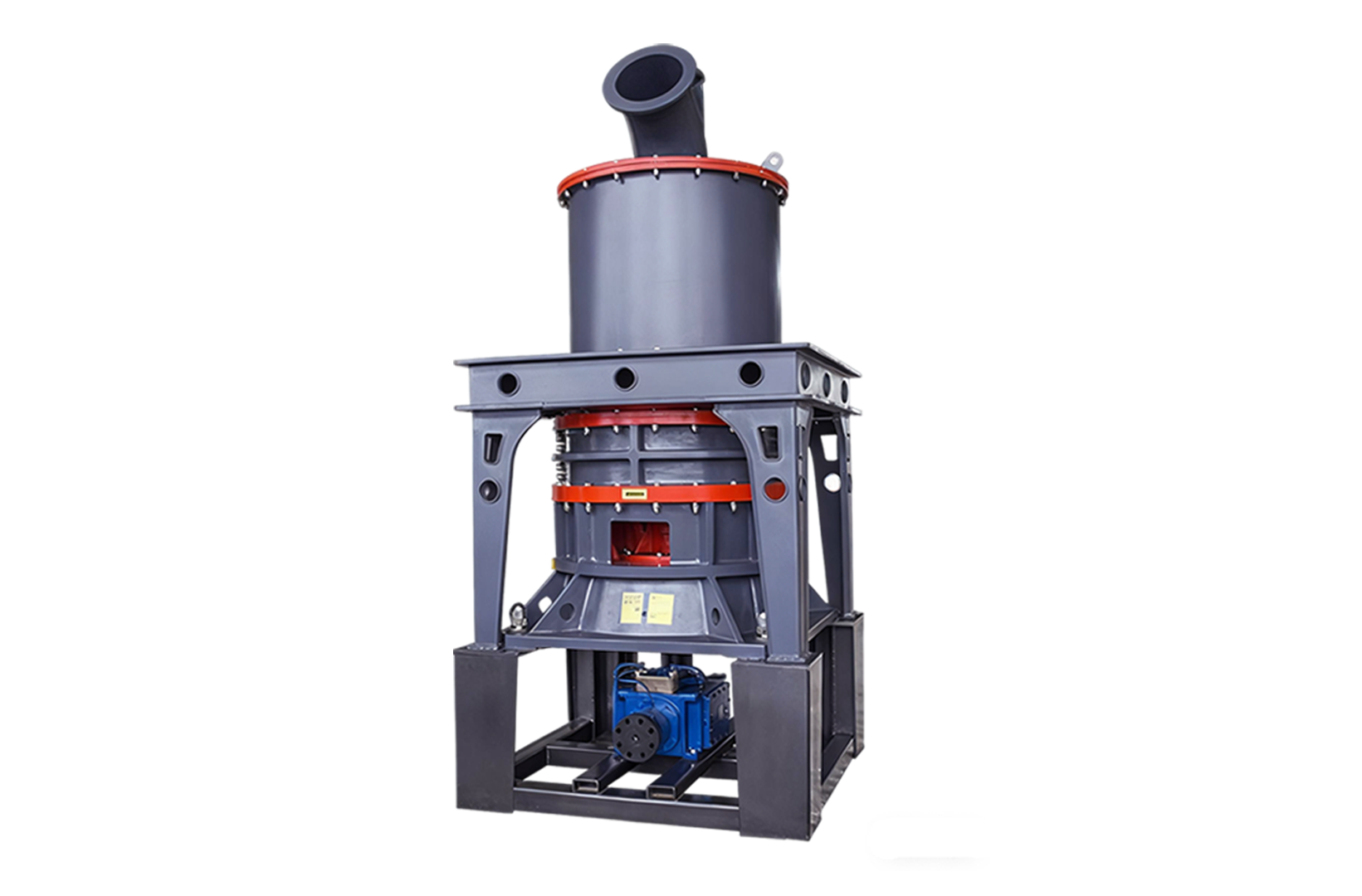
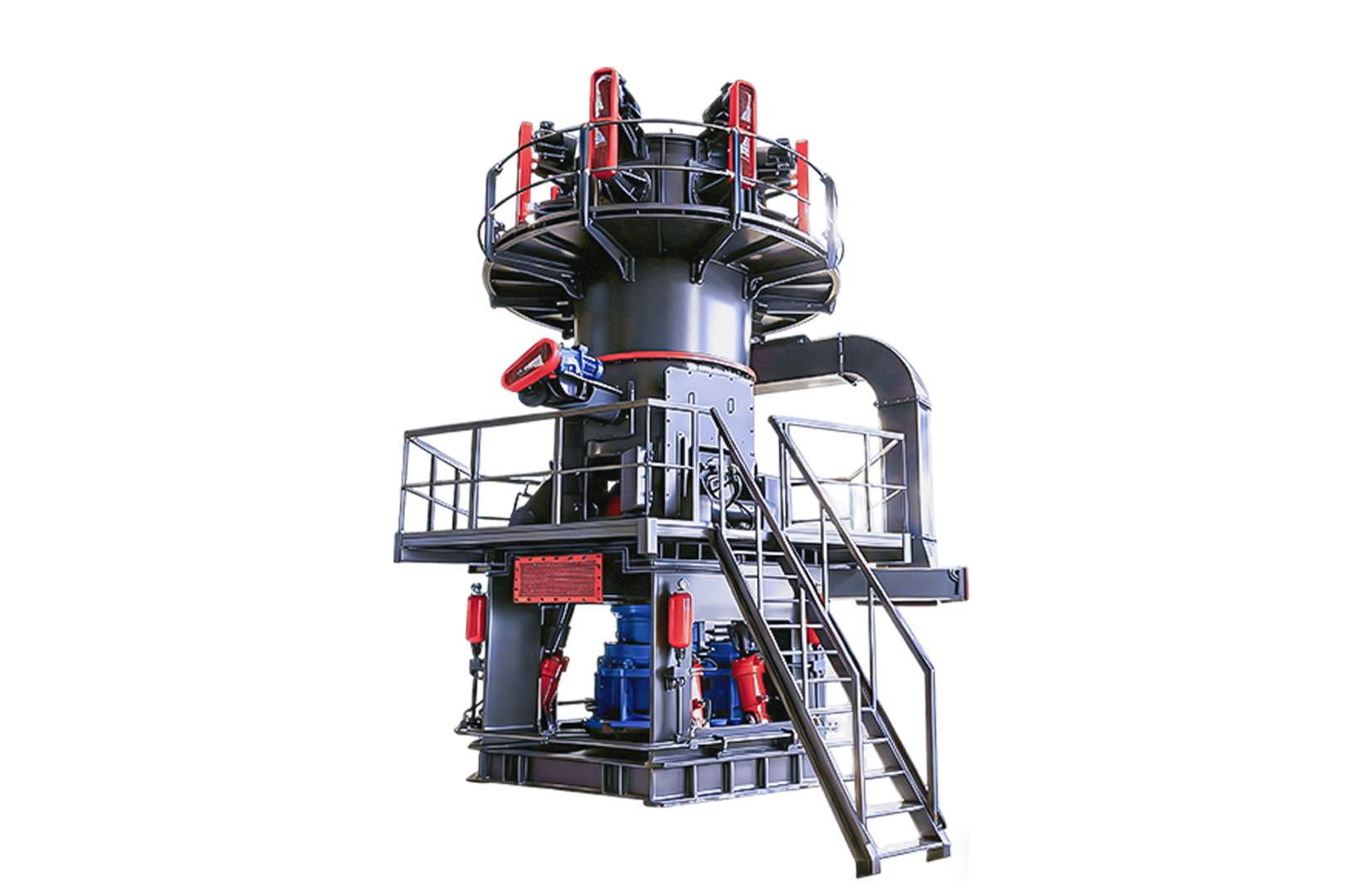
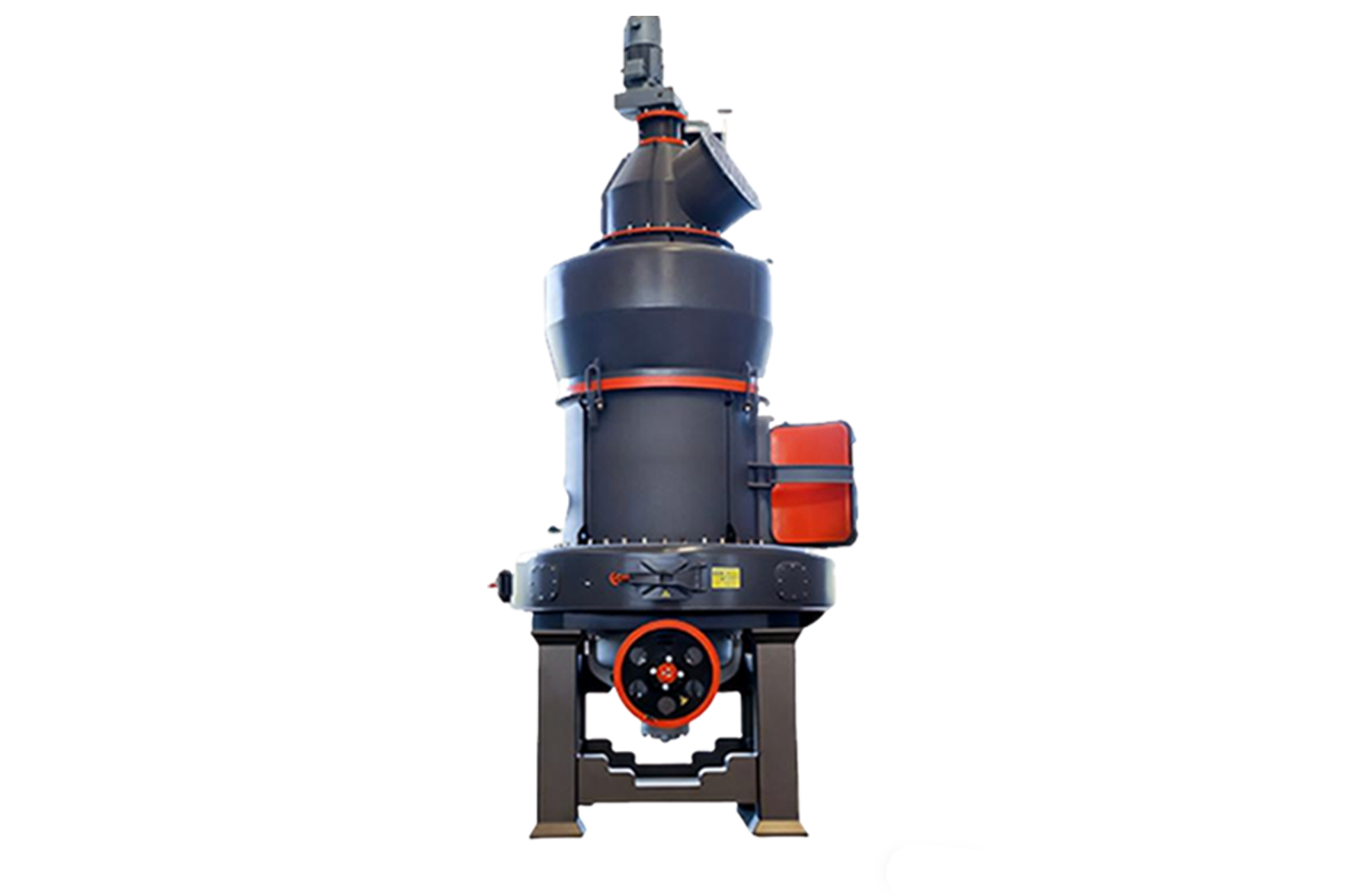
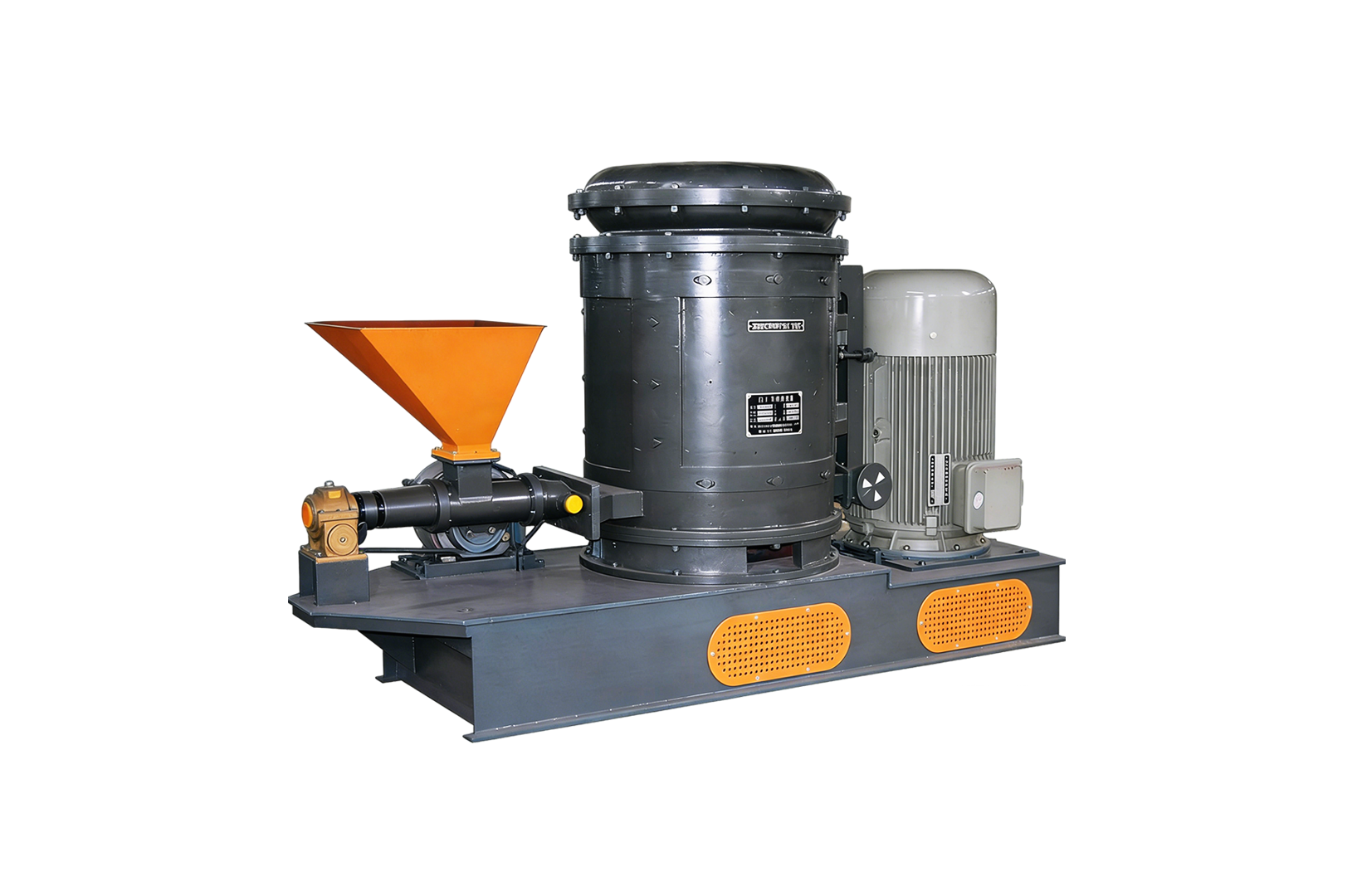
The English name fluidized bed jet mill refers to a fluidized bed air jet mill; to determine its working method, we need to look at how the particles in the cavity are accelerated and how the coarse powder returns to the crushing zone after classification.
The raw materials can enter the crushing chamber through the feeding and air locking device. The air path is based on filtration and pressure regulation, and can also be configured for drying and cooling. The nozzle converts the process gas into a high-speed jet, accelerating the particles, which are then crushed through mutual collision, impact and shearing; air jet mills usually do not use mechanical grinding media. The fluidized bed collides to form a fluidized bed in the cavity. Multiple nozzle airflows push the particles in a phase-to-phase manner, and they collide repeatedly in the convergence area. The absence of mechanical abrasive media does not mean that the equipment is not worn; components such as nozzles, linings, grading wheels, seals, and filters may still be eroded by particles.
Dynamic grading wheels use the centrifugal force generated by rotation and the airflow drag to control the top cut. Coarser particles are rejected by the classifier and returned to the fluidized bed, while fine powder leaves with the airflow and is then separated or collected downstream. Grading wheel speed, gas volume, and particle properties all affect the coarse powder return ratio; dynamic grading can provide more precise top-cut control and a wider adjustment range.
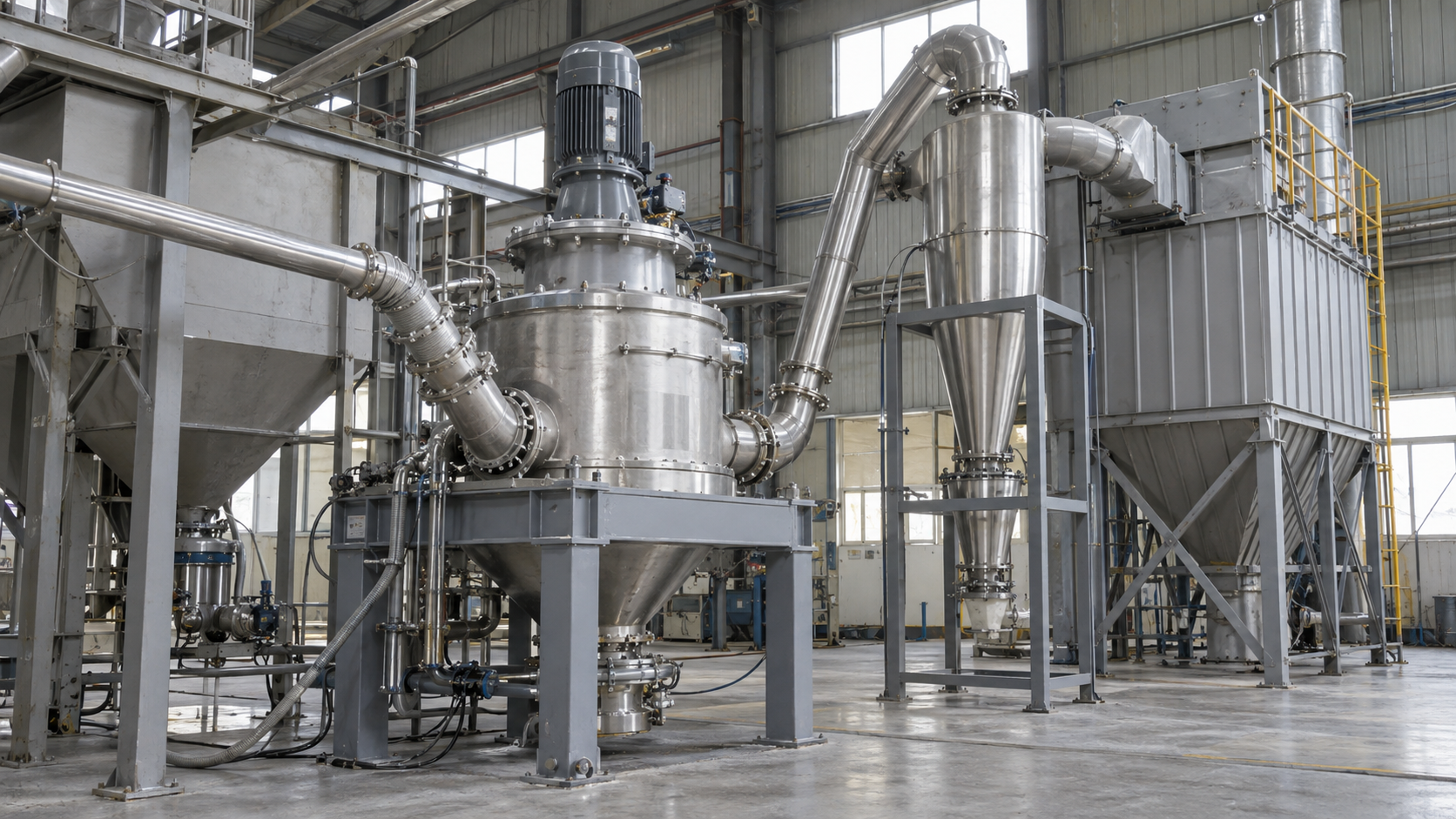
This type of equipment typically operates in closed-circuit pneumatic systems, where gas source quality, gas volume, pressure, dew point, filter differential pressure, and collection efficiency all affect product quality. Low airflow may cause fluidization instability, short circuits of coarse particles, or decreased collection efficiency; high airflow may increase compressor energy consumption, filtration load, and product entrainment losses.
Spiral air mills typically use annular nozzles to form swirling flows and employ static classification; fluidized bed colliding mills are characterized by fluidized bed, phase jet, and dynamic classification. Both mainly rely on particle self-collision crushing, and the difference lies in the airflow organization and classification method in the cavity. Air classification mills also perform air classification, but their main crushing effect comes from mechanical impact or grinding of parts, and they cannot be confused with air flow mills.
Airflow mills are typically suitable for dry, brittle, hard, heat-sensitive, or low-pollution materials; materials with high moisture content, strong viscosity, or high ductility may clog, agglomerate, or have difficulty stabilizing fluidization. In the machine type classification, CLJM-L is listed as a fluidized bed air mill, and CLJM-Y is listed as a spiral air mill. The model name indicates the structural type. The specific fineness, processing capacity and material adaptation still need to be judged in conjunction with the model, materials and test conditions.