 كليريك






بحث
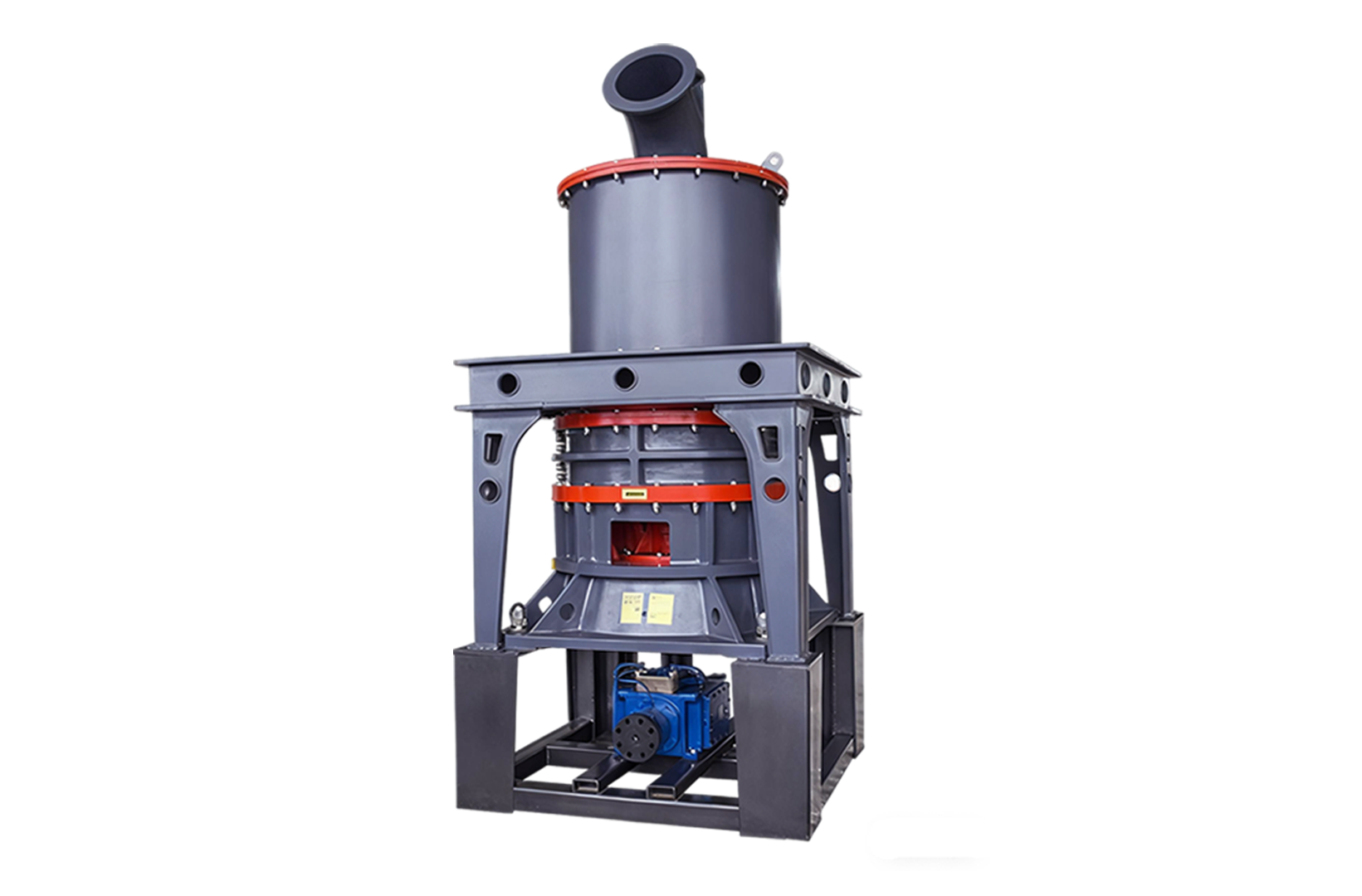
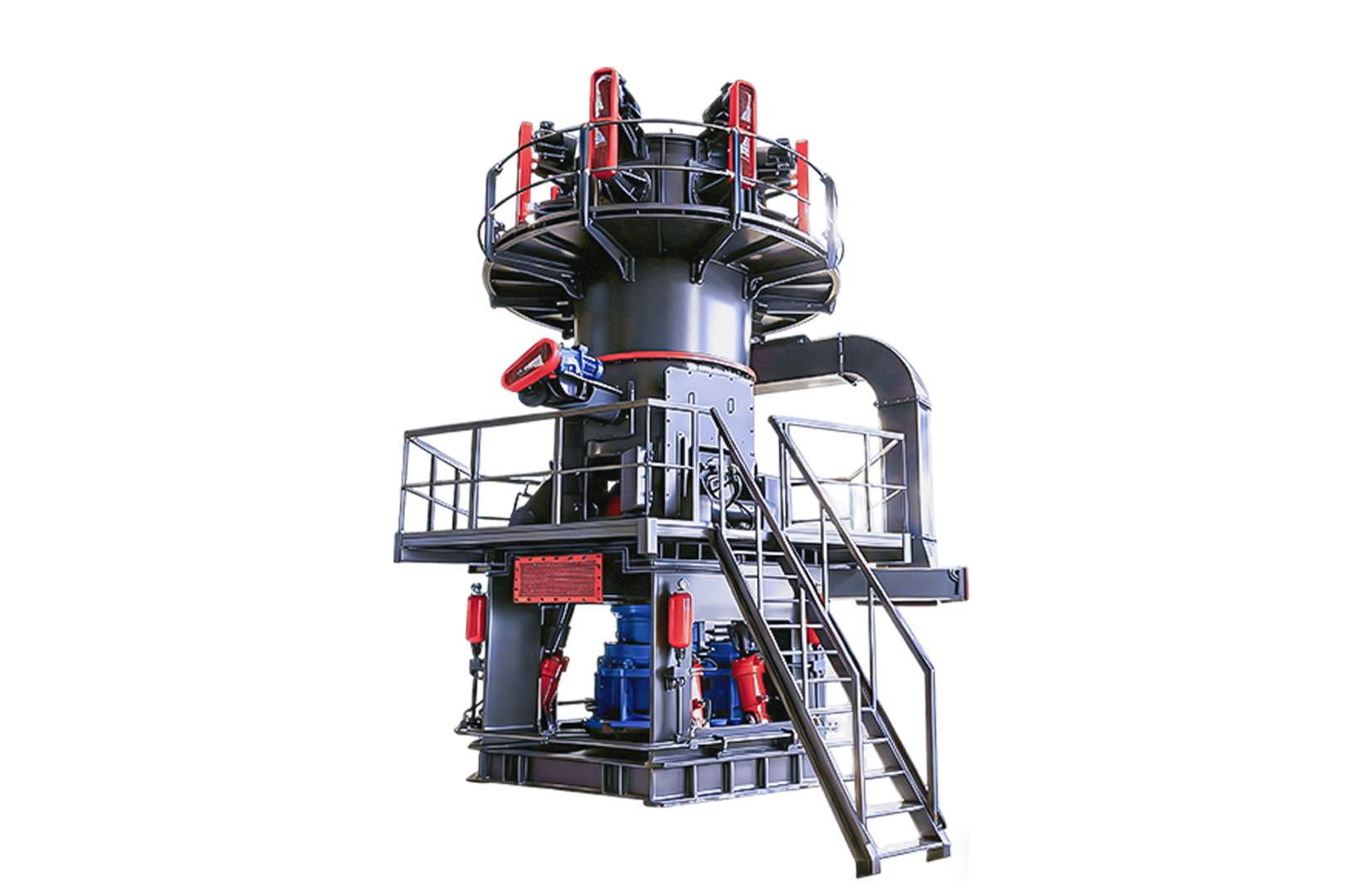
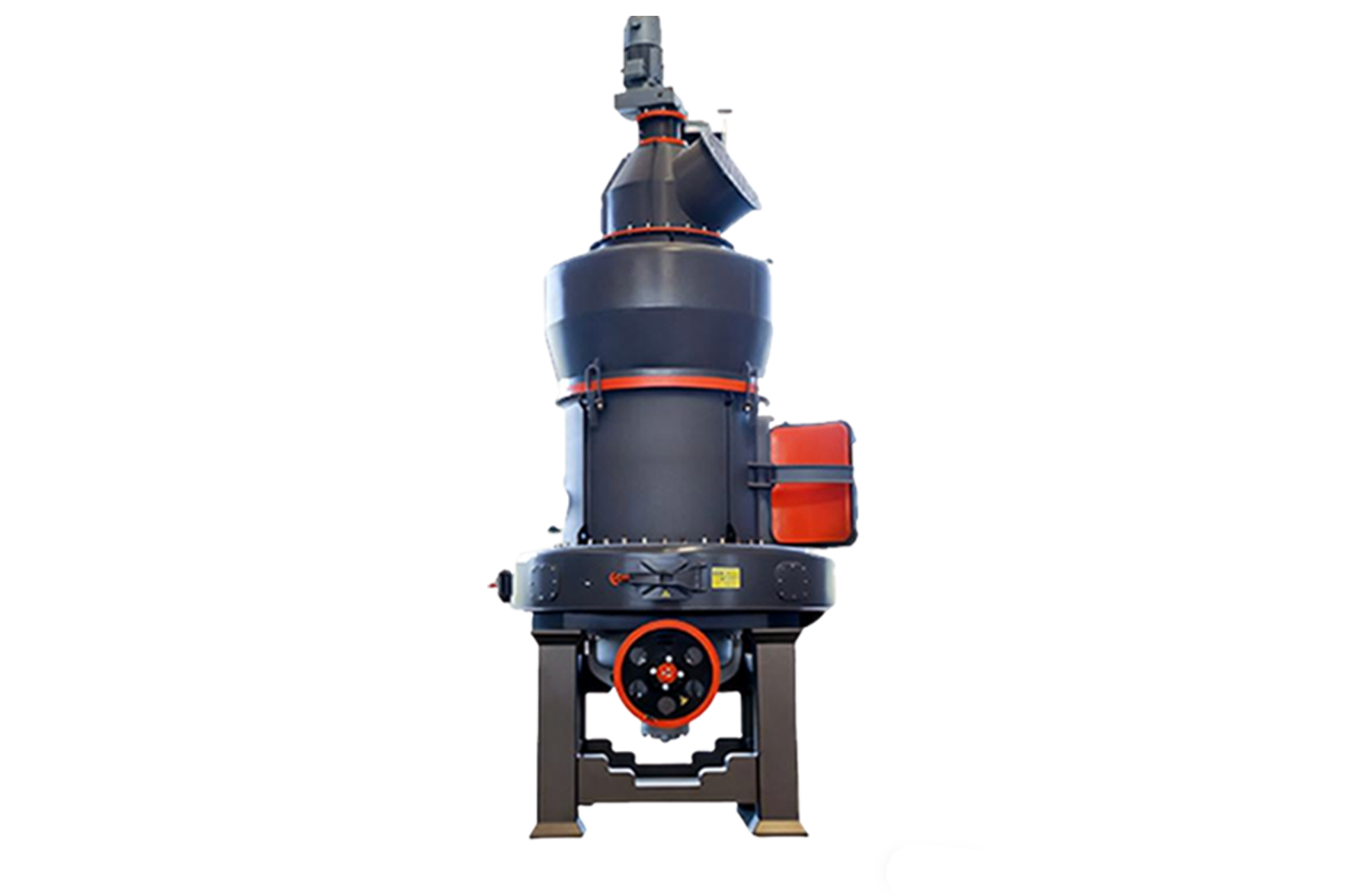
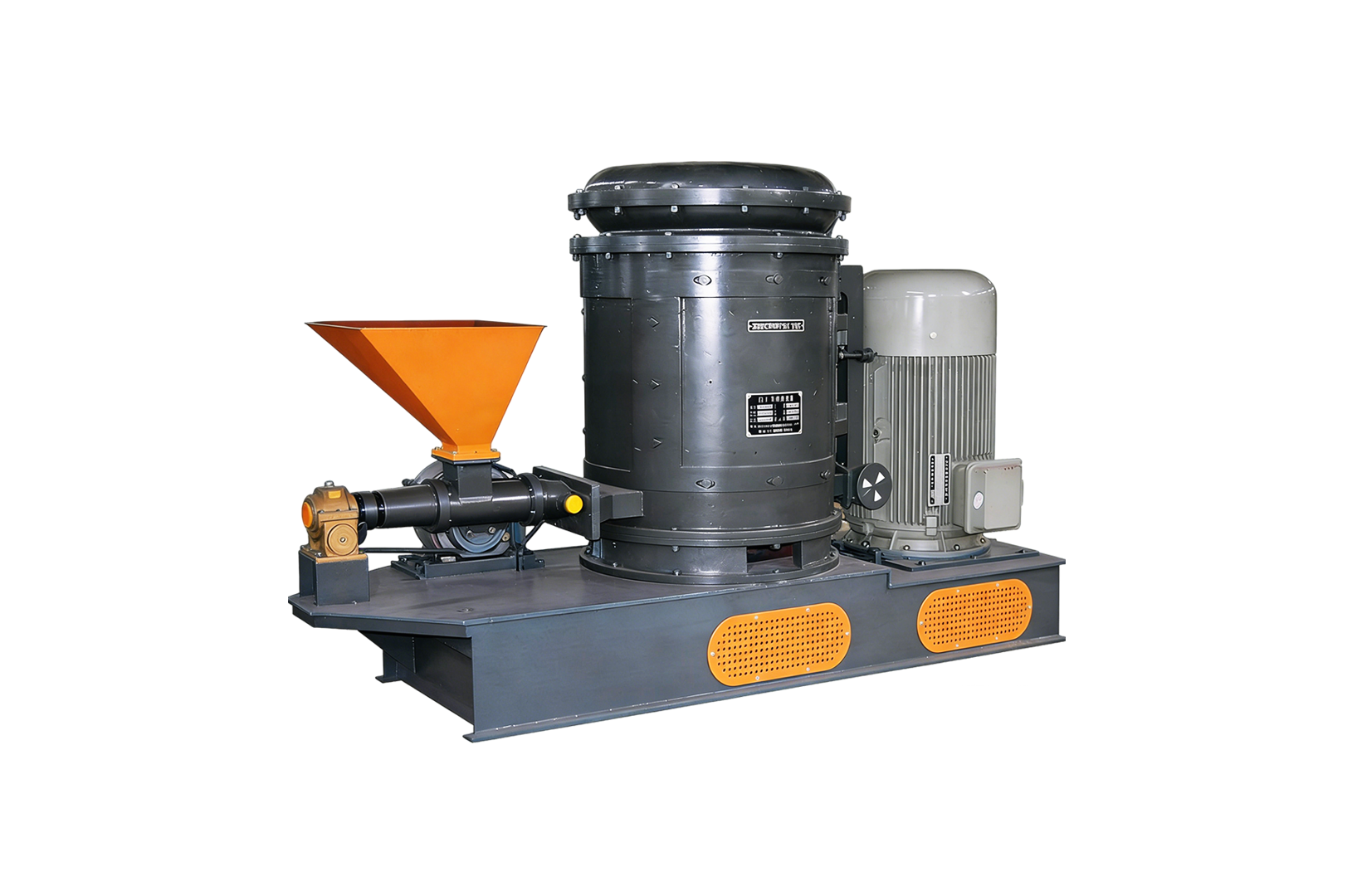
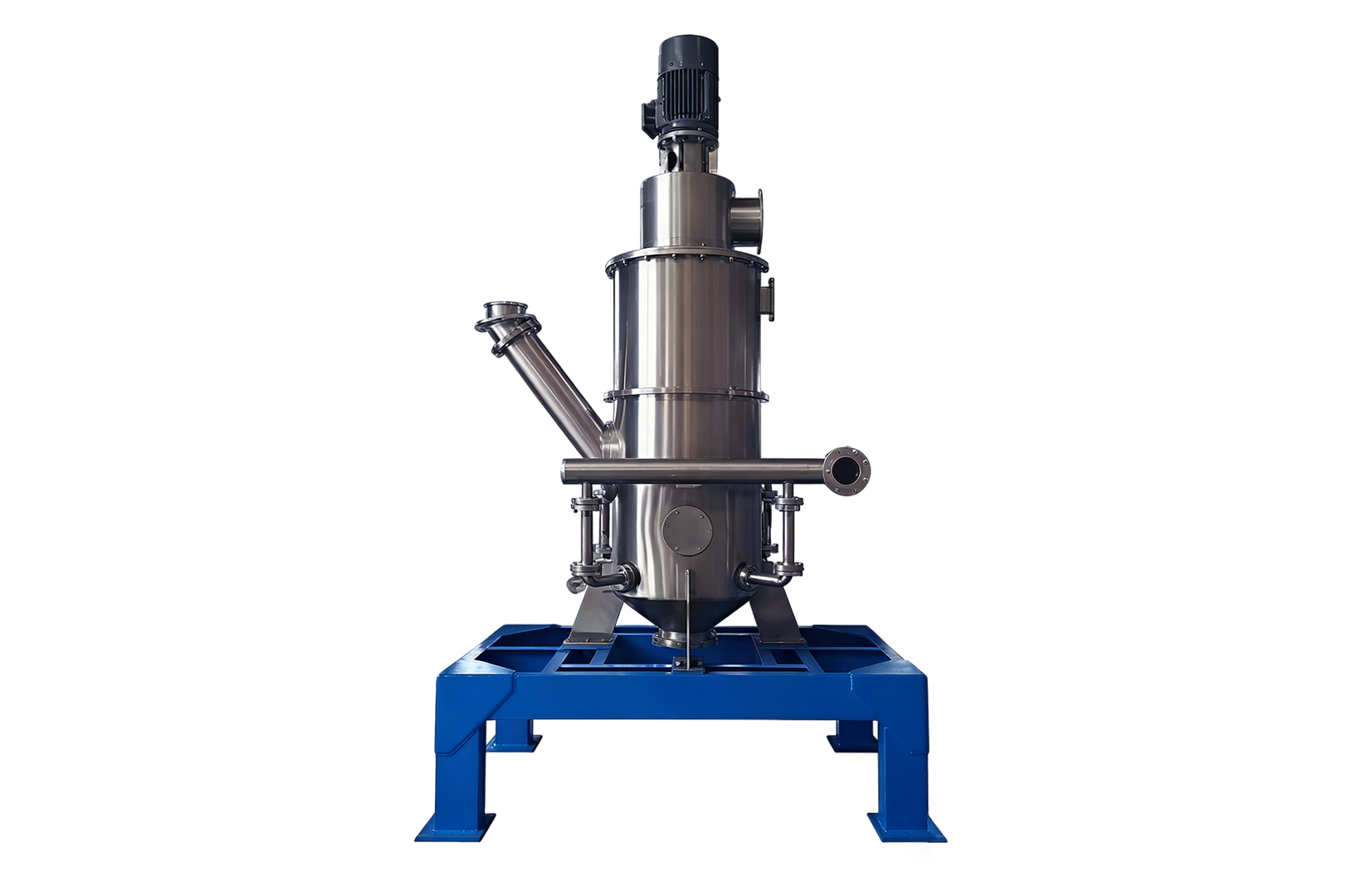
If the boss or purchasing manager is planning to go to an ultra-fine mill, the most urgent need to figure out now is actually one point: how to find a balance between the initial budget and the long-term return on investment, don’t be blown by the manufacturer’s capacity data to fool. In the past 15 years, I have designed more than 30 non-metallic mineral production lines. Usually, I will directly explain to customers: your purchasing decision must focus on the particle size distribution you need and the real output that can be run out on site. If you want the project to really make money, you have to force the manufacturer to come up with the efficiency proof of the frequency conversion grading wheel and the material wear data of the grinding roller and grinding ring. Whether you are making calcium carbonate, limestone, talc or barite, a high-end micro-grinding equipment should never be a polished commander. It should be a complete turnkey project-bring a pulse dust collector to deal with environmental protection, and at the same time minimize the overall energy consumption to reduce the cost per ton. Don’t just buy a single machine and get it over with. Put in a low-maintenance system. Vulnerable parts will be used for several months. This account will definitely make up for the money you invested in buying equipment.
Buying an ultra-fine mill is definitely a big expense. But keeping an eye on the lowest offer is really a pit. In my experience, whether micro-grinding is expensive or not depends on its long-term return on investment.
I have encountered too many buyers who suffer because they believe in the exaggerated production capacity of unreliable manufacturers. The machine looks at a high output on the drawings, and when it comes to actual production, it will stop at two ends in three days, or it will not reach the design capacity at all, and your profits will bottom out. To balance the budget and the long-term ledger, you have to evaluate the cost of the entire life cycle of the equipment. In other words, you have to take into account all the hard indicators such as electricity charges, the frequency of changing wearing parts, and whether you can discharge materials stably every day, instead of just looking at the down payment invoice.
Configuration of non-metallic mineral production line, accuracy is everything. What equipment to buy depends to a large extent on the particle size distribution of the finished product you want. Most of the industry is between 325 and 3000 mesh.
Whether you are grinding calcium carbonate, limestone or talc or barite, the price you finally sell depends on the accuracy and stability of this micron-level data. The finer the grinding, the more electricity and time it will take, which is why you must ask the manufacturer to provide the throughput measured on site.
Never believe the theoretical maximum. Directly find the supplier for the case, or ask them for the actual operation data, and clearly ask them: how many tons can this ultra-fine mill produce in an hour when the specific ore type and the number of items we want are stuck?
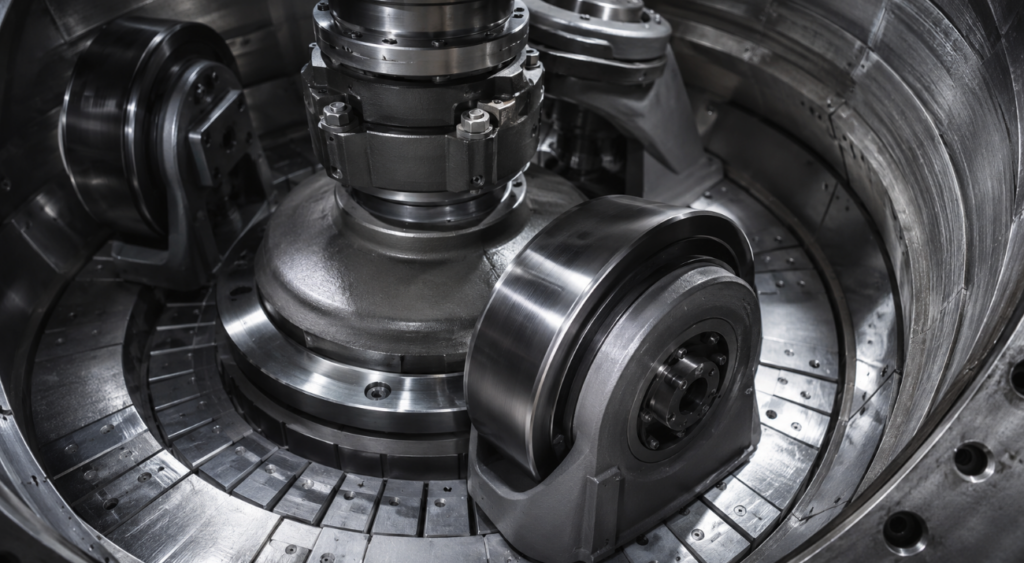
To ensure that profits are not jammed by production bottlenecks, your attention has to be turned to the internal mechanical structure of the ultra-fine mill. There are two key components that directly determine how fast and how long your system can run:
Variable frequency grading wheel: This thing is like a goalkeeper of particle size distribution. The efficient frequency conversion grading wheel allows you to accurately adjust the speed and sort out the part of micron powder you want. If the efficiency of this thing is not good, the large particles will leak out and the product will be scrapped directly. Or the powder that was already fine enough was pulled back for heavy grinding, and the electricity bill would be wasted.
Metallurgical wear resistance of grinding roller and grinding ring: these two pieces are used for heavy work in ultra-fine grinding. Because they are hard with hard non-metallic ore every day, the metallurgical formula of the material is extremely deadly. You must let the manufacturer prove that these wearing parts are really wear-resistant. With high-quality, long-life alloy parts, you can cut off a half of the times you stop for maintenance. The production line keeps turning, and ROI will naturally go up.
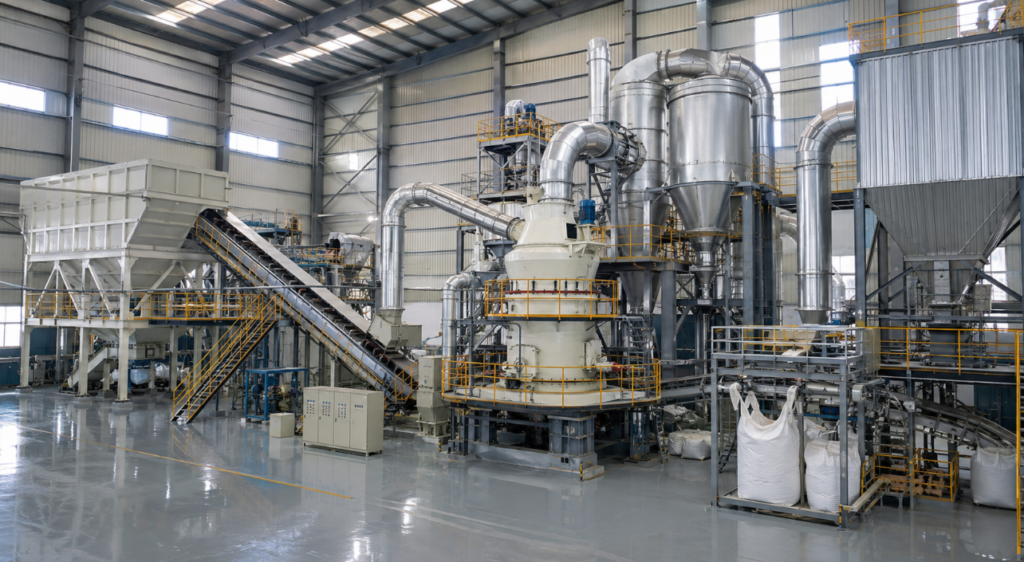
After watching the scene for so many years, if you want to pick one of the most valuable suggestions, it is: don’t just buy a bare machine. A single mill cannot turn without the cooperation of the surrounding ecosystem. A top-of-the-line micronizer must be run on a complete turnkey scheme.
A qualified turnkey system will integrate auxiliary equipment that optimizes performance and cope with inspections:
Pulse dust collector: now the mineral processing, environmental protection card is very strict. With the installation of advanced pulse dust collectors, the factory buildings will be clean and clean, and the workers will not get sick. The key is to collect the ultra-fine powder that leaks out and sell it for money, which is better than wasting it in the air.
Energy consumption optimization: a truly well-integrated system, the fan, classifier and ultra-fine grinding host are seamlessly matched. This system-level optimization minimizes wasted power, which is the core means to drive down your overall ton cost.
At the end of the day, your ultimate goal is to vote for a low-maintenance system that doesn’t usually require much service. When the design logic of the whole production line is smooth, the service life of wearing parts becomes longer, the electricity bill is reduced, and an environmental protection fine cannot be paid, the investment you made when you first started to pay for the equipment will be completely returned.