 كليريك






بحث
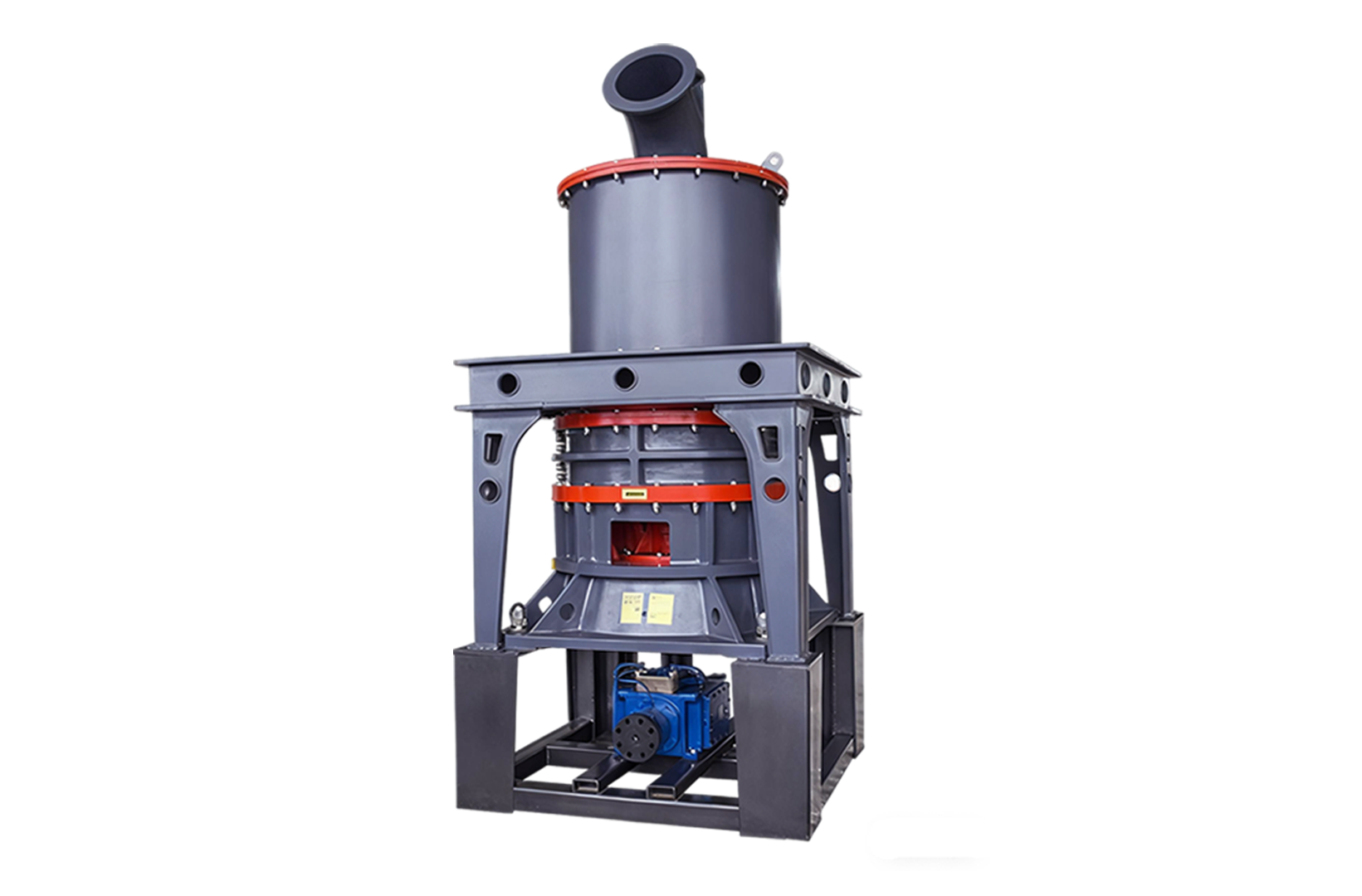
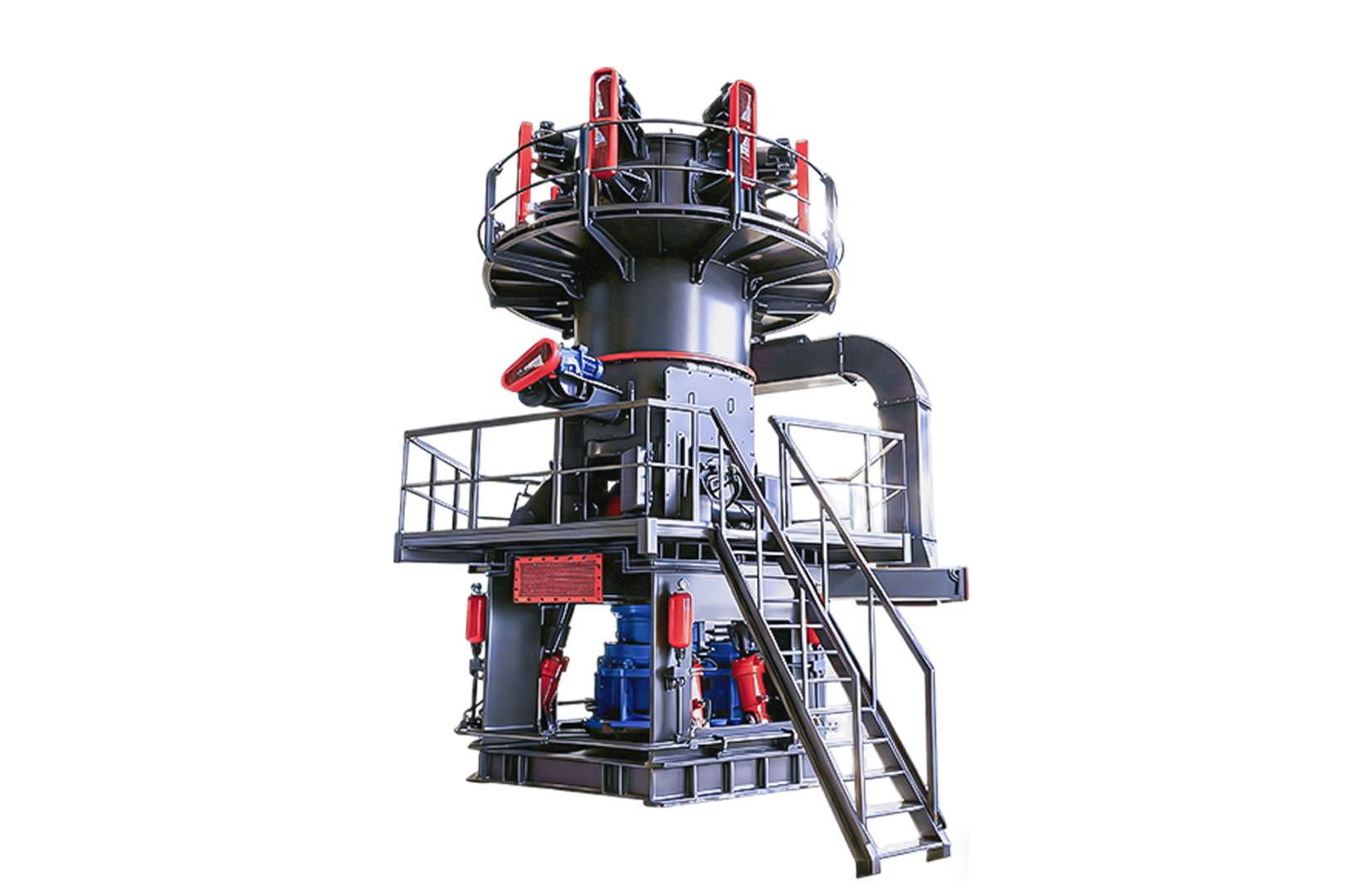
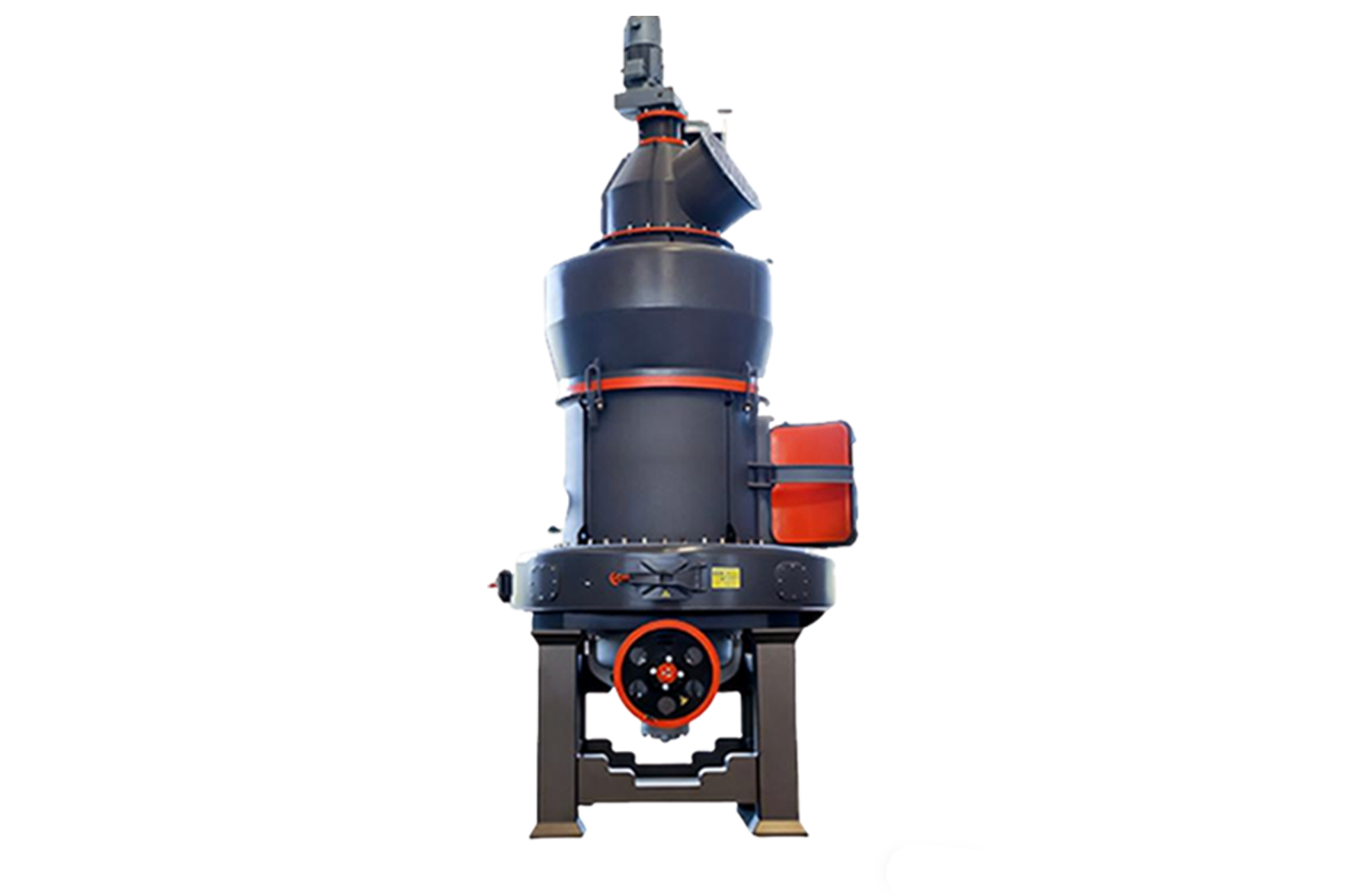
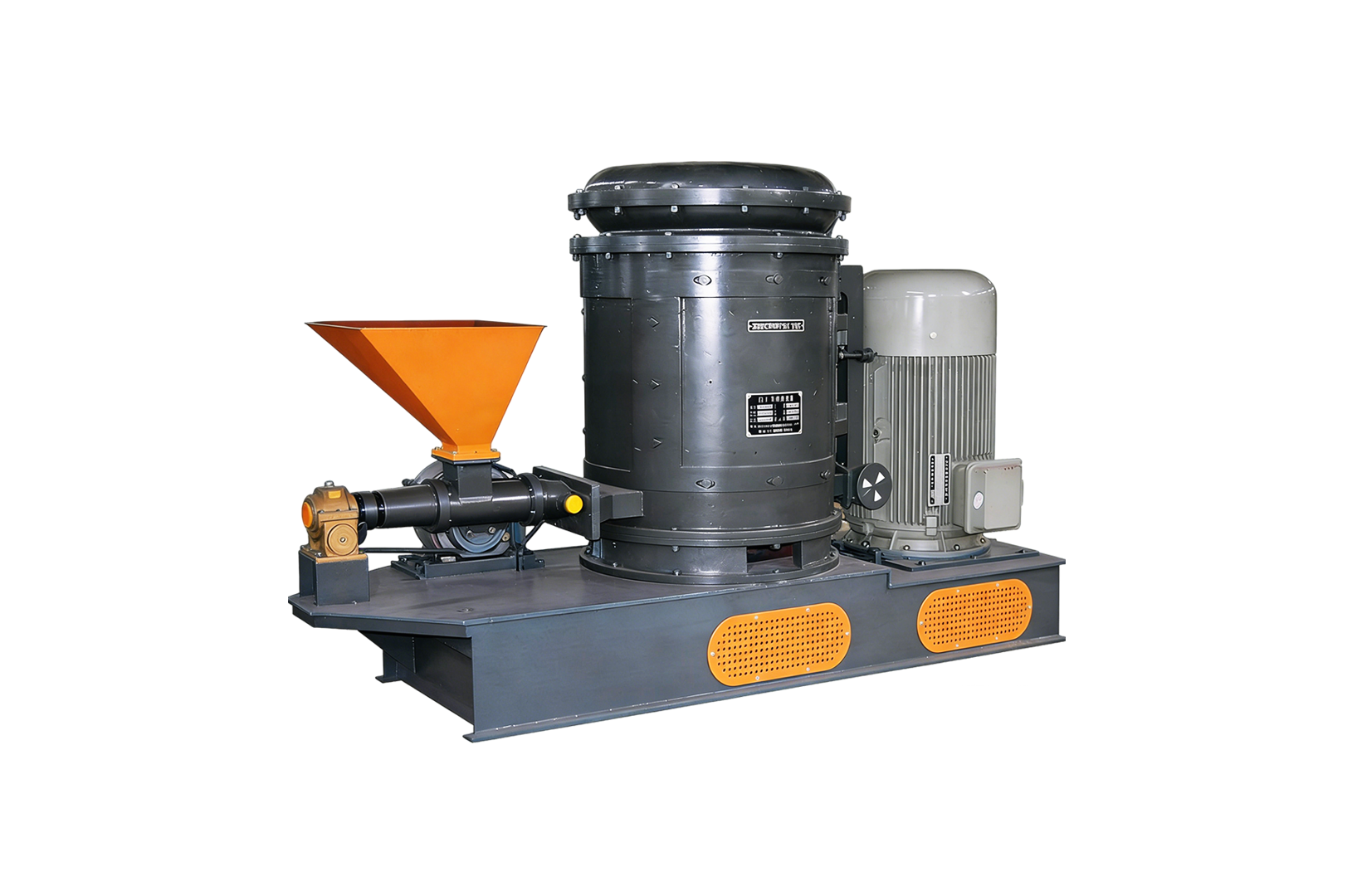
If you plan to invest in ultra-fine mills, you must be most concerned about the total investment cost, equipment stability, and the manufacturer’s after-sales service. If you want to make money in the ultra-fine powder industry, the key is not to buy a good stand-alone machine, but to get complete customized production line.
To deal with conventional non-metallic minerals such as calcium carbonate, talc and limestone, a set of high-quality superfine grinding equipment that can stably discharge 325 to 2500 meshes and can keep up with the output, with an initial investment of about US $50000 to US $200000. How much you spend depends on how much hourly yield you want. In order to avoid downtime and hidden maintenance costs, I strongly recommend that you find a source manufacturer and directly knock the service life requirements of the core wearing parts into the contract. In addition, don’t forget to match the system with advanced frequency conversion classifier to accurately control powder, and heavy pulse dust collector to cope with local environmental spot checks. Don’t always stare at the ridiculously low initial offer, what you should really value is the transparency of the offer, the ability to deliver on time, and the fast and fast global technical support. This is the bottom line to ensure that you continue to produce, low energy consumption and long-term money.
Many investors always make the same fatal mistake: stare at the price of the host. In fact, as mentioned earlier, the profitable ultrafine powder business relies on a complete set of customized production lines.
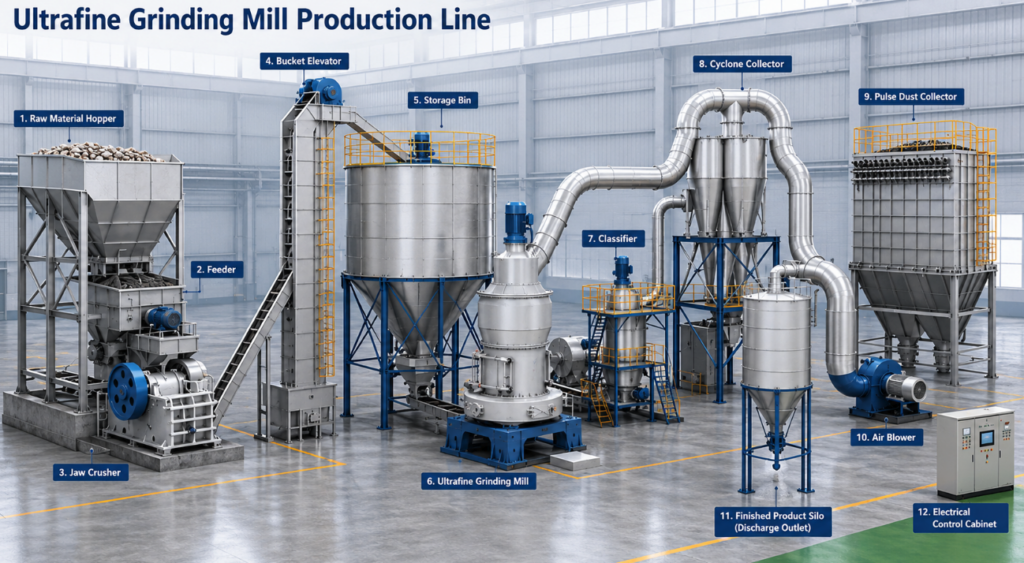
So why does the budget span 50000 to 200000? This money buys a “turnkey” solution tailored to your target output. A complete set of plant equipment is definitely not only the ultra-fine grinding host, but also includes the jaw crusher, bucket elevator, silo, vibrating feeder and 1 complete electric control cabinet. Buy this full set of integrated system, I dare say this is the most worry-free, because each component can seamlessly meet your production needs, there will be no neck sticking, and the overall processing capacity can be maximized.
The most valuable part of the ultra-fine mill is its absolute control of particle size. When dealing with non-metallic minerals such as calcium carbonate, talc or limestone, the market wants extreme fineness and uniformity.
Your equipment must be able to stabilize the powder to 325 to 2500 mesh. Those old-fashioned machines are very laborious when they hit 400 eyes. But the special ultra-fine grinding is not the same, it relies on multi-layer grinding pressure, can not destroy the physical properties of those brittle non-metallic minerals under the premise of their thorough crushing. To maintain this fineness stability, the powder you beat can be sold at a high price in coatings, plastics, cosmetics or paper mills.
The stability of the equipment directly determines the thickness of your profit. Those invisible maintenance costs and sudden shutdowns eat up profits frighteningly fast. Therefore, the wear life of core spare parts-mainly grinding rings and grinding rollers-must be the most important thing you should keep an eye on.
The friction and pressure to which these two parts are subjected during the micronization process is surprisingly high. In order not to go wrong, you must find the source manufacturer that uses high chromium alloy or special wear-resistant forged steel as accessories. The more critical point is to let the supplier fall the wear life of the parts directly on the contract according to the specific hardness of your raw materials. With this predictable maintenance schedule, you can plan for replacement parts in advance and never delay delivery to downstream customers.
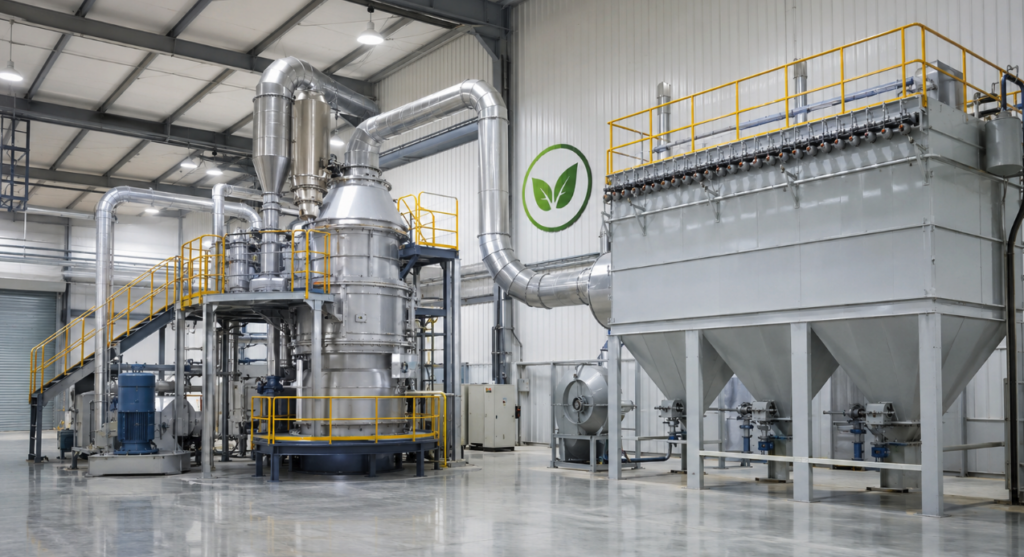
An advanced ultra-fine grinding system is more than just smashing stones, precise separation and a clean site environment are the focus. In my project plan, these two auxiliary components belong to the absolute hard standard, not negotiable:
Whether the investment is successful or not, to put it bluntly, the final fight is the after-sales service of the manufacturer. Figure cheap to pick the lowest price of the supplier, often make a lot of big trouble, such as delivery delays, to change parts when not in stock, or the machine drives like an electric tiger.
To keep the production line spinning and get the highest long-term return, you must keep an eye on these items when looking at the plan:
Instead of just looking at the initial machine quotation, focus on low energy consumption, equipment stability, and finding a reliable source manufacturer. Only in this way, your ultra-fine mill will not be a dead money spent, but a high-quality asset that prints money for many years.